10 Effective Home Remedies To Treat Ringworm Naturally
Discover evidence-backed natural remedies to manage and soothe ringworm symptoms safely at home.
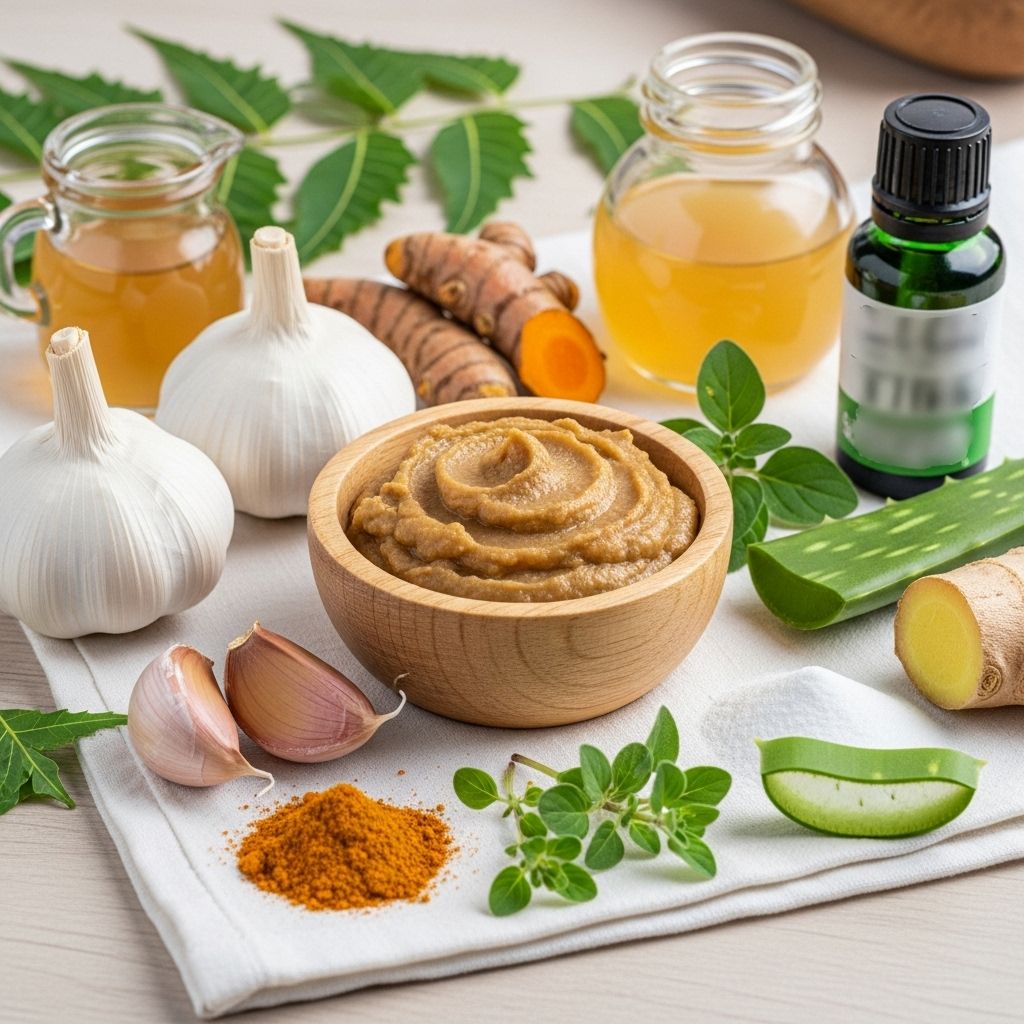
Ringworm is a common fungal infection characterized by red, circular, and itchy skin rashes. While medical treatments are available, natural remedies can also alleviate discomfort, promote healing, and help prevent the spread of infection. This guide explores 10 proven home remedies for ringworm, how to use them safely, and essential tips for prevention and recovery.
What Is Ringworm?
Ringworm (Dermatophytosis) is a contagious skin infection caused by various species of fungi known as tinea. It commonly affects areas such as the scalp, feet, groin, and body. The infection presents as a scaly, red, ring-shaped rash that may itch or burn. It is not caused by an actual worm, but derives its name from the ring-like appearance of the rash. Without proper treatment and hygiene, the infection can spread to different areas of the body and to other people.
Common Symptoms
- Itchy, red, circular patches on the skin
- Rings with a slightly raised edge
- Dry, flaky, or scaly skin
- Blisters or oozing in severe cases
- Hair loss in affected areas (especially scalp)
Why Try Home Remedies?
Many mild ringworm infections can be addressed at home using natural remedies with antifungal, soothing, and skin-healing properties. They can reduce discomfort and may speed up recovery. However, for severe, recurring, or widespread infections, or if there is no improvement within 2 weeks, seek medical evaluation for prescription antifungal medications.
10 Proven Natural Remedies For Ringworm
Tea Tree Oil
Tea tree oil is renowned for its potent antifungal and antibacterial properties, making it a first-choice home remedy for infections, including ringworm. Native Australians have used it traditionally for centuries. Its components, like terpinen-4-ol, actively disrupt fungal growth and can provide relief from itching and inflammation.
You Will Need
- Tea tree oil (100% pure)
- (Optional) Carrier oil such as coconut oil (to dilute for sensitive skin)
How To Use
- Mix 2-3 drops of tea tree oil with 1 tablespoon of carrier oil if you have sensitive skin.
- Apply the mixture to the affected area with a sterile cotton swab.
- Leave it on; do not rinse.
Frequency: Use 2-3 times daily until the rash subsides.
Coconut Oil
Coconut oil contains lauric acid and other fatty acids with proven antifungal and antimicrobial effects. It can both treat fungal infections and moisturize dry, irritated skin—ideal for scalp ringworm due to its conditioning properties.
You Will Need
- Organic, cold-pressed coconut oil
How To Use
- Warm a small amount of coconut oil until liquid.
- Apply directly to the affected area, and let it absorb into the skin.
Frequency: Apply at least 3 times per day.
Apple Cider Vinegar
Apple cider vinegar is known for its natural antifungal and antimicrobial abilities. Acetic acid in the vinegar helps disrupt fungal cell membranes, which may help treat ringworm. It can, however, cause stinging, especially on broken skin, so use with caution.
You Will Need
- Raw, unfiltered apple cider vinegar
- Cotton ball
How To Use
- Dab a cotton ball in apple cider vinegar.
- Gently apply to the infected area.
- Allow to dry naturally.
Frequency: 2-3 times daily.
Caution: Discontinue use if severe irritation occurs.
Turmeric
Turmeric boasts powerful antibacterial, anti-inflammatory, and antifungal properties, attributed to its active compound, curcumin. Its topical use can inhibit fungal growth while aiding in reducing redness and swelling.
You Will Need
- 1/2 to 1 teaspoon turmeric powder
- Few drops of water (or coconut oil for extra nourishment)
How To Use
- Mix turmeric powder with water or coconut oil to form a thick paste.
- Apply directly over the ringworm patch.
- Leave for 15 minutes, then rinse thoroughly.
Frequency: Twice daily until rash fades.
For added benefit, turmeric can be consumed as a tea or in meals to support skin health from within.
Garlic
Garlic contains allicin, a potent antifungal and antimicrobial compound. While scientific evidence for topical garlic against ringworm is limited, it has long been a staple in traditional antifungal remedies.
You Will Need
- 2-3 fresh garlic cloves
- Olive or coconut oil (optional, to dilute)
How To Use
- Crush garlic cloves to release juices.
- Mix with a carrier oil if desired.
- Apply the paste gently on the ringworm patch.
- Let sit for 10-15 minutes, then rinse off completely.
Frequency: Once or twice per day until rash resolves.
Caution: Garlic can cause irritation and even burns if left too long; do a patch test and never apply to broken skin.
Aloe Vera
Aloe vera is well-known for relieving itchiness, soothing irritation, and speeding up healing. It also offers some antifungal action, making it an effective, gentle option for sensitive skin effects of ringworm.
You Will Need
- Freshly extracted gel from an aloe vera leaf
How To Use
- Extract clear gel from an aloe vera leaf.
- Apply the gel directly onto the infection.
- Leave it to absorb into the skin.
Frequency: 2-3 times daily until healed.
Oregano Oil
Oregano oil possesses strong antifungal compounds, such as carvacrol and thymol, which may help fight ringworm. Its use is more common in dilution due to its potency and potential to cause skin irritation.
You Will Need
- Oregano essential oil
- Carrier oil for dilution
How To Use
- Mix a few drops of oregano essential oil with a tablespoon of carrier oil.
- Apply to the affected area using a cotton swab.
- Do not use undiluted oregano oil directly on skin.
Frequency: 2 times per day.
Caution: Always patch test first to check for irritation.
Lemongrass Oil
Lemongrass essential oil is recognized for its antifungal and anti-inflammatory activities. It may help inhibit fungal growth and alleviate itching due to its soothing properties.
You Will Need
- Lemongrass essential oil
- Carrier oil
How To Use
- Mix lemongrass oil with a carrier oil for safe skin application.
- Apply gently to affected skin.
Frequency: Once or twice a day.
Calendula Oil
Calendula oil (from marigold flowers) is valued for its antifungal, anti-inflammatory, and skin-healing properties. It can reduce redness, soothe irritation, and support skin repair during ringworm infection.
You Will Need
- Calendula oil or cream
How To Use
- Apply a thin layer of calendula oil or ointment to the ringworm lesion.
Frequency: 2-3 times daily.
Boric Acid and Hydrogen Peroxide (Anecdotal Evidence)
Though less researched, boric acid and hydrogen peroxide are traditionally used for their mild antiseptic and antifungal qualities. They may aid in disinfecting the infected area, but should always be used diluted to avoid skin damage.
You Will Need
- Boric acid or hydrogen peroxide (diluted solution)
How To Use
- Soak a cotton pad in a diluted solution.
- Apply to affected skin for several minutes.
- Rinse thoroughly and dry well.
Frequency: Once a day, not to be used on sensitive or broken skin.
Caution: Not recommended for use on children or large body areas; avoid contact with eyes and mucous membranes.
Tips For Managing Ringworm At Home
- Always clean the affected area with warm water and soap, and dry thoroughly before applying any remedy.
- Use a separate towel for the infected area and wash towels, clothing, and bedding frequently in hot water.
- Avoid scratching to prevent spreading the infection.
- Maintain good personal hygiene and keep skin dry, especially in skin folds.
- Never share personal items with others during infection.
Prevention: How To Avoid Recurrence
- Keep skin clean and dry, particularly in areas prone to sweating.
- Avoid shared towels, clothing, or grooming equipment.
- Shower after sports activities and dry properly, especially between toes and skin folds.
- Wear loose, breathable clothing and footgear.
- Disinfect household surfaces and personal items if infection was present.
When To See A Doctor
- If the infection shows no improvement after two weeks of home treatment.
- If the infection is extensive, on the scalp, or affects nails.
- If signs of secondary bacterial infection appear (swelling, pus, fever).
- For children, immunocompromised individuals, or those with chronic skin conditions.
Frequently Asked Questions (FAQs)
Q: Are home remedies safe for everyone?
A: Most remedies are safe for adults when used as directed. However, some essential oils or natural products can irritate sensitive skin. Always perform a patch test and discontinue use if you notice any adverse reactions. For children, seniors, or those with pre-existing conditions, consult a healthcare provider.
Q: How can I prevent the spread of ringworm at home?
A: Maintain strict hygiene, use separate towels, and wash personal items regularly. Avoid sharing personal items and disinfect frequently touched surfaces.
Q: Can I use multiple remedies at the same time?
A: Yes, for example, you can alternate between coconut oil and an essential oil like tea tree, but avoid using multiple undiluted essential oils together. Always observe your skin’s response to combination therapies.
Q: How long should I continue the remedies?
A: Continue applying remedies for at least 1-2 weeks after the rash disappears to lower the risk of recurrence. Seek medical advice if symptoms do not improve after 2 weeks of home care.
Q: Are over-the-counter antifungal creams better than natural remedies?
A: OTC antifungal creams such as clotrimazole or terbinafine are considered standard first-line treatments. Home remedies can be supportive or an alternative option for mild, early cases. Severe or persistent cases require medical attention.
Quick Reference Table: Remedies At-A-Glance
| Remedy | Main Benefit | Frequency | Notes |
|---|---|---|---|
| Tea Tree Oil | Potent antifungal, anti-inflammatory | 2-3 times/day | May dilute for sensitive skin |
| Coconut Oil | Antifungal, moisturizes and soothes | 3 times/day | Ideal for scalp ringworm |
| Apple Cider Vinegar | Natural antifungal | 2-3 times/day | May sting on raw skin |
| Turmeric | Anti-inflammatory, antifungal | 2 times/day | Use as paste; avoid staining fabrics |
| Garlic | Natural antifungal | 1-2 times/day | Patch test due to irritation risk |
| Aloe Vera | Soothes irritation, antifungal | 2-3 times/day | Safe for most skin types |
| Oregano Oil | Powerful antifungal | 1-2 times/day | Always dilute before use |
| Lemongrass Oil | Antifungal, relieves itching | 1-2 times/day | Combine with carrier oil |
| Calendula Oil | Soothes, promotes healing | 2-3 times/day | Good for irritated skin |
| Boric Acid & Hydrogen Peroxide | Anecdotal antifungal | 1 time/day | Dilute well; limited research |
Disclaimer: Natural remedies may help mild ringworm but do not replace professional medical advice or prescription treatments when needed. If the infection spreads, worsens, or does not improve, consult a dermatologist promptly.
Similar Articles







Read full bio of medha deb