10 Effective Home Remedies To Relieve Constipation
Natural solutions for constipation: Explore proven, easy home remedies to promote regular bowel movements and digestive comfort.
Constipation is a common digestive complaint that affects people of all ages. Defined by infrequent, difficult, or painful bowel movements, constipation can lead to discomfort, bloating, and reduced quality of life. While medications are available, there are several proven home remedies for relieving constipation naturally. Here, we explore ten practical, evidence-based approaches you can easily incorporate into your routine to promote healthy and regular bowel movements.
What Is Constipation?
Constipation is medically characterized by having fewer than three bowel movements in a week, and may be accompanied by hard, dry, or lumpy stools, straining, and a sensation of incomplete evacuation. Factors such as insufficient dietary fiber, dehydration, sedentary lifestyle, stress, or certain medications can contribute to this condition. Chronic constipation can lead to complications, so addressing it promptly is important for digestive well-being.
Common Symptoms Of Constipation
- Pain or difficulty during bowel movements
- Passing hard or lumpy stools
- Feeling of incomplete evacuation after a bowel movement
- Bloating and abdominal discomfort
- Reduced frequency of bowel movements (fewer than three a week)
10 Home Remedies To Relieve Constipation
1. Increase Dietary Fiber Intake
Possibly the most effective natural remedy, consuming more dietary fiber is essential for alleviating and preventing constipation. Fiber adds bulk to the stool and softens it, making it easier to pass. Adults should aim for at least 2530 grams of fiber daily.
- Include whole grains like oats, brown rice, and whole wheat bread in your meals.
- Eat a variety of fruits and vegetables daily, especially those with edible skins such as apples, pears, and carrots.
- Add legumes such as beans, lentils, and chickpeas for an extra fiber boost.
- Start slowly and increase your fiber intake gradually to prevent bloating.
2. Stay Hydrated With Sufficient Water Intake
Dehydration is a leading cause of hard stools and constipation. Water helps the digestive system break down foods and move waste smoothly through the colon.
- Drink at least 8810 glasses (222.5 liters) of water per day, particularly when increasing your fiber consumption.
- Warm liquids like herbal teas or warm lemon water may stimulate digestion.
- Clear soups and broths are also beneficial for hydration and softening stools.
3. Exercise Regularly
Regular physical activity stimulates intestinal contractions and accelerates the movement of stools through the colon.
- Aim for at least 30 minutes of moderate exercise, such as brisk walking, cycling, or swimming, most days of the week.
- Simple activities like stretching, yoga, or even abdominal massages may help promote healthy bowel movements.
4. Add Probiotic Foods To Your Diet
Probiotic-rich foods contain beneficial bacteria that help restore and maintain a healthy gut microbiome. A balanced gut flora is crucial for smooth digestion and stool regularity.
- Natural sources include yogurt with live cultures, kefir, sauerkraut, kimchi, and tempeh.
- Regular intake supports healthy gut motility and may reduce chronic constipation.
5. Try Natural Laxative Foods
Certain foods possess mild natural laxative properties due to their high fiber content, presence of sorbitol, or other active compounds.
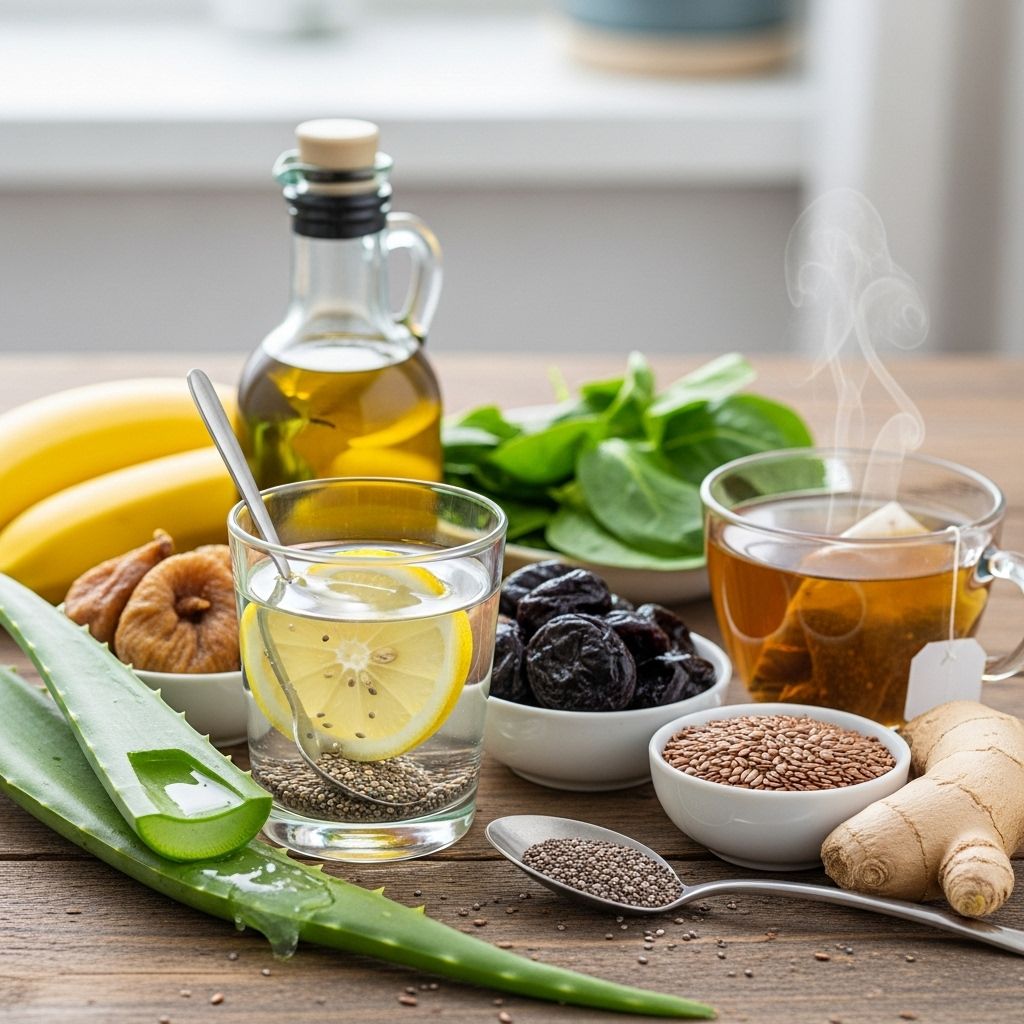
- Prunes and prune juice: Prunes are renowned for their effect due to their fiber and the natural sugar sorbitol that draws water into the colon, promoting bowel activity.
- Figs and raisins: These dried fruits are high in both soluble and insoluble fibers, aiding stool bulking and movement.
- Apples and pears: Both contain high levels of fiber, water, and sorbitol. Eating them raw or with skin maximizes benefits.
- Kiwi fruit: Contains actinidin, an enzyme shown to help digestion and improve stool consistency.
- Stewed apricots: Soft, fiber-rich and delicious, they stimulate digestion.
6. Incorporate Healthy Oils
Edible oils like olive oil and omega-3-rich oils can act as lubricants in the digestive tract, facilitating easier stool passage and reducing straining.
- Consume a teaspoon of pure olive oil on an empty stomach or use it to dress salads and cooked vegetables.
- Add flaxseed oil, hempseed oil, or fish oil (rich in omega-3 fatty acids) to your meals.
- Omega-3 oils support not only gut movement, but also cardiovascular health.
7. Drink Herbal Teas For Gentle Relief
Certain herbal teas can help relieve constipation by promoting gut relaxation and mild stimulation of the intestines.
- Ginger tea: Soothes the digestive tract, reduces bloating, and helps alleviate both cramping and nausea.
- Peppermint tea: Relaxes bowel muscles, which can promote more regular movements.
- Fennel seed tea: Acts as a mild natural laxative and may be especially gentle for children or sensitive individuals.
- Consume these teas warm to maximize their effectiveness.
8. Establish Healthy Bowel Habits
Routine and awareness in your daily habits can play a vital role in relieving and preventing constipation.
- Go to the bathroom at the same time every day, preferably after meals, to train your bowels.
- Respond promptly to the urge to move your bowels; delaying can worsen constipation.
- Allow sufficient time and privacy for bowel movements to avoid unnecessary stress or straining.
9. Practice Abdominal Massage And Yoga
Gentle abdominal massage and yoga can stimulate the digestive tract and promote peristalsis (the muscle contractions that move stool through the colon).
- Perform a clockwise circular massage starting from the lower right abdomen, moving upwards, across, and down the left side.
- Yoga poses like the wind-relieving pose (Pawanmuktasana), child’s pose, or supine twists can aid digestion.
- Practicing these techniques regularly may provide gentle relief and improved comfort.
10. Adjust Your Diet And Lifestyle
Finally, making a few targeted adjustments in your dietary and lifestyle patterns can help prevent constipation in the long run:
- Limit processed and high-fat foods, as well as those low in fiber (such as white bread, fast food, and sugary snacks).
- Minimize caffeine, alcohol, and fried foods, which can have dehydrating or binding effects.
- Keep stress in check, as anxiety can affect your gut motility.
- Get adequate sleep, as rest is crucial for digestive and overall health.
Quick Reference Table: Home Remedies For Constipation
| Remedy | Main Benefit | How To Use |
|---|---|---|
| High-Fiber Diet | Increases stool bulk | Add whole grains, fruits, vegetables, legumes |
| Drinking Water | Softens stools | At least 8–10 glasses daily |
| Regular Exercise | Promotes gut motility | 30 minutes/day, most days of the week |
| Probiotics | Balances gut bacteria | Eat yogurt, kefir, sauerkraut |
| Natural Laxative Foods | Encourages bowel movement | Eat prunes, figs, kiwi, pears, apples |
| Healthy Oils | Lubricates intestine | Use olive oil, flaxseed oil |
| Herbal Teas | Soothes digestion | Drink ginger or fennel tea |
| Healthy Bowel Routine | Builds consistency | Go at regular times, don’t delay |
| Abdominal Massage/Yoga | Stimulates peristalsis | Massage gently, practice poses |
| Lifestyle Adjustment | Long-term prevention | Eat less processed food, manage stress |
Frequently Asked Questions (FAQs) About Constipation Relief
Q: How much fiber do I need to relieve constipation?
A: Aim for 25–30 grams of fiber per day from a combination of fruits, vegetables, whole grains, and legumes. Increase intake slowly to minimize bloating and gas.
Q: Can I use over-the-counter laxatives if home remedies don’t work?
A: Short-term use of mild laxatives or stool softeners may help, but regular or long-term use should only be done under medical supervision to avoid dependency and side effects.
Q: Are there any foods I should avoid if I’m prone to constipation?
A: Yes. Limit intake of highly processed, low-fiber foods such as fast foods, white bread, cheese, and red meat. Also, avoid excessive caffeine and alcohol, as they may contribute to dehydration.
Q: When should I see a doctor for constipation?
A: Consult a healthcare professional if constipation lasts more than three weeks, becomes severe, is accompanied by weight loss, blood in stools, or significant abdominal pain.
Q: What lifestyle changes can help prevent constipation in the future?
A: Regular exercise, staying hydrated, managing stress, eating a diverse and fiber-rich diet, developing a routine for bowel movements, and sufficient sleep are all effective long-term strategies.
When To Seek Medical Help
While most cases of constipation can be managed at home, seek immediate medical attention if you experience:
- Severe, persistent abdominal pain or bloating
- Unintentional weight loss
- Blood in your stool
- Symptoms lasting for more than three weeks
Your doctor may recommend diagnostic tests or medications to address underlying causes and restore comfort and health.
Summary: Natural Remedies For Healthy Digestion
Relieving constipation doesn’t always require medication. By increasing fiber intake, staying hydrated, making time for physical activity, eating probiotic-rich foods, and paying attention to your body’s signals, you can often promote regular, comfortable bowel movements naturally. Consistency and patience are key, and early intervention can help you avoid the discomfort and complications of chronic constipation.
Similar Articles





Read full bio of medha deb