10 Natural Remedies for Headaches That Actually Work
Discover effective, natural solutions to relieve headache pain without medication
Headaches are among the most common health complaints affecting millions of people worldwide. Whether you’re dealing with tension headaches, migraines, or cluster headaches, the throbbing pain can significantly impact your daily life and productivity. While over-the-counter medications offer quick relief, many people prefer natural alternatives that address the root causes without potential side effects. Understanding and implementing natural remedies can provide effective relief while promoting overall wellness and long-term headache prevention.
The good news is that numerous natural remedies have been proven effective in managing headache pain. These approaches range from simple lifestyle modifications to specific therapeutic techniques that target the underlying triggers of your discomfort. By incorporating these natural strategies into your routine, you can reduce your dependence on medications and develop a more sustainable approach to headache management. Let’s explore ten powerful natural remedies that can help you find relief and reclaim your quality of life.
Understanding Headache Types and Their Triggers
Before diving into remedies, it’s essential to understand what causes headaches. The most common type is the
tension headache
, often triggered by stress, anxiety, depression, or poor posture. These headaches create a tight, band-like sensation around your head and are frequently associated with muscle tension in the neck and shoulders. Migraines, another prevalent type, involve intense throbbing pain, often on one side of the head, and may be accompanied by nausea, sensitivity to light, and visual disturbances.Other headache types include cluster headaches, which occur in cyclical patterns and cause severe pain around one eye, and sinus headaches resulting from inflammation in the sinus cavities. Identifying your specific headache type helps you select the most appropriate natural remedies. Common triggers include dehydration, lack of sleep, skipped meals, hormonal changes, certain foods, environmental factors, and excessive screen time. Keeping a headache diary can help you identify patterns and triggers specific to your situation.
Cold Therapy for Rapid Relief
Applying cold therapy is one of the most effective immediate interventions for headache relief, particularly for migraines. The cold temperature causes blood vessels to constrict, which helps reduce the neurotransmission of pain signals to the brain. This vasoconstriction effect can significantly diminish the throbbing sensation that accompanies many headaches. A
frozen neck wrap
or cold compress applied to the forehead, temples, or back of the neck can provide quick relief within 15-20 minutes.To use cold therapy effectively, wrap ice packs in a thin towel to protect your skin from direct contact with extreme cold. Apply the compress for 15-20 minutes, then remove it for at least 15 minutes before reapplying if needed. You can also alternate between cold and warm compresses for tension headaches, as this combination helps relax tight muscles while reducing inflammation. Some people find relief by placing their feet in cold water while applying a cold compress to their head, as this draws blood away from the head and toward the extremities.
The Healing Power of Massage Therapy
Massage therapy offers significant relief for headaches, especially tension-type headaches caused by muscle tightness and stress. A therapeutic massage can help ease the pressure that builds up in the neck, shoulders, and temples, causing muscles to relax and decreasing overall discomfort. Professional massage therapy sessions can be beneficial, but you can also perform self-massage techniques at home for immediate relief.
Focus on massaging key pressure points including the temples, the base of the skull, the space between your eyebrows, and the webbing between your thumb and index finger. Use gentle circular motions with moderate pressure, spending 30-60 seconds on each point. For neck and shoulder tension, use your fingertips to apply firm pressure along the muscles running from your neck to your shoulders, working out any knots or tight spots. Adding a few drops of essential oil like peppermint or lavender to your fingertips can enhance the therapeutic benefits. Regular massage, even for just 10-15 minutes daily, can help prevent future headaches by reducing accumulated tension.
Hydration: Your Body’s Natural Pain Reliever
Dehydration is a surprisingly common cause of headaches that’s often overlooked. When your body lacks adequate fluid, your brain can temporarily contract or shrink from fluid loss, causing it to pull away from the skull and trigger pain receptors, resulting in a dehydration headache. Even mild dehydration can trigger headaches in susceptible individuals, making proper hydration a critical preventive measure.
To maintain optimal hydration, aim to drink at least eight 8-ounce glasses of water daily, though individual needs vary based on activity level, climate, and body size. Increase your intake during hot weather, exercise, or when consuming caffeine or alcohol, which have diuretic effects. You can also boost hydration by consuming water-rich foods like watermelon, cucumbers, celery, oranges, and strawberries. Signs of proper hydration include clear or pale yellow urine and consistent energy levels throughout the day. If you experience frequent headaches, try increasing your water intake for a week and monitor any improvements in headache frequency or intensity.
Strategic Caffeine Consumption
Caffeine has vasoconstrictive properties that cause blood vessels to narrow and restrict blood flow, which can effectively alleviate headache pain. This is why caffeine is a common ingredient in many over-the-counter headache medications. A cup of coffee, tea, or other caffeinated beverage at the onset of a headache can provide significant relief, particularly for vascular headaches and migraines.
However, the relationship between caffeine and headaches is complex and requires careful management. While moderate caffeine consumption can relieve headaches, excessive intake or sudden withdrawal can actually trigger them. If you regularly consume caffeine, maintaining consistent daily amounts is important to avoid withdrawal headaches. For headache relief, limit yourself to one or two cups of coffee (200-300mg of caffeine) when symptoms begin. Avoid consuming caffeine late in the day, as it can interfere with sleep quality, which is another important factor in headache prevention. If you don’t regularly consume caffeine, start with a smaller amount to assess your individual response.
Prioritizing Quality Sleep for Prevention
Sleep plays a crucial role in headache prevention and overall health maintenance. During sleep, your body activates natural healing processes, repairs tissues, and regulates neurotransmitters that influence pain perception. Consistently getting between 7-9 hours of quality sleep per night can significantly reduce headache frequency and intensity. Both insufficient sleep and excessive sleep can trigger headaches, making consistency particularly important.
To improve your sleep quality and reduce headache risk, establish a consistent sleep schedule by going to bed and waking up at the same times daily, even on weekends. Create a relaxing bedtime routine that might include reading, gentle stretching, or meditation. Keep your bedroom cool, dark, and quiet, and remove electronic devices that emit blue light, which can interfere with your natural sleep-wake cycle. Avoid caffeine after 2 PM, limit alcohol consumption, and don’t eat heavy meals within three hours of bedtime. If you experience sleep difficulties, consider keeping a sleep diary to identify patterns and discuss persistent issues with your healthcare provider.
Essential Oils for Therapeutic Relief
Essential oils offer a natural, aromatic approach to headache management with minimal side effects. Peppermint oil is one of the most commonly used essential oils for treating headaches and migraine attacks due to its menthol content, which helps relax muscles and ease pain. When applied topically in diluted form, peppermint oil can provide relief from both tension headaches and migraines by creating a cooling sensation that soothes discomfort.
To use peppermint oil safely, always dilute it with a carrier oil like coconut, jojoba, or almond oil (typically 2-3 drops of essential oil per tablespoon of carrier oil) before applying to your temples, forehead, or the back of your neck. Gently massage the diluted oil into your skin using circular motions. You can also inhale peppermint oil by adding a few drops to a diffuser or simply inhaling directly from the bottle. Lavender oil is another excellent option, particularly for stress-related headaches, as it promotes relaxation and reduces anxiety. Eucalyptus oil can help with sinus headaches by opening nasal passages and reducing inflammation. Always perform a patch test before using any new essential oil to check for skin sensitivity.
Herbal Teas and Natural Infusions
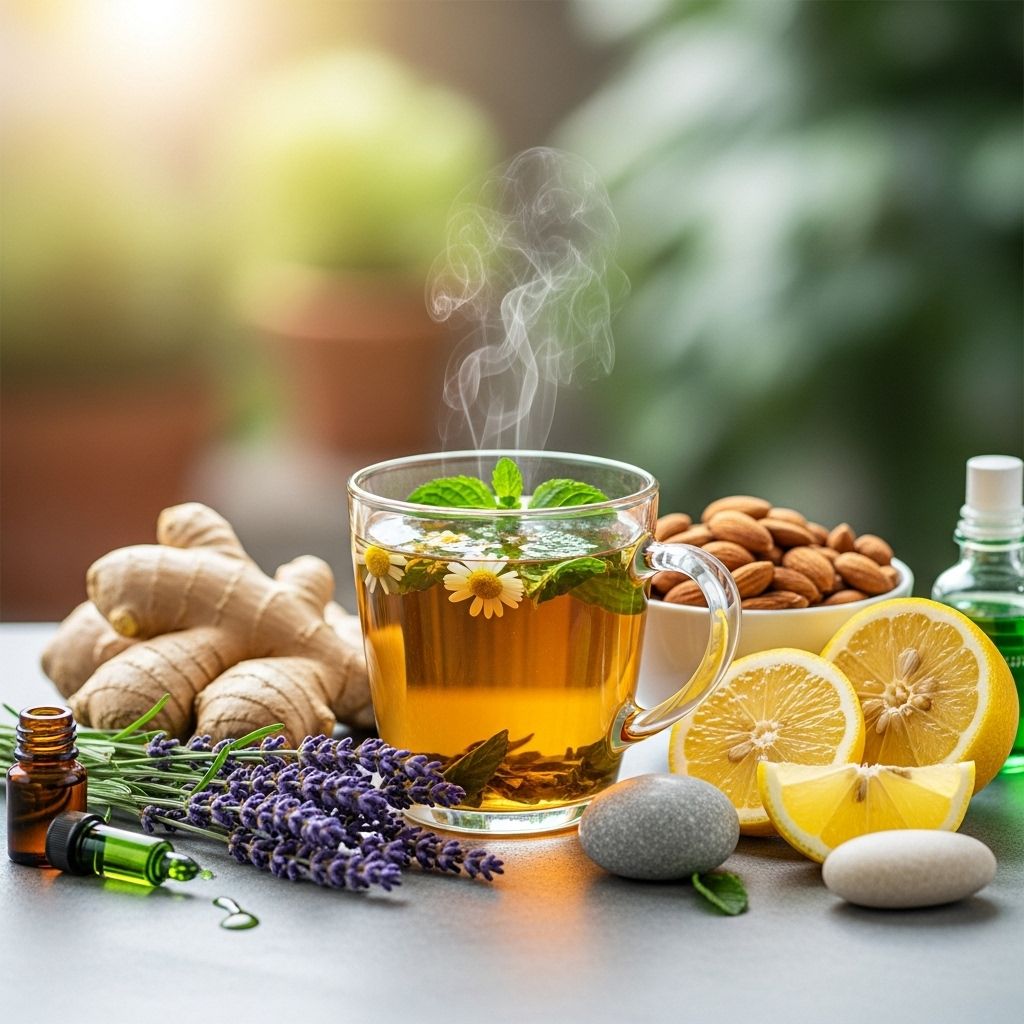
Herbal teas provide both hydration and therapeutic compounds that can alleviate headache symptoms naturally. Chamomile tea is renowned for its calming effects and can reduce stress and anxiety, which are common headache triggers. The anti-inflammatory and antispasmodic properties of chamomile make it particularly effective for tension headaches. Brewing a cup of chamomile tea and sipping it slowly while relaxing can provide both immediate comfort and long-term benefits.
Ginger tea is another powerful option due to ginger’s anti-inflammatory properties that can help reduce headache pain. Ginger also helps with nausea, making it especially beneficial for migraine sufferers who experience digestive symptoms. To make ginger tea, simmer fresh ginger slices in water for about 10 minutes, then add honey or lemon to taste. Peppermint tea offers similar benefits to peppermint oil, with its menthol content helping to relax muscles and improve blood circulation. Feverfew tea, made from a daisy-like flower, contains parthenolide, which helps reduce inflammation and pain by preventing the excessive dilation of blood vessels. Lemon balm tea provides calming effects that can ease tension headaches. Incorporating these herbal teas into your daily routine can serve as both treatment and prevention for headaches.
Mind-Body Techniques for Stress Reduction
Stress is one of the most significant triggers for tension headaches and migraines, making stress management techniques essential for headache prevention. Mind-body therapies help lower stress levels while promoting healthier lifestyle habits that keep headaches at bay. Meditation, which involves sitting comfortably and regulating your breath until you feel relaxed, can significantly reduce tension caused by headaches. Even just 10-15 minutes of daily meditation can lower stress hormones and change your brain’s response to pain.
Progressive muscle relaxation is another effective technique that involves systematically tensing and relaxing different muscle groups throughout your body. Start by sitting comfortably, deepen your breathing, and mentally scan your body for pain points, breathing deeply to loosen troublesome areas. Yoga combines physical postures, breathing exercises, and meditation to address both physical tension and mental stress. Certain yoga poses, particularly those focusing on neck and shoulder stretches, can directly relieve tension headache pain. Deep breathing exercises activate your parasympathetic nervous system, promoting relaxation and reducing pain perception. Try breathing in slowly for a count of four, holding for four, and exhaling for six to trigger your body’s relaxation response. Listening to calming sounds, including music or nature recordings, can also help slow your breathing, promote relaxation, and ease body tension.
Exercise as a Natural Headache Remedy
Regular physical activity serves as both a preventive measure and a treatment for headaches. Exercise helps keep your heart and blood vessels healthy, boosts mood, relieves stress, and helps prevent various ailments including high blood pressure that can contribute to headaches. When performed consistently, moderate aerobic exercise can reduce the frequency, duration, and intensity of headaches while improving overall quality of life.
Aim for at least 30 minutes of moderate-intensity exercise most days of the week. Walking, swimming, cycling, and dancing are excellent low-impact options that provide cardiovascular benefits without placing excessive strain on your body. Yoga and tai chi are particularly beneficial as they combine physical movement with stress reduction and improved body awareness. However, it’s important to note that intense, sudden exercise can sometimes trigger headaches in susceptible individuals, so gradually build up your exercise intensity and duration. Always warm up properly before exercising and cool down afterward. Stay well-hydrated during physical activity, and avoid exercising in extreme heat or cold. If you experience headaches during exercise, consult with a healthcare professional to rule out underlying conditions.
Dietary Modifications and Nutritional Support
What you eat—and when you eat—can significantly impact headache frequency and severity. Skipping meals causes blood sugar levels to drop, which can trigger headaches in many people. Maintaining stable blood sugar by eating regular, balanced meals throughout the day is an important preventive strategy. Adopting a low-inflammation diet rich in whole foods, fruits, vegetables, lean proteins, and healthy fats can reduce overall inflammation that contributes to headache pain.
Certain nutrients have been shown to help prevent and treat headaches. Magnesium deficiency is linked to migraines, and supplementation may reduce headache frequency. Good dietary sources of magnesium include dark leafy greens, nuts, seeds, and whole grains. Vitamin B12 and coenzyme Q10 are also beneficial for some headache sufferers. Omega-3 fatty acids found in fatty fish, flaxseeds, and walnuts have anti-inflammatory properties that may help reduce headache frequency. On the other hand, certain foods commonly trigger headaches in susceptible individuals, including aged cheeses, processed meats containing nitrates, foods with MSG, artificial sweeteners, chocolate, and alcohol, particularly red wine. Keeping a food diary can help you identify your personal triggers so you can avoid them. Consider working with a nutritionist or dietitian to develop an eating plan that supports headache prevention while meeting your overall nutritional needs.
Additional Natural Remedies Worth Trying
Beyond the major remedies discussed, several other natural approaches may provide headache relief. Acupressure involves applying pressure to specific points on your body to relieve pain and promote healing. The LI-4 point, located in the webbing between your thumb and index finger, is particularly effective for headache relief. Butterbur, an herb derived from plants in the genus Petasites, has shown promise in preventing migraines when taken as a supplement. However, only use butterbur products that are labeled “PA-free,” as some forms contain harmful compounds called pyrrolizidine alkaloids.
A warm bath can help you relax and reduce muscle pain contributing to tension headaches. Adding Epsom salts, which contain magnesium absorbed through the skin, may provide additional benefits. Cayenne pepper contains capsaicin, which can inhibit pain perception by depleting Substance P, a neurotransmitter involved in pain signals. Some people find relief by applying diluted cayenne topically to the nasal passages, though this method can cause burning sensations. Eating almonds, which contain salicin (a natural pain-relieving compound similar to aspirin), may help reduce headache pain. Ensuring adequate intake of riboflavin (vitamin B2) has also been associated with reduced migraine frequency in some studies. As with any supplement or alternative therapy, consult your healthcare provider before trying new remedies, especially if you take medications or have underlying health conditions.
Frequently Asked Questions
Q: How quickly do natural remedies work for headaches?
A: The timeframe varies by remedy and individual. Cold therapy and caffeine may provide relief within 15-30 minutes, while hydration, sleep improvements, and dietary changes typically show benefits over several days to weeks of consistent application.
Q: Can I use multiple natural remedies at the same time?
A: Yes, combining complementary remedies often enhances effectiveness. For example, you might apply a cold compress while drinking herbal tea and practicing deep breathing. However, consult your doctor before combining supplements to avoid interactions.
Q: When should I see a doctor instead of relying on natural remedies?
A: Seek medical attention if you experience sudden, severe headaches unlike any you’ve had before, headaches accompanied by fever, confusion, vision changes, difficulty speaking, numbness, or if over-the-counter treatments and natural remedies provide no relief after several weeks.
Q: Are natural remedies safe for pregnant women with headaches?
A: Some natural remedies like hydration, cold compresses, and gentle massage are generally safe during pregnancy, but others including certain herbs, essential oils, and supplements may not be appropriate. Always consult your obstetrician before trying any new remedy during pregnancy.
Q: How can I prevent headaches from occurring in the first place?
A: Prevention strategies include maintaining consistent sleep schedules, staying well-hydrated, eating regular balanced meals, managing stress through relaxation techniques, exercising regularly, identifying and avoiding personal triggers, and maintaining good posture, especially during computer work.
Q: Do natural remedies work for migraines as well as tension headaches?
A: Yes, many natural remedies benefit both headache types, though some are more effective for specific types. Cold therapy and feverfew work particularly well for migraines, while massage and warm baths are especially helpful for tension headaches. Experiment to find what works best for your specific headache type.
Similar Articles







Read full bio of Sneha Tete