11 Natural Home Remedies for Gout Attacks: Effective Relief Strategies
Discover 11 proven natural home remedies that can help manage gout attacks, reduce pain, and promote healthier joints.
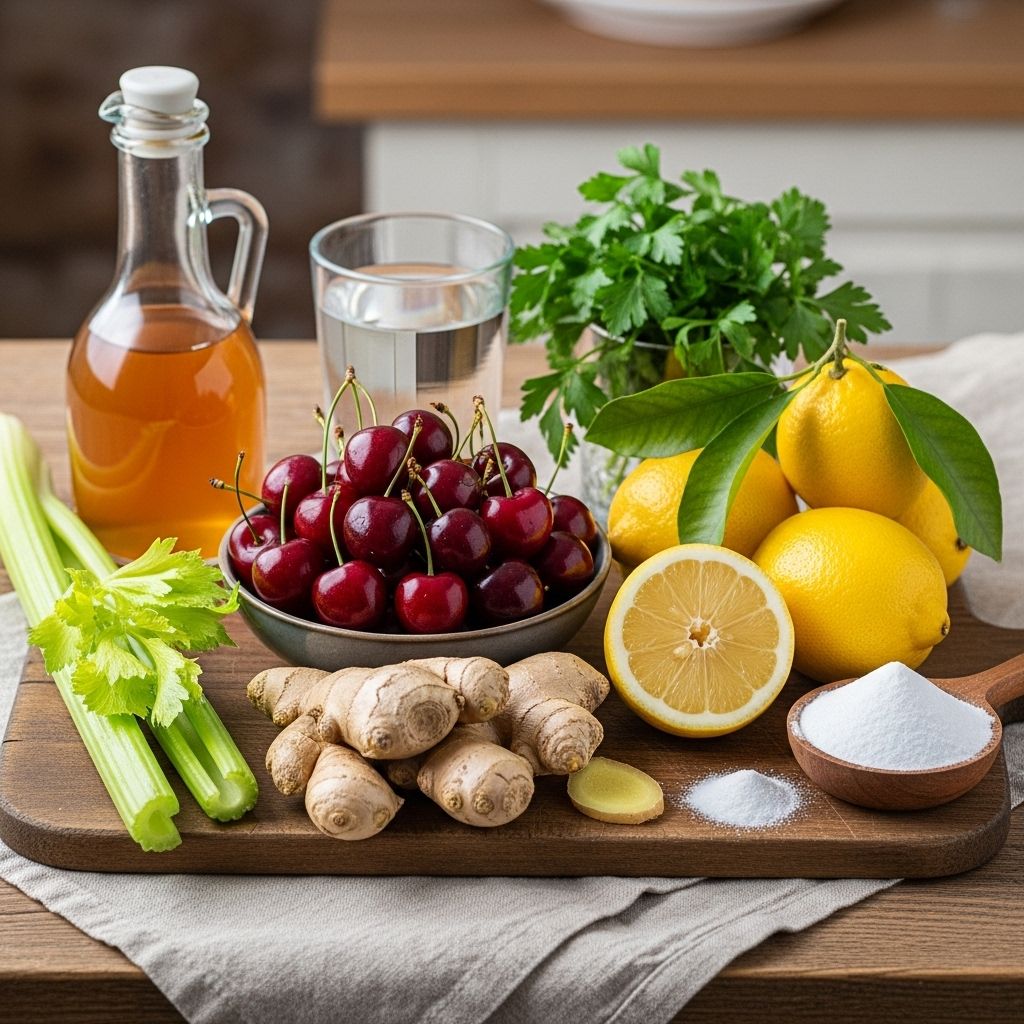
11 Natural Home Remedies for Gout Attacks
Gout is a complex and painful form of arthritis caused by the buildup of uric acid crystals in the joints, often resulting in sudden and severe pain, redness, and swelling. While prescription medications play a crucial role in managing gout, many individuals seek effective natural home remedies to reduce the frequency and severity of gout attacks. This comprehensive guide explores 11 natural remedies, supported by research and traditional wisdom, that you can use at home to support joint health, alleviate discomfort, and manage your gout symptoms.
Table of Contents
- Cherries and Cherry Juice
- Magnesium
- Ginger
- Apple Cider Vinegar, Lemon Juice, and Turmeric
- Celery and Celery Seeds
- Nettle Tea
- Vitamin C Supplements
- Coffee in Moderation
- Fish Oil (Omega-3 Fatty Acids)
- Hydration: Drink Plenty of Water
- Stress Management
- Lifestyle & Dietary Adjustments
- Frequently Asked Questions (FAQs)
1. Cherries and Cherry Juice
Cherries, especially tart or sour varieties, are among the most popular and researched natural remedies for gout relief. These fruits are rich in anthocyanins, powerful antioxidants with anti-inflammatory properties that may help reduce uric acid levels and decrease the frequency of gout attacks.
- Research Evidence: Studies show that consuming three servings of cherries or cherry juice over a two-day period may reduce gout recurrence and associated pain.
- How to Use: Eat a handful of fresh cherries daily, drink unsweetened tart cherry juice, or use a cherry extract supplement as directed.
- Why It Works: Anthocyanins in cherries help lower inflammation and may inhibit enzymes linked to uric acid production.
2. Magnesium
Magnesium is an essential dietary mineral believed to contribute to joint health and inflammatory regulation. Some research suggests that adequate magnesium intake is associated with healthier uric acid levels, although results may vary by individual and gender.
- Potential Benefits: May help lower long-term risk of developing gout or experiencing recurrent attacks by optimizing uric acid metabolism.
- How to Use: Consume magnesium-rich foods such as leafy greens, nuts, seeds, and whole grains, or take a supplement after consulting your healthcare provider.
- Caution: Excessive magnesium can cause diarrhea and interact with certain medications—always follow recommended dosages and consult your doctor.
3. Ginger
Ginger is both a culinary spice and a traditional remedy for inflammatory conditions, including joint pain due to gout. Compounds in ginger have demonstrated anti-inflammatory effects in both topical and dietary applications.
- Research & Use: Studies in animals and small-scale human trials suggest ginger can reduce uric acid and soothe joint inflammation.
- How to Use:
- Topical: Make a compress by boiling 1 tablespoon of grated fresh ginger in water, soaking a cloth, and applying it to the affected joint for 15 60 minutes (test on a small area first).
- Internal: Brew ginger tea by steeping 2 teaspoons of fresh ginger in hot water for 10 minutes and drinking up to 3 cups per day.
- Note: Large amounts of ginger can interact with blood thinners and other medications—discuss with your healthcare provider if you use ginger regularly.
4. Apple Cider Vinegar, Lemon Juice, and Turmeric
This blend is frequently recommended as a home remedy for gout, though scientific evidence primarily supports the uric-acid-lowering effects of lemon juice and turmeric.
- Lemon Juice: Promotes alkalinity and may lower uric acid production.
- Turmeric: Contains curcumin, a potent anti-inflammatory compound shown to help reduce joint pain and inflammation.
- Apple Cider Vinegar: May support kidney function, potentially aiding uric acid excretion, though direct evidence for gout is limited.
- How to Prepare: Mix juice from half a lemon, 2 teaspoons of turmeric, and 1 teaspoon of apple cider vinegar into warm water. Drink two to three times per day as desired.
5. Celery and Celery Seeds
Celery is a longstanding remedy used for urinary and joint issues. While clinical research is limited, celery and its seeds are believed to help reduce gout symptoms due to anti-inflammatory and diuretic effects.
- How to Use: Eat raw celery sticks, drink celery juice, or take celery seed extract as per label instructions.
- Supplements: Only use high-quality supplements and consult your healthcare provider if you have pre-existing kidney problems.
6. Nettle Tea
Stinging nettle (Urtica dioica) has a traditional reputation for alleviating joint pain and inflammation, including pain caused by gout attacks.
- How to Use: Brew with 1 2 teaspoons of dried nettle leaf per cup of boiling water. Steep for 5 10 minutes, then strain and drink up to 3 cups daily.
- Benefits: May reduce inflammation and act as a gentle diuretic, promoting uric acid excretion through urine.
7. Vitamin C Supplements
Vitamin C is an antioxidant known to help reduce uric acid levels in the blood, potentially lowering the risk and severity of gout attacks.
- Evidence: Some studies show vitamin C supplementation is associated with decreased uric acid levels and reduced gout risk.
- Sources: Eat vitamin C-rich foods like oranges, kiwi, strawberries, bell peppers, or use a supplement as recommended.
- Caution: Mega-doses aren’t recommended unless prescribed by a physician, as excess can cause digestive upset or other side effects.
8. Coffee in Moderation
Coffee has been studied for its potential uric acid lowering effects. Research suggests moderate black coffee consumption may help reduce the risk of developing gout in some individuals.
- Note: Benefits appear greatest in those who already tolerate coffee well and do not have contraindications such as pregnancy or gastrointestinal disorders.
- How to Use: Enjoy moderate coffee intake, ideally 1 3 cups daily.
9. Fish Oil (Omega-3 Fatty Acids)
Fish oil is a popular supplement, rich in omega-3 fatty acids known for their anti-inflammatory properties. Omega-3 fatty acids may support joint health and help manage inflammation associated with gout.
- Sources: Fatty fish like salmon, mackerel, and sardines, or high-quality fish oil supplements.
- Caution: Consult your doctor before supplementing if you take blood thinners or have a fish allergy.
10. Hydration: Drink Plenty of Water
One of the simplest, most effective strategies for preventing and managing gout is staying well hydrated. Water helps flush excess uric acid out of the body, supporting kidney health and promoting regular uric acid excretion.
- General Recommendation: Aim for at least 8 16 cups of water daily, unless you have specific medical restrictions such as kidney or heart conditions.
- Additional Options: Clear broths and diluted herbal teas also count toward fluid intake.
- Avoid: Alcohol and sugary sodas, as these may raise uric acid levels and worsen gout episodes.
11. Stress Management
Stress can trigger gout flare-ups by increasing inflammation and disrupting healthy metabolic processes in the body. Implementing stress management techniques is an important yet often overlooked remedy.
- Relaxation: Practice deep breathing, meditation, gentle yoga, or mindfulness to reduce stress during or between attacks.
- Rest: During acute gout attacks, rest the affected joint to decrease pain and swelling. Elevate the joint and use cold compresses (wrapped in a towel) to reduce inflammation when needed.
- Sleep: Ensure adequate, regular sleep to help the body recover and regulate immune function.
Lifestyle and Dietary Adjustments
Beyond home remedies and supplements, implementing healthy lifestyle and dietary choices is vital for gout prevention and management. These measures help reduce uric acid production, support overall health, and lessen the frequency of attacks.
- Limit Purine-Rich Foods: Avoid red meat, organ meats, certain fish (anchovies, sardines), and shellfish, which are high in purines.
- Choose Plant-Based Proteins: Legumes, nuts, and seeds are preferable protein sources.
- Achieve and Maintain a Healthy Weight: Gradual, sustainable weight loss reduces uric acid levels and gout risk.
- Reduce Alcohol: Especially beer and spirits, as they raise uric acid and can trigger gout attacks.
- Monitor Medications: Some prescription and over-the-counter drugs (e.g., diuretics, aspirin) may increase gout risk—always inform your healthcare provider about all medications and supplements.
Quick Comparison Table of Key Natural Remedies
| Remedy | Form | Main Benefit | Frequency/How to Use |
|---|---|---|---|
| Cherries/Cherry Juice | Fruit/Juice/Extract | Anti-inflammatory, lowers uric acid | 3 servings over 2 days |
| Magnesium | Food/Supplement | Regulates uric acid | Daily as directed |
| Ginger | Tea/Compress/Food | Anti-inflammatory | 1 3 cups/day, topical as needed |
| Apple Cider Vinegar, Lemon, Turmeric | Drink | Supports uric acid metabolism | 2 3 times daily |
| Celery/Seeds | Raw/Juice/Supplement | Anti-inflammatory, diuretic | Multiple times per day |
| Nettle Tea | Tea | Reduces pain/inflammation | Up to 3 cups/day |
| Vitamin C | Food/Supplement | Lowers uric acid | Daily within recommended dose |
| Coffee | Beverage | May lower uric acid with regular use | 1 3 cups/day |
| Fish Oil | Food/Supplement | Anti-inflammatory | Daily as recommended |
| Water | Beverage | Flushes uric acid | 8 16 cups/day |
| Rest/Stress Management | Lifestyle | Reduces flare severity | Practice daily as needed |
Frequently Asked Questions (FAQs)
Q1: Can home remedies cure gout completely?
No, home remedies can help manage symptoms, reduce pain, and lower the frequency of attacks, but they do not cure gout fully. Gout is a chronic condition that requires ongoing management, often combining lifestyle changes, natural remedies, and in many cases, prescribed medications.
Q2: How quickly do natural remedies work during a gout attack?
Some remedies, such as cold compresses and hydration, may provide relief within hours, while others, like dietary changes and supplements, provide long-term benefits by gradually reducing uric acid levels and inflammation.
Q3: Are there foods to avoid when managing gout?
Yes. Limit foods high in purines—such as red meats, organ meats, certain fish (anchovies, sardines), and sugary beverages. Reduce alcohol, particularly beer, and cut back on processed foods that spike uric acid levels.
Q4: When should I consult a doctor about my gout?
You should consult a healthcare professional if you experience new or intense joint pain, persistent symptoms, frequent attacks, or if you have other health conditions (such as kidney disease or heart problems) impacting your treatment options. Always seek prompt care for severe swelling, redness, or fever.
Q5: Can natural remedies interact with my medications?
Yes. Some supplements (like fish oil, vitamin C, or herbal teas) can interact with blood thinners, diuretics, or other prescription medications. Always inform your doctor before starting any new supplement or making significant dietary changes.
Final Tips for Managing Gout Naturally
- Focus on a balanced, low-purine diet rich in fruits, vegetables, whole grains, and lean proteins.
- Maintain adequate hydration and healthy weight control.
- Use approved home remedies as support—not a substitute—for medical treatment.
- Monitor your symptoms and uric acid levels regularly, and work with your healthcare provider for ongoing management.
Similar Articles







Read full bio of medha deb