12 Effective Home Remedies for Bee Stings: Fast Relief and Care
Discover safe, proven home remedies to relieve bee sting pain, reduce swelling, and support healing.
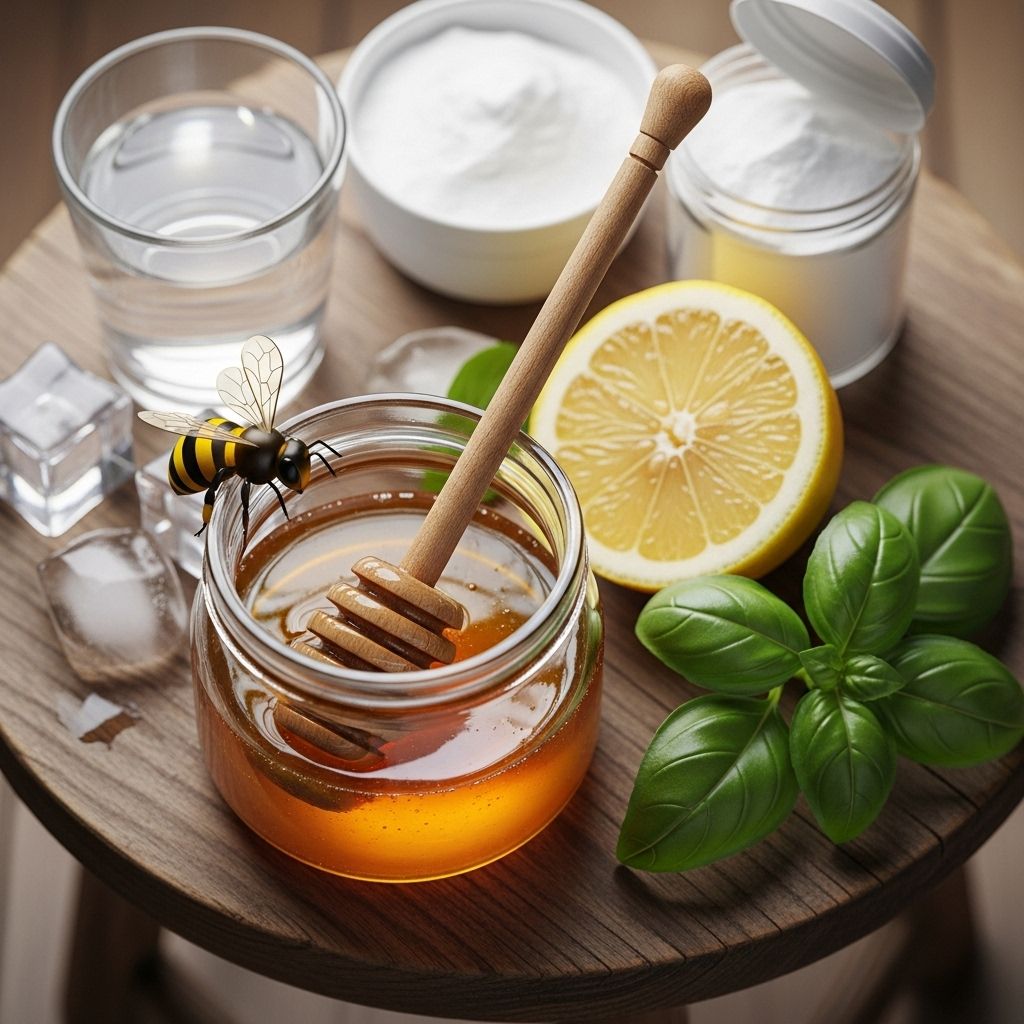
Bee stings are a common outdoor hazard, especially during warmer months when bees are most active. While most stings cause mild symptoms like pain and swelling, quick action and simple home remedies can greatly ease discomfort, reduce inflammation, and help the skin heal. This comprehensive guide covers practical first aid steps for bee stings and 12 proven home remedies, along with frequently asked questions to ensure safe, speedy recovery.
Understanding Bee Stings: Symptoms and Immediate Actions
If you are stung by a bee, it’s normal to experience sharp pain, redness, swelling, and local itching at the site. These reactions are usually mild and short-lived, but it’s crucial to act quickly:
- Remove the stinger immediately: Use your fingernail, a credit card edge, or the blunt blade of a knife. Avoid tweezers, as squeezing can inject more venom.
- Wash the area: Gently clean with soap and water to prevent infection.
- Apply ice: Cold constricts blood vessels, reducing pain and swelling.
- Monitor for allergies: If symptoms include hives, trouble breathing, dizziness, or swelling of lips/tongue, seek emergency care.
12 Home Remedies for Bee Stings
After basic first aid, consider these 12 scientifically-supported and traditionally trusted remedies for bee sting relief. Always test a small area first, and discontinue use if irritation worsens.
1. Ice or Cold Compress
Applying ice is among the most recommended first steps. Wrap an ice cube or cold pack in a thin cloth and place on the sting site for 10 to 20 minutes. Cold constricts vessels, slows venom spread, and numbs nerves, effectively reducing pain and swelling. Repeat as needed throughout the day.
Tip: Never apply ice directly to skin to avoid frostbite.
2. Baking Soda Paste
Baking soda can help neutralize bee venom due to its alkaline nature. To use:
- Mix baking soda with a few drops of water to create a thick paste.
- Gently spread over the sting area.
- Cover with a bandage or gauze and let sit for 10 to 15 minutes.
- Rinse off with cool water. Reapply up to 3 times daily as needed.
3. Honey
Honey offers both antimicrobial and anti-inflammatory benefits. Medical studies confirm that medical-grade honey (such as Manuka) helps soothe the skin, reduce swelling, and may lower infection risk. To use honey:
- Apply a small amount (household or medical-grade) directly to the sting.
- Cover loosely with a bandage or gauze.
- Leave in place for up to one hour before rinsing off.
4. Toothpaste
Many claim that alkaline toothpaste—especially minty types—helps neutralize acidic bee venom and offers a cooling, numbing sensation. Although not scientifically proven, toothpaste is safe and easy to try:
- Apply a small dab of white toothpaste on the sting (gel types are less effective).
- Let dry for 10-15 minutes, then gently rinse off.
- Reapply every few hours for continued relief.
5. Apple Cider Vinegar
Apple cider vinegar is traditionally used for bee stings because it may help dissolve venom, decrease swelling, and offer antibacterial protection. To use:
- Prepare a shallow bowl of diluted vinegar (1 part vinegar, 1 part water).
- Soak the affected area for 10-15 minutes.
- Alternatively, soak a cloth or cotton ball and apply to the sting for several minutes.
Discontinue if stinging or irritation increases.
6. Meat Tenderizer Paste
Unflavored meat tenderizer contains papain, an enzyme that helps break down the proteins in bee venom, alleviating pain and reducing inflammation.
- Mix one part meat tenderizer powder with four parts water to make a paste.
- Apply to the sting and let sit for up to 20 minutes.
- Rinse thoroughly and repeat only once or twice, as some people may experience skin irritation.
7. Aloe Vera Gel
Aloe vera has strong soothing and anti-inflammatory qualities. Use pure gel from the plant or commercial 100% aloe for best effects:
- Apply a generous layer of aloe directly to the sting.
- Let air dry, reapplying several times a day as needed.
Aloe vera is especially helpful if the sting area is itchy or inflamed.
8. Calamine Lotion
Calamine lotion helps control itchiness, dryness, and irritation. Over-the-counter calamine formulations with or without analgesics offer temporary relief. To use:
- Apply a thin layer of calamine to the sting site.
- Allow to fully dry before covering with clothing or a bandage.
- Repeat as symptoms return.
9. Hydrocortisone Cream
An over-the-counter 1% hydrocortisone cream can effectively reduce inflammation, swelling, and itching after a bee sting. For best results:
- Apply a small amount to the sting area, up to four times daily.
- Each application helps keep discomfort at bay for several hours.
Do not use on children under 2 years without medical advice or on broken skin.
10. Antihistamines
Antihistamine creams or oral tablets help reduce allergic reactions involving swelling and itch. Apply or take according to package instructions. Popular options include:
- Topical creams containing diphenhydramine.
- Oral non-drowsy options like loratadine (Claritin) or cetirizine (Zyrtec).
Always follow dosing instructions and consult a doctor for children or those with health conditions.
11. Witch Hazel
Witch hazel is a natural astringent widely known to relieve itching, decrease swelling, and protect the skin barrier. To use:
- Soak a cotton ball or pad in liquid witch hazel.
- Dab gently over the sting area.
- Repeat as desired throughout the day.
12. Over-the-Counter Pain Relievers
If discomfort remains, pain relievers such as ibuprofen or acetaminophen can help. Elevate the affected limb if the sting is on an arm or leg to minimize swelling. Only use as directed.
When to Seek Medical Help
- Swelling spreads rapidly or involves the face, lips, or throat.
- Difficulty breathing, chest pain, or feeling faint develops.
- Multiple stings or known bee sting allergy.
- Signs of infection such as pus, warmth, or increasing redness appear.
Tips for Preventing Bee Stings
- Avoid wearing bright colors and floral prints outdoors.
- Do not walk barefoot in grassy areas.
- Cover food and sweet drinks when eating outside.
- Stay calm if a bee approaches—avoid swatting, which can provoke stinging.
- Keep windows and doors closed or use screens, especially during peak bee activity.
Comparing Home Remedies for Bee Stings
| Remedy | Key Benefit | How to Apply |
|---|---|---|
| Ice | Reduces pain & swelling | Apply wrapped for 10-20 min |
| Baking Soda | Neutralizes venom | Paste for 10-15 min |
| Honey | Soothes & antimicrobial | Apply, leave for 15-60 min |
| Toothpaste | Cooling, potentially neutralizes | Apply for 10-15 min |
| Meat Tenderizer | Breaks down venom proteins | Paste, once for 20 min |
| Aloe Vera | Soothes itch & inflammation | Apply gel, up to 3x daily |
| Calamine Lotion | Reduces itch & dryness | Apply thin layer as needed |
| Hydrocortisone Cream | Decreases inflammation | Apply, up to 4x daily |
| Antihistamines | Blocks allergic symptoms | Oral or topical as directed |
| Witch Hazel | Natural astringent/soother | Dab with pad multiple times daily |
| Apple Cider Vinegar | Dissolves venom, antiseptic | Soak area for 10-15 min |
| Pain Relievers | Reduces lingering pain | Take as directed |
Frequently Asked Questions (FAQs)
Q: What is the best first aid after a bee sting?
A: Remove the stinger right away by scraping with a fingernail, clean the area with soap and water, and apply ice. This reduces venom absorption, swelling, and the risk of infection.
Q: Which home remedy works fastest?
A: Ice provides the quickest relief from pain and swelling. For itching, immediate application of calamine lotion or hydrocortisone cream is highly effective.
Q: Can I use the same remedies on wasp stings?
A: Some remedies, like calamine, hydrocortisone, and ice, work for both bee and wasp stings. However, toothpaste and meat tenderizer are believed to be more useful for bee stings, as the venom composition differs.
Q: How many times can I reapply these remedies?
A: Most can be reapplied every few hours, depending on symptom severity. Always wash the site before reapplying and discontinue if skin irritation develops.
Q: When should I call a doctor?
A: Seek immediate medical attention if you have difficulty breathing, swelling in the face, tongue, or throat, feel dizzy, or are stung multiple times. These are signs of a severe allergic reaction (anaphylaxis) and require urgent care.
Bee Sting Myths and Misconceptions
- Myth: Using tweezers is the best way to remove a stinger.
Fact: Tweezers may squeeze more venom into the skin. Scraping is safer. - Myth: Home remedies like toothpaste are always scientifically proven.
Fact: Some remedies lack clinical studies but are widely used without harm—proceed with caution. - Myth: A single sting is always harmless.
Fact: Some people develop delayed allergic reactions. Monitor symptoms for at least 24 hours.
Summary
Bee stings are painful but usually minor injuries that respond well to fast first aid and several home remedies. Key takeaways include prompt stinger removal, keeping the wound clean, reducing swelling with ice, and using supportive remedies like honey, calamine, or aloe vera for comfort. Always seek medical help if allergic symptoms arise or if pain and swelling worsen unexpectedly. With these remedies and safety tips, you can enjoy the outdoors with greater peace of mind.
Similar Articles







Read full bio of Sneha Tete