12 Effective Home Remedies for Soothing Stomach Pain
Soothe your stomach discomfort naturally with these twelve proven home remedies backed by tradition and science.
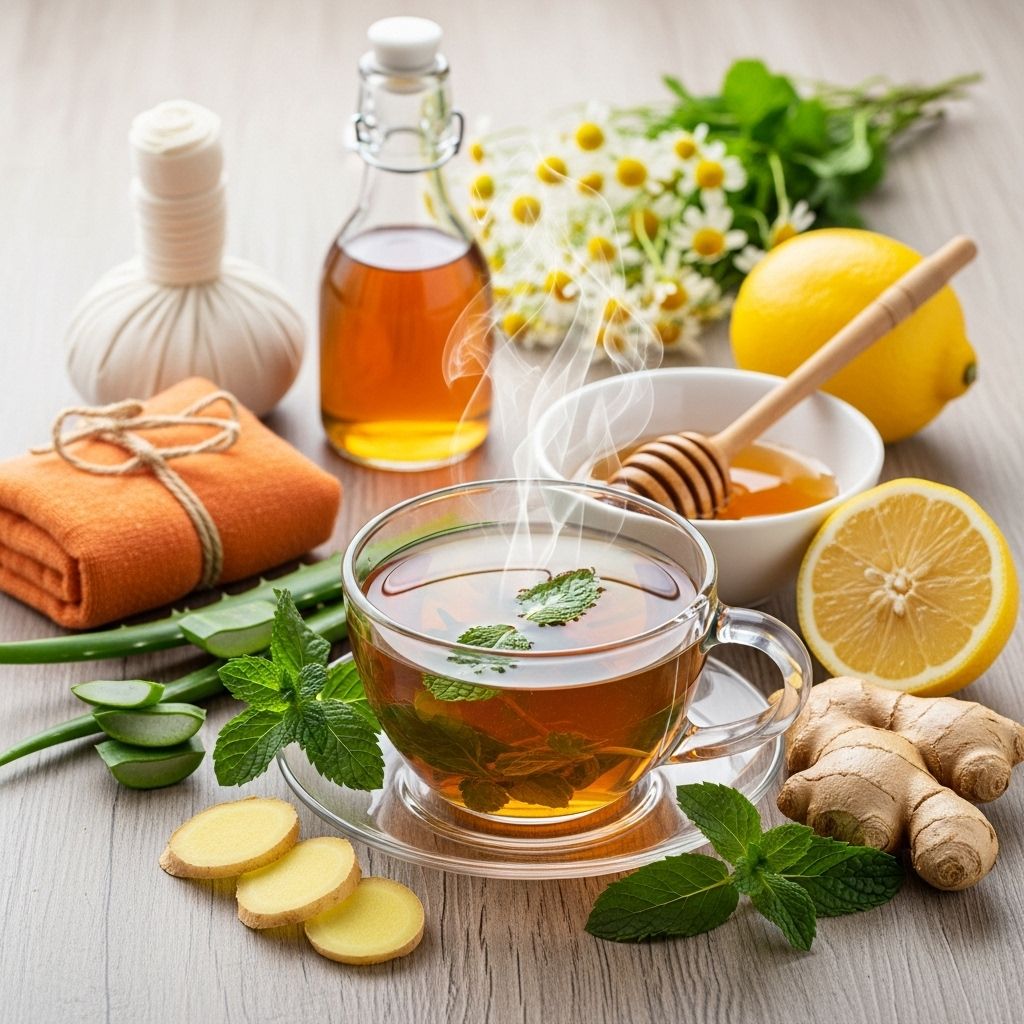
Stomach pain is a common discomfort that can arise from a variety of causes, including indigestion, gas, infection, overeating, or stress. While severe or persistent pain warrants medical attention, many cases of mild or moderate discomfort can be improved with safe and natural remedies at home. Here we present twelve time-tested home remedies for stomach pain, their benefits, recommended usage methods, and important safety notes.
Understanding Stomach Pain: Common Causes
Before trying any remedy, it’s important to understand common triggers for abdominal discomfort, including:
- Indigestion or over-eating
- Gastric reflux or heartburn
- Bloating and gas
- Viral or bacterial infection
- Food intolerance or mild food poisoning
- Constipation or diarrhea
While the remedies below are helpful for mild, non-severe pain, seek immediate medical attention if you experience severe pain, persistent symptoms, high fever, blood in stool/vomit, or dehydration.
1. Stay Hydrated with Water
Proper hydration is the foundation of digestive health and recovery during stomach upset. Water helps:
- Keep the digestive tract lubricated
- Prevent dehydration during episodes of diarrhea or vomiting
- Support movement of food and toxins through the system
Drink small, frequent sips of clear water throughout the day, especially after any loss of fluids. Avoid caffeinated, carbonated, or sugary drinks when your stomach is sensitive.
2. Apply Gentle Heat Therapy
Applying warmth to your abdomen can relax muscle tension, reduce cramps, and improve blood flow. Methods include:
- A warm water bottle placed over the stomach for 10-15 minutes
- Heated wheat bag or a heating pad set on low
- Soaking in a warm bath (avoid overheating or burns)
Do not place heat directly on bare skin, and monitor the temperature to prevent scalding, especially in children and the elderly.
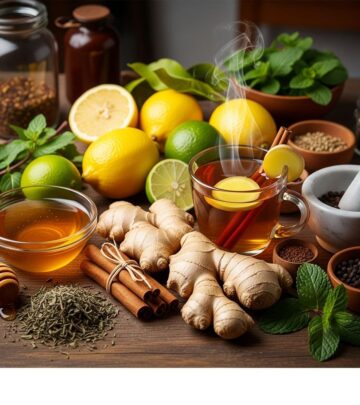
3. Ginger: Nature’s Digestive Aid
Ginger has been used in traditional medicine for thousands of years to treat nausea, indigestion, and spasms. Modern research confirms ginger’s anti-inflammatory and antispasmodic properties. It can:
- Reduce nausea and vomiting
- Alleviate pain from indigestion or gas
- Stimulate saliva and bile production for better digestion
Popular preparations include:
- Fresh ginger tea: simmer sliced ginger root in water for 10–15 minutes
- Ginger powder or capsules
- Ginger candy or lozenges
Avoid very high doses in individuals with bleeding disorders or who are pregnant without consulting a healthcare provider.
4. Chamomile Tea: The Calming Herbal Solution
Chamomile is celebrated for its calming properties on both the nervous and digestive systems. As a home remedy, chamomile can:
- Relax smooth muscle in the intestinal wall
- Reduce pain due to spasms, cramping, or gas
- Promote restful sleep and stress relief
Brewing strong chamomile tea or using cold infusions can help soothe sensitive stomachs. A compress made from cooled tea applied to the abdomen offers external relief.
5. Peppermint: Soothing Cramps Naturally
The menthol in peppermint leaves acts as a natural smooth muscle relaxant, making it ideal for relieving cramps, bloating, and discomfort. Benefits include:
- Reduction of abdominal spasms
- Improved bile flow for digestion
- Cooling, refreshing taste
Effective application methods:
- Peppermint tea: steep fresh or dried leaves in hot water
- Chewing fresh peppermint leaves or sugar-free mint gum
- Peppermint oil capsules (enteric-coated to prevent heartburn)
- Diluted peppermint oil massage on the abdomen (not for infants or young children)
6. Dietary Adjustments: Follow the BRAT Diet
After vomiting or diarrhea, the digestive tract may be sensitive. The BRAT diet (Bananas, Rice, Applesauce, Toast) is a time-honored approach for easing symptoms, as these foods are:
- Low in fiber and gentle on the gut
- Binding, which can reduce diarrhea
- Non-irritating and unlikely to cause nausea
Gradually reintroduce other foods as symptoms improve. Avoid fats, spicy foods, caffeine, and alcohol during recovery.
7. Apple Cider Vinegar: Acidic but Alkalizing
Raw, unfiltered apple cider vinegar is believed to balance stomach acidity and improve digestion. It may be particularly helpful when indigestion is due to low stomach acid. Methods of use:
- Mix 1-2 teaspoons in a glass of water, optionally flavored with honey
- Drink before meals or at the onset of symptoms
This remedy is not suitable for individuals with gastritis, ulcers, or a known sensitivity to vinegar. Always dilute vinegar before consumption.
8. Fennel Seeds: Relief for Gas and Bloating
Fennel seeds contain compounds that relax the smooth muscle of the digestive tract and reduce gas formation. Fennel can:
- Alleviate bloating and fullness
- Promote passage of excess gas
- Freshen breath after meals
Chew a small teaspoon of fennel seeds after meals, or brew fennel tea for fast-acting comfort.
9. Baking Soda: A Quick Antacid
Baking soda (sodium bicarbonate) can help neutralize excess stomach acid and provide temporary relief from heartburn or acid indigestion. To use:
- Mix ½ teaspoon of baking soda in a glass of warm water
- Drink slowly when experiencing discomfort
This method should be used sparingly and not for those with hypertension, heart, or kidney issues, as it increases sodium intake.
10. Yogurt and Probiotics: Gut-Friendly Bacteria
Probiotic-rich foods like yogurt can help restore healthy gut flora, especially after a bout of diarrhea or antibiotic use. Benefits include:
- Improved digestion and nutrient absorption
- Reduced gas and bloating
- Support for the immune system
Choose live-culture yogurts with no added sugar, or try probiotic supplements if advised by your doctor.
11. Practice Gentle Movement and Relaxation
Gentle physical activity can aid digestion and ease discomfort by stimulating bowel motility. Consider:
- Short walks after meals
- Gentle yoga poses focused on abdominal relaxation
- Deep breathing exercises to reduce stress and tension
Avoid strenuous exercise or core-heavy activity when feeling severe discomfort; focus on movements that do not exacerbate pain.
12. Avoiding Triggers and Maintaining Healthy Habits
Eliminate factors that often worsen stomach pain. This includes:
- Overeating or rapid eating
- Highly processed, fatty, spicy, and acidic foods
- Carbonated, caffeinated, or alcoholic beverages
- Smoking or use of tobacco products
- Lying down immediately after eating
A balanced, regular diet paired with mindful eating habits reduces the likelihood of future episodes.
When to See a Doctor
While home remedies work for mild symptoms, immediate medical attention is needed if you experience:
- Severe, persistent, or worsening pain
- Pain with fever, vomiting, or blood in stool/vomit
- Sudden, sharp pain or pain following trauma
- Signs of dehydration, such as dry mouth, scant urination, dizziness
Table: Quick Guide to 12 Home Remedies for Stomach Pain
| Remedy | Key Benefit | Recommended Use |
|---|---|---|
| Hydration (Water) | Prevents dehydration, supports digestion | Frequent small sips |
| Heat Therapy | Relaxes muscles, eases cramps | Warm compress/heating pad for 10-15 minutes |
| Ginger | Reduces nausea, relieves indigestion | Fresh tea, capsules, candy |
| Chamomile Tea | Calms spasms, soothes nerves | Strong herbal tea before bed |
| Peppermint | Soothes cramps, treats bloating | Tea, capsules, abdominal massage |
| BRAT Diet | Gentle nutrition post-vomiting/diarrhea | Bananas, rice, applesauce, toast |
| Apple Cider Vinegar | May aid stomach acidity, supports digestion | 1-2 tsp in water (diluted) |
| Fennel Seeds | Relieves indigestion, gas, and bloating | Chew seeds or brew tea |
| Baking Soda | Temporary antacid effect | 1/2 tsp in water as needed |
| Yogurt/Probiotics | Restores healthy gut flora | Plain yogurt or supplements |
| Gentle Movement | Aids digestion, relieves tension | Short walks, gentle yoga, breathing |
| Healthy Habits | Prevents recurrence | Identify and avoid triggers |
Frequently Asked Questions (FAQs)
Q1: Are these remedies safe for children?
Many of the above remedies, such as hydration and the BRAT diet, can be used cautiously in children. Avoid use of undiluted essential oils, apple cider vinegar, and herbal supplements without pediatric guidance. Always consult a paediatrician if a child has severe, ongoing, or unusual stomach pain.
Q2: How long should I try home remedies before seeing a doctor?
If symptoms are mild, try remedies for 24–48 hours. If there is no improvement, or if symptoms worsen, seek medical advice. Immediate attention is necessary for severe, persistent, or sudden pain, or signs of systemic illness.
Q3: What lifestyle changes help reduce stomach pain recurrence?
Eating small, frequent meals, staying hydrated, managing stress, regular exercise, and identifying personal triggers (such as dairy, gluten, or spicy foods) can all help reduce repeat episodes of stomach discomfort.
Q4: Are there any ingredients I should avoid with a sensitive stomach?
Yes. Minimize fatty, fried, processed, spicy, carbonated, and caffeinated foods, as well as alcohol and tobacco. Monitor for personal food intolerances (such as lactose or gluten).
Q5: Can herbal teas (like chamomile and peppermint) interact with medications?
Yes, certain herbs can interact with blood thinners, antacids, and other medications. It is advisable to consult a healthcare provider if you take regular medications or have underlying health conditions.
Similar Articles






Read full bio of medha deb