13 Effective Home Remedies to Soothe and Heal Strep Throat
Discover natural, evidence-backed remedies to ease strep throat symptoms and support a swift recovery while complementing conventional care.
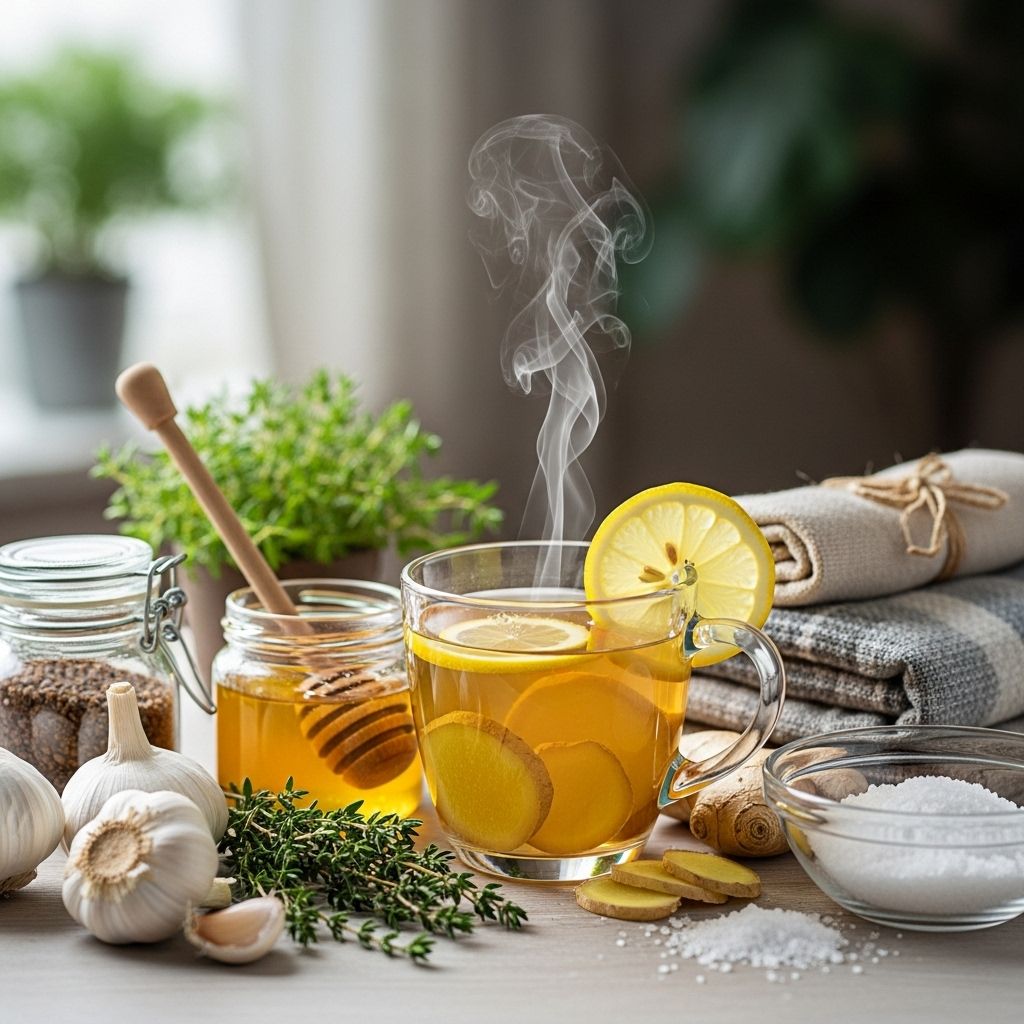
Strep throat is an uncomfortable and sometimes debilitating bacterial infection caused by Streptococcus pyogenes. While antibiotics are essential in eliminating the infection and preventing serious complications, a range of home remedies can help ease discomfort, promote healing, and support your recovery. Here, we explore 13 trusted remedies to help you naturally manage the symptoms of strep throat.
Understanding Strep Throat: Symptoms and Essentials
Strep throat occurs when certain strains of streptococcus bacteria infect the throat and tonsils. Common symptoms include:
- Sudden sore throat
- Painful swallowing
- Red, inflamed tonsils (sometimes with white patches)
- Fever and chills
- Headache and body aches
- Swollen lymph nodes
- Lack of cough (helps distinguish from viral sore throat)
Medical treatment with antibiotics is necessary to halt the infection and reduce the risk of complications like rheumatic fever. However, combining professional care with practical home remedies can speed relief and make recovery more comfortable.
1. Gargling with Warm Salt Water
Why it works: Gargling saltwater remains one of the simplest and most effective ways to ease throat pain and reduce inflammation. Salt helps draw out excess moisture from inflamed tissues, promoting healing and temporarily reducing the concentration of bacteria in your throat.
How to use it: Stir 1/4 to 1/2 teaspoon of salt into 8 ounces of warm water. Gargle for 30 seconds, then spit it out. Repeat several times a day, especially after meals.
2. Honey: Nature’s Soothing Nectar
Honey is a well-studied natural remedy with antibacterial, anti-inflammatory, and soothing properties. It can coat the throat, ease pain, and may help reduce coughing.
How to use it: Mix 1-2 tablespoons of raw honey into warm (not hot) herbal tea or warm water and sip slowly for comfort. Avoid giving honey to children under one year old.
3. Herbal Teas for Comfort and Hydration
- Chamomile: Known for its anti-inflammatory and calming properties.
- Peppermint: Contains menthol, which may help numb throat pain and open nasal passages.
- Ginger: Acts as a natural anti-inflammatory and can ease throat discomfort.
Steeping these herbs in hot water and sipping them while warm can relieve pain, keep you hydrated, and promote rest.
4. Stay Hydrated: Drink Plenty of Fluids
Consuming fluids prevents dehydration, keeps the throat moist, and helps flush toxins from your system. Water, warm teas, broths, and diluted juices are best. Avoid caffeine and alcohol, which can be dehydrating.
5. Eating Soft, Gentle Foods
Strep throat can make swallowing challenging. Choose foods that are soft, easy to swallow, and non-irritating, such as:
- Warm soups and broths
- Mashed potatoes
- Yogurt
- Oatmeal
- Applesauce
- Scrambled eggs
Cold foods like ice cream or frozen pops may also help numb your throat temporarily and offer comfort.
6. Lemon and Honey Blend
Lemon is high in vitamin C, which boosts the immune system, and its acidity can help break up mucus. Combining lemon and honey creates a soothing drink that calms the throat and provides an added immune boost.
How to use it: Mix the juice of half a lemon and one tablespoon of honey into a cup of warm water. Sip as needed up to several times a day.
7. Apple Cider Vinegar Gargle or Drink
Apple cider vinegar (ACV) has natural antibacterial properties which, used properly, may help reduce throat bacteria and ease symptoms.
How to use it: Mix 1 tablespoon ACV in a glass of warm water. Gargle for 30 seconds, then spit. Alternatively, drinking a diluted mixture (1 tablespoon in 8 ounces water) can also support healing. Do not use undiluted vinegar, as it can irritate the mouth and throat.
8. Rest: Give Your Immune System Time to Heal
Your body requires ample rest when fighting off a bacterial infection. Sleep and relaxation support immune defenses, leading to a faster and more effective recovery. Stay home from work or school until you have been on antibiotics for at least 24 hours and are fever-free.
9. Use a Humidifier or Steam Inhalation
Dry indoor air can worsen throat irritation. Running a cool-mist humidifier in your bedroom or inhaling steam (from a bowl of hot water or a steamy shower) keeps your throat moist and soothes inflamed tissues.
Tip: Keep humidifiers clean and free of mold and bacteria by cleaning them regularly.
10. Warm Compresses for Neck Pain
If swollen lymph nodes or muscle aches make your neck painful, consider applying a warm, damp cloth or heating pad to the outside of your throat. This can increase local circulation, relax muscles, and provide soothing relief.
11. Avoid Irritants
Do your best to steer clear of substances that can further aggravate an already sensitive throat. Avoid:
- Cigarette smoke (including secondhand smoke)
- Harsh cleaning chemicals
- Heavy perfumes or fragrances
- Dusty or polluted environments
Keep indoor air clean and well-ventilated whenever possible.
12. Try Herbal Supplements (With Caution)
Certain herbs show promise in soothing sore throats. These may include:
- Marshmallow Root: Contains mucilage, a compound that coats and soothes sore tissue.
- Slippery Elm: Produces a gel-like substance that can temporarily shield the throat lining.
- Elderberry: Can support immune response and help reduce cold and flu symptoms.
Always consult your healthcare provider before starting any new herbal supplements, especially if you’re on medication or have allergies.
13. Lozenges and Throat Sprays
Throat lozenges that contain menthol or herbal extracts can help numb throat pain, increase saliva production, and ease swallowing. Use only as directed, and never give lozenges to young children due to choking risk.
When to See a Doctor
- Symptoms persist for more than 48 hours without improvement
- Severe pain, difficulty breathing, or swallowing
- High fever over 101°F (38.3°C)
- Rash or joint pain
Antibiotic therapy is critical to treating strep throat, preventing complications, and reducing contagion. Always complete your prescribed course, even if symptoms improve.
Additional Tips for Faster Recovery
- Wash your hands frequently to prevent the spread of germs.
- Change your toothbrush after finishing antibiotics to reduce reinfection risk.
- Avoid sharing utensils, drinks, or towels with others during illness.
- Disinfect high-contact surfaces (doorknobs, phones, remotes) regularly.
Frequently Asked Questions (FAQs)
Q: Can strep throat go away on its own without antibiotics?
A: While symptoms may sometimes subside, antibiotics are essential to fully eradicate the bacteria, prevent complications, and stop contagion. Untreated strep can lead to rheumatic fever or kidney inflammation.
Q: Are home remedies enough to cure strep throat?
A: Home remedies help manage symptoms, but antibiotics are the only proven way to eliminate the strep bacteria. Always consult your doctor for proper diagnosis and treatment.
Q: How contagious is strep throat?
A: Strep throat spreads easily through respiratory droplets. People are most contagious until they’ve taken antibiotics for at least 24 hours and are fever-free.
Q: Are there foods or drinks I should avoid?
A: Yes. Avoid spicy, acidic, or coarse foods (such as citrus, chips, or crackers) that can further irritate the throat. Limit very hot beverages.
Q: Can children use these remedies?
A: Most remedies are safe for children, except honey (do not give to children under 1 year old) and throat lozenges (choking risk for small children). Always discuss new treatments with your pediatrician.
Summary Table: Home Remedies for Strep Throat
| Remedy | Main Benefit | How to Use |
|---|---|---|
| Saltwater Gargle | Reduces pain and bacteria | Gargle 1/4 tsp salt in 8 oz warm water, several times daily |
| Honey | Soothes, reduces coughing | Mix into tea or take by spoonful |
| Herbal Teas | Reduces inflammation, keeps hydrated | Sip chamomile, ginger, or peppermint tea warm |
| Hydration | Prevents dryness, aids healing | Drink water, broths, non-acidic juices |
| Soft Foods | Ease swallowing | Choose soups, yogurt, applesauce, mashed potatoes |
| Lemon-Honey Drink | Boosts immunity, soothes pain | Mix honey and lemon in warm water |
| Apple Cider Vinegar | Antibacterial, reduces pain | Gargle diluted or drink mixture |
| Rest | Accelerates healing | Sleep and limit activity |
| Humidifier/Steam | Moisturizes, soothes tissue | Use humidifier or inhale steam daily |
| Warm Compress | Reduces neck swelling/pain | Apply warm cloth to neck as needed |
| Avoid Irritants | Prevents further throat damage | No smoke, harsh chemicals, or perfumes |
| Herbal Supplements | Soothes throat, may aid immunity | Consult doctor, use as directed |
| Lozenges/Sprays | Numbs throat, eases swallowing | Use OTC as needed, not for young kids |
Final Advice
Strep throat can be managed successfully by pairing prescribed antibiotics with smart home remedies that relieve symptoms and support wellness. Follow your physician’s advice, rest, hydrate, and try these gentle remedies to get back to feeling your best as quickly as possible.
Similar Articles







Read full bio of Sneha Tete