14 Immediate Natural Remedies for Swollen Lymph Nodes
Discover natural remedies and self-care strategies to rapidly relieve swollen lymph nodes and promote faster recovery.
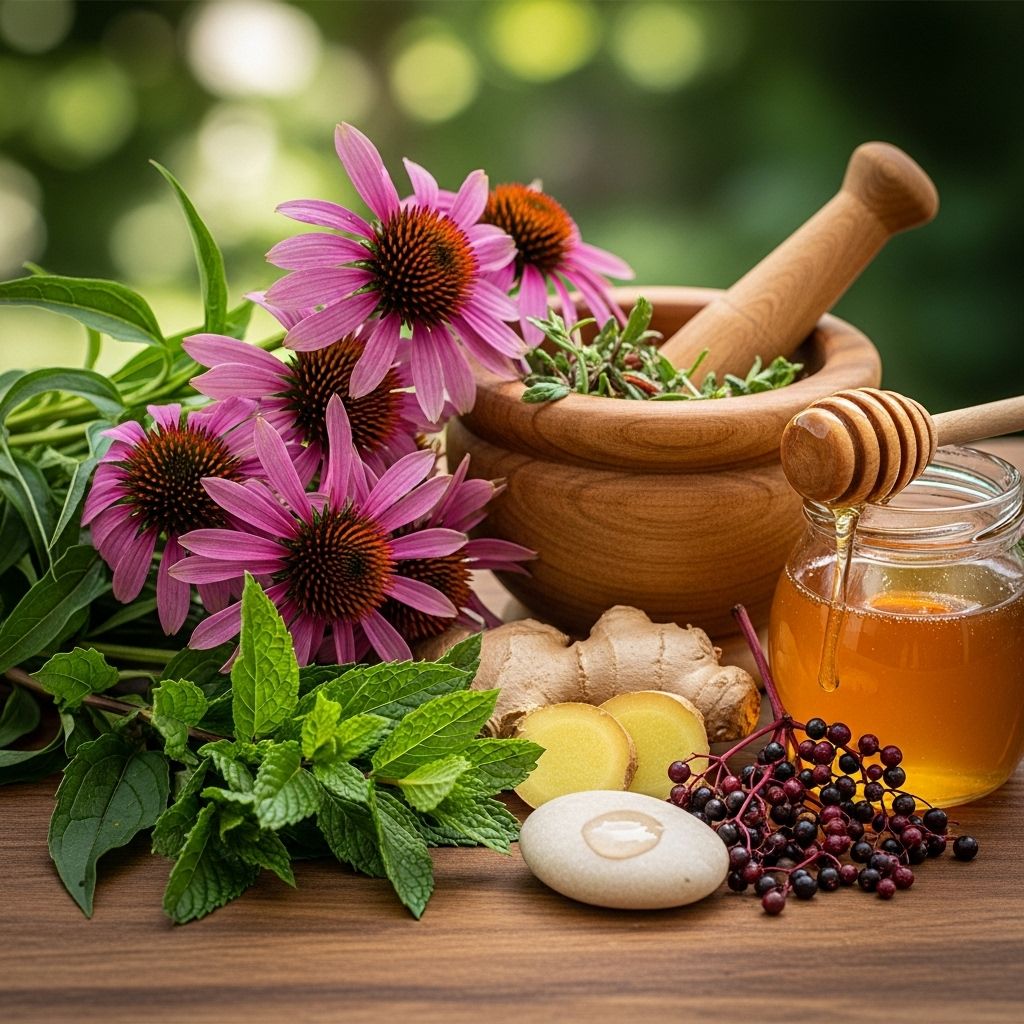
Swollen lymph nodes, often noticeable as tender lumps in the neck, armpits, or groin, signal your body’s immune response to infection or inflammation. While medical evaluation is crucial for persistent or concerning symptoms, a variety of natural remedies can provide immediate relief and support your body’s healing process. This comprehensive guide details 14 effective ways to soothe swollen lymph nodes and encourage recovery using readily available natural ingredients and simple self-care methods.
Understanding Swollen Lymph Nodes
Lymph nodes are small, bean-shaped glands spread throughout your body, functioning as critical filters that trap viruses, bacteria, and other harmful substances. Swelling typically occurs in response to local or systemic infections, such as a sore throat, cold, flu, or dental issues. Though most cases resolve on their own, discomfort and swelling can persist for weeks, motivating natural approaches to speed the healing process.
Home Management: The Basics
- Rest: Give your body ample time to recover.
Adequate sleep and reduced physical activity support your immune system. - Hydration: Drink plenty of water throughout the day.
Fluids help flush out toxins and keep tissues hydrated. - Warm, Moist Compresses: Apply a warm, wet cloth to the swollen area.
This can relieve pain and promote local circulation. - OTC Pain Relief: Use acetaminophen or ibuprofen if needed for pain.
Always follow dosing instructions and consult a healthcare provider if uncertain.
14 Natural Remedies for Swollen Lymph Nodes
In addition to rest and hydration, you can try these natural, immediate remedies for faster symptom relief. Individual responses vary, and most remedies have limited scientific backing, but they are widely used in traditional and home medicine.
1. Chili Pepper (Cayenne Pepper)
Cayenne pepper contains capsaicin, a compound that stimulates circulation and may help reduce swelling by encouraging lymphatic drainage.
- Add a small amount to soups, stews, or teas to gently boost circulation.
- Prepare a warm drink with cayenne, honey, and water. Sip slowly up to two times daily.
- If spicy foods are not tolerated, a milder concentration may still provide benefits.
2. Cinnamon and Basil
Both cinnamon and basil are known for their anti-inflammatory and antimicrobial properties. Combining them creates a soothing, aromatic tea.
- Boil 3 cups of water and add 2 teaspoons each of dried basil and cinnamon.
- Simmer for 15 minutes, strain, and drink warm.
- Optionally add honey for flavor.
- Repeat 1–2 times a day as needed.
3. Castor Oil
Castor oil has traditional use as an anti-inflammatory massage oil to improve blood flow and support lymphatic drainage.
- Gently massage a thin layer of castor oil onto the swollen lymph nodes.
- Place a warm washcloth over the area for 5–10 minutes.
- Rinse off oil with warm water afterward.
- Repeat twice daily for up to a week.
4. Aloe Vera Gel
Aloe vera boasts natural antibacterial and anti-inflammatory properties. Its soothing gel can be applied topically to reduce discomfort.
- Apply a thin layer of pure aloe vera gel to the affected skin.
- Cover with clean gauze or cloth and leave for 20–25 minutes.
- Remove covering and rinse area. Repeat two or three times a week.
5. Chamomile Tea
Chamomile, long used to calm inflammation and support relaxation, can be helpful as an herbal tea for both comfort and immune support.
- Steep fresh chamomile flowers or a teabag in hot water for 6 minutes. Cover the cup to retain heat.
- Strain (if using flowers) and sweeten with honey if desired.
- Drink 2–3 cups daily.
6. Lemon
Lemon is rich in vitamin C and antioxidants, helping to thin mucus and ease throat pain.
- Cut a lemon in half, sprinkle with black pepper and salt, and lick the surface several times a day for quick relief.
- Alternatively, mix lemon juice with warm water for a gargle to soothe the throat and reduce nearby lymph node discomfort. Repeat several times a day.
7. Garlic
A classic immune-boosting herb, garlic offers potent antimicrobial and anti-inflammatory effects.
- Consume 1–3 raw cloves daily, minced in food or eaten directly as tolerated.
- For topical use, gently rub garlic oil on the affected area twice daily.
- Garlic supplements may also be considered after medical consultation.
8. Coconut Oil
Coconut oil is rich in lauric acid and other compounds with antiviral, antibacterial, and anti-inflammatory properties. It can be used both internally and externally.
- Gently heat until just warm and massage into the skin over swollen lymph nodes once or twice daily.
- Take up to 1 tablespoon of extra-virgin coconut oil daily as a dietary supplement if desired.
9. Apple Cider Vinegar (ACV)
Apple cider vinegar is a popular folk remedy believed to have mild antimicrobial effects, though research is limited. It may help reduce lymph node swelling by combating infections.
- Mix 1 tablespoon of ACV and 1 tablespoon of honey into a glass of warm water. Drink once or twice daily.
- For topical use, mix 1 part ACV with 1 part warm water, soak a washcloth, and apply it to the affected area for 5–10 minutes before rinsing skin.
10. Tea Tree Oil (Topical Only)
Tea tree oil has potent antibacterial and antiviral properties. Never use undiluted or ingest tea tree oil.
- Mix a few drops of tea tree oil with a carrier oil such as coconut oil.
- Apply gently to the skin around swollen lymph nodes; avoid broken skin and sensitive areas.
- Alternatively, add a drop or two to a cool compress.
11. Cool Compress
Alternating warm and cool compresses can help with pain or inflammation. A cool compress may be especially useful for immediate relief of pain and swelling.
- Wrap ice or a cold gel pack in a soft cloth and apply for 10–15 minutes, several times per day.
- Do not apply ice directly to the skin.
12. Turmeric
Turmeric contains curcumin, a compound noted for its anti-inflammatory and antioxidant benefits.
- Mix 1 teaspoon of turmeric powder with honey into a paste. Eat daily or stir into warm water or tea.
- Topical use: Combine turmeric with water to make a paste and apply to the skin above the swollen nodes for 10–15 minutes before rinsing off. Repeat a few times a week.
13. Echinacea
Echinacea is an herbal supplement popular for boosting the immune system and fighting infections.
- Brew echinacea tea according to package instructions or as recommended by an herbalist.
- Supplement use should be discussed with a healthcare provider, especially if you are on medications or have health conditions.
14. Adequate Rest and Lifestyle Adjustments
While not an external remedy, sufficient rest, stress management, and a nutrient-rich diet are essential for the resolution of swollen lymph nodes. Stress-reducing practices and healthy eating (including fruit, leafy greens, and whole grains) can help bolster immune response and expedite healing.
Table: 14 Natural Remedies and Their Uses
| Remedy | Main Benefit | Method |
|---|---|---|
| Chili Pepper | Boosts circulation | Oral, as spice or drink |
| Cinnamon & Basil | Anti-inflammatory | Herbal tea |
| Castor Oil | Reduces inflammation | Topical massage |
| Aloe Vera Gel | Soothes skin | Topical, 20–25 min |
| Chamomile Tea | Relieves discomfort | Herbal tea, 2–3 cups/day |
| Lemon | Thins mucus, soothes throat | Lick or gargle |
| Garlic | Antimicrobial | Oral or topical |
| Coconut Oil | Anti-inflammatory | Topical or oral |
| Apple Cider Vinegar | Antimicrobial | Oral or compress |
| Tea Tree Oil | Antibacterial | Topical (diluted) |
| Cool Compress | Reduces swelling | Topical, as needed |
| Turmeric | Anti-inflammatory | Oral or topical |
| Echinacea | Boosts immunity | Tea or supplement |
| Rest & Lifestyle | Supports healing | Rest, diet, stress reduction |
Best Practices and Safety Considerations
- Test topical remedies on a small area to check for allergies or irritation.
- Do not apply essential oils undiluted or ingest them unless recommended by a professional.
- Children, pregnant women, and people with chronic illnesses should consult a healthcare provider before starting any remedy.
- If swollen lymph nodes persist for more than 2–4 weeks, are very hard, fixed, rapidly growing, or accompanied by fever, night sweats, or unexplained weight loss, seek medical attention promptly.
Prevention Tips for Lymph Node Swelling
- Good hygiene, including regular hand washing, lowers risk of infections.
- Managing allergies and promptly treating minor infections can help prevent complications.
- Maintain a balanced diet rich in fruits, vegetables, and lean proteins to support immunity.
- Avoid smoking and limit alcohol intake for overall lymphatic health.
Frequently Asked Questions (FAQs)
Q: How long do swollen lymph nodes usually last?
Mildly swollen lymph nodes from minor infections typically resolve within 2–4 weeks. If swelling persists longer, medical evaluation is recommended.
Q: Can I use multiple remedies at once?
Yes, many people combine several home remedies (like warm compresses, teas, and diet modifications) to enhance comfort. Monitor for any adverse reactions when combining treatments.
Q: When should I see a doctor?
Seek prompt medical evaluation if lymph nodes are very large, hard, fixed, rapidly growing, very painful, or accompanied by symptoms like high fever, night sweats, persistent fatigue, or unexplained weight loss.
Q: Are children or the elderly safe to use these remedies?
Many remedies are safe, but always check with a healthcare provider before use, especially for essential oils or herbal supplements, in young children, older adults, or pregnant women.
Q: Does massaging swollen lymph nodes help or harm?
Gentle massage and warm compresses can help relieve discomfort, but do not use firm or deep pressure, which can cause irritation or exacerbate inflammation.
Conclusion
Natural remedies may soothe the discomfort of swollen lymph nodes and support healing. Always pay attention to your symptoms and seek professional care if necessary. Integrating these strategies with traditional rest, hydration, and nutrition can promote a quicker recovery and improved well-being.
Similar Articles







Read full bio of medha deb