5 Effective Dog Constipation Remedies: Relief Tips for Pet Owners
Discover the top remedies to ease your dog’s constipation, from dietary adjustments to home care, ensuring comfort and digestive health.
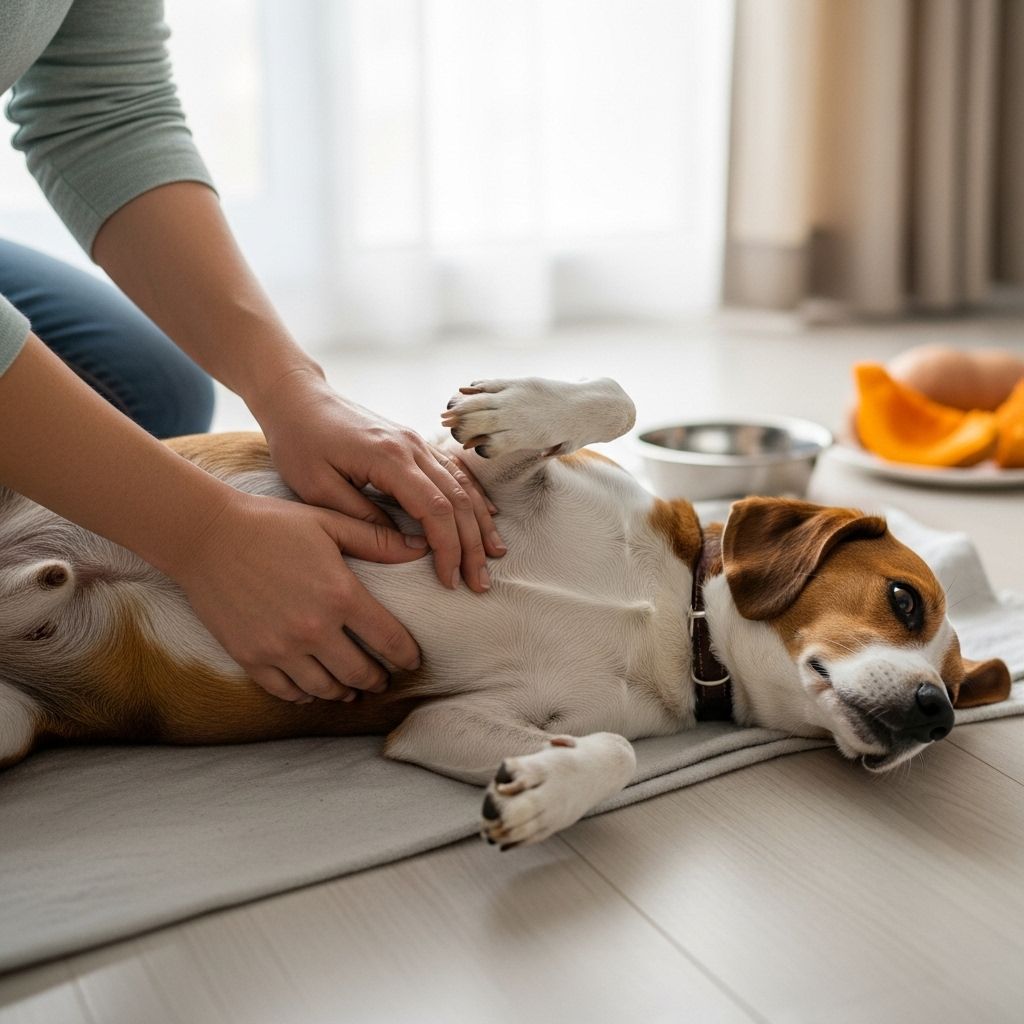
5 Dog Constipation Remedies Every Pet Owner Should Know
Constipation is a common issue in dogs that can lead to discomfort, pain, and in some cases, serious health problems if left untreated. If your dog is straining to defecate, producing smaller or harder stools, or going longer than usual between bowel movements, they may be constipated. Recognizing the causes, symptoms, and most effective remedies can help keep your furry friend happy and healthy.
Causes of Constipation in Dogs
Understanding the underlying causes of dog constipation is vital for effective treatment and prevention. Common causes include:
- Dehydration – Insufficient water intake can make stools hard and difficult to pass.
- Lack of dietary fiber – Fiber helps maintain regular bowel movements.
- Eating indigestible objects – Bones, hair, or foreign materials can block the digestive tract.
- Medication side effects – Some drugs may slow down gut movement.
- Medical conditions – Conditions such as arthritis (making squatting painful), kidney disease, or an enlarged prostate can contribute.
- Lack of exercise – Reduced activity can slow intestinal function.
Recognizing Signs and Symptoms of Constipation in Dogs
Identifying dog constipation can be straightforward if you know what to look for. Key signs include:
- Straining or frequent attempts to defecate with little or no result
- Passing small, dry, or hard stools
- Discomfort, pain, or vocalization during defecation
- Decreased appetite or lethargy
- Abdominal discomfort or bloating
- Absence of stool for two days or longer
If your dog displays severe pain, vomiting, blood in stools, or signs persist for more than two days, consult a veterinarian immediately.
Top 5 Remedies for Dog Constipation
Many cases of mild constipation can be managed at home using safe and effective remedies. Always consult your veterinarian before starting a new treatment, especially if your pet has underlying health problems or is on medication.
1. Increase Fiber in the Diet
Fiber adds bulk and helps stools move more easily through the colon. Methods to boost dietary fiber include:
- Pumpkin Puree: 100% pure canned pumpkin (not pie filling) is rich in fiber and moisture. Add 1 teaspoon per 10 pounds of body weight to your dog’s meal. Most dogs enjoy the flavor, and it can also aid with diarrhea by balancing the digestive tract’s moisture content.
- Bran: Wheat or oat bran can be sprinkled over food to supplement fiber.
- Powdered Psyllium Husk: A safe, dog-friendly fiber supplement (start with small amounts and increase with advice from your vet).
- High-Fiber Dog Foods: Some commercial dog foods are formulated to promote digestive regularity.
2. Hydration and Moisture-Rich Foods
Keeping your dog hydrated softens stools and facilitates bowel movements. To help maintain hydration:
- Ensure Access to Fresh Water: Always have clean, fresh water available.
- Canned or Wet Dog Food: Wet foods have a higher moisture content than dry kibble and can make stools easier to pass. Try mixing wet food into your dog’s regular diet during bouts of constipation.
- Add Water or Broth: Drizzle water or unsalted broth over meals to encourage fluid intake.
3. Gentle Exercise
Regular physical activity naturally stimulates normal intestinal contractions and helps keep the digestive system working smoothly. Tips include:
- Take your dog for longer or more frequent walks
- Include active play sessions such as fetch or tug
- Schedule consistent bathroom breaks, especially after meals
4. Natural Oils and Safe Laxatives
Certain oils can act as mild lubricants and stool softeners, but only in moderation:
- Olive Oil: Add a small amount (about a teaspoon for small dogs, more for larger breeds) to food. Do not overuse, as excessive oil may lead to diarrhea.
- Coconut Oil: Acts as a natural mild laxative. Mix a small amount into regular meals.
- Consult your veterinarian for dosage quantity, especially if your dog is on medication or has underlying health issues.
- Note: Never give human laxatives without veterinary guidance.
5. Probiotics and Digestive Supplements
Probiotics restore healthy gut bacteria and promote regular bowel movements. Additional support options include:
- Commercial dog-specific probiotic supplements
- Plain, unflavored Greek yogurt (a tablespoon per meal can help for most dogs)
- Digestive enzyme powders or treats (choose products made specifically for canines)
Additional Preventive Care and Professional Treatment
If simple remedies don’t resolve constipation within 48 hours, or if symptoms worsen, contact your veterinarian. Persistent or severe constipation (obstipation) can indicate underlying medical problems requiring professional care.
Veterinary Interventions May Include:
- Prescription stool softeners or laxatives formulated for dogs
- Enemas (always administered by veterinary professionals)
- Fluid therapy for severe dehydration
- Manual removal of impacted feces
- Investigation and management of underlying causes such as blockages, injury, or disease
- Special therapeutic diets (low or high fiber, depending on the cause)
When to Worry: Red Flags Demanding Veterinary Attention
| Symptom or Situation | Urgency/Recommended Action |
|---|---|
| No bowel movement for more than 48 hours | Contact your veterinarian promptly |
| Repeated vomiting or severe lethargy | Immediate veterinary care is needed |
| Blood in stool or persistent straining | Visit your vet for diagnostic evaluation |
| Possible ingestion of foreign objects (bones, toys, fabric) | Emergency visit for assessment and possible removal |
| Abdominal pain or bloating | Emergency veterinary attention required |
Preventing Constipation in Dogs
- Feed a balanced, fiber-rich diet appropriate for your dog’s breed and age.
- Encourage daily exercise and regular outdoor walks to promote good digestion.
- Ensure constant access to fresh water.
- Avoid giving bones, indigestible chews, or risky treats that may block the intestinal tract.
- Observe medication side effects and consult your vet if constipation persists or worsens.
- Schedule annual wellness exams with your veterinarian to catch and address problems early.
Common Myths About Dog Constipation
- Myth: Any oil is safe for dogs.
Fact: Only certain oils like olive and coconut oil are dog-safe in small amounts, and even these must be used cautiously. - Myth: Human laxatives or enemas work for dogs.
Fact: Many human remedies are toxic to pets—always consult a veterinarian first. - Myth: Skipping a day without a bowel movement always means constipation.
Fact: Dogs that eat less, fast, or have just changed diets may have delayed elimination; persistent or recurring problems warrant attention.
FAQs about Dog Constipation
Q: How long is too long for a dog to go without pooping?
A: More than 48 hours without a bowel movement, especially with straining, discomfort, vomiting, or appetite loss, warrants a call to your vet.
Q: Can I give my dog human laxatives or enema kits?
A: No. Many human products are dangerous for dogs and can cause injury or toxicity. Veterinary advice is essential before using any new treatment.
Q: Are some dog breeds more prone to constipation?
A: Older dogs, sedentary breeds, or those with longer hair (who may ingest hair) can be more susceptible; always monitor your dog’s stools and behavior.
Q: Can changing my dog’s food cause constipation?
A: Yes. Suddenly changing brands or types of food can disrupt gut health. Gradually transition between foods and add fiber if needed.
Q: What should I do if my dog eats bones or a foreign object?
A: Contact your veterinarian immediately, even if there are no immediate symptoms, as intestinal blockages can quickly become life-threatening.
Q: How can I prevent constipation in my dog long-term?
A: Feed a fiber-rich diet, ensure fresh water access, keep your dog active, and schedule regular vet check-ups.
Dog Constipation Remedies at a Glance
| Remedy | How it Works | Precautions |
|---|---|---|
| Pumpkin Puree | Adds fiber and moisture; helps both constipation and diarrhea | Never use pie filling (contains sugar and spices) |
| Canned/Wet Dog Food | Increases dietary moisture to soften stool | Use gradually, especially if not part of current diet |
| Exercise | Stimulates digestive system contractions | Avoid excessive exertion in dogs with health issues |
| Olive/Coconut Oil | Acts as a mild stool softener and lubricant | Use in moderation to avoid diarrhea; consult vet if unsure |
| Probiotics/Yogurt | Restores healthy gut bacteria | Avoid flavored or artificially sweetened yogurt |
Conclusion: Proactive Care for Canine Digestive Health
Most dogs will experience mild constipation at some point. By staying alert to changes in your pet’s bowel habits, using proven home remedies, and knowing when to consult your veterinarian, you can safeguard their comfort and health. A healthy balance of fiber, hydration, activity, and love is the key to regularity and lifelong wellbeing.
Similar Articles







Read full bio of Sneha Tete