5 Effective Home Remedies for Removing Oil and Grease Stains from Clothes
Discover powerful household solutions for tackling stubborn grease and oil stains—save your clothes and your wallet with these tested remedies.
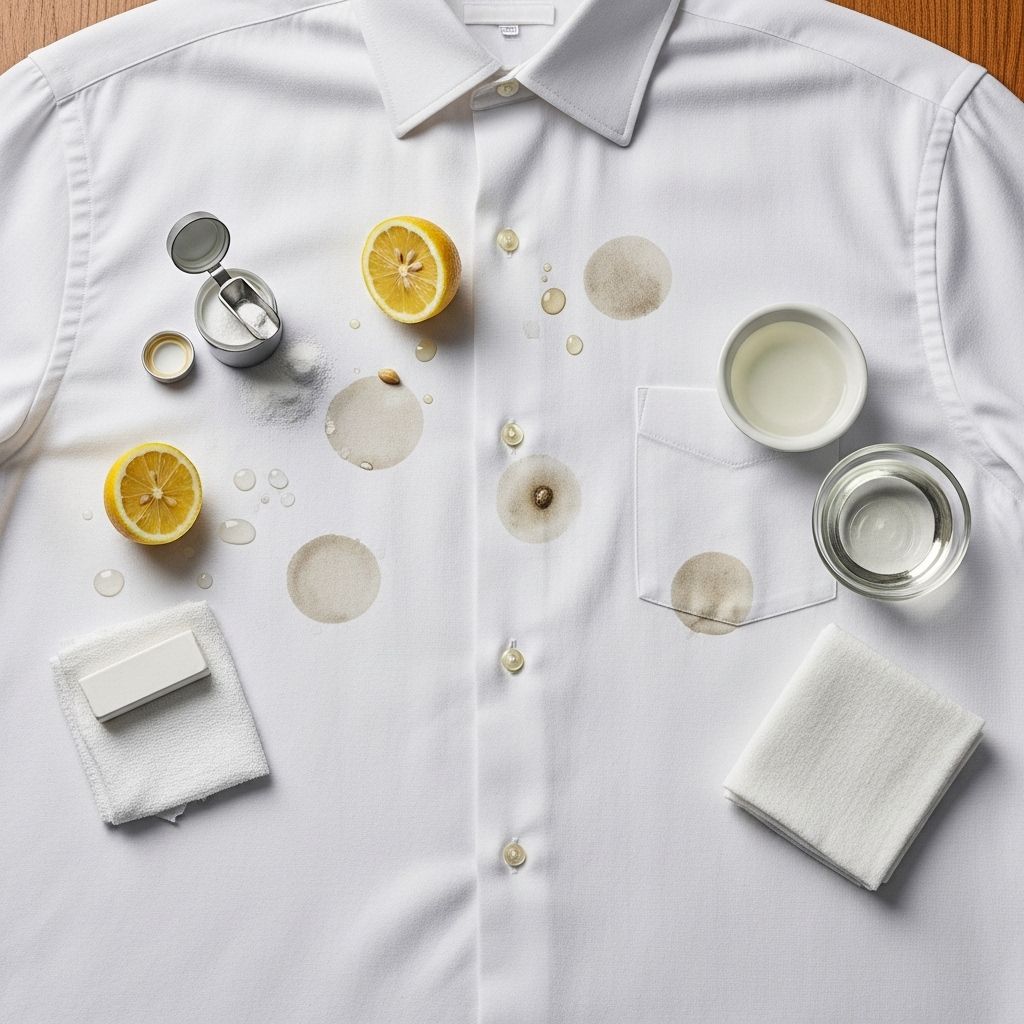
5 Home Remedies for Removing Oil and Grease Stains from Clothes
Oil and grease stains are notorious for being some of the most stubborn blemishes on clothing. Whether from an accidental kitchen spill, a workout, or a workplace mishap, these stains can persist even after several washes, especially on light or white fabrics. Expensive and specialized detergents may not always deliver, and frequent visits to professional dry cleaners are both time-consuming and costly. Thankfully, a handful of household staples offer simple, cost-effective, and reliable solutions—if you act quickly!
Why Are Oil and Grease Stains So Difficult to Remove?
Oil and grease are hydrophobic—meaning they repel water—so regular washing won’t break down their molecules. Over time, residues set into the fabric, and the stains can become permanent. Solutions for removing these marks rely on breaking down and absorbing the oily substances before they embed deeper into the textile fibers. Immediate attention is crucial; once dry, stains are tougher to budge and may require repeated treatments.
1. Baking Soda
Baking soda is a multi-purpose cleaning agent found in almost every household. Its natural alkalinity dissolves fats by breaking apart grease molecules, making it highly effective for removing both fresh and set stains. Unlike harsh chemical cleaners, baking soda is non-toxic and safe for most fabrics.
- Step 1: Dampen the stained area with a minimal amount of water.
- Step 2: Sprinkle a generous layer of baking soda over the stain; be sure the entire area is covered.
- Step 3: For optimal results, let it sit overnight, allowing time for the powder to absorb oil.
- Step 4: Brush off excess powder, then launder as usual.
Baking soda works best for newer, still-moist stains, but even set stains can respond to its absorbent properties.
| Baking Soda Advantages | Baking Soda Limitations |
|---|---|
| Powerful oil absorber and gentle on fabric. | May require overnight treatment for full effect. |
| Safe for all colors and fabrics. | Not always effective on old, deep-set stains without repeated application. |
2. Corn Starch
If baking soda isn’t available, corn starch serves as a superb alternative. Its fine powder and abrasive texture make it extremely absorbent for oily residues, while still being gentle on most garment types.
- Step 1: Generously rub corn starch onto the stained region.
- Step 2: Let sit for about an hour—longer for tougher stains.
- Step 3: Brush away starch and launder the garment with regular detergent.
For old stains, repeat the process several times. Corn starch can also be used as a pre-treatment before using dish soap or other methods.
3. Dishwashing Soap
Because dishwashing soaps are designed to cut grease on plates, they translate seamlessly to fabric treatment—just be sure to select a mild, dye-free variety to minimize the risk of color fading.
- Step 1: Apply a few drops of liquid dish soap directly to the stain.
- Step 2: Gently rub in with your fingers or a soft brush, working through the fabric fibers but not stretching the textile.
- Step 3: Let the soap soak for 30 minutes. For deeper stains, extend the time to an hour.
- Step 4: Rinse with warm water—not cold—and check the stain before laundering.
If the stain persists after the first wash, repeat the process. Avoid machine drying until the stain is completely gone, as heat can set it permanently.
4. Shampoo
Shampoo is formulated to cleanse natural oils from human hair and scalp, and for many synthetic blends, it works well for oily stains on clothing. Opt for basic, non-conditioning types—those intended for oily hair are especially suitable.
- Step 1: Apply a small dab of shampoo to the stained area.
- Step 2: Gently lather, then let sit for 15–30 minutes (depending on stain intensity).
- Step 3: Rinse thoroughly and launder with your regular laundry process.
This method is a great option for minor, fresh oil stains and delicate fabrics.
5. Lemon or Vinegar
Lemon juice and vinegar are both naturally acidic—a property that helps dissolve fatty compounds and break down organic residues. Though effective, caution is recommended with dyed and sensitive fabrics, as acid can cause color lightening.
- Step 1: Mix lemon juice or white vinegar with an equal part of water to create a dilute solution.
- Step 2: Soak the stained portion for several hours (ideally 2–3 hours).
- Step 3: Rinse and launder as usual.
For tough stains, pre-soaking in vinegar followed by a baking soda or dish soap spot treatment offers a powerful, multi-step solution.
Other Quick Tips for Oil and Grease Stain Removal
- Always treat stains promptly—fresh oil is easier to remove than set stains.
- Blot excess oil immediately with a cloth or paper towel; never rub, as this can spread the stain further.
- Avoid hot water for the initial rinse; use warm water only after absorbent powders and soaps have been applied.
- Repeat stain-removal cycles if necessary, especially for older marks.
- Air dry garments after washing; heat from dryers can lock stains into place.
Comparative Table: Household Remedies for Grease Stains
| Remedy | Mechanism | Best For | Precautions |
|---|---|---|---|
| Baking Soda | Absorbs grease and breaks down oils | All fabrics, fresh and set stains | May require overnight treatment for set stains |
| Corn Starch | Absorbs grease with abrasive action | Quick fix for fresh stains | Repeat for stubborn stains |
| Dish Soap | Emulsifies and removes oil residue | Kitchen, food-related stains | Avoid colored/dyed soaps on delicate fabrics |
| Shampoo | Cleanses natural and synthetic oils | Delicate fabrics, recent stains | Avoid conditioning shampoos |
| Lemon/Vinegar | Dissolves fatty acids with acidity | Natural fibers, organic stains | May lighten dyed fabrics—do patch-test first |
Professional Help: When to Turn to Dry Cleaners
If repeated home treatments fail, commercial dry cleaners possess specialized solvents and equipment designed to safely tackle even resilient oil and grease deposits. Reserve this option for expensive, delicate, or sentimental clothing that cannot risk home experimentation.
Frequently Asked Questions (FAQs)
Q: What should I do first if I spill oil on my clothes?
A: Immediately blot (do not rub) the area with a paper towel or cloth to absorb as much excess oil as possible before applying any cleaning agents.
Q: Which home remedy works best for old, set stains?
A: Baking soda combined with dish soap is especially effective for older stains, as the powder absorbs and the soap emulsifies deep-set oils.
Q: Can these remedies damage delicate or colored fabrics?
A: Test any remedy on a hidden section of the garment first. Acidic treatments like lemon or vinegar may fade colors, and vigorous scrubbing can weaken delicate fibers.
Q: Is it safe to use dish soap on clothing?
A: Yes, as long as the dish soap is clear and free from dyes, fragrances, or moisturizers that could leave additional residue or stain light garments.
Q: Why shouldn’t I use hot water when initially treating stains?
A: Hot water can set oil and grease stains, making them more difficult to remove, so always rinse with warm water after pre-treatment instead.
Author Bio
John Adams is a lifestyle blogger who writes about food, fashion, and practical living. His passion for combining style with culinary adventures drives his articles on everything from the latest recipes to tips on keeping your wardrobe pristine. John’s guiding principle: looking good helps you feel good and live well.
Similar Articles







Read full bio of Sneha Tete