5 Effective Home Remedies to Help Reduce Tendonitis
Discover practical, proven methods to ease tendonitis pain and support your recovery using home strategies.
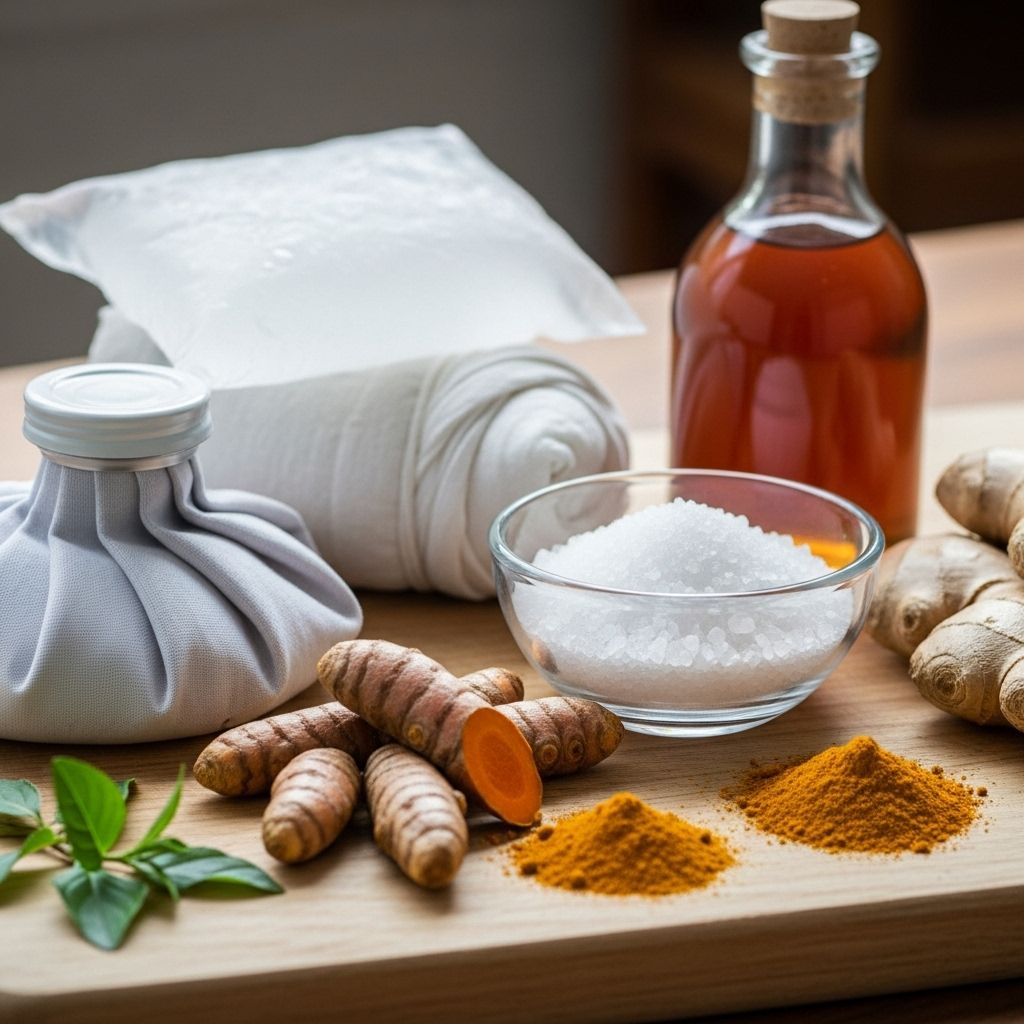
Tendonitis, often called tendinitis, is a common and painful condition involving inflammation of the tendons—tissues connecting muscle to bone. Whether caused by overuse, injury, repetitive motions, or aging, tendonitis can interfere with daily life, sports, and work by making basic movements difficult and uncomfortable. While professional treatment may be required for severe cases, mild or moderate tendonitis can often be managed at home using proven remedies to support healing, ease discomfort, and encourage a safe return to activity.
Understanding Tendonitis
Tendonitis is an inflammation or irritation of a tendon, often caused by repetitive motion or excessive stress. The condition commonly affects areas such as the shoulder (rotator cuff), elbow (“tennis elbow”), wrist, knee (patellar tendon), hip, the base of the thumb, and the Achilles tendon in the ankle .
- Symptoms of tendonitis include pain (especially with movement), tenderness, mild swelling, and sometimes warmth near the affected area.
- Common causes are repetitive motion, direct injury, poor ergonomics, aging, and sometimes underlying medical conditions such as rheumatoid arthritis or diabetes.
Swift and appropriate management can prevent chronic issues, tears, or permanent damage.
5 Proven Home Remedies for Tendonitis
Here are five science-backed, practical home remedies to effectively reduce tendonitis symptoms and support recovery.
1. Icing & Heating
Ice Therapy (Cryotherapy): One of the most effective first steps for managing tendonitis is the use of cold therapy. Applying an ice pack or a frozen bag of vegetables (wrapped in a towel) to the affected area helps constrict blood vessels, reduce inflammation, and limit swelling .
- Apply ice for 15–20 minutes, 3 to 4 times a day.
- Always place a layer (such as a towel) between ice and skin to prevent tissue damage or frostbite.
- Best used in the immediate phase after an injury, especially within the first 48 hours.
Heat Therapy (Thermotherapy): Once the initial inflammation has subsided (after the first 48–72 hours), applying heat can help improve blood flow, relax tight or sore muscles, and speed up tissue repair .
- Use a heating pad, hot water bottle, or heated gel pack for 15–20 minutes at a time.
- Do not apply heat directly to swollen or acutely inflamed areas, as it may worsen swelling.
- Beneficial for chronic tendonitis or lingering muscle stiffness after the acute phase.
Alternate ice and heat judiciously according to the phase of your injury and symptom relief.
2. Rest and Activity Modification
Rest is essential to allow the body’s natural healing processes to work effectively. Continuing to stress an inflamed tendon may cause additional injury or chronic pain .
- Take a break from activities that trigger symptoms, especially those involving repetitive motion or high impact.
- If complete rest isn’t possible, modify your activity—reduce intensity, frequency, and duration.
- Use supportive devices such as slings, splints, braces, or elastic wraps to reduce strain and protect the tendon during healing.
While rest is vital, excessive immobilization can exacerbate stiffness and delay recovery, so consult a healthcare professional for appropriate balance.
3. Compression and Elevation
Compression and elevation are two pillars of the RICE (Rest, Ice, Compression, Elevation) protocol widely recommended for tendon injuries .
- Compression: Use an elastic bandage or compression wrap to gently support the affected area, reduce swelling, and promote blood circulation.
- Do not wrap too tightly, as this may impede healthy circulation or cause numbness and tingling.
- Elevation: If possible, elevate the injured area above heart level. This reduces swelling by helping fluids drain away from the injury site more efficiently.
Combining compression with ice and elevation provides the fastest reduction in acute symptoms for most mild tendonitis cases.
4. Pain Management and Natural Anti-Inflammatories
Pain relief for tendonitis can be achieved with over-the-counter medications, as well as natural anti-inflammatory solutions used at home.
- Non-Steroidal Anti-Inflammatory Drugs (NSAIDs): Medications like ibuprofen or naproxen can quickly reduce pain and swelling. These should be used sparingly and as directed, as prolonged or excessive use may cause side effects .
- Topical gels and creams: Anti-inflammatory or numbing gels (e.g., diclofenac gel) can be applied directly for localized relief without the risks associated with oral medication .
- Natural Remedies:
- Turmeric: Contains curcumin, a natural anti-inflammatory. Consuming turmeric (in food, tea, or supplements) may help reduce symptoms, but always check with a doctor if you have other health issues .
- Ginger: Another natural anti-inflammatory. Fresh ginger or supplements can be added to the diet, but consult with a doctor if you have diabetes or take blood thinners .
- Omega-3 Fatty Acids: Foods like salmon, sardines, flaxseeds, and walnuts contain omega-3s, which may reduce inflammation over time .
- Vitamin E: This antioxidant helps remove free radicals that contribute to inflammation and may support healing .
- Castor Oil: When massaged into the affected area, it may provide anti-inflammatory effects and help relieve pain .
Always introduce supplements or herbal remedies cautiously, particularly with underlying health conditions or when taking other medications.
5. Stretching, Gentle Movement and Massage
While rest is important in the early stages, once acute pain and swelling subside, gentle stretching and massage can prevent stiffness and promote flexibility .
- Physical therapy is often recommended for persistent or recurrent cases. Therapists can guide you through strengthening and flexibility exercises tailored for your specific injury .
- Gentle massage increases blood flow and may help break down adhesions in the tendon. Oils such as olive or coconut oil can be used for added comfort .
- Avoid aggressive stretching or massage during the acute phase; wait until inflammation and acute pain have decreased.
- Stretch only within a pain-free range—never force the tendon.
Regular, appropriate movement supports healing, reduces recurrence, and strengthens the affected area over time.
Prevention and Long-Term Care
Preventing tendonitis and reducing the risk of recurrence involves adopting healthy habits and being mindful of how you use your body:
- Warm up thoroughly before exercise or demanding physical activity.
- Use ergonomic tools and optimize workspaces to reduce repetitive stress.
- Practice proper posture and biomechanics in sports, lifting, and daily activities.
- Gradually increase the intensity of exercise programs; sudden increases in load are a major risk factor for tendon injury.
- Incorporate rest days and take breaks during prolonged activity.
If a tendon injury fails to improve with home remedies or suddenly worsens, seek professional medical assessment promptly. Severe pain, sudden loss of function, or visible deformity may indicate a tendon tear or another serious issue requiring immediate attention.
Frequently Asked Questions (FAQs)
Q: Should I use ice or heat first for tendonitis?
A: Ice is generally recommended immediately after injury or during active inflammation to reduce swelling and pain. After the initial phase (about 48–72 hours), heat can help relax muscles and improve mobility, but avoid using heat on actively swollen areas .
Q: Can I massage my tendonitis at home?
A: Once the most acute pain and swelling have improved, gentle massage can promote healing by increasing circulation and reducing muscle tightness. Oils like coconut, olive, or castor oil may help. Avoid vigorous or deep tissue massage on painful, swollen areas .
Q: How long does it take for tendonitis to heal?
A: Most mild cases improve within a few weeks when properly managed with rest, ice, and home care. More severe tendonitis, or cases complicated by underlying health conditions, may take months. Chronic or persistent tendonitis often requires professional medical intervention .
Q: When should I see a doctor for tendonitis?
A: Seek medical attention if you experience severe pain, a sudden “pop” or rupture, inability to move the affected joint, redness or warmth indicating infection, or if home remedies do not bring improvement within a few weeks .
Q: Are there foods or supplements that help tendonitis?
A: Some research suggests anti-inflammatory foods (rich in omega-3s, turmeric, and ginger) and antioxidants (like vitamin E) may help. Always consult your doctor before starting new supplements, especially if you have health conditions or take other medications .
Summary Table: Home Remedies for Tendonitis
| Remedy | How It Helps | When to Use |
|---|---|---|
| Ice Therapy | Reduces swelling and pain, numbs tissue | First 48 hours, or during flare-ups |
| Heat Therapy | Relaxes muscles, boosts circulation, eases stiffness | After acute swelling decreases |
| Rest/Activity Modification | Prevents further injury, supports healing | Throughout recovery |
| Compression/Elevation | Controls swelling and pain | Acute and recovery phase |
| Natural Anti-Inflammatories | Lowers inflammation, boosts repair | Throughout healing process |
| Massage/Stretching | Improves flexibility, reduces tension | After acute phase (when pain subsides) |
Key Takeaways
- Treat tendonitis early with ice, rest, compression, and elevation to minimize swelling and prevent chronic injury.
- Transition to gentle stretching, strengthening, and heat therapy as symptoms lessen to restore function.
- Use natural anti-inflammatory foods and topical agents alongside standard care for added benefit.
- Monitor symptoms and see a medical professional if you do not improve, have severe pain, or experience functional loss.
Disclaimer
This article is for informational purposes only and does not replace medical advice. Consult a healthcare provider before starting any new treatment, especially if symptoms persist, worsen, or if you have preexisting health conditions.
Similar Articles







Read full bio of Sneha Tete