6 Effective Home Remedies for Headache Relief
Discover natural, science-backed solutions to soothe headaches at home using remedies easily found in your kitchen or lifestyle.

Headaches can make even the simplest tasks feel overwhelming. Rather than reaching for medication right away, many individuals seek natural solutions that can be easily implemented at home. There are evidence-backed, gentle remedies that help relieve headaches and promote overall wellness. This article explores six effective home remedies for headache relief, complete with practical tips and the science behind each approach.
Understanding Headaches: Types and Triggers
Before exploring remedies, it’s helpful to understand why headaches occur. The most common types of headaches include:
- Tension headaches: Typically caused by stress, poor posture, or muscle strain; often described as a tight band around the head.
- Migraines: Intense headaches that may be accompanied by nausea, light sensitivity, and visual disturbances; triggers can include hormonal changes, certain foods, or environmental factors.
- Cluster headaches: Severe, cyclical headaches often focused around one eye.
- Sinus headaches: Associated with sinus infections or allergies, accompanied by sinus pressure and congestion.
Common triggers include dehydration, lack of sleep, hunger, stress, hormonal changes, exposure to strong lights or loud noises, and certain dietary factors.
1. Stay Hydrated: The Foundation of Headache Prevention
Dehydration is one of the most frequent and overlooked causes of headaches. Even mild dehydration can cause the brain to temporarily contract from fluid loss, pulling away from the skull and triggering pain. Drinking enough water throughout the day helps maintain optimal body function and prevents headache episodes for many individuals.
- Drink at least 6–8 glasses of water daily, especially during hot weather or after exercise.
- Consume foods high in water content, such as watermelon, cucumber, and celery, to boost hydration levels.
- Monitor urine color: pale yellow typically indicates good hydration, while dark yellow suggests dehydration.
For those prone to headaches, establishing a regular hydration routine is a simple and effective preventive measure. In one study, increased water intake was shown to reduce both headache severity and duration for chronic sufferers.
2. Apply Hot or Cold Compresses for Pain Relief
The use of hot or cold compresses is a classic, drug-free way to soothe headache pain. The choice between hot and cold depends on the headache type and individual preference:
- For tension headaches: Apply a warm compress or take a warm shower to relax neck and shoulder muscles, reducing pain caused by muscle tightness.
- For migraines or sinus headaches: Cold compresses, such as an ice pack wrapped in a towel, can numb the pain and minimize inflammation. Place it on the forehead or back of the neck for 10–20 minutes at a time.
This method works by altering blood flow and reducing local inflammation, providing immediate comfort without side effects.
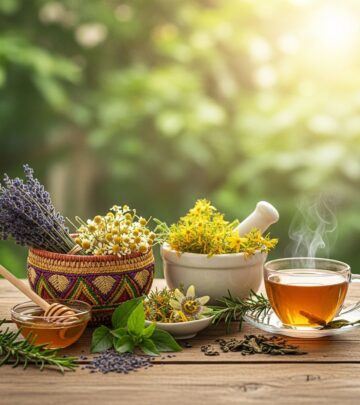
3. Herbal Teas and Supplements: Natural Relief from Plants
Several herbs hold time-honored reputations for easing headache symptoms due to their anti-inflammatory and relaxing properties. Herbal teas and certain supplements can be convenient and soothing options, especially for those sensitive to medications.
| Herbal Remedy | Active Properties | Suggested Use |
|---|---|---|
| Peppermint | Muscle relaxant, analgesic, improves blood flow | Drink tea brewed from fresh/dried leaves or inhale diluted oil |
| Feverfew | Reduces inflammation, contains parthenolide | Use as a supplement or tea (consult a doctor first) |
| Ginger | Anti-inflammatory, nausea-reducing | Add slices to hot water for ginger tea or take extract capsules |
| Lavender | Calming, can reduce migraine symptoms | Lavender tea or inhale essential oil for quick relief |
- Peppermint is often used topically in oil form or as a tea and shown to relax cranial muscles.
- Feverfew, a traditional migraine remedy, is believed to reduce the frequency and intensity of migraine attacks by controlling blood vessel constriction.
- Ginger helps with migraines and nausea, making it beneficial for those who experience both.
- Lavender soothes the nervous system and may reduce migraine severity through inhalation or tea.
Always consult a healthcare provider before trying new supplements, especially if you take other medications.
4. Aromatherapy and Essential Oils: Fast, Natural Pain Relief
Aromatherapy uses concentrated plant essences to reduce pain and promote relaxation. The following essential oils have been extensively studied for their ability to relieve headache symptoms:
- Lavender oil: Inhalation or temple massage during migraine onset was shown to significantly lower headache severity in clinical trials.
- Peppermint oil: When diluted and applied to the temples or back of the neck, peppermint oil acts as a muscle relaxant and cooling agent, providing rapid tension relief.
- Rosemary oil: Massaged gently into the scalp and temples, it can decrease inflammation and relieve headaches caused by stress.
To use essential oils:
- Mix a few drops with a carrier oil (such as coconut or almond oil) to minimize skin irritation.
- Gently massage into temples, the back of the neck, or across the forehead.
- Alternatively, use an essential oil diffuser or inhale from a tissue for gradual aromatherapeutic effects.
Always perform a patch test to rule out potential skin reactions and never ingest essential oils unless under professional guidance.
5. Relaxation Techniques: Manage Stress for Fewer Headaches
Because tension and stress contribute heavily to headaches, adopting relaxation techniques is key to both prevention and management. Safe and medication-free, these practices can be integrated into daily life:
- Progressive muscle relaxation: Gradually tense and release different muscle groups, focusing on areas of discomfort to reduce physical tension.
- Mindful meditation: Sit comfortably, focus on your breath, and let go of distracting thoughts. Even 10–15 minutes can markedly reduce stress-induced headaches.
- Calming music or nature sounds: Listening to soothing audio helps slow breathing and promotes relaxation, indirectly easing headache pain.
- Deep breathing exercises: Slow, deep breaths trigger the body’s natural relaxation response.
Practicing these techniques regularly trains your nervous system to handle stress and may help reduce the frequency and severity of recurring headaches.
6. Lifestyle Adjustments for Lasting Relief
While natural remedies help relieve occasional headaches, long-term prevention relies on identifying and managing personal triggers. Consider the following lifestyle strategies:
- Maintain a consistent sleep schedule to avoid sleep deprivation or oversleeping, both known headache triggers.
- Don’t skip meals: Low blood sugar can prompt headache onset. Eat balanced meals and add healthy snacks if needed.
- Exercise regularly: Gentle forms like walking, yoga, or cycling improve circulation, boost endorphins, and lower stress.
- Limit screen time: Take regular breaks from computers and mobile devices to prevent eye strain–a common source of headaches.
- Create a peaceful environment: Reduce exposure to bright lights, loud noises, and strong odors, especially if you are a migraine sufferer.
Tracking headache frequency, duration, and suspected triggers in a headache diary helps you and your healthcare provider identify patterns and tailor solutions.
Frequently Asked Questions (FAQs)
What is the fastest natural remedy for headache?
Applying a cool compress to the forehead or temples and massaging diluted peppermint or lavender oil on the temples can provide rapid relief, especially for tension headaches.
Can hydration truly prevent headaches?
Yes, many headaches are triggered by dehydration. Drinking enough water and consuming hydrating foods is a simple, science-backed way to reduce both frequency and intensity of headaches.
Which herbal teas are safest for headache relief?
Peppermint, ginger, chamomile, and lavender teas are generally considered safe and can provide gentle headache relief. Consult your doctor before using strong herbal supplements, especially if you are pregnant or on medication.
How can I tell if my headache is caused by stress?
Tension headaches typically appear as a dull, squeezing pain on both sides of the head, often following periods of emotional or physical stress. Using relaxation and mind-body techniques can help confirm and relieve stress-related headaches.
When should I see a doctor for headaches?
Seek medical attention if headaches are severe, persistent, accompanied by sudden vision changes, confusion, high fever, weakness, or if they begin after a head injury. Frequent or worsening headaches should also be evaluated professionally to rule out underlying issues.
Conclusion: Natural Remedies Offer Gentle, Effective Solutions
While medication can play a role in headache relief, natural home remedies often provide effective, low-risk ways to manage occasional headaches. By integrating proper hydration, herbal solutions, essential oils, relaxation techniques, lifestyle adjustments, and knowing when to seek medical advice, many people experience significant improvements in headache frequency and severity. Experiment to determine which natural remedies best suit your needs, always listening to your body’s signals.
Similar Articles






Read full bio of medha deb