6 Effective Home Remedies to Soothe Chafed Skin
Discover natural, effective remedies and essential care tips to relieve and heal chafed skin for lasting comfort.
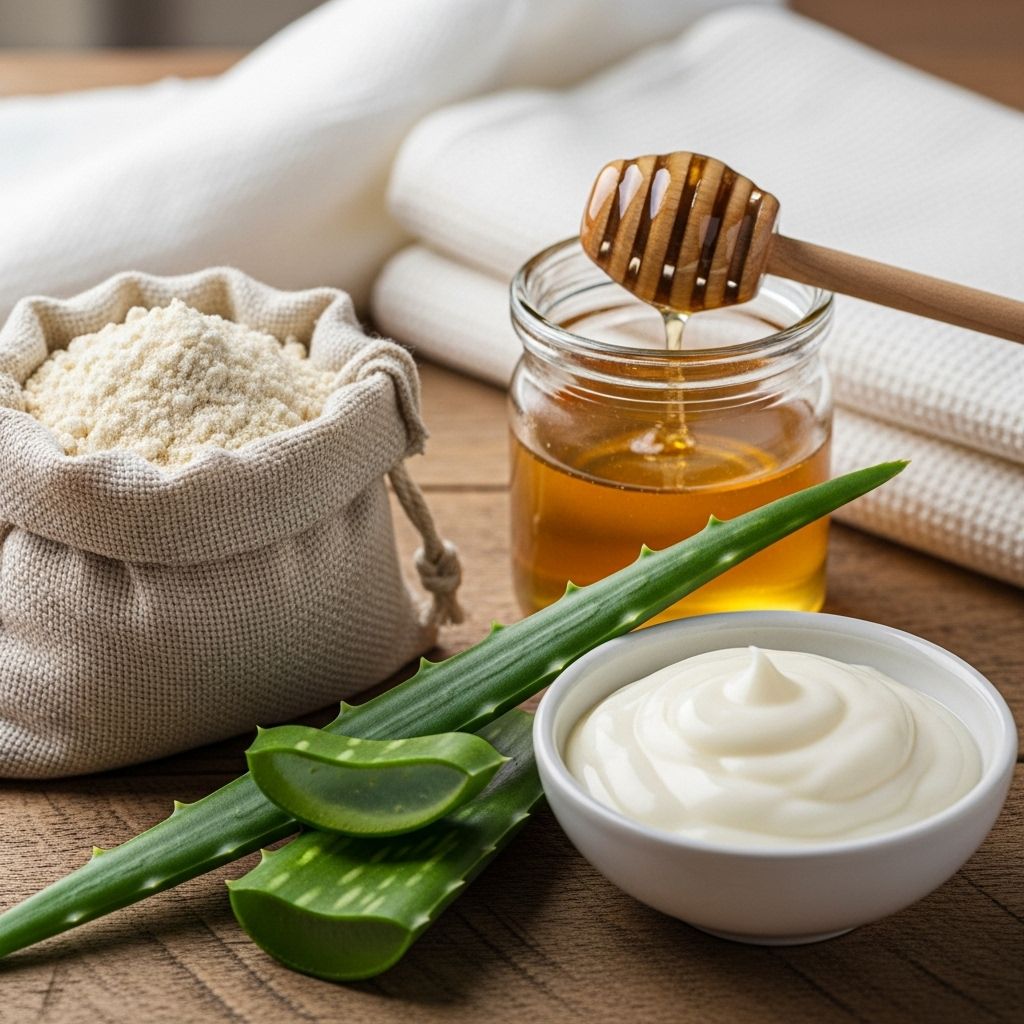
Chafed skin is a common and uncomfortable issue where friction, moisture, or tight clothing lead to skin irritation, redness, and sometimes pain or swelling. Whether you are an athlete, a parent, or anyone struggling with sensitive skin, knowing how to soothe and prevent chafing can significantly improve your comfort and well-being. This comprehensive guide explores six proven home remedies for chafed skin, provides practical skin care advice, and answers common questions about chafing.
Understanding Chafed Skin
Chafing refers to the irritation and breakdown of the outer skin layer due to repetitive friction, often combined with moisture. Common areas affected include the inner thighs, underarms, groin, buttocks, and nipples. The skin appears red, tender, and sometimes swollen or weepy.
- Friction: Rubbing of skin-on-skin or skin-on-clothing.
- Moisture: Sweat or water increases the risk as it softens the skin.
- Sensitive skin: Those with susceptibility to irritation may develop chafing more easily.
Common Causes of Chafing
- Physical activity (e.g., running, biking, hiking)
- Tight or wet clothing
- Carrying extra weight (increasing skin folds)
- Hot and humid climates
- Breastfeeding and diaper use in babies
6 Soothing Home Remedies for Chafed Skin
Prompt treatment is crucial to relieve discomfort and to prevent infection. Here are six trusted home remedies you can use to soothe and speed up the healing of chafed skin:
1. Aloe Vera Gel
Aloe vera is world-renowned for its soothing and skin-repairing properties. The gel, found in the leaves of the aloe plant, is anti-inflammatory, hydrating, and cools the irritated skin almost immediately on contact.
- How to use: Apply a generous amount of pure aloe vera gel directly to the affected area. You can use gel from a fresh leaf or a store-bought pure aloe vera product.
- Benefits:
- Reduces redness and inflammation
- Speeds up skin repair
- Provides immediate cooling relief
- Tips: Reapply as needed. Allow the gel to dry fully before covering with clothing. Aloe vera gel may leave a slightly sticky residue until it dries.
2. Petroleum Jelly
Petroleum jelly, commonly known as Vaseline, creates a protective barrier over the skin, reducing friction and allowing the skin time to heal. It traps moisture inside and helps block external irritants.
- How to use: Spread a thin layer over clean, dry skin in the chafed area as needed. It can be particularly helpful before any further physical activity or at bedtime.
- Benefits:
- Reduces further friction
- Prevents moisture from aggravating irritated skin
- Can also be used as a chafing preventative
- Tips: Petroleum jelly is thick and can feel greasy. Let it absorb for a few minutes before dressing.
3. Coconut Oil
Coconut oil is rich in medium-chain fatty acids, making it a powerful natural moisturizer and anti-inflammatory treatment. It forms a gentle protective layer on the skin and supports the natural healing process.
- How to use: Apply a thin layer of virgin coconut oil to the clean, dry affected area several times per day.
- Benefits:
- Hydrates and nourishes skin
- Reduces swelling and irritation
- Contains lauric acid, known for its antimicrobial effects
- Tips: As with any oil, coconut oil can be greasy and may stain clothing.
4. Oatmeal Bath
An oatmeal bath is a time-tested remedy for skin inflammation and itchiness. Oats contain compounds called avenanthramides that soothe, moisturize, and protect irritated skin.
- How to use: Add one to two cups of colloidal or finely ground oatmeal to a lukewarm bath and soak for 15-20 minutes. Gently pat the skin dry afterward.
- Benefits:
- Relieves itching and discomfort
- Moisturizes and soothes the affected area
- Suitable for large or sensitive areas
- Tips: Refrain from scrubbing the chafed area during or after the bath.
5. Shea Butter
Shea butter is derived from the nuts of the shea tree and is prized for its rich, nourishing, and skin-healing properties. It is often found in many skin care products and natural remedies.
- How to use: Massage a small amount of pure, organic shea butter into the affected skin. Use morning and evening for best results.
- Benefits:
- Deeply moisturizes dry, cracked skin
- Relieves itching and provides a soothing, protective barrier
- Contains natural anti-inflammatory vitamins and fatty acids
- Tips: Allow shea butter to absorb fully before dressing. Check for nut allergies before using.
6. Cornstarch or Baby Powder
Cornstarch and some baby powders help wick away moisture, keeping the skin dry and reducing further friction. They are particularly helpful for preventing chafing in warm, humid environments or during physical activity.
- How to use: Sprinkle a light layer over clean, dry skin in friction-prone areas, such as inner thighs or underarms.
- Benefits:
- Absorbs excess moisture
- Creates a smoother surface and minimizes rubbing
- Tips: Avoid inhaling powders and never use inside open wounds. Some talc-based powders may cause irritation—choose unscented or cornstarch-based varieties where possible.
Essential Steps for Chafed Skin Care
Beyond remedies, proper skin care techniques are crucial for healing and preventing worsening chafing. Follow these steps for the best results:
- Gently Cleanse: Use lukewarm water and fragrance-free, mild soap. Never scrub or use hot water as it can worsen irritation.
- Pat Dry: Always pat (do not rub) the skin dry with a soft towel. Moisture aggravates chafing.
- Let Skin Breathe: If possible, expose the chafed area to air to speed up drying and healing.
- Apply Remedies: Use one or more of the above treatments. Reapply as needed, especially after bathing or sweating.
- Minimize further friction: Wear loose, breathable clothing and avoid activities that cause rubbing until healed.
Tips to Prevent Chafing
- Wear moisture-wicking, well-fitted clothing during activity.
- Apply protective barriers (petroleum jelly, anti-chafe balms) to friction-prone skin.
- Keep skin dry with powders or cornstarch, especially in hot weather.
- Stay hydrated to reduce excessive sweating.
- If overweight or in hot climates, check common hotspots (thighs, groin, underarms) regularly for signs of chafing.
Comparison of Home Remedies for Chafed Skin
| Remedy | Soothing Effect | Anti-Inflammatory | Barrier Protection | Best For | Potential Drawback |
|---|---|---|---|---|---|
| Aloe Vera Gel | High | Yes | No | Immediate relief, cooling | Sticky until dry, may require reapplication |
| Petroleum Jelly | Moderate | Mild | Yes | Physical barrier, prevention | Greasy, may stain clothes |
| Coconut Oil | Moderate | Yes | Light | Moisturizing, soothing | Oily residue, may stain clothes |
| Oatmeal Bath | High | Yes | No | Widespread irritation | No barrier effect |
| Shea Butter | High | Yes | Moderate | Moisturizing, softening | May trigger nut allergies |
| Cornstarch/Baby Powder | Mild to Moderate | No | Yes (by dryness) | Friction & moisture-prone areas | Potential for respiratory irritation if inhaled |
When to See a Doctor
- Chafed skin does not improve with home care within several days
- Signs of infection (increasing redness, pus, swelling, warmth, fever)
- Large or persistent open sores
- Systemic symptoms like fever appearing with skin wounds
Always do a patch test with new remedies to check for allergic reactions. If irritation or rash worsens, discontinue use immediately and seek medical advice.
Frequently Asked Questions (FAQs)
Q: How long does it take for chafed skin to heal?
A: Mild chafing may heal in a few days with proper care. Severe or deeply irritated skin could take up to a week, especially if exposed to repeated friction or if infection develops.
Q: Are there areas on the body more prone to chafing?
A: Yes. The most common hotspots include inner thighs, armpits, nipples, groin area, under breasts, and sometimes along the waistband or where clothing fits tightly.
Q: Should I keep chafed skin covered or let it air out?
A: Letting the area air out whenever possible speeds up healing. If covering is necessary (e.g., to return to activity), apply a protective ointment and use soft, breathable fabrics.
Q: What products should I avoid on chafed skin?
A: Avoid perfumed lotions, alcohol-based products, and abrasive exfoliants. These may worsen the irritation and slow down healing.
Q: Can I prevent chafing altogether?
A: While not always possible, especially in hot or active settings, using preventative measures such as moisture-wicking clothing, powders, or barrier ointments can significantly reduce your risk.
Conclusion
Chafed skin is uncomfortable but highly manageable with the right home remedies and care routine. By combining soothing natural treatments such as aloe vera, coconut oil, and oatmeal baths with smart preventative measures, you can relieve discomfort quickly and keep your skin healthy, strong, and resilient. If symptoms persist or worsen, consult a healthcare provider for further assessment.
Similar Articles







Read full bio of Sneha Tete