7 Effective Home Remedies for Gout Foot & Toe Pain Relief
Discover science-backed ways to soothe gout pain in your feet and toes, including lifestyle, diet, and natural remedies.
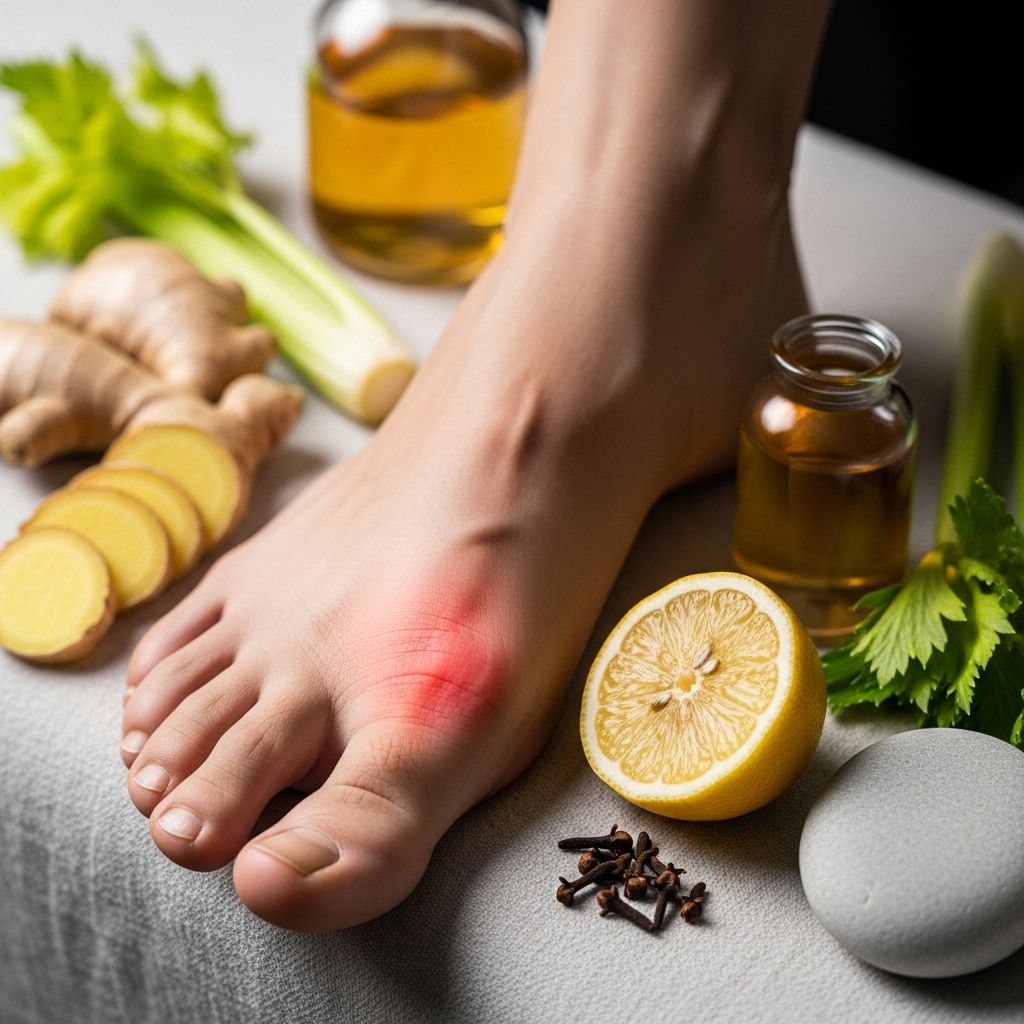
If you have ever suffered from gout pain in your foot or toes, you know the agony it can cause. Gout is a form of inflammatory arthritis that brings sudden, severe bouts of joint pain, often striking at night and most commonly affecting the big toe or foot. These attacks can appear without warning, but many people report subtle signs—tingling, burning, or stiffness in the joint—before the intense pain begins. Knowing how to respond swiftly can make a remarkable difference in your comfort and long-term joint health.
Understanding Gout Pain and Causes
Gout attacks occur when uric acid crystals accumulate in the joints. Uric acid is a natural waste product, but when your body produces too much or cannot excrete enough, crystals can build up, leading to inflammation, redness, heat, and excruciating pain. Besides genetic predisposition, risk factors include obesity, certain foods, alcohol, dehydration, and some medications.
While prescription medication is sometimes necessary, there are several science-backed, natural strategies you can use at home to relieve pain and manage symptoms.
1. Relaxation: Rest and Elevation
At the first sign of a gout flare-up, prioritize rest and avoid putting pressure on the affected foot. Gout pain worsens with movement, especially when the inflamed joint is under stress. To help reduce swelling and ease discomfort:
- Lie or sit down and elevate your foot above heart level using pillows.
- Keep the joint as immobile as possible during the acute phase.
- Avoid tight shoes and walking long distances until pain subsides.
Taking these simple steps at the onset of symptoms can help control the pain and limit the attack’s severity.
2. Cold Compression: Reduce Swelling and Pain
Cold therapy is a classic technique to ease gout pain. Applying a cold compress to the swollen joint helps constrict blood vessels, diminishes inflammation, and numbs nerve endings to temporarily relieve the pain. Here’s how to do it:
- Wrap a cold pack or a bag of frozen peas in a towel (never place ice directly on the skin).
- Apply to the affected area for 15-20 minutes, repeating several times a day as needed.
- Take breaks between sessions to prevent skin damage.
Cold compresses are most effective during the early stages or peak of a gout attack. Avoid using heat unless the inflammation is particularly severe, as excess warmth may worsen swelling for some individuals.
3. Hydration: Flush Out Uric Acid
One of the easiest and most crucial remedies is to drink plenty of water. Keeping hydrated helps your kidneys flush out excess uric acid, thereby reducing crystal formation and inflammation.
- Aim for at least 8–16 cups of water daily, as tolerated (ask your doctor if you have kidney or heart issues).
- Clear fluids like herbal teas and broths are additional options.
- Avoid alcohol and sugary sodas, which are high in purines and may trigger or worsen a gout flare.
If you start experiencing signs of a gout attack, incrementally increasing your fluid intake can help ease the intensity and duration of symptoms.
4. Avoiding Purines: Smart Dietary Choices
A gout-friendly diet is key to preventing flare-ups and reducing uric acid levels in your body. Foods high in purines break down into uric acid; eating less of these can help manage gout:
- Limit red and processed meat (like beef, lamb, bacon, and organ meats).
- Avoid certain seafoods, especially shellfish (crabs, lobsters, oysters) and oily fish (sardines, anchovies, herring).
- Reduce intake of alcohol, particularly beer and spirits, which can rapidly raise uric acid levels.
- Steer clear of fructose-heavy drinks (sugary sodas and sweetened juices, especially those with high fructose corn syrup).
Enjoy these instead:
- Low-fat dairy products (milk, yogurt, cheese)
- Whole grains, fruits, and vegetables
- Lean proteins like chicken and plant-based proteins (beans, lentils in moderation)
Maintaining a healthy weight through a balanced diet and regular moderate exercise further lowers the chance of recurrent gout attacks while reducing cardiovascular risks.
5. Minerals & Spices: Natural Anti-Inflammatories
Certain minerals and natural compounds found in everyday foods and supplements may provide anti-inflammatory effects and support uric acid excretion.
Key Nutrients and Spices to Consider
- Magnesium: May support healthy uric acid levels. Try magnesium-rich foods like leafy greens, beans, nuts, and seeds or consider a supplement, but consult your healthcare provider first.
- Ginger: Offers proven anti-inflammatory action. Apply a ginger compress to the joint (soak a cloth in water boiled with grated ginger root), or drink ginger tea for internal benefits. Always test a small skin area to avoid irritation.
- Turmeric: Contains curcumin, a potent anti-inflammatory compound. Add turmeric to your meals, or dissolve in warm water with lemon juice and a splash of apple cider vinegar for a soothing drink. Turmeric supplements are also an option.
- Cherries and Tart Cherry Juice: Several studies suggest cherries and pure tart cherry juice can reduce the frequency of gout attacks, likely due to their anthocyanin content that fights inflammation. About 3 servings over 2 days may provide benefits.
- Bromelain: An enzyme in pineapple that shows anti-inflammatory properties. Fresh pineapple or bromelain supplements could be beneficial alongside other strategies.
6. Weight Management: A Long-Term Solution
Carrying excess weight increases uric acid production and decreases your body’s ability to eliminate it. This not only raises your risk for gout attacks but also for other chronic illnesses (like heart disease and diabetes).
- Adopt a gradual, sustainable approach to weight loss—very low-calorie diets can paradoxically trigger gout flares in the short term.
- Combine dietary improvements with regular, low-impact exercise (brisk walking, swimming, or cycling).
- Track your progress and aim for a healthy BMI, but consult a physician before starting any new regimen.
Even modest weight loss can lead to notable decreases in gout frequency and improvements in joint comfort.
7. Try Soaks and Herbal Teas
Several home remedies and herbal preparations have traditional and emerging support as adjuncts for gout relief.
- Epsom Salt Soaks: Soak your affected foot or toes in a basin of warm water mixed with Epsom salts. Its magnesium content helps relax muscles and may reduce pain and swelling. Enjoy this remedy for 20-30 minutes as needed.
- Celery Seeds and Celery Extract: Traditionally used to support urinary health, celery (especially its extract and seeds) may have a role in lowering inflammation and uric acid, though scientific research is limited. Eat raw celery or try labelled supplements with professional guidance.
- Nettle Tea: Stinging nettle is believed to help reduce inflammation and pain. Make tea by steeping dried nettle leaves in boiling water, drinking up to three cups daily for joint support.
Comprehensive Table: Home Remedies for Gout Foot Pain
| Remedy | Benefits | How to Use |
|---|---|---|
| Relaxation & Elevation | Reduces swelling, relieves pressure, lessens joint pain | Rest, keep foot elevated above heart on pillows |
| Cold Compresses | Numbs pain, reduces inflammation | Wrap ice pack in towel, apply to joint 15–20 mins, repeat |
| Hydration | Flushes uric acid, prevents crystal buildup | Drink 8–16 cups of water daily, avoid alcohol/soda |
| Purine-Restricted Diet | Lowers uric acid production, fewer flare-ups | Limit red meat, seafood, alcohol, sugary drinks |
| Minerals & Spices | Anti-inflammatory, supports uric acid balance | Include ginger, turmeric, cherries, magnesium-rich foods |
| Weight Management | Reduces uric acid, lowers attack frequency | Gradual weight loss, balanced diet, moderate activity |
| Epsom Salt Soaks & Herbal Teas | Relaxes joints, reduces pain and swelling | Soak foot in Epsom salt, drink herbal teas (nettles/celery) |
When to Seek Medical Advice
While these home remedies can offer significant relief, you should consult a doctor promptly if:
- You experience your first gout attack (proper diagnosis is vital).
- Home remedies and OTC medications do not improve symptoms within 24–48 hours.
- You develop fever, chills, or redness spreading away from the joint (signs of infection).
- You have more than one or two attacks per year, or attacks begin affecting multiple joints.
For many, a tailored combination of medical therapies and lifestyle changes offers the best long-term control of gout.
Frequently Asked Questions (FAQs)
Q: Can I use over-the-counter pain relievers during a gout attack?
A: Yes. Nonsteroidal anti-inflammatory drugs (NSAIDs) like ibuprofen can provide temporary relief. Avoid aspirin, which may worsen gout.
Q: Are home remedies a replacement for prescribed medications?
A: No. Home remedies provide symptom relief and prevention but should not replace prescribed medications, especially during severe or frequent flare-ups. Talk to your healthcare provider about an integrated approach.
Q: What foods should I absolutely avoid if I have gout?
A: Avoid red meats, organ meats, shellfish, oily fish (like sardines and anchovies), beer, spirits, and sugary drinks with fructose or corn syrup.
Q: Can stress trigger gout attacks?
A: Excessive physical or emotional stress can potentially trigger gout flares. Managing stress with relaxation, adequate sleep, and gentle movement may help reduce the frequency of attacks.
Q: Are there activities or exercises I should avoid with gout?
A: During an acute flare, limit activity to minimize joint stress. Between attacks, opt for low-impact activities like walking, swimming, or cycling to support weight management and general health.
Similar Articles







Read full bio of medha deb