9 Effective Home Remedies for Clogged Drains
Discover nine safe and powerful home remedies to clear stubborn clogs and restore the flow in your drains without harsh chemicals.
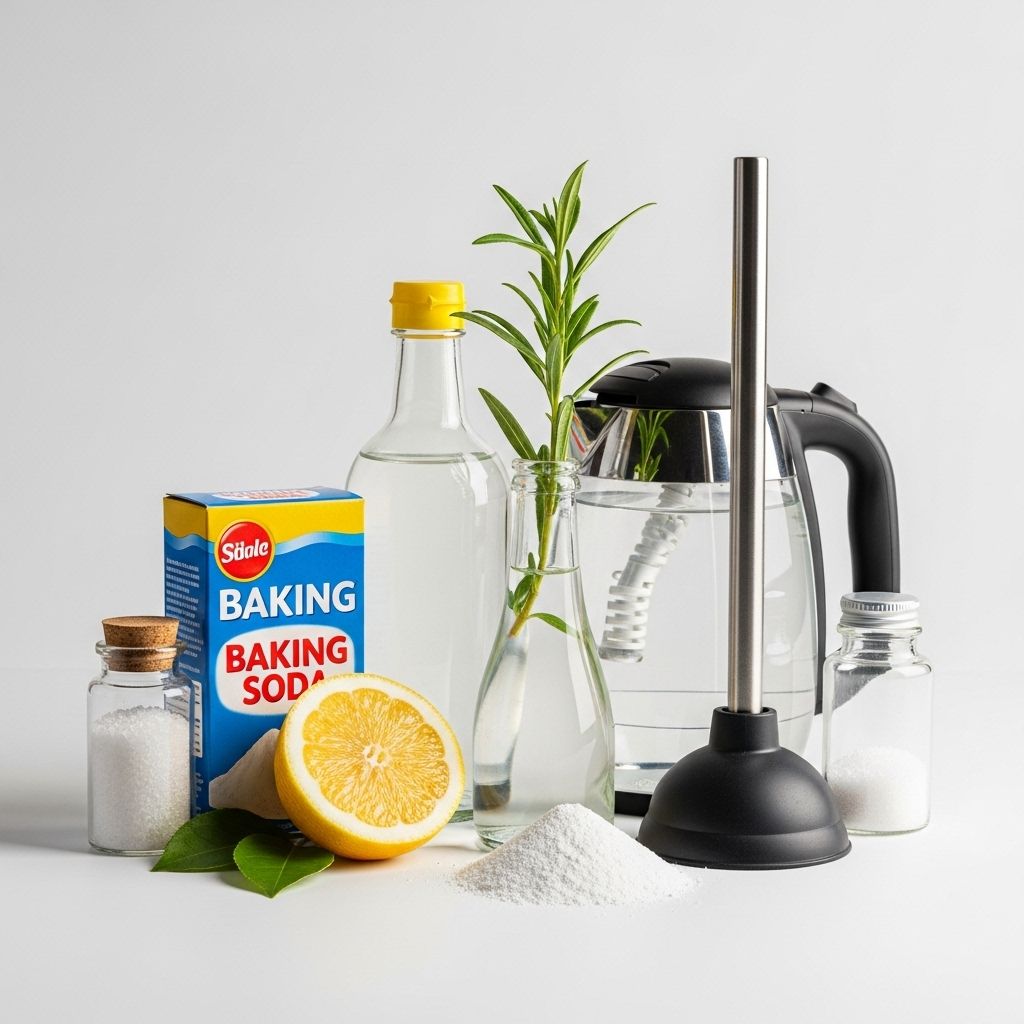
Few household problems are as frustrating as a clogged drain. Whether your kitchen sink is backed up or your shower is slow to empty, drain blockages disrupt daily life and can quickly lead to bigger plumbing issues if left untreated. Fortunately, you don’t need harsh chemicals or expensive professionals for every clog – many can be cleared with simple, safe, and eco-friendly methods using everyday items. This comprehensive guide explores nine reliable home remedies to unclog drains, helping you restore water flow with minimal effort and cost.
Understanding Drain Clogs: Common Causes
Before diving into remedies, it helps to know what typically causes drain blockages:
- Grease and oil – especially in kitchen sinks, where fats harden and stick to pipe walls.
- Hair – a major culprit in bathroom drains.
- Soap scum and residue – builds up over time and binds with debris.
- Food scraps – especially fibrous or starchy matter that resists breaking down.
- Foreign objects – toys, jewelry, or chunks of personal care items.
Understanding the root cause helps you choose the most effective remedy.
1. Boiling Water
Boiling water is the simplest and often first recommended solution for clogged drains. This technique works best on grease or soap-related blockages, which can be melted and flushed away by high temperatures. Here’s how to proceed:
- Boil a pot of water (about 2 liters).
- Slowly pour the boiling water directly into the drain in two to three stages, allowing each wave to work through the clog.
- Wait a few moments between each pour.
Repeat as necessary. This remedy is especially effective in kitchen sinks and for minor clogs. Avoid pouring boiling water down PVC pipes, as excessive heat may cause damage.
2. Dish Soap and Hot Water
For grease-based clogs, dish soap combined with hot water can be particularly powerful. Dish soap breaks down fatty deposits while the heat liquefies them so they flush away easily.
- Mix 2-3 tablespoons of liquid dish soap into a pot of very hot water.
- Slowly pour the mixture down the drain (preferably in stages).
- Repeat a few times if needed.
This method is safe for most drains and gently loosens grease without harming pipes.
3. Wire Coat Hanger
The wire coat hanger method is a hands-on solution to physically remove hair, gunk, and food particles stuck near the top of the drain system. Here’s how to conduct your DIY fishing expedition:
- Straighten a metal wire coat hanger, leaving the hook intact.
- Remove the drain cover.
- Insert the hooked end into the drain, carefully fishing for debris. Wiggle and rotate for better reach.
- Withdraw the hanger and discard accumulated gunk in a garbage bag.
- Follow up by flushing the drain with hot water.
This remedy is ideal for shower, tub, or sink drains with visible obstructions. Take care not to scratch pipe interiors or push debris deeper.
4. Baking Soda and Vinegar
Baking soda and vinegar form a classic dynamic duo for unclogging and deodorizing drains. This combination creates a fizzy chemical reaction that dislodges minor blockages and lifts grime from the pipe walls. Here’s a step-by-step process:
- Pour 1/2 cup of baking soda down the drain.
- Follow with 1/2 cup of white vinegar.
- Plug the drain immediately to keep the reaction below the surface.
- Allow the mixture to sit for at least 15-30 minutes (for tough clogs, leave for an hour).
- Flush with a pot of boiling water to clear out loosened debris.
This eco-friendly technique also eliminates odors, making it ideal for regular maintenance.
5. Salt, Borax, and Vinegar
For stubborn clogs, the triple-action blend of salt, borax, and vinegar may be more effective. Salt acts as a gentle abrasive, borax offers natural cleaning power, and vinegar’s acidity powers through organic residue.
- Mix 1/4 cup salt, 1/4 cup borax, and 1/2 cup vinegar.
- Pour the mixture into the drain.
- Add a pot of boiling water.
- Allow to set for at least an hour (or longer for severe clogs).
- Flush with hot tap water to rinse away all ingredients.
This method tackles hair, soap scum, and food-based clogs.
6. Baking Soda and Salt
An alternative to vinegar-based remedies uses baking soda and salt for a gentler abrasive effect. This combination can be left in the drain for extended periods to maximize removal of tough buildups.
- Mix 1/2 cup baking soda and 1/2 cup salt.
- Pour into the clogged drain.
- Let sit for at least 30 minutes and up to overnight.
- Flush thoroughly with boiling water to complete the process.
The longer this solution sits, the tougher the clogs it can tackle.
7. Plunger
A classic plunger can break up persistent clogs via suction and pressure. While often associated with toilets, plungers designed for sinks (with smaller suction cups) are excellent for kitchen installations.
- Remove all dishes or debris from the sink.
- Fill the sink halfway with warm tap water.
- Place the plunger over the drain, ensuring a tight seal.
- Vigorously plunge several times to force the blockage loose.
After action, flush the drain with hot water to clear lingering gunk. Plungers work well for blockages at the curve of the pipe, where hooks or drain snakes can’t reach.
8. Drain Snake
When clogs are located deeper within the drain, a drain snake (also called a hand auger or hair clog tool) is highly effective. These inexpensive tools are widely available at hardware stores.
- Insert the snake into the drain and rotate or push as directed.
- Hook or break up the clog as you pull out.
- Dispose of debris and rinse the drain with hot water.
This approach is especially useful for hair clogs in showers and bathtubs.
9. Preventive Maintenance Tips
Once you have successfully cleared your drain, prevention is the best way to avoid future blockages. Try these maintenance strategies:
- Install drain screens to catch hair, food, and debris before they enter pipes.
- Weekly hot water flushing helps melt and flush away newly forming residue.
- Monthly baking soda and vinegar treatments keep pipes clean and odor-free.
- Dispose of grease and coffee grounds in trash, not down the sink.
- Educate household members on proper drain use.
Green Solutions: Benefits of Non-Chemical Methods
Using home remedies instead of commercial chemical drain cleaners offers significant advantages:
- Safer for health: No exposure to harsh fumes, skin irritants, or toxic residues.
- Pipe longevity: Non-corrosive ingredients avoid damaging pipes or seals.
- Environmentally friendly: Natural solutions are biodegradable and reduce chemical waste.
- Cost-effective: Most remedies use items already found at home.
Opting for green solutions saves money, protects plumbing, and supports a healthier home environment.
Frequently Asked Questions (FAQs)
Q: Will baking soda and vinegar unclog any drain?
A: Baking soda and vinegar are effective against mild to moderate organic clogs, such as hair and soap buildup. Severe or deeply lodged obstructions may require mechanical removal or professional assistance.
Q: How often should I use these remedies?
A: For maintenance, use baking soda and vinegar once per month. Immediate action is advisable for visible slow drainage or odors.
Q: Can I use boiling water on any drain?
A: Boiling water is safe for metal pipes; avoid use on PVC to prevent damage. For plastic drains, use very hot tap water instead.
Q: Are chemical drain cleaners safe?
A: Commercial cleaners can clear tough clogs but may damage pipes, harm health, and pollute the environment. As a first approach, favor natural or mechanical remedies.
Q: What if the clog doesn’t clear?
A: Persistent clogs suggest a deeper blockage or a problem beyond reach. Consider a professional plumber for safe and thorough removal.
Tips Table: Home Remedy Comparison
| Remedy | Best For | Safety | Notes |
|---|---|---|---|
| Boiling Water | Grease, soap buildup | Safe for metal pipes | May damage PVC |
| Dish Soap & Hot Water | Grease clogs | Very safe | Repeat as needed |
| Wire Coat Hanger | Hair, food obstructions | Physical safety | Don’t push debris deeper |
| Baking Soda & Vinegar | General, deodorizing | Safe/eco-friendly | Great for maintenance |
| Salt, Borax & Vinegar | Stubborn clogs | Non-toxic | Let sit at least 1 hour |
| Baking Soda & Salt | Tough organic clogs | Very safe | Let sit overnight for tough cases |
| Plunger | Kitchen, bath sinks | Physical safety | Create strong suction for effectiveness |
| Drain Snake | Deep clog, hair | Physical safety | Works on severe hair clogs |
Conclusion: Take Control of Your Drains
Clogged drains don’t have to mean costly repairs or harmful chemicals. With these nine time-tested home remedies, you can combat most blockages safely and efficiently. Regular preventive care will keep your pipes flowing freely and your home running smoothly.
Similar Articles








Read full bio of Sneha Tete