Almond Butter vs Peanut Butter: Nutrition, Benefits & Which Is Better?
Explore the nutritional showdown, benefits, and drawbacks of almond butter and peanut butter to help you choose the right spread for your lifestyle.
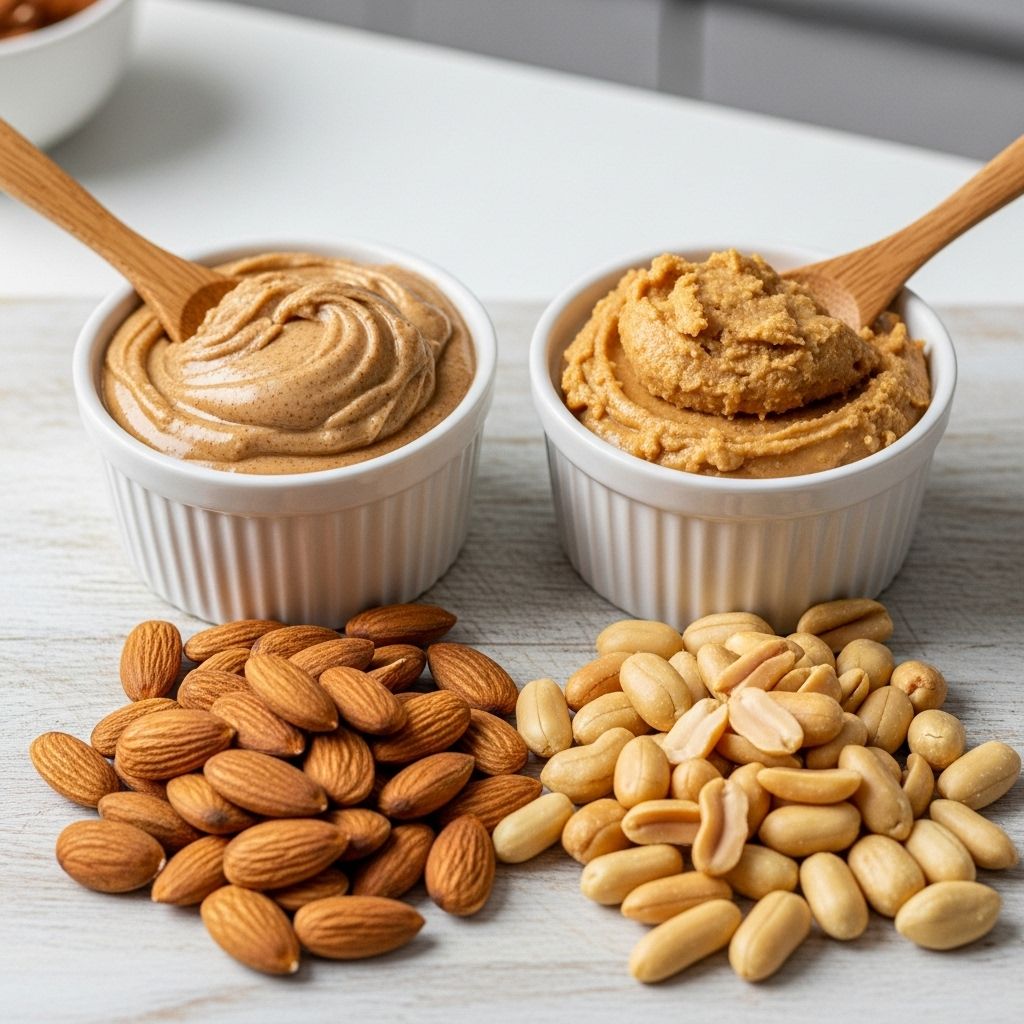
Almond Butter vs Peanut Butter: A Comprehensive Comparison
Nut butters are staple foods around the world, loved for their creamy texture, versatility, and nutritional value. Almond butter and peanut butter stand out as the most popular choices, each with dedicated fans and unique health benefits. If you’re wondering how these butters stack up, this comprehensive guide breaks down their nutrition, health pros and cons, allergen potential, taste, and overall performance to help you make an informed choice.
What Are Almond Butter and Peanut Butter?
Almond butter is made by roasting and grinding almonds into a smooth, creamy paste. Peanut butter is produced by roasting peanuts and grinding them until creamy or chunky. Both can be made with nothing but nuts or with added oils and sugars for texture and flavor.
- Almond butter: Mild, slightly sweet, and subtly nutty. Usually more expensive and considered premium.
- Peanut butter: Bold, roasted, and instantly recognizable flavor. More affordable and highly accessible.
Nutritional Comparison: Almond Butter vs Peanut Butter
Both nut butters are nutrient-dense foods, rich in calories, healthy fats, protein, vitamins, and minerals. Let’s examine their typical nutritional values side by side per 2-tablespoon (32g) serving, unless otherwise noted.
| Nutrient | Almond Butter | Peanut Butter |
|---|---|---|
| Calories | 190 kcal | 188 kcal |
| Protein | 5g | 8g |
| Total Fat | 17g | 16g |
| Monounsaturated Fats | 10g | 7g |
| Saturated Fats | 1.4g | 2.5g |
| Carbohydrates | 6g | 7g |
| Fiber | 3.3g | 2.5g |
| Sugar | 1g | 2g |
| Calcium | 111mg | 17mg |
| Magnesium | 89mg | 49mg |
| Potassium | 240mg | 208mg |
| Vitamin E | 7.2mg | 2.9mg |
| Niacin (Vit B3) | 0.6mg | 4.3mg |
*Values are averages. Individual brands and preparation methods may cause variation.
Calories & Macros
- Both butters are calorie-rich due to healthy fats. Almond butter provides slightly more calories but the difference is minimal.
- Peanut butter delivers 1.5x more protein per serving – a key consideration for athletes or those seeking higher protein intake.
Fat Composition
- Almond butter is higher in monounsaturated fats, which are beneficial for heart health and maintaining healthy cholesterol.
- Peanut butter contains more saturated fat but remains a source of primarily good fats and is cholesterol- and trans-fat free.
Fiber and Sugar
- Almond butter is richer in dietary fiber, aiding digestion and supporting a healthy gut.
- Peanut butter has slightly more sugar and starch content.
Micronutrients
- Almond butter outshines with vitamin E, magnesium, calcium, and potassium, supporting bone health, muscle function, and cellular processes.
- Peanut butter is a strong source of niacin (B3) and B vitamins, vital for energy metabolism and nervous system health.
Health Benefits of Almond Butter
- Heart Health: High levels of monounsaturated fats and vitamin E help reduce cholesterol and oxidative stress.
- Bone Support: More calcium and magnesium than peanut butter aids bone density.
- Antioxidant Power: Rich in vitamin E, protecting cells from damage.
- Digestive Health: More fiber means better digestive regulation and satisfaction, potentially aiding weight management.
- Plant Compounds: Contains flavonoids and phytosterols that support heart and immune health.
Health Benefits of Peanut Butter
- Protein Boost: Higher protein content supports muscle building, repair, and satiety.
- Brain and Nerve Support: Niacin and folate promote healthy nerve and brain cell function.
- Budget-Friendly Nutrition: More affordable way to add protein and healthy fats to the diet.
- Heart Health: Despite more saturated fat than almond butter, peanut butter can help maintain healthy cholesterol if consumed in moderation.
Which Nut Butter is Healthier?
It depends on your specific dietary priorities:
- Choose almond butter if you want higher vitamin E, fiber, and essential minerals, and prefer milder flavor.
- Choose peanut butter if you want higher protein, more niacin, and a robust nutty taste at a lower cost.
- For heart health and anti-inflammatory benefits, almond butter’s higher monounsaturated fats tip the scales.
- For muscle gain or recovery, peanut butter’s protein and B-vitamins are advantageous.
Drawbacks and Allergen Considerations
- Peanut Allergy: One of the most common food allergies, affecting children and adults. Peanut butter is not safe for anyone with a peanut allergy.
- Tree Nut Allergy: Almond butter is not suitable for those allergic to tree nuts, though almond allergies are less common than peanut allergies.
- Calorie Density: Both butters are calorie-dense and easy to overeat. Portion control is important to avoid unintended calorie excess.
- Omega-6 Content: Peanut butter is richer in omega-6 fatty acids, which may contribute to inflammation if not balanced with omega-3 intake.
- Processing: Commercial brands may add sugar, salt, and hydrogenated oils. Opt for natural or single-ingredient varieties for maximum health benefits.
Taste, Texture, and Culinary Uses
| Property | Almond Butter | Peanut Butter |
|---|---|---|
| Flavor | Mild, subtly sweet, adaptable to many dishes | Bold, roasted, classic peanut taste |
| Texture | Smoother, oils may separate, sometimes requires stirring | Thicker, often firmer, less oil separation |
| Uses | Spread on toast, added to smoothies, sauces, baked goods, dips | Classic in sandwiches, baked treats, sauces, snacks |
| Market Impression | Premium, health-conscious, vegan/dairy-free friendly | Familiar, affordable, everyday staple |
Cost and Availability
- Peanut butter is typically less expensive and widely available, making it accessible for most households and used in bulk food formulations. It’s a cost-effective protein and energy source.
- Almond butter is considered a premium product, with a higher price point. Its growth is driven by wellness, vegan, and dairy-free consumer trends.
Which Butter Is Better For Your Goals?
- Weight Management: Both butters aid satiety, but portion control is key due to high calorie content. Almond butter’s fiber may offer a slight edge in fullness.
- Muscle Growth: Peanut butter supplies more protein and niacin, supporting muscle protein synthesis.
- Heart Health: Almond butter’s higher monounsaturated fats and vitamin E offer stronger cardiovascular support.
- Bone Strength: Almond butter, with more calcium and magnesium, is better for bone health.
Tips on Choosing and Using Nut Butter
- Always check labels and opt for unsweetened, unsalted, and minimally processed varieties for maximum nutrition.
- Store natural nut butters in the fridge after opening to prevent oil separation and spoilage.
- If you have nut allergies, seed-based spreads (like sunflower seed butter) are alternatives.
- Both can be added to smoothies, overnight oats, yogurt bowls, energy bars, dressings, or enjoyed as a simple spread.
Frequently Asked Questions (FAQs)
Q: Is almond butter better than peanut butter for weight loss?
A: Both are calorie-rich, so portion control is critical. Almond butter’s higher fiber offers slightly longer-lasting fullness, but neither is inherently better for weight loss if consumed in moderation as part of a healthy diet.
Q: Does almond butter have more protein than peanut butter?
A: No, peanut butter has more protein per serving. If you need higher protein, peanut butter may be preferable.
Q: Which nut butter is best for people with nut allergies?
A: Neither. Those with peanut allergies should avoid peanut butter, those with tree nut allergies should avoid almond butter. Look for seed alternatives such as sunflower seed butter for allergy-friendly options.
Q: Can I use almond butter and peanut butter interchangeably in recipes?
A: In most cases, yes. Both work well as spreads or in baking, smoothies, and sauces, but almond butter’s mild flavor and smoother texture may blend more seamlessly into some dishes.
Q: Are either of these butters suitable for a vegan or vegetarian diet?
A: Yes, both almond butter and peanut butter are plant-based, making them excellent additions to vegan and vegetarian diets.
Final Thoughts
Both almond butter and peanut butter are nutritious, delicious, and versatile additions to a balanced diet. Almond butter is a superior source of vitamin E, magnesium, and fiber, while peanut butter brings more protein and B vitamins. Always choose unsweetened and unsalted varieties for health benefits. Ultimately, your choice depends on dietary needs, taste preferences, allergies, and budget.
Similar Articles








Read full bio of medha deb