Unlocking the Amazing Benefits of Olive Oil for Health, Skin, and Hair
Discover the multifaceted benefits of olive oil for your health, skin, and hair—all backed by science and centuries of tradition.
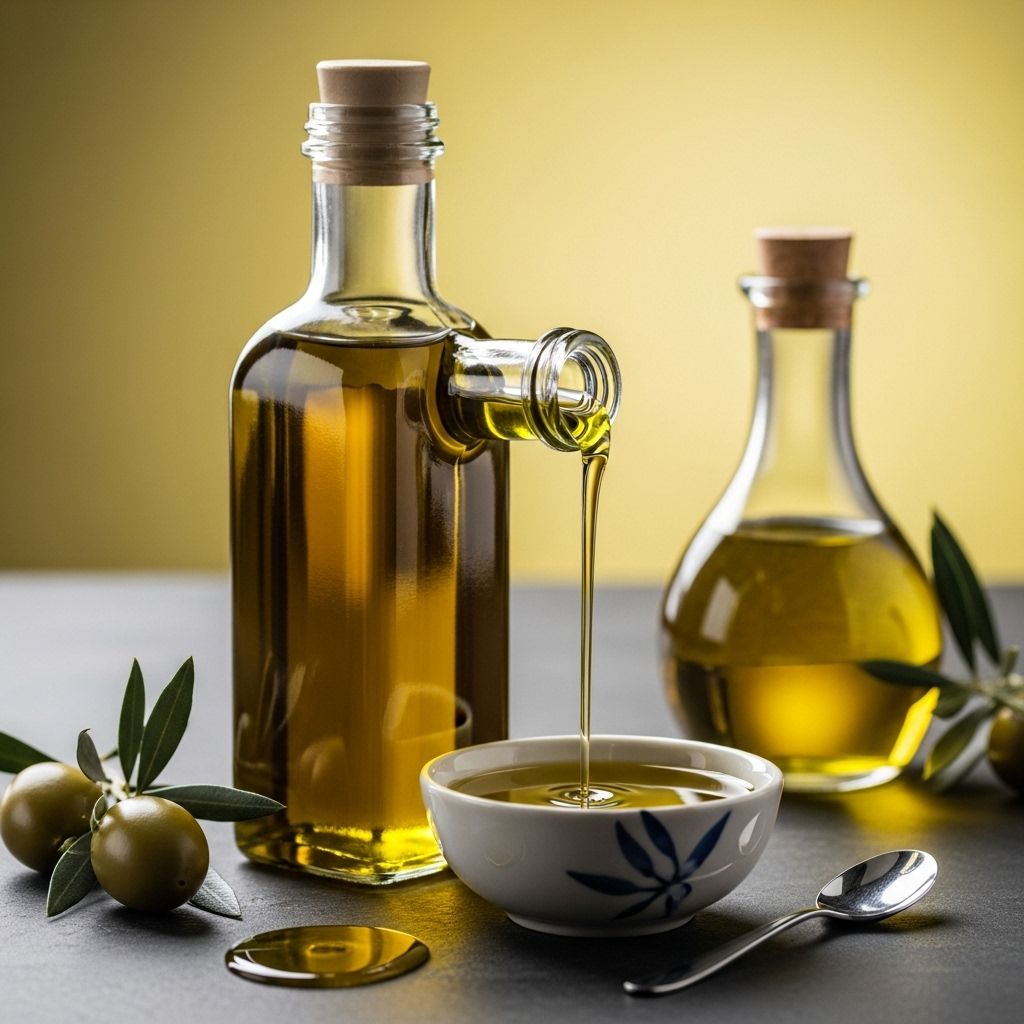
Unlocking the Amazing Benefits of Olive Oil
Olive oil, a staple in Mediterranean cuisine, is much more than a flavorful cooking ingredient. From enhancing heart health to nourishing the skin and hair, this versatile oil is celebrated for its robust nutritional profile and therapeutic properties. Whether drizzled over salads, massaged into the scalp, or used as a topical moisturizer, olive oil’s benefits are substantiated by scientific research and centuries-old tradition.
What Makes Olive Oil Unique?
Derived from the fruits of the Olea europaea tree, olive oil is rich in monounsaturated fatty acids, powerful antioxidants, and a host of micronutrients. The highest quality, extra virgin olive oil (EVOO), is cold-pressed to preserve its natural bioactive compounds, including polyphenols, vitamins, and squalene. These key ingredients are at the heart of olive oil’s positive effects on health, skin, and hair.
Health Benefits of Olive Oil
- Supports Heart Health: Regular consumption of olive oil, especially extra virgin varieties, helps reduce levels of total cholesterol and LDL cholesterol (“bad” cholesterol) while improving HDL cholesterol (“good” cholesterol) thanks to its high monounsaturated fat content and polyphenols. This optimizes lipid metabolism, lowering the risk of atherosclerosis and cardiovascular diseases.
- Regulates Blood Sugar: Olive oil may aid in stabilizing blood sugar levels, particularly when part of a Mediterranean-style diet, making it beneficial for those at risk for diabetes.
- Anti-Inflammatory Properties: Olive oil is abundant in bioactives like oleocanthal and oleuropein, which exhibit anti-inflammatory effects. These benefit both internal and external health, potentially easing symptoms of chronic inflammation-related conditions.
- Antioxidant Protection: Rich in natural antioxidants such as vitamin E and hydrophilic phenols, olive oil helps neutralize free radicals that can cause cell damage and contribute to aging and disease.
- Bone and Cognitive Health: Emerging studies suggest regular olive oil intake can support bone strength and may have beneficial effects on mood and cognitive function over time.
Table: Olive Oil Health Benefits at a Glance
| Benefit | Key Components | Supported By |
|---|---|---|
| Lower cholesterol and heart disease risk | Monounsaturated fats, polyphenols | Clinical trials, meta-analyses |
| Blood sugar regulation | Monounsaturated fats | Dietary studies |
| Reduced inflammation | Oleocanthal, oleuropein | Laboratory research |
| Antioxidant protection | Vitamin E, phenolics | Antioxidant studies |
| Bone and cognitive health | Squalene, polyphenols | Population studies |
Olive Oil for Skin: Natural Beauty from Within
Olive oil has earned its reputation as a natural skin moisturizer and healer due to its deep-penetrating fatty acids, antioxidants, and antimicrobial properties. Here’s how olive oil supports healthy, radiant skin:
- Moisturizing Properties: Essential fatty acids in olive oil nourish and hydrate the skin’s outer layer, forming a protective barrier against dryness and environmental damage. This makes it especially effective for sensitive or dry skin.
- Anti-Inflammatory Effects: Used to soothe wounds, sores, and certain dermatitis conditions, olive oil can aid in wound healing and reduce irritation—valuable for people with eczema, psoriasis, or atopic dermatitis.
- Nutrient-Rich Composition: Beyond fats, olive oil contains more than 200 chemical compounds, such as sterols, carotenoids, triterpenic alcohols, and phenolic compounds. These collectively nourish and protect skin cells.
- Antioxidant Power: Olive oil is filled with hydrophilic phenols, outperforming even vitamin E in antioxidant efficacy. These compounds protect the skin against oxidative stress and aging while supporting repair and cell renewal.
- Anti-Aging Potential: Olive oil stabilizes cellular membranes and reduces the appearance of fine lines. Research indicates EVOO applied to the skin can delay cancer onset caused by UVB exposure and slow the symptoms of visible aging.
- Soothes Skin Conditions: Thanks to squalene and phenolics, olive oil helps manage seborrheic dermatitis, acne, psoriasis, and infant skin inflammation, though it performs best when combined with other treatments.
- Antimicrobial Action: Hydroxytyrosol offers antimicrobial benefits, assisting in the treatment and prevention of skin infections.
- Promotes Overall Skin Health: Its blend of emollients and antioxidants keeps skin supple, soft, and youthful. Olive oil also enhances the skin’s resilience against UV-related damage.
- Treats Burns: Mixtures of olive oil, sesame oil, and honey have proven effective as topical treatments for burns, helping accelerate tissue repair and reducing risk of infection.
How to Use Olive Oil for the Skin
- Apply a small amount of extra virgin olive oil to clean skin as a moisturizer.
- Use olive oil to remove makeup while simultaneously nourishing facial skin.
- Add olive oil to homemade scrubs, combining it with sugar or sea salt for gentle exfoliation.
- For wound care, blend olive oil with natural honey and apply to minor burns or ulcers, as studies have illustrated positive outcomes.
Olive Oil for Hair: Natural Conditioner and Growth Booster
As a time-honored remedy for dry, frizzy, and damaged hair, olive oil’s emollient effect provides an effective solution for numerous hair concerns:
- Hydrates Dry Hair: Olive oil acts as a natural conditioner, minimizing frizz, enhancing softness, and delivering vital moisture to hair strands.
- Promotes Hair Growth: Compounds such as oleuropein can stimulate the anagen (growth) phase in hair follicles, supporting hair thickness and length.
- Protects Against Damage: By forming a thin protective film, olive oil shields hair from split ends, breakage, and environmental stressors, helping maintain hair length.
- Prevents Oxidative Damage: The phenolic compounds in olive oil help neutralize harmful reactive oxygen species, reducing risk of premature graying and maintaining hair’s youthful look.
- Calms Sensitive Scalp: Olive oil’s anti-inflammatory properties soothe the scalp, reducing irritation and promoting scalp health, which in turn potentially enhances overall hair quality.
DIY Olive Oil Treatments for Hair
- Blend extra virgin olive oil with shea butter or avocado to create a nourishing hair mask. Apply for 30 minutes and rinse thoroughly.
- Massage olive oil directly onto the scalp to help moisturize and relieve dryness.
- Apply a light coating to hair ends before shampooing to prevent split ends and breakage.
- Always perform a patch test before first-time use to rule out possible allergic reactions.
Extra Virgin Olive Oil: The Gold Standard
Among all varieties, extra virgin olive oil offers the highest concentration of antioxidants, polyphenols, and monounsaturated fats. It is cold-pressed, unrefined, and retains the natural color, aroma, and therapeutic properties. Regular intake and topical application of EVOO are most closely linked with the health benefits described above.
- Extra virgin olive oil should be stored in a cool, dark place to preserve its nutritional value.
- Look for details like “cold-pressed” and “unfiltered” on the label for the purest forms.
How to Choose and Use Olive Oil Effectively
- Opt for certified extra virgin olive oil for maximum health, skin, and hair benefits.
- In cooking, use it for salad dressings, drizzling over vegetables, and low-heat sautéing to protect its delicate phytochemicals.
- For topical use, look for organic, cold-pressed oil free from additives and fragrances.
- Always perform a patch test before applying pure olive oil to skin or hair to rule out allergies.
Frequently Asked Questions (FAQs)
Q: Is olive oil suitable for all skin types?
While olive oil is well-tolerated by most, those with oily or acne-prone skin should use it sparingly and patch test before application. Some studies suggest it may not be suitable for all individuals with sensitive skin.
Q: Can olive oil really prevent heart disease?
Numerous clinical trials link regular extra virgin olive oil consumption to reduced heart disease risk due to its effects on cholesterol and antioxidant activity. However, benefits are optimized as part of a healthy, balanced diet.
Q: How much olive oil should I eat daily?
Studies typically recommend 2–3 tablespoons (about 25–35 ml) of extra virgin olive oil per day for optimal heart and metabolic health.
Q: Can olive oil cure skin conditions like eczema or psoriasis?
Olive oil may help soothe symptoms of certain skin conditions but is best used alongside other treatments. It is not considered a standalone cure.
Q: Is olive oil good for hair growth?
Animal studies suggest compounds in olive oil such as oleuropein may stimulate hair growth. Human studies are limited but many people experience improved hair texture and reduced breakage.
Potential Precautions and Considerations
- Individuals with allergies to olives should avoid topical use and ingestion of olive oil.
- Always perform a patch test before using pure olive oil on skin or scalp.
- For those on calorie-restricted diets, remember that olive oil is high in calories and should be consumed in moderation.
- Seek medical advice before using olive oil therapeutically for chronic skin or health conditions.
Conclusion: Why Olive Oil Deserves a Place in Your Routine
From ancient healing traditions to modern scientific recognition, olive oil stands out as a powerful ally for health, beauty, and wellbeing. Its combination of healthy fats, antioxidants, and skin-loving nutrients makes it an essential ingredient—on your plate, in your beauty kit, and even in your daily self-care rituals. Embrace olive oil for vibrant health, radiant skin, and strong, lustrous hair.
Similar Articles







Read full bio of medha deb