7 Powerful Benefits of Plantains: Nutrition, Uses, and More
Explore why plantains are a global superfood—discover their health benefits, nutritional power, and smart ways to add them to your diet.
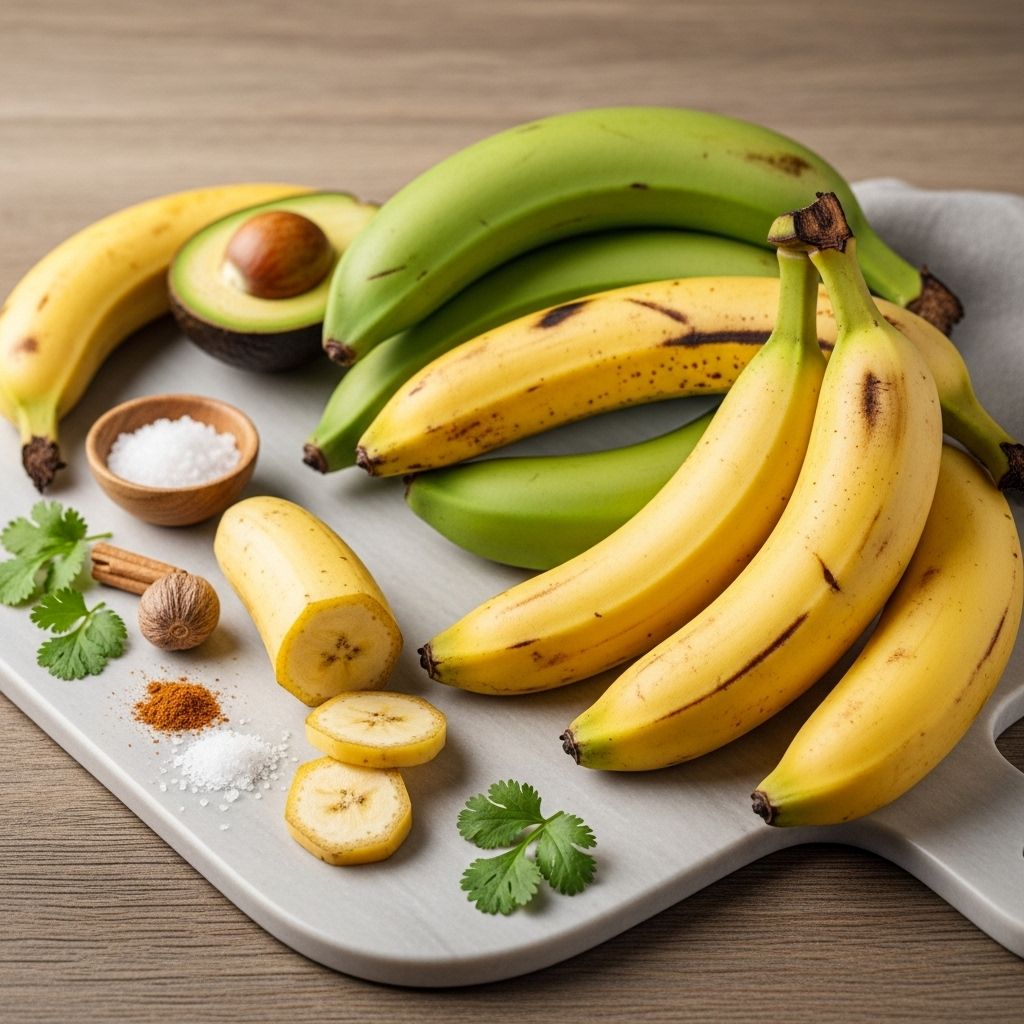
Plantains are a staple food in many cultures worldwide, often known as the ‘cooking banana.’ Rich in fiber, essential vitamins, minerals, and unique antioxidants, plantains have cemented their place as a highly nutritious, versatile, and beneficial food. This article explores everything you need to know about plantains—from their robust nutritional profile to the remarkable ways they support health and how to use them in daily meals.
Key Takeaways
- Plantains help regulate blood pressure, boost cardiovascular health, and strengthen the immune system.
- They aid in weight management, support digestion, and prevent oxidative stress.
- Plantains are high in dietary fiber and vital nutrients like potassium and vitamin C, making them a beneficial addition to most diets.
- Raw plantains should never be eaten; always cook them for best taste and nutritional value.
Nutrition Facts of Plantains
A 100g serving of cooked plantains supplies a range of key nutrients:
| Nutrient | Amount (per 100g) |
|---|---|
| Calories | 152 kcal |
| Carbohydrates | 36.7 g |
| Fiber | 2.2 g |
| Protein | 1.25 g |
| Potassium | 431 mg |
| Vitamin C | 20.2 mg |
Plantains are best thought of as a starchy vegetable rather than a sweet fruit. Their composition differs from common dessert bananas: plantains contain less sugar, more starch, and must be cooked for proper digestion and taste.
Health Benefits of Plantains
1. May Lower Blood Pressure
Potassium is abundant in plantains, and this mineral is crucial for blood pressure control. Multiple studies have shown potassium intake helps relax blood vessels, reduce sodium’s harmful effects, and lower the risk of hypertension, stroke, and kidney disease. Additionally, potassium supports healthy heart rhythm and artery health.
Plantain peels, though not typically consumed, are also reported by some individuals (including farmers) to influence blood pressure positively. However, always consult food safety guidelines before trying unconventional plant parts.
2. May Promote Cardiovascular Health
Dietary fiber in plantains has a proven role in lowering cholesterol and reducing risk of heart disease. Soluble fibers can reduce ‘bad’ LDL cholesterol, while potassium in plantains contributes by managing blood pressure. Consuming high-fiber foods like plantains is linked to a lower risk of cardiovascular disease and cardiac-related death.
- Fiber inhibits cholesterol absorption in the gut
- Potassium maintains fluid balance and supports normal heart function
3. May Reduce Oxidative Stress
Antioxidants such as polyphenols, flavonoids, and vitamin C are found in plantains. These compounds neutralize harmful free radicals and may protect the body from oxidative damage, reducing the risk of chronic disease. Antioxidants have been studied for protective roles against tissue damage, premature aging, and several cancers.
- Vitamin C supports immune health and counteracts free radical stress
- Polyphenols and flavonoids offer anti-inflammatory benefits
4. May Support the Immune System
Plantains supply vitamin C and vitamin A — two powerful nutrients for immune function.
- Vitamin C acts as an antioxidant and strengthens the immune response by supporting cellular defense
- Vitamin A has anti-inflammatory effects and regulates both innate and adaptive immune processes
Sufficient intake of these vitamins can enhance resistance to infection and help the body recover faster from illness.
5. May Help with Weight Management
The high fiber content of plantains increases satiety and facilitates healthy weight management. Dietary fiber slows digestion, prolongs feelings of fullness, and reduces hunger between meals. Multiple studies link a fiber-rich diet to reduced calorie intake and improved weight control, especially when paired with calorie restriction or increased activity.
- Complex carbohydrates and fiber prevent energy spikes and crashes
- Fiber intake also supports sustainable weight loss in adults
6. May Promote Digestive Health
Regular consumption of plantains supports digestive motility and gut health. The insoluble and soluble fibers in plantains absorb water, add bulk to stool, and promote regular bowel movements. This can relieve or prevent constipation and lower risk of diverticular disease and hemorrhoids.
- Fiber eases stool passage and fosters a healthy intestinal environment
- May help reduce incidence and severity of constipation
7. May Help Manage Diabetes
Unripe plantains are low in sugar and high in resistant starch—a beneficial form of carbohydrate for blood sugar control. Resistant starch slows glucose absorption after meals and minimizes blood sugar spikes. People with type 2 diabetes may use plantains as a healthy, starchy side that fits into carbohydrate-managed diets.
- Fiber-rich foods support better blood sugar stability
- Resistant starch can boost insulin sensitivity and improve glycemic control
Plantain Nutrition vs. Banana Nutrition
Plantains and bananas share a botanical relationship, but they differ:
| Nutrient | Plantain (100g) | Banana (100g) |
|---|---|---|
| Calories | 152 | 89 |
| Carbohydrates | 36.7 g | 22.8 g |
| Sugar | 14.9 g (ripe) | 12.2 g |
| Potassium | 431 mg | 358 mg |
| Fiber | 2.2 g | 2.6 g |
Plantains have more starch and less sugar than bananas. They must be cooked, whereas bananas are typically eaten raw.
How to Use and Eat Plantains
- Always cook plantains; raw plantains are starchy, dense, and not digestible
- Chop just before cooking to prevent browning
- Add to stews, soups, or grill/bake as a potato substitute
- Popular in Caribbean, African, Southeast Asian, and Latin cuisines
- Can be used in gluten-free cooking (e.g., plantain pancakes, arepas, fritters)
Choose plantains according to use:
- Green (unripe): Starchy and firm—best for savory dishes or as a potato replacement
- Yellow/brown (ripe): Sweeter, softer—ideal for roasting, frying, or baking
Tips for Cooking Plantains
- Baking or grilling is healthier than deep frying
- Use healthy oils like olive oil or avocado oil if pan-frying
- Try steaming or boiling with spices for a simple side dish
- Experiment with mashed or pureed plantain for pancakes or baked goods
Potential Side Effects and Precautions
- Plantains should always be cooked thoroughly—raw consumption may cause digestive distress
- People with latex-fruit syndrome (allergy) should avoid if sensitive to other members of the banana family
- Excess consumption may not be advisable for those on potassium-restricted diets
- Portion size should be managed for those tracking carbohydrate intake
Frequently Asked Questions (FAQs)
Q: Can you eat plantains raw?
A: No. Plantains are too starchy and should always be cooked. Eating them raw is not recommended due to poor taste and digestibility.
Q: Is plantain good for diabetics?
A: Yes. Unripe plantains have low sugar and are high in resistant starch, helping with blood glucose control. Just keep portions in check.
Q: What are the main differences between bananas and plantains?
A: Plantains are larger, thicker-skinned, and more starchy than bananas and always cooked before eating. Bananas are sweeter and typically eaten raw.
Q: How should plantains be stored?
A: Store unripe plantains at room temperature. Once ripe, they can be refrigerated to slow further ripening. Always chop plantains right before use as they brown quickly.
Q: Are there any risks in eating plantains?
A: Plantains are safe for most people when cooked. However, those with allergies to banana family fruits or those needing low-potassium diets should use caution.
Conclusion: Why You Should Add Plantains to Your Diet
Plantains are a nutritional powerhouse, providing fiber, potassium, vitamins A and C, and key antioxidants that support multiple areas of human health. They can fit into a wide variety of cooking traditions, replacing less nutritious starchy sides or adding bulk and nutrition to soups, stews, and baked dishes. With proven benefits for heart, digestive, immune, and metabolic health, adding plantains to your diet can be both delicious and deeply rewarding for your well-being.
Similar Articles






Read full bio of medha deb