Best Home Remedies for Vaginal Itching and Burning Relief
Learn effective, natural, and practical home remedies that can soothe vaginal itching and burning, plus get answers to frequently asked questions.
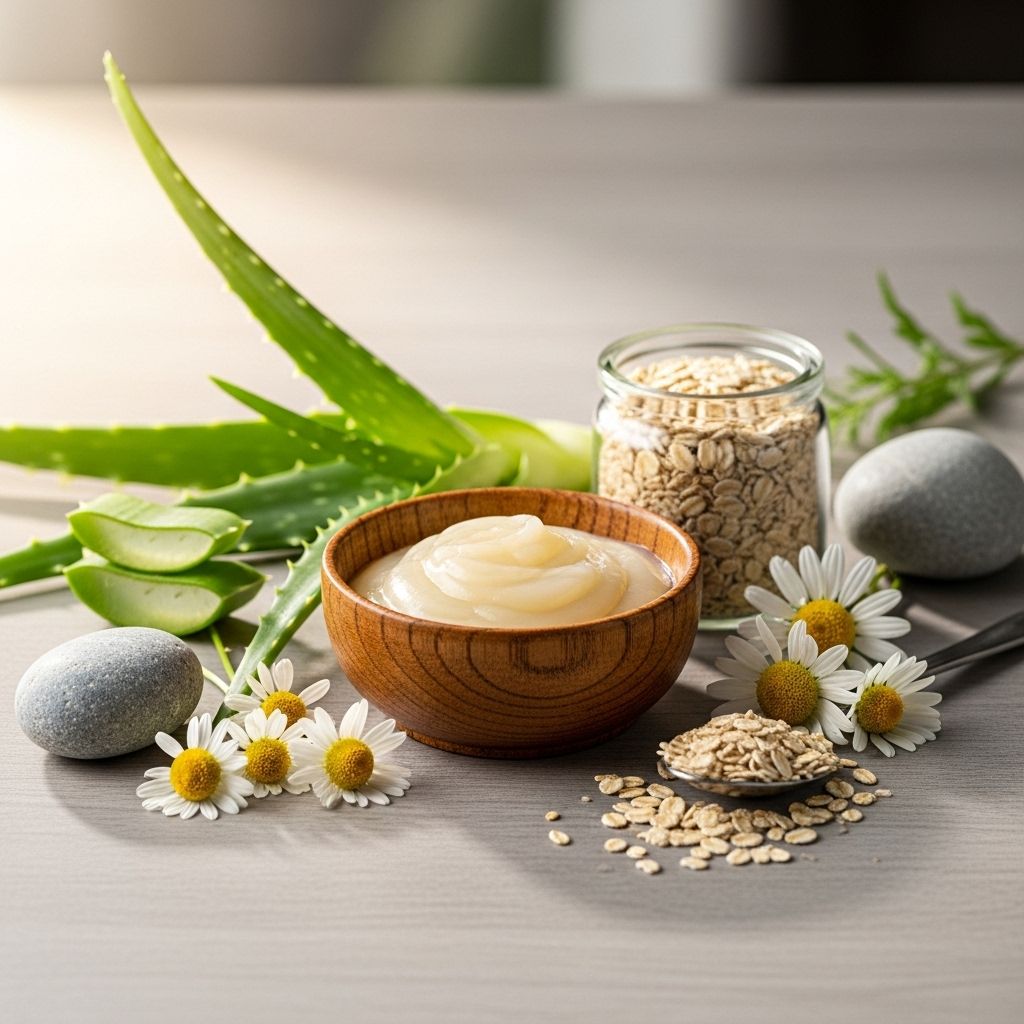
Best Home Remedies for Vaginal Itching and Burning
Vaginal itching is a common but distressing symptom that affects many women at some stage in their lives. Whether caused by an infection, skin irritation, dryness, or an imbalance in the vaginal flora, this discomfort can disrupt regular activities and cause significant anxiety. Fortunately, several effective home remedies can deliver relief from both itching and burning sensations, support the restoration of healthy vaginal balance, and help prevent recurrences.
Understanding Vaginal Itching and Burning
Vaginal itching and burning can result from a variety of causes such as yeast infections, bacterial vaginosis, allergic responses, skin conditions, hormonal changes, or even stress. While many cases are mild and treatable at home, persistent or severe symptoms should be evaluated by a healthcare provider to exclude more serious underlying health concerns.
Key Principles for Managing Vaginal Itching at Home
- Hygiene: Gently wash the vulva (the outer area) with warm water. Avoid perfumed and harsh soaps, douches, or intimate products containing irritants.
- Stay Dry: Moist environments favor the growth of yeast and bacteria. Keep the area dry, change out of wet clothing promptly, and opt for breathable underwear.
- Avoid Scratching: As tempting as it may be, scratching increases irritation and may multiply the risk of infection.
- Monitor Symptoms: Keep track of associated symptoms, such as abnormal discharge, fever, or sores, and consult your doctor if these occur.
Most Effective Home Remedies for Vaginal Itching and Burning
Below is a comprehensive guide to tried and trusted home remedies. Most remedies can be adapted to suit individual needs and levels of sensitivity. For best results, use these interventions under guidance or after ruling out a need for prescription treatment.
1. Baking Soda Bath
Baking soda is renowned for its soothing, anti-inflammatory, and gently antiseptic properties. It can help neutralize acids, relieve itching, and restore comfort.
- Fill a bathtub with warm (not hot) water.
- Add 1/4 to 1 cup of baking soda, stir to dissolve.
- Soak for 15–20 minutes, then dry the area gently with a clean towel.
Always ensure not to overdo baking soda baths, as frequent use may alter natural flora balance.
2. Plain Yogurt
Unsweetened, plain yogurt contains active ‘lactobacillus’ bacteria, which restore a healthy balance of vaginal flora and compete against yeast and harmful bacteria.
- Apply a thin layer of plain yogurt externally to the vulva and surrounding area.
- Let it sit for 15–20 minutes before rinsing off with lukewarm water.
- Alternatively, consuming unsweetened yogurt regularly may also contribute to healthier vaginal flora from within.
3. Probiotics
Probiotics, whether taken as oral supplements or included in the diet (as in yogurt, kefir, or fermented foods), help to maintain or restore the natural bacterial balance in the vagina, reducing unpleasant symptoms and preventing recurrences.
- Look for species such as Lactobacillus reuteri and Lactobacillus rhamnosus in supplements.
- Take as directed by the manufacturer or your healthcare provider.
4. Cold Compress
An immediate way to reduce discomfort and swelling is through a cold compress. Cool temperatures numb the area, control itching, and calm inflamed skin.
- Wrap ice or a cold pack in a clean, soft cloth (never apply ice directly).
- Gently apply to the affected area for 5–10 minutes. Repeat as needed, ensuring breaks between applications to prevent skin injury.
5. Coconut Oil
Coconut oil is known for its hydrating, anti-inflammatory, and antimicrobial effects. It is generally safe for external use on the vulva and can reduce itching due to dryness or irritation.
- Apply a small amount of virgin coconut oil to the external vulvar area.
- Avoid using internally or with latex condoms (as oil can degrade latex).
6. Oatmeal Bath
Colloidal oatmeal helps to alleviate itching, redness, and inflammation. Oatmeal baths are particularly calming for sensitive or eczema-prone skin.
- Add 1 cup of colloidal oatmeal to warm bathwater.
- Sit and soak for 15–20 minutes.
- Rinse and gently pat the area dry.
7. Apple Cider Vinegar (Diluted)
Diluted apple cider vinegar can help restore the natural acidic pH of the vaginal environment, making it less hospitable to yeast and bacteria. Use with caution, as undiluted vinegar can irritate sensitive tissues.
- Mix 1–2 tablespoons of apple cider vinegar in a full glass (about 8 oz) of warm water.
- Use as a mild rinse for external genitalia, then rinse off thoroughly with plain water.
8. Aloe Vera Gel
Pure aloe vera gel is cooling and anti-inflammatory. It soothes irritation, reduces redness, and calms itching when applied externally. Always use gel free from fragrance and additives for intimate areas.
- Apply a thin layer to the external area as needed.
9. Over-the-Counter (OTC) Creams and Emollients
Certain non-prescription creams may help manage symptoms. Use only products designed for external genital application.
- Hydrocortisone Cream: Reduces inflammation and itching on the outside of the vulva. Use sparingly and for short periods.
- Anti-fungal Creams: Effective if yeast infection is suspected; follow instructions and do not use internally unless directed.
- Petroleum Jelly or Barrier Creams: Provides moisture and reduces irritation from dryness or chafing.
10. Cotton Underwear and Loose Clothing
Switching to loose, breathable cotton underwear reduces moisture buildup, prevents irritation, and keeps the area ventilated. Avoid tight, synthetic fabrics which trap heat and moisture, increasing discomfort.
11. Tea Tree Oil (Well Diluted)
Tea tree oil possesses antifungal properties, which may help if itching is caused by yeast. It must be heavily diluted in a carrier oil, as undiluted tea tree oil may burn sensitive skin. Always patch test first and discontinue if irritation occurs.
12. Vitamin E
Vitamin E, found in creams or suppositories, may assist with dryness and skin barrier repair. Use only formulations specifically made for vaginal or external use.
Frequently Asked Questions (FAQs)
What are the best home remedies for vaginal itching and burning?
Effective remedies include baking soda baths, plain yogurt application, probiotics (orally or topically), cold compresses, coconut oil, oatmeal baths, diluted apple cider vinegar rinses, and pure aloe vera gel.
Can I use baking soda to relieve vaginal itching?
Yes. Baking soda, when added to bathwater or used in a diluted wash, can help soothe itching by neutralizing irritants and restoring comfort. Limit frequency to prevent disrupting natural pH balance.
How does yogurt help with vaginal itching?
Yogurt contains live bacteria (lactobacilli) that encourage balanced vaginal flora and can outcompete yeast or bad bacteria, helping to relieve both itching and burning. Choose plain, unsweetened yogurt for topical use.
When should I see a doctor about vaginal itching?
If itching persists beyond a few days, is extremely severe, or is accompanied by symptoms like unusual discharge, odor, rash, sores, abdominal pain, or fever, you should seek medical evaluation to rule out infections or other conditions.
Are home remedies safe for everyone?
Most remedies are gentle but always patch test unfamiliar substances, avoid harsh or fragranced products, and be aware of allergies. Pregnant individuals or those with weakened immune systems should consult a provider before trying new treatments.
Prevention Tips for Minimizing Vaginal Itching
- Avoid irritants like scented soaps, sanitary products, and bubble baths.
- Wash the vulva with water or a gentle, hypoallergenic cleanser.
- Switch to unscented pads and panty liners.
- Practice proper hygiene: wipe front to back and keep the genital area dry.
- Choose cotton underwear and replace it daily.
- Stay hydrated and maintain a balanced diet rich in probiotics and fiber.
- Seek prompt treatment for infections and avoid self-diagnosis of persistent symptoms.
Table: Common Causes vs. Recommended Remedy
| Cause | Recommended Home Remedy |
|---|---|
| Yeast Infection | Plain yogurt, anti-fungal cream, probiotics, coconut oil, tea tree oil (diluted) |
| Skin Irritation/Allergy | Cold compress, oatmeal bath, switching to unscented products, loose clothing |
| Dryness | Vitamin E, coconut oil, bath oils, pure aloe vera gel |
| Bacterial Imbalance | Probiotics, apple cider vinegar rinse (diluted) |
When to Seek Medical Help
Although home remedies are safe and effective for many women, it’s important to recognize when to consult a healthcare provider. Seek medical attention if:
- Your symptoms persist for more than a few days despite home treatment.
- You experience abnormal, foul-smelling, or green/yellow discharge.
- There is visible rash, sores, swelling, or intense pain.
- You develop fever or flu-like symptoms.
- You are pregnant, immunocompromised, or have diabetes.
Summary: Key Takeaways for Relief and Comfort
- Many cases of mild vaginal itching and burning can be safely managed at home with remedies such as baking soda baths, yogurt, probiotics, and gentle, supportive care.
- Prevention largely centers on good hygiene, avoiding irritants, and supporting vaginal health through diet and appropriate personal care.
- Persistent, severe, or recurrent symptoms warrant a professional assessment to address underlying causes.
Frequently Asked Questions (FAQs)
Q: Can I apply yogurt inside the vagina directly?
A: While many women apply plain yogurt to the external vulva for symptom relief, internal application should only be attempted after consulting a healthcare provider.
Q: Are over-the-counter anti-itch creams safe to use?
A: Use only products labeled for external vaginal use, avoid strong steroids, and follow all instructions. If irritation worsens, stop using immediately and consult a doctor.
Q: Does diet affect vaginal health?
A: Yes. Consuming probiotics, reducing sugar intake, and maintaining balanced nutrition supports healthy vaginal flora and immune function, reducing the risk of infections and irritation.
Similar Articles






Read full bio of Sneha Tete