Dog Diarrhea Home Remedies: Effective Treatments Every Owner Should Know
Help your dog recover from digestive upset naturally with proven home remedies, safety tips, and expert advice for diarrhea management.
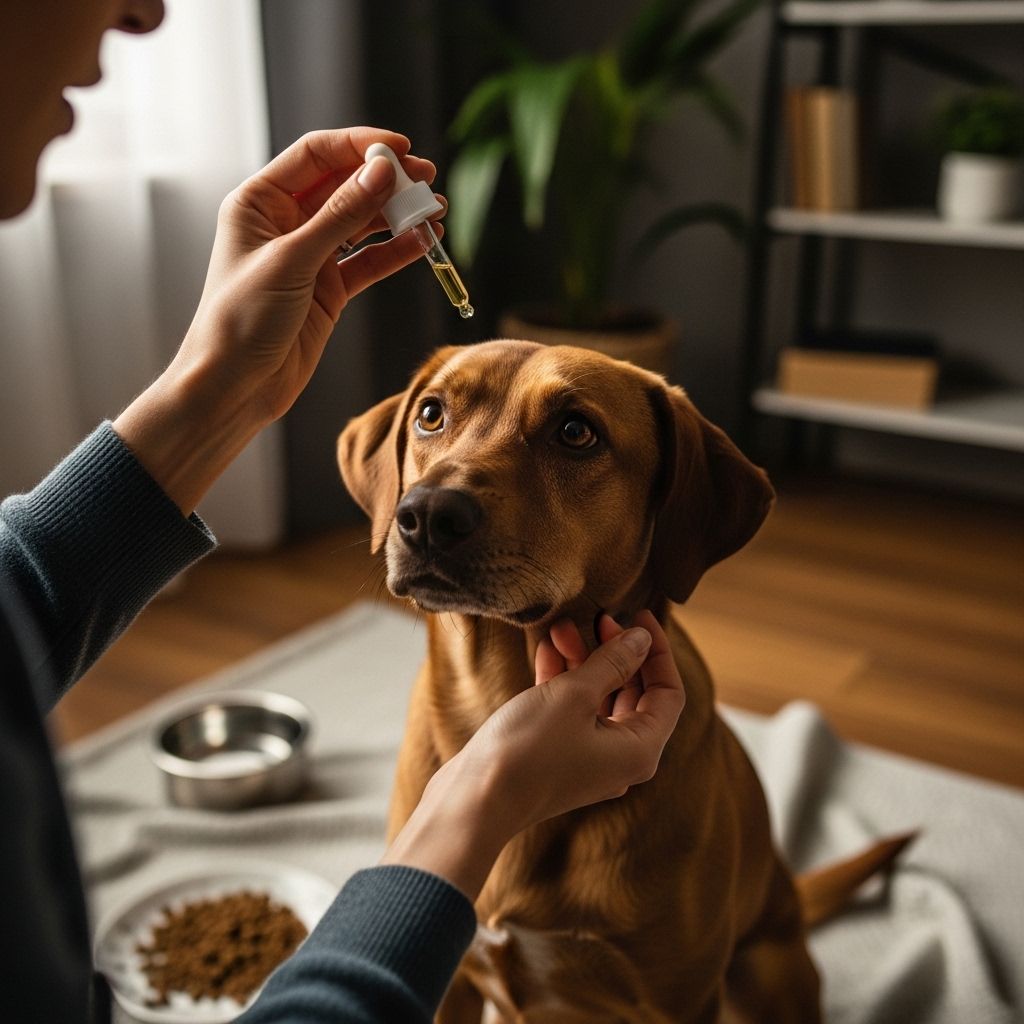
Dog owners often face the unpleasant and worrying issue of dog diarrhea. While occasional digestive upset is usually mild and manageable at home, persistent or severe symptoms require prompt veterinary attention. This comprehensive guide covers safe, proven home remedies, precautionary measures, and red flags that indicate it’s time to call your vet.
Understanding Dog Diarrhea
Diarrhea is characterized by loose, watery, or frequent stools. It is usually a sign that something has disrupted your dog’s digestive tract. Common culprits include dietary indiscretion, abrupt diet changes, bacterial infections, viruses, parasites, stress, or food intolerance. Evaluating your dog’s overall health, age, and the severity of symptoms helps determine the best course of action.
- Acute diarrhea: Sudden onset, often brief and mild. Triggered by dietary mistakes or mild infections.
- Chronic diarrhea: Lasts several days or returns repeatedly. May indicate deeper health issues requiring veterinary diagnosis.
Safe and Effective Home Remedies for Dog Diarrhea
For mild, short-lived diarrhea in otherwise healthy adult dogs, the following home remedies are widely recommended and supported by veterinarians and pet health experts.
1. Withhold Food Temporarily (Fasting)
Allowing your dog’s digestive system to rest is often the first step in handling mild diarrhea. Withholding food for 12 to 24 hours can give the gut time to recover and calm inflammation, but never fast puppies, elderly, or chronically ill dogs, as this can be dangerous for their health.
Note: Always keep fresh water available to prevent dehydration.
After fasting, gradually re-introduce food, starting with a bland diet.
- Adult dogs: Fast for 12–24 hours. Monitor hydration closely.
- Puppies or seniors: Do not withhold food. Instead, opt for bland meals and consult a vet if symptoms persist.
2. Bland Diet: Chicken and Rice
The classic bland dog diarrhea diet features boiled skinless chicken breast combined with plain white rice. This gentle combination soothes digestion and can help firm up stools.
- Boil chicken in unsalted water, shred finely.
- Cook plain white rice. No salt, oils, butter, or seasonings.
- Mix two parts chicken to one part rice.
- Feed small portions (1-2 tablespoons for large dogs, 1 teaspoon for small dogs) every few hours.
- If tolerated, gradually increase portion size over 24 hours. Transition back to regular diet over several days.
Why chicken and rice? This meal is easily digested, low in fat, and unlikely to trigger further digestive upset.
3. Plain Pumpkin
Pumpkin is a nutritional powerhouse for canine digestion. Rich in soluble fiber, it absorbs excess moisture in the colon and supports healthy gut bacteria. Use only 100% plain canned pumpkin (not pie filling or sweetened varieties).
- Feed 1–3 tablespoons plain pumpkin, depending on your dog’s size.
- Do not add sugar or spices.
- Fresh-cooked, mashed pumpkin is also effective. Remove seeds and skin.
- Store unused portions in the refrigerator for 3–4 days; freeze for longer storage.
| Dog Size | Pumpkin Amount (per serving) |
| Small (under 25 lbs) | 1 teaspoon |
| Medium (25–50 lbs) | 1–2 tablespoons |
| Large (over 50 lbs) | 2–3 tablespoons |
4. Bone Broth
Plain bone broth provides easily absorbed minerals and keeps your dog hydrated while reducing digestive stress. Simmer raw bones and connective tissue (no onions, garlic, salt, or spices) for 12–24 hours to make a nutritious, gut-soothing broth.
- Cool before serving; discard any bones.
- Offer broth alone or add to food for added flavor.
- Always double-check store-bought bone broth for sodium content and ingredient safety.
5. Probiotics and Ferments
Adding probiotic-rich foods or supplements to your dog’s diet can restore healthy digestive flora, especially after gut disruptions or antibiotic use.
- Introduce plain, unsweetened Greek yogurt with active cultures (1 teaspoon for small dogs, 1 tablespoon for large dogs).
- Consider veterinary probiotic supplements for more potent effects.
- Psyllium husk (like Metamucil) can also aid firming up stools. Dosage based on weight: ¼ teaspoon for dogs under 25 lbs, ½ teaspoon for 25–50 lbs, 1 teaspoon for over 50 lbs, twice daily.
Tip: Not all dogs handle dairy well. Try a small portion first and monitor for signs of intolerance, such as vomiting or increased diarrhea.
6. Hydration is Critical
Diarrhea can quickly dehydrate your dog. Provide fresh water at all times. If needed, add a small amount of low-sodium chicken or beef broth to encourage drinking. Signs of dehydration include dry gums, lethargy, sunken eyes, and loss of skin elasticity. If these appear, contact your veterinarian immediately. Severe dehydration can be life-threatening.
- Check water bowls frequently, refill and clean regularly.
- Consider electrolyte solutions made for pets (ask your vet before using).
When to Call the Veterinarian
Home treatment is appropriate only for mild, short-lived diarrhea in healthy dogs. However, some symptoms mean you should contact a vet right away:
- Diarrhea persists for more than 48 hours, or worsens in severity.
- Blood in stool, black tarry stools, or mucus.
- Vomiting, fever, severe lethargy, or refusal to eat/drink.
- Signs of dehydration (sticky gums, loss of skin elasticity, sunken eyes).
- Diarrhea affecting a puppy, senior, or chronically ill dog.
- Recent foreign object ingestion, toxic exposure, or history of chronic digestion problems.
If your dog displays any of these symptoms, seek veterinary evaluation promptly. Severe cases may require diagnosis (e.g., fecal exams, bloodwork), prescription medication, or hospitalization.
What NOT to Give Your Dog
- Avoid human anti-diarrheal drugs (e.g., loperamide, Pepto-Bismol, Imodium) unless explicitly prescribed by your veterinarian.
- Don’t use over-the-counter remedies formulated for people—these may be toxic to dogs and worsen symptoms.
- Never offer heavily seasoned, spicy, fatty, or sugary foods.
- Steer clear of pumpkin pie filling, which contains sugar and spices that can be harmful.
Preventing Canine Diarrhea
Consistent, mindful care can help prevent future digestive troubles:
- Introduce dietary changes gradually to avoid sudden gut disturbances.
- Keep trash, toxins, and unsuitable foods out of reach.
- Feed a high-quality, balanced diet appropriate for age and breed.
- Ensure regular exercise and minimize stressful changes in environment or schedule.
- Keep up with annual vet visits and regular deworming.
Frequently Asked Questions (FAQs)
Q: How long should I wait before seeing a vet if my dog has diarrhea?
A: Contact your veterinarian immediately if diarrhea lasts longer than 48 hours, worsens, or is accompanied by other severe symptoms like blood, vomiting, or dehydration.
Q: Can I feed my dog yogurt for diarrhea?
A: Unsweetened Greek yogurt with live cultures may help replenish beneficial bacteria, but only small amounts should be offered to monitor tolerance.
Q: How much pumpkin is safe for my dog?
A: Generally, 1 teaspoon for small dogs, 1–2 tablespoons for medium dogs, and up to 3 tablespoons for large dogs. Always use plain pumpkin without added sugar or spices.
Q: Is rice water safe for dogs?
A: Yes, in moderation. Rice water can help soothe digestion and replace lost fluids. Use water from cooking plain, unsalted white rice, let it cool, and offer small servings.
Q: What foods should I avoid completely during a diarrhea episode?
A: Avoid all rich, fatty, spicy foods, dairy products (except plain yogurt if well tolerated), sugary items, and any food with artificial additives or flavorings.
Summary Table: Home Remedies for Dog Diarrhea
| Remedy | How It Helps | Dosage/Tips |
|---|---|---|
| Fasting/Withhold Food | Rests digestive tract | 12–24 hrs, only for healthy adults |
| Chicken & Rice | Gentle, bland meal; easy on gut | 2:1 ratio, small feeds after fasting |
| Pumpkin Puree | Soluble fiber, absorbs moisture | 1–3 tbsp depending on size |
| Bone Broth | Hydration, mineral support | Serve cooled, check ingredients |
| Probiotic Yogurt | Supports healthy gut flora | Start with 1 tsp–1 tbsp |
| Hydration | Prevents dangerous dehydration | Fresh water, vet-formulated fluids |
Conclusion
Dog diarrhea can be alarming, but most cases resolve quickly with simple at-home remedies, thoughtful dietary adjustments, and careful monitoring. Always be vigilant for warning signs that suggest a deeper health concern and reach out to your veterinary professional when needed. Prevention, prompt care, and an understanding of effective remedies can help keep your dog healthy, comfortable, and happy.
Similar Articles





Read full bio of Sneha Tete