Effective Home Remedies for Dog Diarrhea: A Comprehensive Guide
Discover safe, effective, and vet-approved home remedies to treat mild dog diarrhea, and learn when professional care is necessary.
Dog Diarrhea Home Remedy: Everything You Need to Know
Dog diarrhea is a common issue faced by pet owners, and while it can be worrisome, most mild cases can be managed safely at home. Recognizing the signs, using evidence-based home remedies, and knowing when to seek veterinary care are essential for your dog’s health and comfort. This article provides a comprehensive guide to home remedies, dietary adjustments, recovery tips, and vital warning signs that require professional attention.
Table of Contents
- Understanding Dog Diarrhea
- Common Causes of Dog Diarrhea
- Safe and Effective Home Remedies
- Bland Diet: What to Feed During Recovery
- When to Consult a Veterinarian
- Prevention and Long-Term Digestive Health
- Frequently Asked Questions (FAQs)
Understanding Dog Diarrhea
Diarrhea in dogs refers to the frequent passage of loose, watery stool. Mild, short-term diarrhea is often caused by dietary indiscretion or stress and is usually not a cause for alarm. However, dog diarrhea can sometimes indicate more serious health concerns, especially when accompanied by other symptoms like vomiting, lethargy, or blood in the stool.
Key Points About Canine Diarrhea
- Acute diarrhea arises suddenly and resolves within days.
- Chronic diarrhea persists for weeks and may require long-term management or investigation.
- Hydration is critical, as diarrhea can quickly lead to dehydration, especially in puppies and small breeds.
- Monitoring your pet’s appetite, energy, and stool quality helps assess the severity of the issue.
Common Causes of Dog Diarrhea
Understanding why your dog has diarrhea is essential for effective treatment. Most cases of mild diarrhea can be traced to manageable causes, but more serious issues shouldn’t be ruled out without proper assessment.
- Dietary indiscretion: Eating garbage, spoiled food, or unfamiliar table scraps.
- Sudden diet changes: A new food or treat, or abrupt transition between diets.
- Food allergies or intolerance: Sensitivities to certain ingredients.
- Intestinal parasites: Worms or protozoa attacking the gut lining.
- Stress or anxiety: Changes in environment, visitors, or travel.
- Viral or bacterial infections: Kennel cough, parvovirus, or salmonella.
- Chronic illness: Such as inflammatory bowel disease, pancreatitis, or liver disease.
- Toxin ingestion or poisoning: Consuming dangerous substances (including plants, human medications, or chemicals).
If diarrhea is mild and your dog is otherwise healthy, at-home remedies may safely resolve the issue. However, bloody diarrhea, severe or prolonged symptoms, or signs of poison ingestion should prompt an immediate call to your vet.
Safe and Effective Home Remedies for Mild Dog Diarrhea
Most healthy adult dogs can recover from mild diarrhea with simple, supportive care at home. These remedies help settle the digestive system, replace lost fluids, and support normal bowel function. Below are trusted steps and easy-to-find ingredients to help your dog feel better.
1. Fasting (12–24 hours for healthy adults)
- Why fast? Withholding food for 12–24 hours gives your dog’s gut a chance to rest and recover, aiding in quicker resolution of diarrhea.
- Fasting is not recommended for puppies, elderly, toy breeds, pregnant or lactating dogs, or those with chronic illness.
2. Encourage Hydration
- Diarrhea quickly depletes water and electrolytes; offer fresh water at all times.
- Consider low-sodium chicken or beef broth to promote fluid intake.
- Electrolyte solutions made specifically for pets may also help in severe cases.
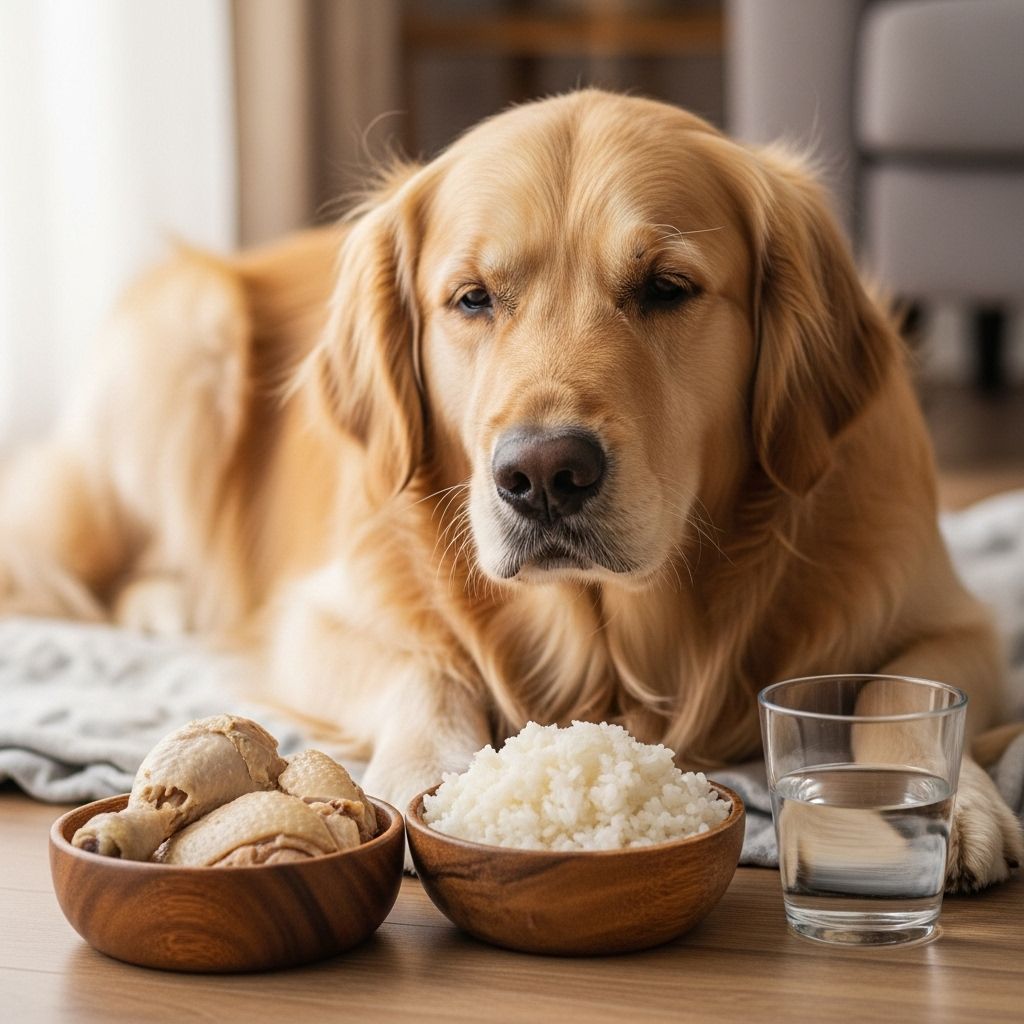
3. Bland Diet (after fasting)
- Boiled, skinless chicken (or turkey) and plain white rice is the classic bland meal.
- Other bland diet options include lean ground beef, plain pasta, or cooked potato (no skin, spices, butter, or oil).
- Introduce small portions (1–2 tablespoons per 10 lbs body weight) and gradually increase as your dog improves.
4. Plain Pumpkin Purée
- Pumpkin is high in soluble fiber, which absorbs excess water and soothes the digestive tract.
- Give one to three tablespoons of unsweetened, plain pumpkin (not pumpkin pie filling) based on your dog’s size.
- Homemade pumpkin: Boil, mash, and cool fresh pumpkin, removing all skin and seeds.
5. Bone Broth
- Bone broth is nutrient-rich, gentle on the stomach, and supports recovery and hydration.
- Make at home by simmering plain, meaty bones (no seasoning, garlic, onions, or additives) for 12-24 hours, then straining and letting cool before serving small amounts.
6. Probiotics and Plain Yogurt
- Probiotics replenish beneficial gut bacteria disrupted by diarrhea or stress.
- An unflavored, unsweetened, live-culture yogurt or a vet-approved probiotic supplement promotes healthy digestion.
- Always choose products with active, live cultures and avoid added sugars or flavors.
7. Psyllium Husk or Soluble Fiber Supplements
- Additives like psyllium husk (e.g., Metamucil) absorb water and firm stool.
- Dosing: ¼ tsp for under 25 lbs, ½ tsp for 25–50 lbs, 1 tsp for over 50 lbs, given twice daily mixed with food.
8. Slippery Elm or Herbal Solutions (Veterinarian Guidance Advised)
- Herbs like slippery elm have a soothing effect on the intestinal lining, but discuss dosing and suitability with your vet first.
Bland Diet: What to Feed During Recovery
After fasting and when your dog is able to keep water down, the next step is a simple and easy-to-digest diet. Proper feeding supports the gut to recover without additional irritation.
| Ingredient | Preparation | Notes |
|---|---|---|
| Chicken breast/thigh (skinless, boneless) | Boil in plain water, shred finely | Lean protein source |
| White rice | Boil until soft, serve warm | Carbohydrate, easy to digest |
| Pumpkin purée | Steam/boil, mash, cool | Soluble fiber |
| Lean ground beef or turkey | Boil and drain fat, no spices | Alternate protein |
| Bone broth | Simmer meaty bones, strain, cool | Hydrating, nutrient-rich |
How to Reintroduce Regular Food
- Feed small portions of the bland diet every 4–6 hours for the first 24–48 hours.
- If diarrhea resolves, gradually mix in your dog’s normal food over 3–5 days, increasing the regular portion while reducing the bland mixture.
When to Consult a Veterinarian
While mild diarrhea caused by dietary indiscretion or mild gut upset can often be managed at home, some signs require professional assessment due to potential underlying illness, dehydration risk, or toxin ingestion. Don’t wait if you notice:
- Blood in stool (red or black, tarry appearance)
- Vomiting accompanying the diarrhea or unable to keep water down
- Signs of dehydration: dry gums, sunken eyes, loss of skin elasticity
- Lethargy, collapse, or marked weakness
- Continued diarrhea lasting more than 48–72 hours
- Puppies, seniors, or immune-compromised dogs with any diarrhea
- Suspected ingestion of toxins, non-food objects, or human medications
- Underlying chronic illness or existing medications
A veterinarian may run fecal exams, blood tests, imaging (such as X-ray or ultrasound), or recommend further supportive care if a serious condition is suspected.
Prevention and Long-Term Digestive Health
Taking steps to prevent diarrhea can save both you and your dog distress. Maintaining good digestive health supports all aspects of canine wellbeing.
Tips for Prevention
- Gradually transition foods over 5–7 days when changing diet types or brands.
- Avoid feeding fatty or spicy human foods; limit table scraps.
- Watch for food allergies or intolerances and eliminate triggers.
- Practice regular parasite prevention and keep vaccinations up-to-date.
- Monitor your dog’s environment for trash, toxic plants, and chemicals.
- Provide fresh water at all times and monitor for signs of dehydration.
- Support the gut with probiotics, as recommended by your veterinarian, especially after antibiotic treatment or GI upset.
Healthy Digestive Supplements
- A daily probiotic supplement for pets
- Digestive enzymes if recommended by your vet
- Natural fiber (e.g. pumpkin) for regularity
Frequently Asked Questions (FAQs)
Q: How do I know if my dog’s diarrhea is serious?
If your dog’s diarrhea is accompanied by vomiting, blood, severe lethargy, signs of dehydration, or lasts more than 48–72 hours, seek veterinary attention immediately.
Q: Can I use over-the-counter anti-diarrheal medications for my dog?
No. Never administer human anti-diarrheal medications unless explicitly directed by a veterinarian. Common medications like loperamide can be toxic for some breeds or worsen certain conditions.
Q: Is pumpkin safe for all dogs?
Plain, unsweetened pumpkin is generally safe and beneficial for most dogs, but consult your vet if your dog is on a prescription diet or has a chronic illness.
Q: How soon will my dog recover from mild diarrhea?
Most healthy adult dogs recover from mild diarrhea within 1–3 days when using supported home care. If symptoms persist beyond this, consult your vet.
Q: What can I do to make my dog comfortable during diarrhea?
Provide a soft, clean resting space, encourage rest, offer small sips of water frequently, and keep your dog indoors during recovery. Gently clean their hind area as needed.
Q: Can stress cause dog diarrhea?
Yes. Moving, travel, introducing new pets, or changes in routine can cause temporary digestive upset. Support recovery with routine and a quiet environment.
Key Takeaways
- Mild diarrhea is common and often resolves with at-home remedies like fasting, bland diets, and hydration support.
- Pumpkin, probiotics, and bone broth are gentle, effective supports.
- Know your dog’s risk factors and be watchful: seek urgent veterinary help for severe, persistent, or complicated symptoms.
- Practice preventive care for long-term digestive health.
Similar Articles





Read full bio of Sneha Tete