10 Effective Home Remedies for Dry Hair in Winter
Unlock soft, shiny hair throughout winter with these proven natural home remedies and expert winter hair care tips.
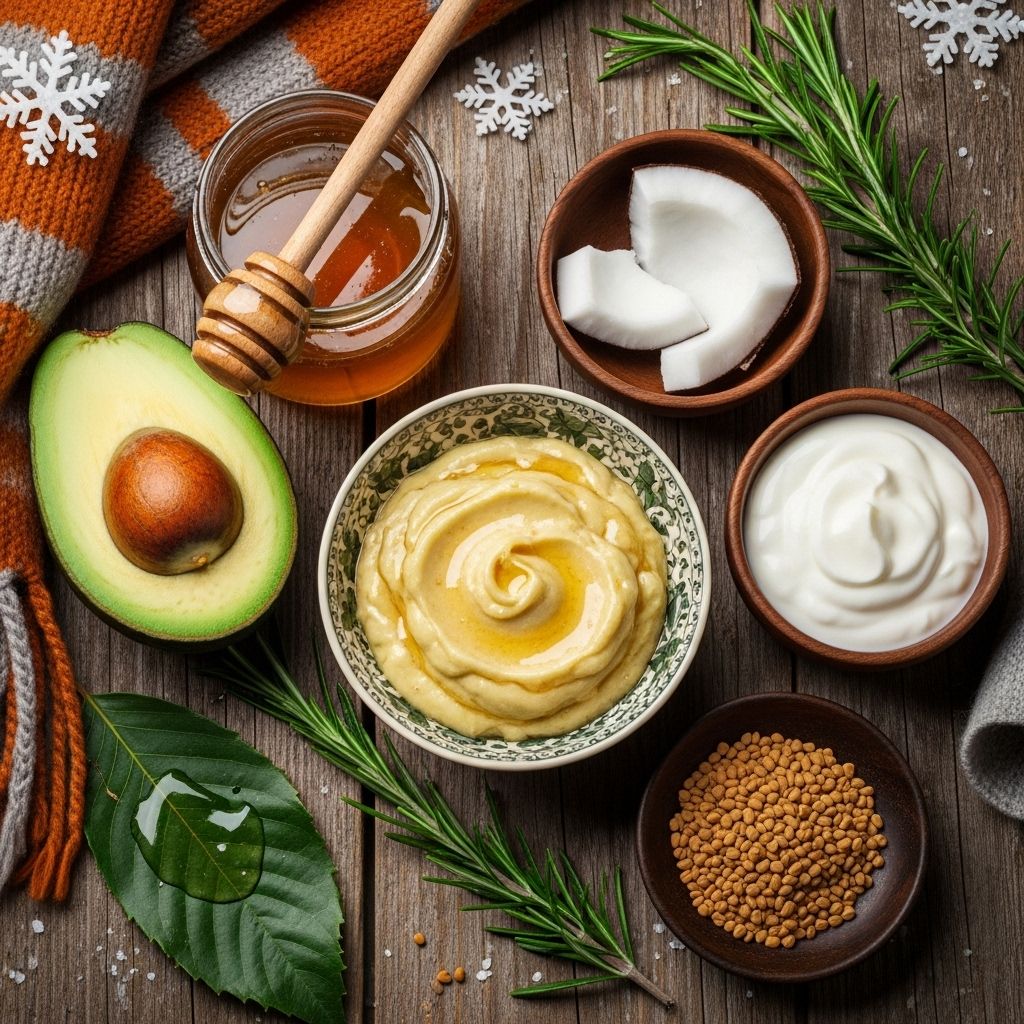
The chilly winds and dry indoor heating that come with winter can take a serious toll on your hair, leaving it dehydrated, dull, and brittle. Instead of reaching for chemical-heavy salon treatments, consider nature’s solutions. You can revive, nourish, and protect your hair by embracing simple and effective home remedies, using ingredients that are often already in your kitchen. Below, explore ten powerful remedies to banish winter dryness and reveal lush, healthy hair all season long.
Understanding Winter’s Impact on Your Hair
Winter weather strips away your hair’s natural moisture due to a combination of cold winds, low humidity, and indoor heating. This loss of hydration results in:
- Split ends and breakage
- Frizzy, flyaway hair
- A dry, itchy scalp
- Dullness and loss of shine
Protecting your hair during winter requires extra care. Fortunately, the following home remedies restore moisture, prevent damage, and boost overall hair health.
1. Coconut Oil: A Deep Moisturizing Treatment
Coconut oil is revered for its small molecular structure, allowing it to penetrate hair shafts and deliver hydration from within. Its composition—rich in lauric acid, vitamins, and antioxidants—makes it an excellent natural conditioner, particularly for dry and damaged hair in winter.
- How to use:
Gently warm 2-3 tablespoons of coconut oil until melted. Massage thoroughly into your scalp and along the hair length, focusing especially on the ends. Leave it on for 1-2 hours or ideally overnight. Wash off with a mild shampoo. - Benefits:
Prevents protein loss, restores shine and softness, combats dandruff caused by dryness, and reduces split ends.
2. Avocado Hair Mask for Deep Conditioning
Avocado is packed with nourishing fats, vitamin E, biotin, and minerals. This superfood repairs, strengthens, and deeply conditions brittle strands.
- How to use:
Mash a ripe avocado and mix with 2 tablespoons of olive oil. Apply this creamy mixture to your hair, avoiding the roots if they tend to be oily. Let it sit for 30 minutes, then rinse thoroughly. - Benefits:
Strengthens weak strands, reduces split ends, adds elasticity and bounce, and boosts overall manageability.
3. Aloe Vera Gel for Instant Hydration
Aloe vera gel is celebrated for its soothing and hydrating abilities. Rich in vitamins, minerals, and water, it calms the scalp and replenishes parched hair without weighing it down.
- How to use:
Extract fresh gel from an aloe vera leaf or use pure store-bought gel. Apply evenly to clean, damp hair and scalp. Allow it to work for 20-30 minutes, then rinse with lukewarm water. - Benefits:
Alleviates scalp irritation, adds moisture and shine, and encourages healthy hair growth.
4. Honey: Nature’s Humectant
Honey is a natural humectant, meaning it draws moisture into the hair and locks it in. It’s also packed with antioxidants and has soothing properties for an itchy, dry scalp.
- How to use:
Mix 2 tablespoons of honey with 1 cup of warm water. After shampooing, slowly pour this mixture over your hair, ensuring even coverage. Let it sit for 10 minutes, then rinse well. - Benefits:
Retains moisture, imparts a natural shine, soothes itching, and supports scalp health.
5. Egg Yolk for Protein Repair
Egg yolks are rich in proteins and healthy fats. They help repair damaged hair, nourish follicles, and restore strength, making them perfect for restoring winter-weakened tresses.
- How to use:
Whisk 1-2 egg yolks with a tablespoon of olive oil. Apply the mixture—focusing mainly on the ends—and let it sit for 20 minutes. Rinse thoroughly with cool water to prevent any residue and follow up with a gentle shampoo. - Benefits:
Strengthens hair follicles, increases elasticity, and minimizes breakage and split ends.
6. Banana and Yogurt Hair Mask
Bananas provide potassium, moisture, and natural oils, while yogurt is loaded with proteins and lactic acid to condition your hair. Together, they nourish each strand, enhancing softness and shine even under harsh winter conditions.
- How to use:
Blend one ripe banana with half a cup of plain yogurt to make a smooth paste. Apply to your hair, leave for 30 minutes, and rinse with cool water. - Benefits:
Deeply hydrates, restores softness and shine, repairs damage, and helps control winter frizz.
7. Argan Oil for Frizz Control
Argan oil, known as “liquid gold,” is light but intensely hydrating. Full of vitamin E and essential fatty acids, it smooths cuticles, boosts shine, and shields hair from environmental stress.
- How to use:
Rub a few drops between your palms and distribute gently through the mid-lengths and ends of your hair. Style as usual—no rinsing necessary. - Benefits:
Tames frizz, adds a silky finish, helps detangle, and protects against winter wind and pollution.
8. Oatmeal Hair Mask for Soothing Dry Scalp
Oatmeal is a gentle, natural remedy for nourishing both hair and scalp. It calms irritation, relieves itching, and imparts softness to dry strands.
- How to use:
Prepare 1 cup of cooked oatmeal and mix with 2 tablespoons of almond oil. Cool the mixture to a comfortable temperature, apply to the scalp and hair, and leave for 20 minutes before rinsing with lukewarm water. - Benefits:
Moisturizes and soothes the scalp, repairs winter dryness, and alleviates irritation.
9. Olive Oil: Classic Nourishment
Olive oil is a time-tested remedy for repairing dryness and restoring luster. Its emollient properties strengthen hair, smooth rough cuticles, and reduce static and flyaways.
- How to use:
Warm 2-3 tablespoons of extra virgin olive oil. Massage into the hair and scalp. Cover with a shower cap and wrap in a towel to enhance absorption. Leave for 30-45 minutes, then shampoo as usual. - Benefits:
Nourishes deeply, revitalizes shine, and strengthens hair against winter breakage.
10. Yogurt and Honey Hydration Mask
Combining yogurt with honey creates a mask packed with proteins, enzymes, and moisture. It conditions, heals, and fortifies hair exposed to winter aggravations.
- How to use:
Mix half a cup of plain yogurt with 1 tablespoon of honey. Spread evenly through hair, focusing on dry or damaged sections. Leave for 20-30 minutes. Rinse thoroughly and shampoo lightly if needed. - Benefits:
Intensely hydrates, reverses dullness, boosts flexibility, and leaves hair silky smooth.
Additional Winter Hair Care Tips
- Limit heat styling to prevent further dryness.
- Avoid hot water; use lukewarm or cool water for rinsing to keep cuticles closed and moisture locked in.
- Use a wide-toothed comb to detangle gently without causing breakage.
- Cover hair outdoors with a scarf or hat to protect against the elements.
- Switch to a silk pillowcase to minimize friction and moisture loss overnight.
Sample Home Remedies Comparison Table
| Remedy | Main Ingredient(s) | Primary Benefit | Frequency |
|---|---|---|---|
| Coconut Oil | Coconut oil | Deep hydration, reduces protein loss | 1-2 times weekly |
| Avocado Mask | Avocado, olive oil | Nourishes, strengthens, reduces split ends | Once weekly |
| Aloe Vera Gel | Aloe vera | Hydrates, soothes scalp | Once weekly |
| Honey Rinse | Honey, water | Locks in moisture, adds shine | Every 1-2 weeks |
| Egg Yolk Mask | Egg yolk, olive oil | Protein repair, strengthens | Once weekly |
| Banana Yogurt Mask | Banana, yogurt | Smooths, repairs, controls frizz | Once weekly |
| Argan Oil Serum | Argan oil | Frizz control, shine | As needed |
| Oatmeal Mask | Oatmeal, almond oil | Soothes scalp, hydrates | Every 2 weeks |
| Olive Oil Treatment | Olive oil | Nourishes, repairs dryness | Once weekly |
| Yogurt & Honey Mask | Yogurt, honey | Hydration, softness, shine | Once weekly |
Frequently Asked Questions (FAQs)
Q: How often should I use these remedies?
A: Most masks and oil treatments can be used once weekly, but lightweight oils like argan oil can be applied more frequently to tame frizz and boost shine.
Q: Can I use these treatments if my scalp tends to be oily?
A: Yes, but focus the application on the lengths and ends of your hair, avoiding the scalp, especially with heavier oils and masks.
Q: Are these remedies safe for color-treated hair?
A: Yes, most of these remedies use natural, gentle ingredients that are generally safe for color-treated hair. However, always do a patch test first and avoid protein-heavy masks (like eggs) too frequently to prevent dryness in color-treated hair.
Q: How can I prevent future dryness in winter?
A: Limit heat styling, use protective headwear in harsh weather, avoid overwashing, switch to a moisturizing shampoo and conditioner, trim regularly, and maintain a balanced diet and hydration.
Q: Can I combine different remedies?
A: Yes, you can alternate treatments based on your hair’s needs, or even combine compatible ingredients (like honey and yogurt) for enhanced benefits.
Similar Articles







Read full bio of Sneha Tete