26 Effective Home Remedies And Precautions For Eye Stye
Explore 26 proven home remedies, practical tips, and essential precautions to treat and prevent styes for healthy, irritation-free eyes.
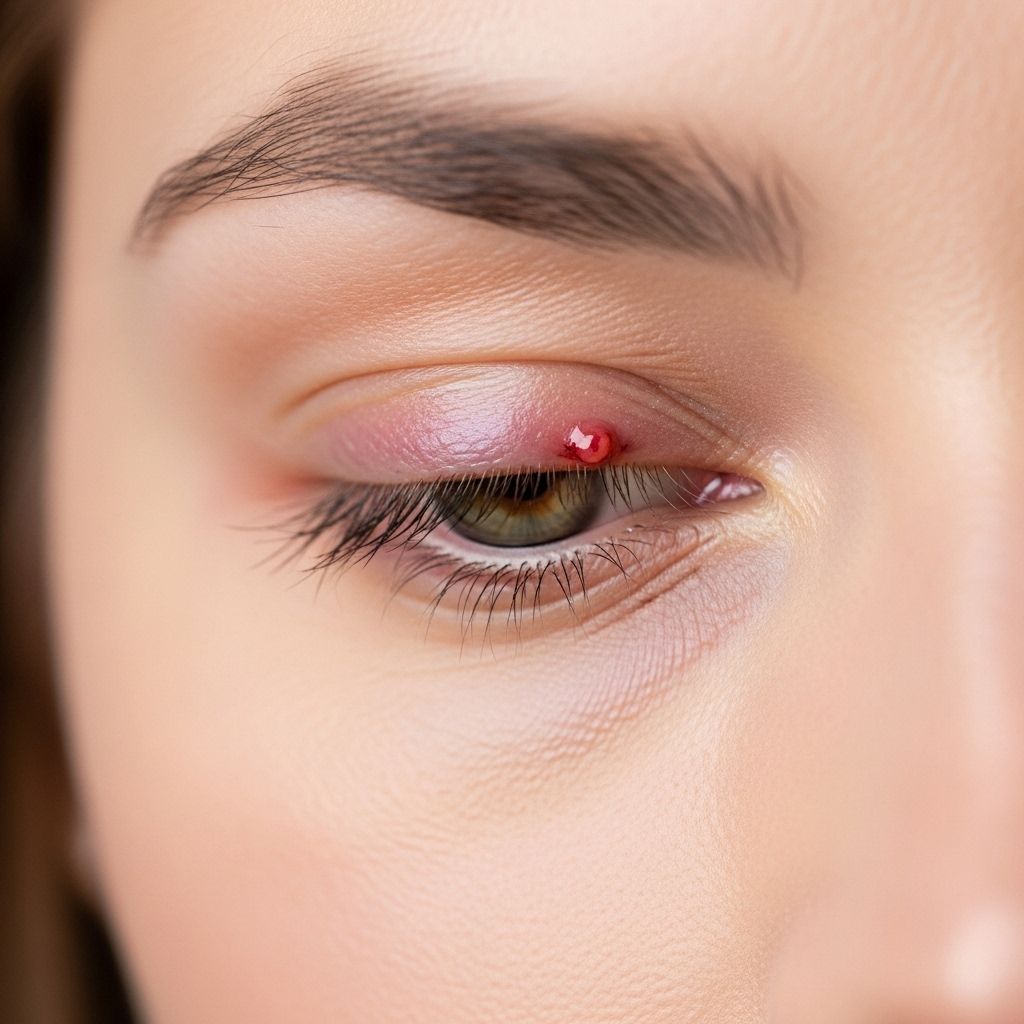
Dealing with a painful, red bump on your eyelid? That uncomfortable swelling is most likely a stye. While rarely serious, a stye can cause irritation, inconvenience, and self-consciousness. Thankfully, there are several safe and effective home remedies that can help soothe discomfort and speed up recovery. In this comprehensive guide, discover what a stye is, how it happens, and practical ways to treat and prevent it at home, plus answers to the most frequently asked questions.
Table of Contents
- What Is a Stye?
- 26 Home Remedies for Eye Stye
- Precautions & Prevention Tips
- What Not to Do During a Stye
- When to Seek Medical Attention
- Frequently Asked Questions (FAQs)
What Is a Stye?
A stye (or hordeolum) is an inflamed bump resembling a pimple, typically appearing on the edge or inside of the eyelid. It develops when an oil gland or hair follicle on the eyelid becomes clogged with dead skin, oil, or bacteria, causing an infection. The most common bacteria behind styes are Staphylococcus aureus and Staphylococcus epidermidis.
- Symptoms: Redness, swelling, pain or tenderness, tearing, crusting, and (sometimes) a yellowish spot indicating pus.
- Types:
- External stye: Appears at the base of the eyelashes (most common).
- Internal stye: Forms inside the eyelid due to infected oil (meibomian) glands.
Though styes typically clear up on their own within 7–10 days, certain home remedies can ease pain and encourage healing.
26 Home Remedies for Eye Stye
The following home remedies are popular for relieving stye discomfort and promoting faster recovery. Always begin with clean hands when treating any eye issue.
1. Warm Compress
A warm compress is the most commonly recommended remedy. The heat helps dissolve the pus and oil clogging the gland, bringing relief and encouraging drainage.
- Soak a clean washcloth in warm water (not hot!), wring it out, and place it gently over the affected eyelid for 10-15 minutes.
- Repeat 3–4 times daily, reheating the cloth as necessary.
- Alternatively, use a warm black tea bag (has mild antibacterial effects) as a compress for 5–10 minutes.
2. Gentle Eyelid Massage
Lightly massaging the eyelid (after applying a warm compress) can help promote drainage. Use clean fingers and avoid pressing directly on the stye.
3. Clean Your Eyelids
Keeping the eyelid area clean is essential. Use a mild, tear-free baby shampoo diluted in water or an eyelid cleanser (like those containing hypochlorous acid or recommended by ophthalmologists).
- Cleanse eyelids gently with a cotton swab or clean washcloth. Avoid any harsh soaps.
4. Use a Saline Solution
A sterile saline (saltwater) solution can help break down bacteria and encourage drainage. Gently wipe the eyelashes and eyelid with a saline-soaked cotton pad.
5. Warm Rice Pack
For a sustained dry heat compress, fill a clean sock with uncooked rice, microwave for 20 seconds, check the temperature, and place over the closed eyelid for 10 minutes.
6. Over-the-Counter Pain Relievers
Take non-prescription medications like acetaminophen (Tylenol) or ibuprofen (Advil) to ease pain and reduce inflammation. Follow dosage directions on the label.
7. Black Tea Bags
In addition to warmth, black tea contains tannins that may reduce swelling. Allow the tea bag to cool until just warm before use.
8. Avoid Makeup
Do not apply eye makeup (mascara, eyeliner, etc.) until the stye has fully healed.
- Makeup can introduce new bacteria and slow healing.
- Discard old makeup and clean your brushes/tools after recovery.
9. Aloe Vera Gel
Aloe vera has soothing and anti-inflammatory properties. Dab a small amount of pure aloe gel on the closed eyelid and rinse after 10 minutes. Discontinue use if irritation occurs.
10. Green Tea Bag Compress
Like black tea, green tea also has mild anti-inflammatory benefits. Use a cooled, damp green tea bag as a compress for 5–10 minutes.
11. Coriander Seeds Wash
Boil coriander seeds in water, cool and strain, and use the solution as a gentle eyelid rinse. Traditional use suggests it may reduce redness and swelling.
12. Garlic Juice
Garlic’s antibacterial properties are well-known. Apply diluted garlic juice very carefully around the closed eyelid; avoid any contact with the eye itself.
13. Turmeric Paste
Turmeric is revered for its anti-inflammatory and antibacterial properties. Mix turmeric powder with a little water to form a paste and apply gently to the area surrounding the stye (never inside the eye). Rinse after 10-15 minutes.
14. Warm Milk Compress
Warm some milk, soak a cotton pad or cloth, and apply to the eyelid for gentle relief. This can soothe irritation.
15. Potatoes
Grate a potato, wrap in a thin cloth, and apply to the affected eyelid for 10-15 minutes. Potato is believed to help reduce swelling.
16. Cucumber Slices
Chilled cucumber slices can calm the irritated skin of the eyelid and provide a cooling sensation.
17. Guava Leaves Compress
Boil a few guava leaves, let them cool, and use as a compress on the eyelid.
18. Castor Oil
Using a clean cotton swab, apply a tiny amount of castor oil to the stye area (eyelid skin only—avoid the eye itself). Castor oil is valued for its anti-inflammatory effects.
19. Apple Cider Vinegar
If used, properly dilute apple cider vinegar with water (1 part vinegar to 3 parts water), soak a cotton pad, and apply to the outside of the eyelid for a few minutes. Never use undiluted vinegar or put inside the eye.
20. Cloves Water Rinse
Soak cloves in water, strain, and use the water to gently rinse the closed eyelid. This is a traditional remedy said to have antimicrobial properties.
21. Salt Water Warm Rinse
Combine a teaspoon of salt in a cup of warm water, soak a cotton pad, and gently dab eyelids to clean.
22. Baby Shampoo Wash
Mix several drops of baby shampoo in warm water, dip a cotton swab or clean washcloth, and gently clean the eyelid margins.
23. Avoid Contact Lenses
Do not use contact lenses while you have a stye. Lenses can introduce bacteria and worsen the infection.
24. Maintain Hygiene
- Wash hands before touching the face or eyes.
- Change pillowcases regularly.
25. Use Medicated Eye Pads or Ointments (As Advised)
Apply any topical antibiotics, medicated pads, or ointments only if recommended by a healthcare professional for persistent or worsening styes.
26. OTC Eye Drops
Artificial tears or lubricating eye drops can provide temporary relief from irritation but will not cure the stye itself.
Precautions & Prevention Tips
Preventing styes is possible through careful eyelid hygiene and healthy habits:
- Avoid touching or rubbing eyes.
- Remove makeup every night.
- Wash hands regularly with soap and water, especially before touching face or eyes.
- Replace eye makeup regularly—especially mascara and eyeliner (every 3 months).
- Do not share personal items such as towels or eye cosmetics.
- Disinfect contact lenses as per your eye doctor’s instructions.
- Maintain general eye health: Eat a balanced diet and keep bedding clean.
What Not to Do During a Stye
- Never squeeze, pop, or puncture a stye. This can spread infection and cause complications.
- Avoid wearing contact lenses until the stye heals completely.
- Do not use old or contaminated makeup, and refrain from eye cosmetics until recovery.
- Refrain from touching your eyes with unwashed hands.
When to Seek Medical Attention
Most styes resolve with home care, but it’s important to consult a healthcare professional if you experience:
- Stye persists longer than two weeks
- Vision changes or blurred vision
- Increasing redness, swelling, or pain
- Pus or blood draining from the eye
- Recurrent styes or multiple styes
- Signs of spreading infection (fever, facial swelling)
Medical treatments may include antibiotic ointments or, rarely, surgical drainage.
Frequently Asked Questions (FAQs)
Q: Can you pop a stye at home?
A: Never attempt to pop, squeeze, or puncture a stye. Doing so risks spreading the infection and leading to more serious complications.
Q: How long does a stye take to heal?
A: Most styes resolve on their own within 7–10 days with proper home care. Persistent cases may require professional evaluation.
Q: Are styes contagious?
A: Styes themselves aren’t highly contagious, but the responsible bacteria can be spread. Do not share towels, cosmetics, or eye-care items when you have a stye.
Q: When should I see a doctor?
A: If your stye does not improve within two weeks, if you have vision changes, intense swelling, recurrent styes, or symptoms of spreading infection (such as fever), seek medical attention promptly.
Q: What helps prevent future styes?
A: Good eyelid hygiene, removing makeup before bed, replacing old cosmetics, not sharing personal items, and handwashing are key prevention strategies.
Conclusion
While a stye can be an unwelcome and painful nuisance, most can be effectively managed at home with simple remedies and preventive care. By maintaining proper hygiene and knowing what to do—and what to avoid—you can reduce your risk of recurrent styes and protect your eye health. If symptoms persist or worsen, always consult a healthcare provider.
Similar Articles







Read full bio of medha deb