Effective Home Remedies For Corns And Calluses: 19 Natural Solutions
Restore smooth, pain-free feet and hands with these natural, science-backed solutions for corns and calluses.
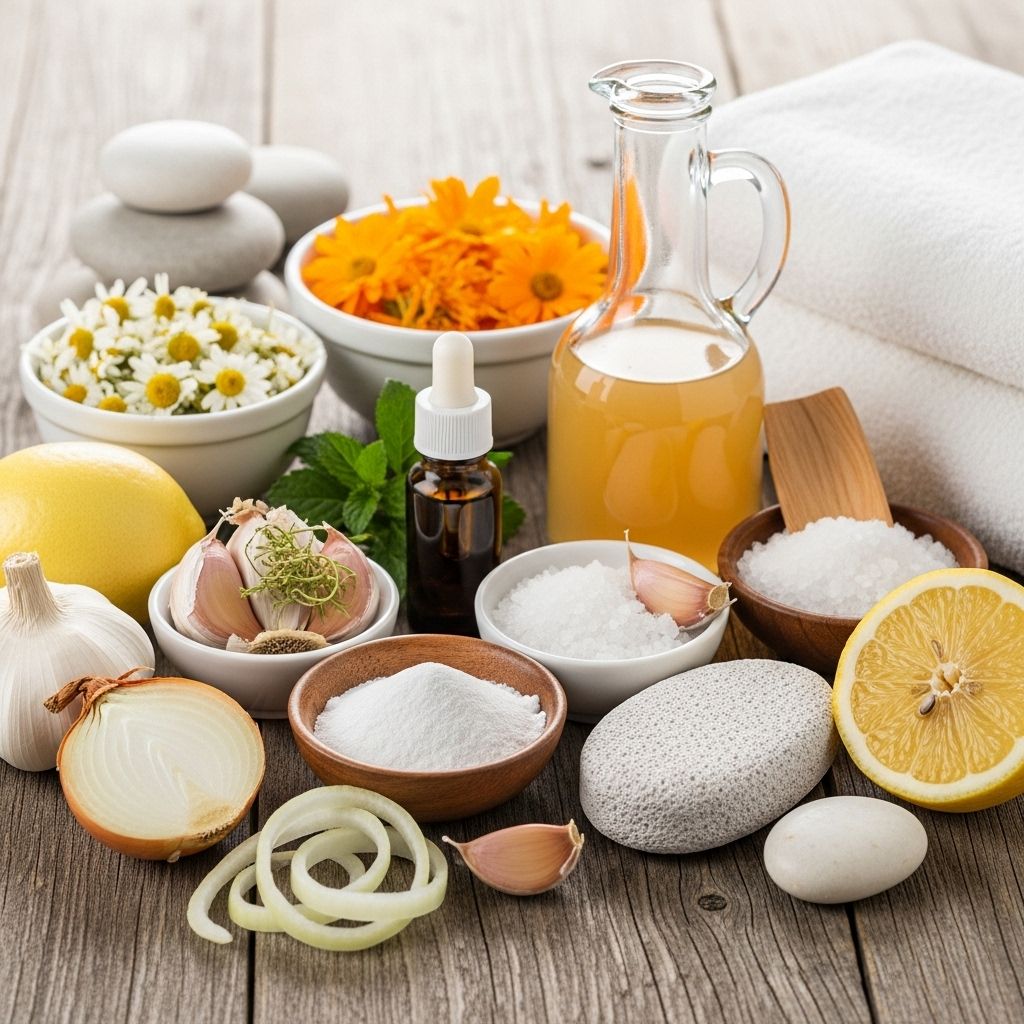
Corns and calluses are thick, hardened areas of skin that typically develop on the feet or hands as a result of repeated pressure or friction. While not usually dangerous, they can cause significant discomfort, tenderness, or pain, and may impair mobility or confidence. Fortunately, a variety of natural home remedies can help soften, reduce, and even prevent corns and calluses, making professional intervention unnecessary in many cases.
What Are Corns And Calluses?
Corns are small, round, and typically appear on the tops or sides of toes due to local pressure points. Calluses are larger, more diffuse patches of thickened skin, commonly found on the soles, heels, palms, or other areas subjected to repeated force.
- Common Symptoms: Hardened, rough skin; tenderness when pressed; dry, flaky, or waxy appearance.
- Common Causes: Wearing ill-fitting shoes, walking barefoot, manual labor, excessive walking or sports, frequent use of hand tools without gloves.
- Risks: If left untreated, corns and calluses can crack, develop infections, or contribute to other foot problems.
19 Home Remedies For Corns And Calluses
Here are nineteen proven remedies and self-care strategies you can use at home to relieve and remove corns and calluses:
1. Warm Water Soak
Soaking feet or hands in warm, soapy water for 10–15 minutes softens hardened skin, making it easier to remove loose layers afterward.
- Enhance the soak by adding Epsom salt (magnesium sulfate) to help relax skin and reduce irritation.
- Gently pat the area dry before any further treatment.
2. Pumice Stone Gently Buffed
After soaking, use a natural pumice stone to gently rub away softened dead skin. Always buff in circular or sideways motions to avoid irritation or injury.
- Do not attempt to remove all thickened skin at once; aim for gradual reduction each day.
3. Lemon Juice
The natural acidity of lemon juice helps to dissolve dead skin cells slowly. Apply fresh lemon juice to the corn or callus; leave on until it dries. You may place a clean bandage over the area and repeat daily for faster effect.
4. Bread And Vinegar Poultice
Soak a small piece of bread in white vinegar or apple cider vinegar, then place it on the affected area. Secure with a bandage or plastic wrap overnight. This traditional remedy helps soften skin and makes the corn or callus easier to remove.
5. Castor Oil
Castor oil is a natural emollient that hydrates and softens thickened skin. Apply a generous amount to the corn or callus before bedtime, cover with a thick sock or cotton glove, and wash off in the morning.
Repeat nightly for a week to reveal noticeably softer skin.
6. Baking Soda Paste
Baking soda has gentle exfoliating properties that help remove dead cells. Mix two or three tablespoons of baking soda with water to create a thick paste. Apply to the area and cover with a bandage overnight. Wash off in the morning and repeat as needed.
- You can add a few drops of lemon juice for added softening effect.
7. Aspirin And Lemon Juice Paste
Crush five to six uncoated aspirin tablets, add one-half teaspoon of lemon juice and a few drops of water to make a paste. Apply to the affected skin, cover with bandage or plastic wrap, and allow it to sit for 10–15 minutes. Wipe off and gently buff the softened skin.
- Caution: Do not use this remedy if you are allergic to aspirin or have sensitive skin.
8. Apple Cider Vinegar Soak
Vinegar’s acidity helps dissolve corns and calluses naturally. Mix one part apple cider vinegar with three parts warm water and soak for 10–15 minutes. After soaking, buff gently with a pumice stone and moisturize thoroughly.
9. Coconut Oil
Coconut oil is both hydrating and anti-inflammatory. Massage a layer of coconut oil into the affected area before bedtime and leave it on overnight. Regular use helps soften tough patches and reduces discomfort.
10. Epsom Salt Soak
Adding Epsom salt to a warm foot or hand soak can boost softening effects and reduce irritation or swelling.
- Add 2–3 tablespoons of Epsom salt to a basin of warm water, soak for 15 minutes, and then gently buff the skin.
11. Garlic
Garlic contains natural antimicrobial and anti-inflammatory compounds. Slice a clove and rub it directly onto the corn or callus, or crush and mix with olive oil to make a paste. Apply, secure with a bandage, and leave overnight before washing off.
12. Aloe Vera Gel
Aloe vera’s enzymes and hydration properties make it ideal for softening tough skin. Apply pure aloe gel (directly from the plant if possible) and cover overnight with a bandage. In the morning, dead skin will be easier to remove.
13. Onion Compress
Onion has natural acids that can help break down tough skin. Place a thin onion slice on the affected area; cover with gauze and secure overnight. Rinse and buff gently in the morning.
14. Flaxseed Oil Compress
Soak a small clean cloth in flaxseed oil, wrap the corn or callus, and cover with a sock or glove overnight. The oil’s anti-inflammatory fatty acids penetrate deeply to soften skin and reduce swelling.
15. Pineapple Peel Compress
Place a small piece of fresh pineapple peel (with moist side on the skin) over the corn or callus and secure with a bandage overnight. Pineapple contains bromelain, a natural enzyme that helps dissolve dead skin cells.
16. Oatmeal Scrub
Oatmeal soothes and exfoliates. Mix ground plain oatmeal with water to form a paste, rub gently over the affected area, and rinse off after a few minutes.
17. Chamomile Tea Soak
Soak corns or calluses in strong chamomile tea for 15–20 minutes. This can calm irritation and promote healing. Rinse and dry thoroughly afterward.
18. Change To Proper Footwear
Poorly fitting shoes are among the leading causes of corns and calluses. Choose well-cushioned, fitted footwear with ample toe room and avoid high heels or shoes that cause excess rubbing.
- For hand calluses, use gloves when handling tools.
19. Moisturizing Creams Or Lotions
Consistent use of thick, unscented moisturizing creams (such as urea or ammonium lactate-based formulations) keeps skin soft and helps prevent hardening. Apply after bathing or soaking for maximum absorption.
Prevention Tips For Corns And Calluses
- Maintain regular exfoliation routines to remove dead skin before it builds up.
- Wear properly fitted shoes and avoid footwear that causes friction.
- Use protective pads or insoles in shoes to redistribute pressure points.
- For hands, wear gloves during manual labor or repetitive tasks.
- Moisturize daily to prevent skin from hardening.
When To Seek Medical Attention
Most corns and calluses are manageable at home, but professional help is necessary if you experience:
- Persistent pain, swelling, redness, or pus
- Existing diabetes or circulation problems
- Severe discomfort or impaired mobility
- Recurrent corns or calluses due to anatomical deformities (like hammertoes or bunions)
- Unsuccessful home treatment after several weeks
Frequently Asked Questions (FAQs)
Q: What’s the difference between a corn and a callus?
A: Corns are small, round, thickened skin areas with a hard center, often on toes, while calluses are broader, flatter, and commonly appear on the soles or palms where friction frequently occurs.
Q: Can I cut out a corn or callus at home?
A: No. Cutting or shaving corns and calluses yourself is dangerous and can lead to infection or injury. Always use gentle exfoliation or consult a healthcare professional.
Q: How long does it take for home remedies to work?
A: Most home remedies require consistent daily application for 7–14 days before significant improvement is seen. Severe or persistent cases may need more time or professional intervention.
Q: Are over-the-counter corn pads safe?
A: Non-medicated pads (moleskin or gel) are usually safe for temporary relief. Medicated pads with salicylic acid can be harsh on sensitive skin and should be used with caution, especially if you have diabetes or poor circulation.
Q: Can corns and calluses come back?
A: Yes, if the source of pressure or friction continues, corns and calluses may recur. Wearing well-fitted shoes, using protective pads, and maintaining consistent foot care help prevent recurrences.
Summary Table: Quick Remedies
| Remedy | Main Benefit | Application |
|---|---|---|
| Warm Water Soak & Pumice | Softens & gently removes dead skin | Daily, after soaking |
| Lemon Juice / Vinegar | Dissolves hard skin naturally | Apply directly, cover overnight |
| Castor Oil / Coconut Oil | Deeply moisturizes, softens thick skin | Apply at bedtime, leave overnight |
| Aloe Vera / Onion / Pineapple Peel | Natural enzymes break down callus | Apply as compress, overnight |
| Baking Soda / Aspirin Paste | Exfoliates & softens dead skin | Apply paste, let sit, rinse off |
| Proper Footwear | Prevents recurrence | Continuous use |
Safety Tips
- Always use gentle pressure when exfoliating to avoid injury.
- Do not attempt home removal if you have diabetes, compromised circulation, or open sores—consult a healthcare professional immediately.
- Stop any remedy that causes burning, persistent redness, or discomfort.
- Disinfect and dry feet/hands thoroughly after each treatment to prevent infection.
Conclusion
Managing corns and calluses with home remedies is safe and effective when done with care and consistency. Natural solutions like warm water soaks, natural exfoliants, and protective measures not only alleviate discomfort but also improve the health and appearance of your skin. For persistent or complicated cases, don’t hesitate to seek professional advice for tailored treatment options.
Similar Articles







Read full bio of medha deb