14 Effective Home Remedies for Hiccups: Natural Solutions That Work
Discover simple, science-backed home remedies to quickly stop hiccups and prevent their recurrence in daily life.
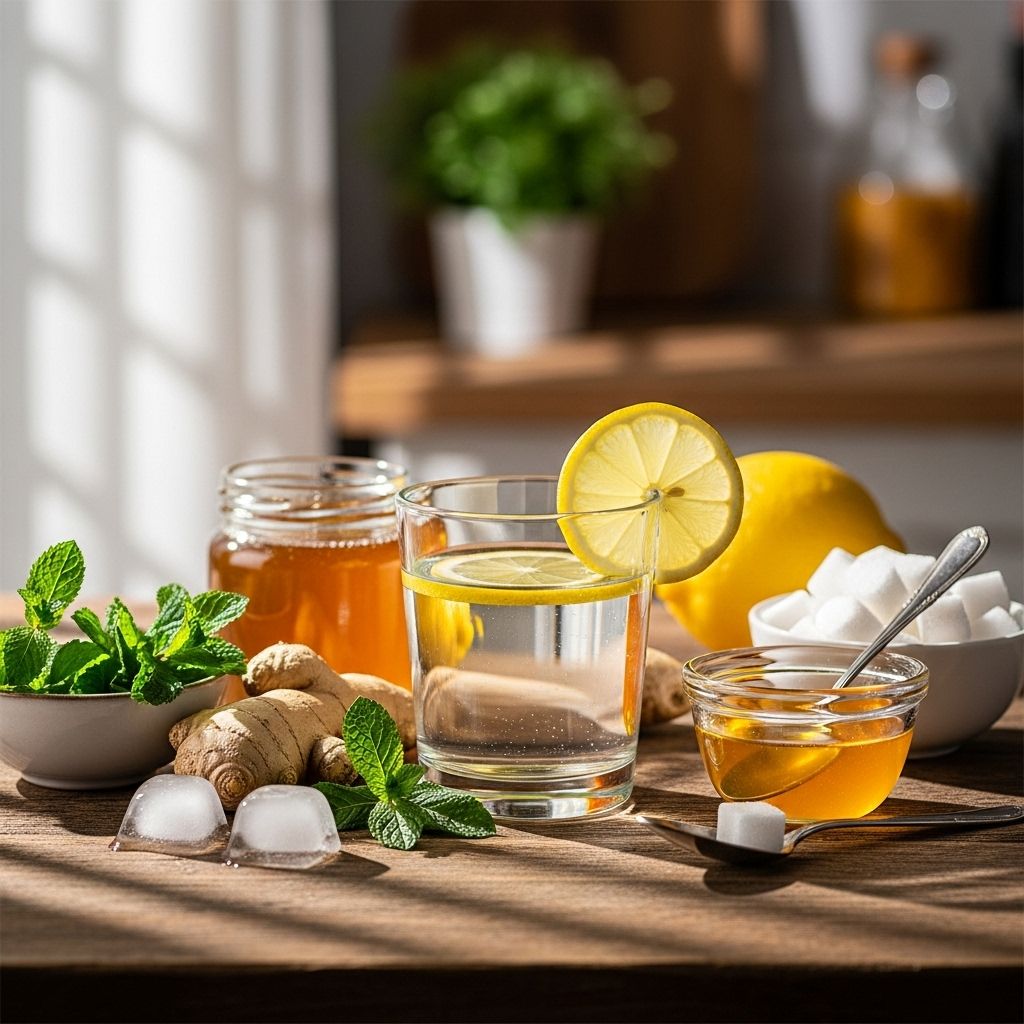
How To Get Rid Of Hiccups: 14 Effective Home Remedies
Hiccups are a common and usually harmless annoyance that strike unexpectedly and can be surprisingly difficult to suppress. Most people experience hiccups due to involuntary contractions of the diaphragm, but fortunately, various home remedies are available to provide relief. This comprehensive guide uncovers the causes of hiccups, details science-backed and traditional remedies, offers prevention strategies, and answers frequently asked questions for anyone seeking swift respite from persistent hiccups.
Table of Contents
- What Are Hiccups?
- What Causes Hiccups?
- 14 Home Remedies for Hiccups
- Prevention Tips
- When Should You Worry?
- Frequently Asked Questions (FAQs)
What Are Hiccups?
Hiccups are involuntary contractions of the diaphragm, the muscle separating your chest and abdomen, followed by the rapid closure of your vocal cords, producing the characteristic “hic” sound. Although the precise reason for hiccups is unclear, they are commonly considered a benign reflex action of the body, typically lasting only a few minutes in healthy individuals.
What Causes Hiccups?
Understanding the triggers for hiccups is the first step toward effective management. Most hiccups occur due to minor disturbances but, in rare cases, they can indicate serious underlying conditions.
- Eating too much or eating too quickly
- Drinking carbonated beverages like soda
- Swallowing air while eating or drinking
- Sudden excitement or emotional stress
- Alcohol consumption
- Temperature changes (food, beverages, or environment)
- Tobacco use
- Medical conditions such as diabetes, stroke, or kidney disease (rare)
Most hiccups are harmless and resolve on their own. Persistent or painful hiccups may be symptomatic of medical issues and should be evaluated by a healthcare provider.
14 Home Remedies for Hiccups
The internet and traditional wisdom abound with suggestions for stopping hiccups. While scientific data supporting these remedies is limited, many have proven effective anecdotally and are considered safe to try. Here are 14 practical remedies:
1. Hold Your Breath
How it works: Take a deep breath and hold it for as long as you comfortably can before exhaling slowly. This increases carbon dioxide (CO2) levels in your blood, which can help relax the diaphragm and halt hiccups.
2. Drink a Glass of Cold Water
How it works: Sipping cold water stimulates the vagus nerve and may reset the diaphragm. Drink small amounts slowly for best results.
3. Gargle with Water
How it works: Gargling with water can slightly irritate the nasopharynx (back of your throat) and interrupt the hiccup reflex, offering relief.
4. Bite or Suck on a Lemon
How it works: The tartness and strong flavor of lemon increase saliva production and stimulate nerves that may disrupt the hiccup cycle.
5. Swallow a Teaspoon of Sugar
How it works: Swallowing granulated sugar may stimulate the vagus nerve by creating a grainy sensation that overrides the hiccup reflex.
6. Sip Chamomile Tea
How it works: Chamomile contains anti-spasmodic compounds that help relax muscles, including the diaphragm. Prepare a soothing cup and sip slowly.
7. Eat a Spoonful of Honey
How it works: Honey has smoothing properties and can decrease irritation in the throat, calming nerve impulses that trigger hiccups.
8. Try Grape Jelly
How it works: Like sugar and honey, grape jelly’s sweet, viscous nature may have a soothing effect on throat nerves.
9. Use Peanut Butter
How it works: A spoonful of peanut butter alters your swallowing pattern, which can disrupt the hiccup reflex cycle.
10. Apply Gentle Pressure to Your Diaphragm
How it works: Pull your knees to your chest and hold them for a short while. This compresses the diaphragm and can help stop spasms.
11. Breathe Into a Paper Bag
How it works: Breathing into a paper bag increases CO2 concentration in your blood, relaxing the diaphragm and slowing nerve activity. Don’t use plastic bags and don’t overdo it.
12. Drink Water Through a Paper Towel
How it works: Place a paper towel over a glass and drink water through it. This technique slows drinking speed and changes swallowing dynamics, potentially interrupting hiccups.
13. Drink from the Far Side of the Glass
How it works: Bend over and drink water from the far rim of the glass. This awkward posture alters normal swallowing and may help stop hiccups.
14. Sip Water With a Metal Object in It
How it works: Place a clean spoon or fork in a glass of water, lightly hold the metal object against your temple as you sip. This old trick is said to interrupt the reflex that causes hiccups.
Extra Methods and Their Mechanisms
- Pulling on your tongue
- Stimulating the back of your throat with a cotton tip (use caution)
- Getting a gentle fright (unexpected stimulus can interrupt the pattern)
Most home remedies are safe if performed sensibly. If one fails, try another. Avoid trying multiple remedies at the same time to minimize discomfort.
How to Prevent Hiccups
While most hiccups are unpredictable, some preventive measures can reduce the likelihood of their occurrence:
- Eat and drink slowly; avoid swallowing air.
- Avoid excessive consumption of carbonated beverages and alcohol.
- Do not overeat; opt for smaller, frequent meals.
- Minimize emotional stress or sudden excitement during meals.
When Should You Worry About Hiccups?
Most hiccups resolve spontaneously, but medical consultation is needed if:
- Hiccups persist longer than 48 hours
- They are painful, frequent, or disrupt sleep and daily activities
- They are accompanied by weight loss, vomiting, fever, or difficulty swallowing
- History of neurological, gastrointestinal, or metabolic disease
Chronic hiccups may indicate underlying disorders such as central nervous system injuries, diabetes, kidney disease, or gastrointestinal issues. Diagnostic evaluation and medical treatment may be necessary for persistent cases.
Table: Common Home Remedies for Hiccups & Their Mechanisms
| Remedy | Possible Mechanism | Notes |
|---|---|---|
| Hold breath | Raises CO2, relaxes diaphragm | Safe for most healthy adults |
| Drink cold water | Stimulates throat nerves | Drink slowly to avoid choking |
| Swallow sugar | Stimulates vagus nerve | Granules essential |
| Breathe into paper bag | Increases CO2, relaxes nerves | Avoid excessive use |
| Knees to chest | Compresses diaphragm | Helpful for mild, brief hiccups |
| Chamomile tea | Relaxes diaphragm muscle | Natural herbal remedy |
Frequently Asked Questions (FAQs)
Q: Are hiccups dangerous?
A: Most hiccups are harmless and temporary. If they persist for longer than two days or are very severe, consult a doctor.
Q: When should I seek medical attention for hiccups?
A: Medical attention is needed if hiccups last over 48 hours, are accompanied by other symptoms, or interfere with eating, sleeping, or breathing.
Q: Do hiccups ever indicate an underlying health problem?
A: Yes, persistent or severe hiccups can indicate neurological disorders, gastrointestinal disease, or metabolic imbalances.
Q: What is the medical term for hiccups?
A: The term is singultus, used in clinical settings.
Q: Which home remedy works best?
A: No single remedy is proven superior; effectiveness often depends on individual response. Holding breath, drinking cold water, or swallowing sugar are among the most popular methods recommended.
Q: Can children try these remedies?
A: Most remedies are safe for children under adult supervision, but avoid those that pose choking risks (such as swallowing sugar) or involve holding breath for too long.
Q: Can medications stop hiccups?
A: Prescription medications (such as chlorpromazine, haloperidol, metoclopramide, and baclofen) may be used for intractable hiccups but only under medical supervision.
Key Takeaways
- Hiccups are usually benign and resolve quickly on their own.
- Multiple safe home remedies—including holding your breath, drinking cold water, swallowing sugar, and sipping chamomile—can help.
- Persistent or severe hiccups require medical evaluation.
- Avoid triggers such as overeating, carbonated drinks, and rapid eating or drinking.
Try the remedies above the next time hiccups strike, and consult your healthcare provider if problems persist beyond the typical duration.
Similar Articles








Read full bio of medha deb