19 Effective Home Remedies for Fast Stomach Bloating Relief
Discover natural, science-backed home remedies for quick relief from stomach bloating and improve your digestive health with simple daily habits.
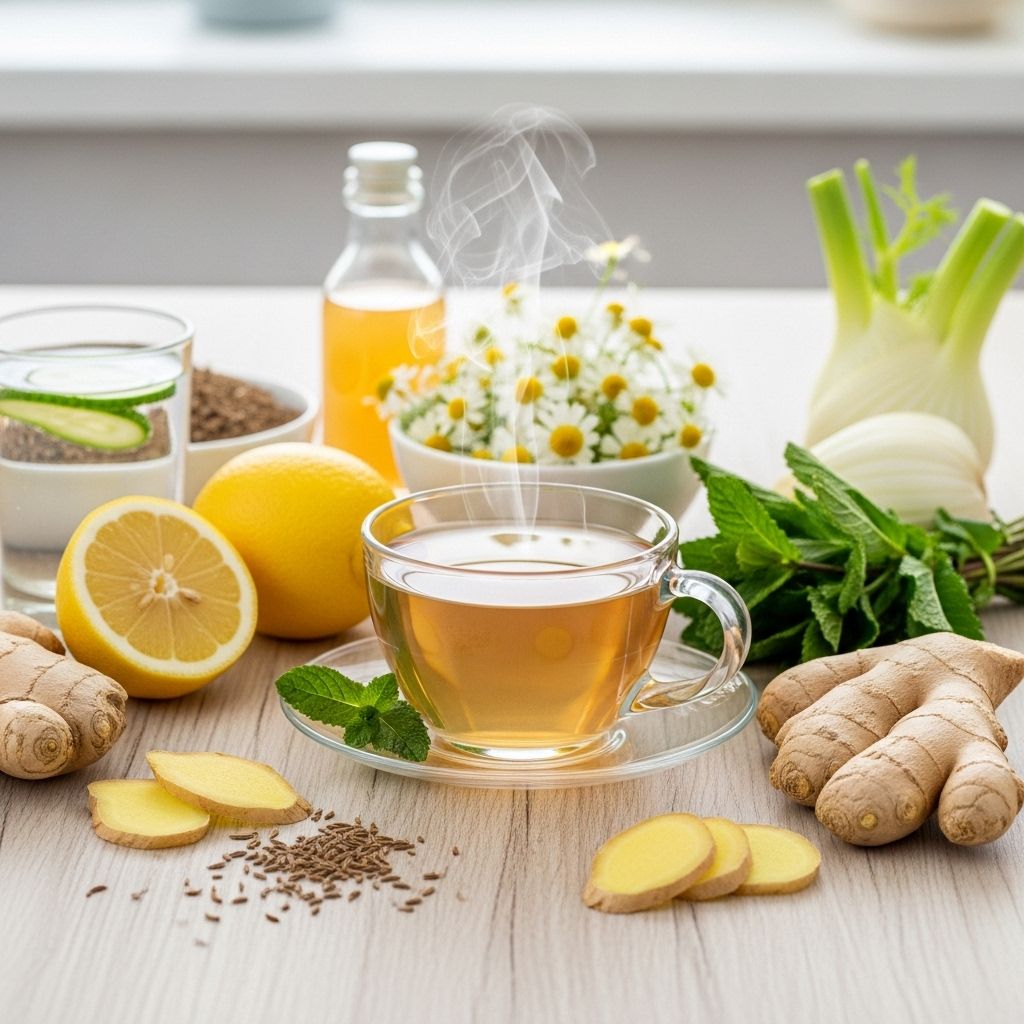
Stomach bloating is a common digestive discomfort that leaves you feeling full, tight, and sometimes in pain. The sensation often results from excess gas, poor digestion, or water retention. Fortunately, several easy and natural home remedies can quickly reduce bloating, soothe your gut, and restore comfort.
What Is Stomach Bloating?
Bloating is a feeling of fullness or swelling in the abdomen, often caused by built-up gas or disturbances in the digestive process. Symptoms may include:
- Abdominal distension
- Heaviness or tightness in your stomach
- Cramping or mild pain
- Excessive gas (flatulence)
Bloating frequently results from factors such as overeating, eating gas-producing foods, swallowing air, digestive disorders, and hormonal fluctuations.
Common Causes of Stomach Bloating
- Overeating or eating too fast
- Carbonated beverages
- High-fat or high-fiber foods
- Food intolerances (e.g., lactose, gluten)
- Constipation
- Stress and anxiety
- Hormonal changes
19 Natural Home Remedies for Stomach Bloating
Below are 19 effective remedies to ease bloating, each with a simple how-to-use guide, recommended frequency, and the science behind why they work.
1. Peppermint Tea
- You Will Need: 1 peppermint tea bag or 1 tsp dried peppermint leaves, 1 cup of water
- How To Use: Steep peppermint tea in hot water for 5 minutes. Drink while warm.
- How Often: 1–2 times daily after meals.
- Why This Works: Peppermint contains menthol, a compound that relaxes intestinal muscles and helps trapped gas pass, reducing bloating.
2. Fennel Seeds
- You Will Need: 1 tsp fennel seeds
- How To Use: Chew fennel seeds after meals or steep them in hot water for a tea.
- How Often: Once or twice daily as needed.
- Why This Works: Fennel acts as a carminative (gas-reducing agent) and muscle relaxant, aiding digestion and relieving bloating.
3. Baking Soda Drink
- You Will Need: 1 teaspoon baking soda, 1 glass warm water
- How To Use: Mix baking soda in warm water and drink.
- How Often: Once daily.
- Why This Works: Its alkalinity neutralizes stomach acid and relieves indigestion, thus reducing gas and bloating.
4. Ginger Tea
- You Will Need: 1 inch fresh ginger (or 1 tsp ginger powder), 1 cup water, honey (optional)
- How To Use: Boil ginger in water for 5 minutes, strain, and drink warm. Add honey to taste.
- How Often: Up to 3 times daily.
- Why This Works: Ginger expedites digestion, relieves cramping, and possesses natural anti-inflammatory and carminative properties.
5. Pumpkin Snack
- You Will Need: 1 cup pumpkin, 2 cups water
- How To Use: Boil pumpkin and snack or add to meals daily.
- How Often: Daily.
- Why This Works: Pumpkin is rich in fiber and potassium, which reduces sodium levels and water retention, key contributors to bloating.
6. Warm Lemon Water
- You Will Need: 1 tsp lemon juice, 1 glass warm water
- How To Use: Combine and drink daily, preferably in the morning. Add honey for flavor if desired.
- How Often: Once daily.
- Why This Works: Warm lemon water acts as a mild natural diuretic and laxative, aiding in water retention relief and digestion.
7. Activated Charcoal Capsules
- You Will Need: Over-the-counter activated charcoal capsules
- How To Use: Follow dosage instructions on packaging after meals.
- How Often: As needed, not daily.
- Why This Works: Activated charcoal may absorb excess gases and toxins, promoting relief from bloating.
8. Chamomile Tea
- You Will Need: 1 chamomile tea bag, 1 cup water
- How To Use: Brew as directed and drink after meals.
- How Often: Once or twice daily.
- Why This Works: Chamomile’s anti-inflammatory properties soothe the gut and can reduce gassiness.
9. Caraway Seeds
- You Will Need: 1 tsp caraway seeds
- How To Use: Chew seeds after meals or use in herbal tea.
- How Often: After meals as needed.
- Why This Works: Caraway contains carminative agents, relaxing gut muscles and facilitating gas movement.
10. Clove Oil
- You Will Need: 2–3 drops clove oil, 1 cup water
- How To Use: Add clove oil to warm water and sip slowly.
- How Often: Once daily.
- Why This Works: Clove oil stimulates digestive enzymes, aiding nutrient breakdown and gas reduction.
11. Turmeric Tea
- You Will Need: 1 tsp turmeric powder, 1 cup water
- How To Use: Boil and steep for 5 minutes; sip warm.
- How Often: Once daily.
- Why This Works: Turmeric’s anti-inflammatory compounds support gut health, reducing swelling and bloating.
12. Apple Cider Vinegar
- You Will Need: 1–2 tbsp apple cider vinegar, 1 glass water
- How To Use: Dilute vinegar in water and drink before meals.
- How Often: Once daily before a main meal.
- Why This Works: Apple cider vinegar stimulates stomach acid production to enhance breakdown of food and prevent gas.
13. Asafetida Solution
- You Will Need: Pinch of asafetida (hing), 1 cup warm water
- How To Use: Mix and drink after eating heavy foods.
- How Often: As needed after large meals.
- Why This Works: Asafetida reduces muscle spasms in the stomach and encourages expulsion of trapped gas.
14. Dandelion Tea
- You Will Need: 1 tsp dried dandelion, 1 cup water
- How To Use: Brew and sip slowly after meals.
- How Often: Once or twice daily.
- Why This Works: Acts as a natural diuretic, helping flush out excess sodium and water.
15. Aloe Vera Juice
- You Will Need: 1/4 to 1/2 cup pure aloe vera juice
- How To Use: Drink as is, 1–2 times daily.
- Why This Works: Aloe vera has soothing anti-inflammatory effects on the gut and mild laxative properties.
16. Coconut Oil
- You Will Need: 1 tbsp coconut oil
- How To Use: Consume directly or add to salads/smoothies.
- How Often: Once daily.
- Why This Works: Its anti-inflammatory effects promote intestinal movement, relieving bloating.
17. Yogurt
- You Will Need: 1 cup plain yogurt
- How To Use: Eat as a snack or breakfast.
- How Often: Once daily.
- Why This Works: Yogurt’s probiotics introduce healthy gut bacteria, improving digestion and reducing gas and bloating.
18. Abdominal Massage
- You Will Need: Your hands, a comfortable surface
- How To Use: Lie on your back and gently massage your abdomen in a circular, clockwise motion for 5–10 minutes.
- How Often: As needed.
- Why This Works: Stimulates bowel movement and helps release trapped gas.
19. Physical Activity
- You Will Need: None (walking, light exercise)
- How To Use: Take a brisk walk or perform mild stretches post-meal.
- How Often: Regularly, especially after eating.
- Why This Works: Movement stimulates the digestive tract and helps shift gas, reducing abdominal bloating.
Tips to Prevent Stomach Bloating
- Eat slowly and chew thoroughly to avoid swallowing excess air.
- Avoid carbonated drinks which can increase gas in the digestive tract.
- Identify and limit trigger foods: Common ones are beans, onions, cruciferous vegetables, and dairy if lactose-intolerant.
- Stay hydrated to support regular bowel movements.
- Exercise regularly to keep the digestive system active.
- Reduce stress which can impact gut health and digestion.
- Consider digestive supplements if recommended by your doctor (e.g., probiotics or enzymes).
Frequently Asked Questions (FAQs)
Q: What foods should I avoid if I am prone to bloating?
A: Limit beans, lentils, onions, broccoli, cabbage, carbonated drinks, and dairy products if you are lactose intolerant. High-fat and very fibrous foods can also contribute to bloating for some individuals.
Q: Can drinking water help with bloating?
A: Yes, drinking water can relieve bloating by flushing out excess sodium and helping move along slow digestion, especially if dehydration contributes to constipation-related bloating.
Q: How quickly do home remedies for bloating work?
A: Relief can be felt within minutes to hours for remedies that move trapped gas or reduce water retention. Probiotic foods may take several days to improve gut flora and reduce recurrent bloating.
Q: When should I see a doctor about bloating?
A: If your bloating is persistent, severe, or accompanied by symptoms like vomiting, unexplained weight loss, blood in stool, or severe pain, consult a healthcare professional.
Q: Is bloating a sign of a serious condition?
A: Occasionally, chronic bloating can indicate underlying medical issues such as irritable bowel syndrome (IBS), food intolerances, infections, or organ problems. If you are concerned, seek medical advice.
Conclusion
Utilizing simple home remedies and adopting healthy dietary and lifestyle habits can significantly reduce or even prevent stomach bloating. If symptoms persist, always seek professional medical guidance for proper diagnosis and treatment.
Similar Articles








Read full bio of medha deb