12 Effective Home Remedies for Vaginal Yeast Infection
Explore proven and practical home remedies to manage vaginal yeast infections and relieve discomfort safely at home.
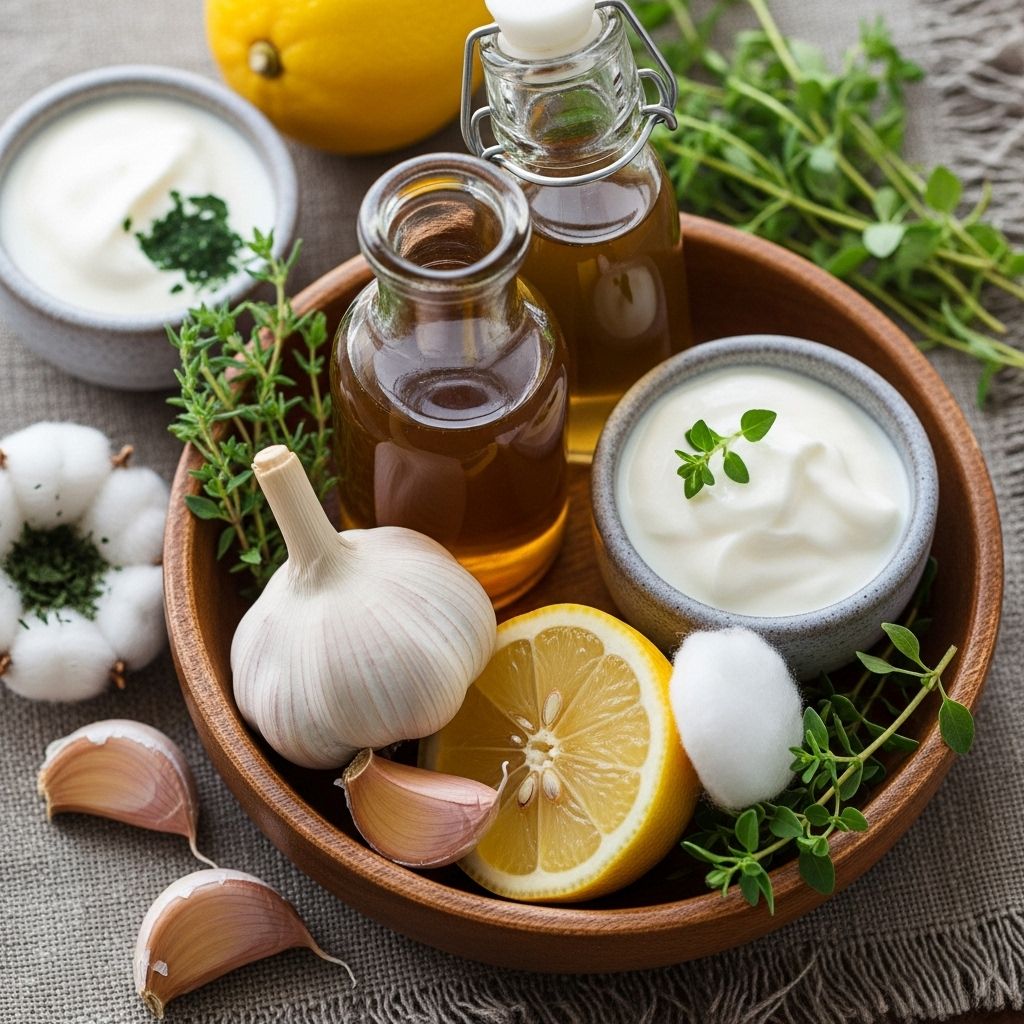
Vaginal yeast infections, primarily caused by Candida albicans, can be uncomfortable and inconvenient. Common symptoms include itching, burning, unusual discharge, and irritation. While antifungal medications remain the standard treatment, interest in natural home remedies is growing. This article reviews 12 home remedies, their potential effectiveness, scientific support, and application tips, empowering you to make informed choices about managing yeast infections safely at home.
What Is a Vaginal Yeast Infection?
A vaginal yeast infection, or candidiasis, occurs when there is an overgrowth of yeast in the vaginal mucosa. The condition is marked by persistent itching, burning, redness, swelling, and a white, cottage cheese-like discharge. Risk factors include antibiotic use, hormonal changes, uncontrolled diabetes, weakened immunity, pregnancy, and tight clothing. Timely treatment is important to prevent further complications.
12 Home Remedies for Vaginal Yeast Infection
- Apple Cider Vinegar
Apple cider vinegar (ACV) is widely recommended for its mild acidic properties that may help restore vaginal pH and curb yeast growth.
How to use: Add 1-2 cups of ACV to a warm bath and soak for 15-20 minutes. Do not directly apply vinegar inside the vagina, as this may irritate mucosal tissues.Precautions: ACV may cause burning or worsening irritation if used undiluted or applied topically to sensitive areas. Avoid vinegar douches, as they can disrupt normal flora and worsen symptoms.
- Garlic
Garlic contains allicin, a proven antifungal and antimicrobial compound. Several small studies suggest that garlic may inhibit the growth of Candida and relieve symptoms.
How to use:
- Insert a peeled garlic clove into the vagina before bedtime, using a threaded gauze for easy removal.
- Alternatively, crush garlic, wrap in sterile gauze, and use as a homemade tampon.
- Consume raw garlic or use in cooking for systemic benefits.
Precautions: Always ensure proper hygiene and do not use garlic if you have sensitive skin, ulcers, or open sores. Consult your doctor before intravaginal use.
- Boric Acid
Boric acid has potent antifungal properties. Vaginal boric acid capsules can be effective, especially for recurrent infections or those resistant to conventional treatment.
How to use: Insert boric acid capsules into the vagina as directed (usually once daily for 7-14 days).
Precautions: Boric acid is for vaginal use only. It is toxic if ingested and unsuitable for pregnant women or for oral use. Always consult a healthcare provider before use.
- Tea Tree Oil
Tea tree oil is a natural antifungal agent that may inhibit Candida overgrowth. Products containing tea tree oil are available as pessaries or suppositories.
How to use: Dilute a few drops of tea tree oil with a carrier oil (such as coconut oil), and apply to the affected area externally. Do not use undiluted oil, and avoid direct vaginal application unless in pre-formulated products.
Precautions: Test for allergies before use. Never ingest tea tree oil; it can be toxic.
- Coconut Oil
Coconut oil naturally contains lauric acid, which has antifungal activity. Some women find relief by applying coconut oil topically to external genital areas.
How to use: Apply virgin coconut oil externally to relieve itching; it may soothe irritation and inhibit fungal growth.
Precautions: Avoid applying coconut oil inside the vagina unless advised by a physician.
- Oregano Oil
Oil of oregano (specifically Origanum vulgare) contains carvacrol and thymol, two compounds with strong antifungal effects.
How to use: Use oil of oregano supplements as per the product instructions; do not apply essential oil directly to mucosal tissue. Dilute before topical use, if advised.
Precautions: Patch test before use to check for sensitivity. Not recommended for pregnant women or internal vaginal application unless medically supervised.
- Probiotics & Yogurt
Live cultures of Lactobacillus found in yogurt and probiotic supplements may help restore the natural vaginal flora and reduce yeast proliferation.
How to use:
- Consume unsweetened, natural yogurt daily.
- Take oral probiotic supplements recommended by your doctor.
Precautions: Do not insert yogurt directly into the vagina; it can worsen symptoms and increase yeast growth due to natural sugars.
- Kefir
Kefir is a fermented milk product rich in probiotics. Regular consumption may enhance vaginal health by supporting beneficial bacteria.
How to use: Drink 1 cup of kefir daily to maintain balance.
Precautions: Opt for unsweetened varieties and avoid in case of lactose intolerance.
- Warm Sitz Bath
Soaking in a warm sitz bath can reduce irritation and itching. While not curative, it offers symptomatic relief.
How to use: Fill a shallow basin with warm water and soak for 10-15 minutes once or twice daily.
Precautions: Do not add harsh chemicals, soaps, or vinegar to the bath water.
- Baking Soda
Baking soda may help neutralize vaginal pH and soothe skin. Some anecdotal reports suggest baking soda sitz baths may provide temporary relief.
How to use: Add 1-2 tablespoons of baking soda to a sitz bath and soak for 10-15 minutes.
Precautions: Do not use baking soda internally or excessively; always check for skin irritation after use.
- Lemon Juice
Lemon juice has weakly acidic, antifungal properties that may curb yeast growth. However, direct application inside the vagina is not recommended due to its potential for irritation.
How to use: Add a few drops to bath water for indirect exposure.
Precautions: Avoid topical use on mucosa; lemon juice can burn sensitive tissues.
- Hydration
Drinking plenty of water may help maintain overall vaginal health, but water alone is unlikely to cure a yeast infection. Hydration supports immunity and may help flush excess yeast from the body.
When to Avoid Home Remedies
Home remedies may help with mild yeast infections, but they are not suitable for everyone. Seek medical advice if:
- You are pregnant.
- This is your first yeast infection.
- Symptoms are severe (pain, sores, fissures).
- The infection recurs four or more times a year.
- Symptoms persist or worsen after 2-3 days of treatment.
- You have underlying conditions (such as diabetes, immune deficiencies).
Antifungal creams and prescription pills (like fluconazole) remain the most effective treatment for moderate to severe or recurrent yeast infections. Always consult a healthcare provider before trying any alternative or home-based remedy.
Table: Comparison of Home Remedies for Yeast Infection
| Remedy | Scientific Evidence | Application | Main Precautions |
|---|---|---|---|
| Apple Cider Vinegar | Limited Evidence | Bath Soak | Do not apply directly, risk of irritation |
| Garlic | Promising Small Studies | Oral/Intraginal (with caution) | Can irritate open wounds or sensitive skin |
| Boric Acid | Strong Clinical Support | Vaginal Capsule | Toxic if ingested, not for pregnancy |
| Tea Tree Oil | Limited Studies | Diluted Topical or Commercial Product | Allergic reactions, toxicity if ingested |
| Coconut Oil | Anecdotal Evidence | Topical External | Allergic reactions, don’t use internally |
| Oregano Oil | Early Laboratory Studies | Supplements, diluted topical | Patch test, avoid in pregnancy |
| Probiotics/Yogurt | Good Support for Prevention | Oral, dietary daily intake | Do not insert yogurt vaginally |
| Kefir | Beneficial for Flora Balance | Oral, dietary | Lactose intolerance possible |
| Baking Soda | Anecdotal | Sitz Bath | Skin irritation |
| Lemon Juice | Very Limited | Bath Additive | Not for direct vaginal use |
| Hydration | Supports Overall Health | Increase fluid intake | No specific contraindication |
Precautionary Tips for Home Treatment
- Maintain proper genital hygiene with unscented, mild soap and water.
- Wear breathable, cotton underwear to limit moisture.
- Avoid tight-fitting clothes and pantyhose.
- Wipe front to back after using the toilet.
- Change out of wet garments promptly and avoid prolonged dampness.
Are Home Remedies Scientifically Proven?
Most home remedies lack robust clinical support and are considered complementary options. While many offer symptomatic relief and may prevent recurrence when combined with medical treatments, none should fully substitute prescription antifungal therapy. Always turn to your doctor for guidance, especially in persistent or severe cases.
Frequently Asked Questions (FAQs)
Q: What causes vaginal yeast infections?
A: Yeast infections develop when the natural balance of bacteria and yeast in the vagina is disturbed, allowing Candida albicans to multiply. Contributing factors include antibiotics, hormonal changes, diabetes, and weakened immunity.
Q: Can I treat a yeast infection with only home remedies?
A: Mild cases may respond to some home remedies, but persistent or severe infections require prescription medications for complete resolution. Always consult a doctor if symptoms are unclear or worsen.
Q: What home remedy is safest for first-time use?
A: Oral probiotics and maintaining hygiene are generally safe and may help prevent yeast infections. Direct application of substances into the vagina, such as garlic or vinegar, should only be considered with medical guidance.
Q: Are over-the-counter antifungal creams more effective than home remedies?
A: Yes, creams, pessaries, and prescription antifungal pills show stronger and faster symptom relief and cure rates compared to most home remedies.
Q: When should I see a doctor for a yeast infection?
A: Consult a doctor if symptoms persist after 2-3 days of home treatment, if you are pregnant, experience recurring infections, or have severe symptoms like burning, swelling, or open sores.
Q: Can lifestyle changes help prevent yeast infections?
A: Yes, wearing cotton underwear, avoiding douches, keeping the area dry, and adopting a balanced diet support vaginal health and reduce candida overgrowth risk.
Q: Is yogurt safe to use vaginally?
A: No, inserting yogurt into the vagina is not recommended; it may worsen infection due to sugars fueling yeast growth. Consume yogurt orally for probiotic benefits.
Key Takeaways
- Home remedies like garlic, boric acid, probiotics, and tea tree oil may offer complementary relief for mild yeast infections.
- Prescription antifungals remain the first-line treatment for moderate to severe or recurrent infections.
- Always consult your healthcare provider before using intravaginal home remedies or if symptoms last more than a few days.
- Never ingest topical agents like tea tree oil or boric acid. Follow safety instructions for all home treatments.
Disclaimer
This article is for informational purposes only and should not replace medical advice or diagnosis. Consult an experienced healthcare professional for personalized treatment and guidance regarding vaginal yeast infections.
Similar Articles






Read full bio of Sneha Tete