16 Effective Home Remedies To Remove Ear Wax Safely
Discover safe and proven home remedies to remove earwax buildup and maintain ear health, with tips and precautions for every method.
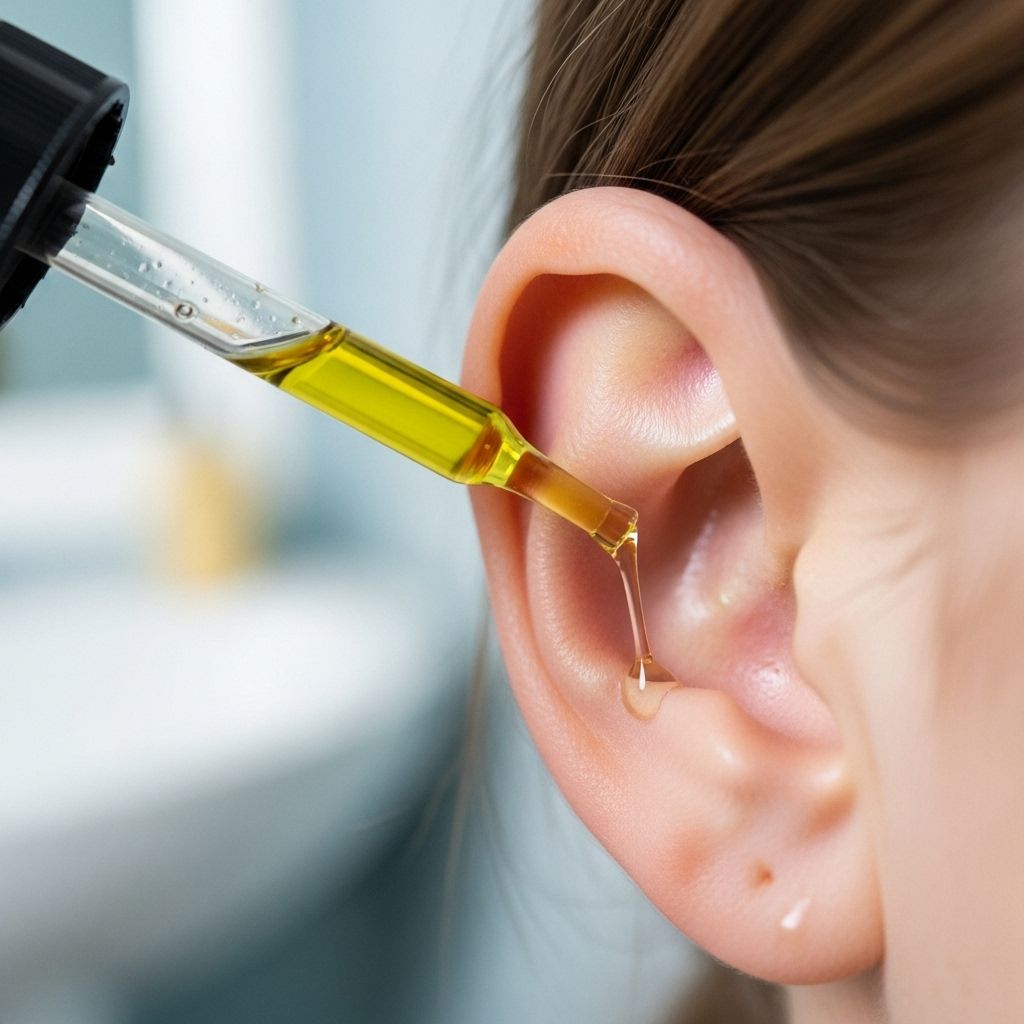
Earwax, also known as cerumen, serves a vital purpose in protecting your ears by trapping dust, debris, and microorganisms. However, excessive buildup can cause discomfort, hearing loss, or even infections. While the ears are usually self-cleaning, sometimes safe intervention is needed to remove stubborn wax. This comprehensive guide details 16 tried-and-tested home remedies and important precautions to keep your ears healthy and clear.
What Is Earwax and Why Does It Accumulate?
Earwax is a natural secretion produced by ceruminous and sebaceous glands in the ear canal. It lubricates, protects, and cleanses the ear by trapping dust and bacteria. Normally, earwax dries and moves toward the ear opening, where it falls out or is wiped away. However, in some cases, it can harden, build up, or get pushed deeper—leading to blockage or discomfort.
- Signs of Earwax Buildup: Earache, feeling of fullness, reduced hearing, ringing in the ear (tinnitus), dizziness, or itchiness.
- Common Causes: Frequent use of earbuds, hearing aids, or improper cleaning using cotton swabs or foreign objects.
16 Safe Home Remedies For Earwax Removal
Before trying any home remedy, confirm you do not have a perforated eardrum, ongoing ear infection, or ear tubes—these conditions warrant professional care rather than self-treatment.
Hydrogen Peroxide
You will need: 3% hydrogen peroxide solution, water, cotton ball.
How to use:
- Mix equal parts hydrogen peroxide and water.
- Lie sideways with the affected ear facing up. Soak a cotton ball in the solution and squeeze a few drops into the ear.
- Let it fizz and bubble for several minutes. Tilt your head to let fluid and softened wax drain out.
Why it works: Hydrogen peroxide naturally breaks down and loosens tough earwax, making it easier to remove. It also has mild disinfectant properties.
How often: A single treatment is usually sufficient. If irritation occurs, discontinue use and consult a healthcare professional.
Coconut Oil
You will need: Virgin coconut oil, dropper.
How to use:
- Warm the oil slightly until it is comfortable to the touch (not hot).
- Using a dropper, apply 2-3 drops into your ear while lying on your side.
- Stay in that position for a few minutes before draining out the oil.
Why it works: Coconut oil softens hardened wax, thanks to its lubricating and mild antimicrobial properties.
How often: As needed, provided there are no adverse reactions.
Rubbing Alcohol
You will need: Rubbing alcohol (isopropyl alcohol), dropper.
How to use: Place a couple of drops directly into the affected ear. Allow it to sit for a few minutes, then tilt your head for drainage.
Why it works: Alcohol can help dry out excess moisture and dissolve earwax, reducing the risk of infection.
How often: Only when needed and never if the ear canal is irritated or inflamed.
Almond Oil
You will need: Almond oil at room temperature, dropper.
How to use: Place 1–2 drops into the ear canal using a clean dropper. Wait a few minutes before draining excess oil.
Why it works: Almond oil is an excellent lubricant that effectively softens earwax, easing its natural expulsion.
How often: Repeat as needed for stubborn wax or dry ears.
Baby Oil
You will need: Baby oil, dropper, cotton ball.
How to use:
- Add a few drops of baby oil into the affected ear.
- Cover the ear with a cotton ball for several minutes, then remove the cotton and allow the oil (and softened wax) to drain out.
Why it works: Baby oil is a mineral oil that moisturizes and breaks down stubborn wax, facilitating safe removal.
How often: Use every few weeks, especially if you are prone to dry or flaky ear canals.
Baking Soda
You will need: 1/4 teaspoon baking soda, 2 teaspoons water, dropper.
How to use:
- Dissolve baking soda completely in water.
- Put a few drops into the affected ear and let sit for several minutes.
- Tilt head to drain out, then clean the ear with a soft cloth.
Why it works: Baking soda softens and breaks down impacted wax. Its mild antiseptic action may prevent infection.
How often: Repeat after a day or two if needed—but not more than two weeks consecutively.
Saline Solution
You will need: 1 tablespoon salt, 1/2 cup warm water, cotton ball.
How to use:
- Completely dissolve salt in warm water.
- Soak a cotton ball and drip a few drops into the affected ear.
- Remain in the same position for a few minutes, then tilt head to drain.
Why it works: Saline water is a gentle irrigant, softening wax as effectively as doctor-recommended ear drops.
How often: Use as needed until blockage clears.
Apple Cider Vinegar (ACV)
You will need: ACV diluted with equal parts water, dropper.
How to use: Add a few drops into the affected ear, let it sit, then tilt your head to drain. Rinse and dry with care.
Why it works: ACV’s mild acidity breaks down wax and may help combat bacteria or fungi.
How often: Infrequently, as needed, due to its acidity.
Olive Oil
You will need: Pure olive oil, dropper.
How to use: Warm to body temperature and place a few drops in your ear. Wait several minutes, then drain.
Why it works: Olive oil coats and softens hard wax, allowing natural removal.
How often: Every few weeks, especially if using hearing aids or earbuds.
Garlic Oil
You will need: Few crushed garlic cloves, olive oil.
How to use: Infuse crushed garlic in warm olive oil, strain, and use as drops in your ear.
Why it works: Garlic contains allicin with natural antibacterial properties, while the oil softens wax.
How often: Sparingly, especially if you suspect an ear infection.
Mullein Oil
You will need: Pure mullein oil, dropper.
How to use: Place 2-3 drops into the affected ear and let sit before draining.
Why it works: Mullein oil is a traditional herbal remedy for ear discomfort, helping to soften wax and soothe irritated skin.
How often: Occasionally or as needed.
Paraffin Oil
You will need: Pharmaceutical paraffin oil, dropper.
How to use: Warm slightly and drop a small amount into the ear. Wait several minutes, then drain and clean gently.
Why it works: Paraffin oil lubricates the canal and is commonly recommended by audiologists to manage tough wax buildup.
How often: Occasionally for stubborn blockages.
Glycerin
You will need: Pharmaceutical-grade glycerin, dropper.
How to use: Add 2-3 drops of glycerin into the ear to help soften hardened wax.
Why it works: Glycerin acts as a humectant, drawing moisture into the wax and making removal easier.
How often: When necessary, but not regularly.
Warm Water Irrigation
You will need: Bulb syringe, warm (not hot) water.
How to use:
- Soften wax with drops (such as oil or hydrogen peroxide) first, then gently squirt warm water into the ear canal using a bulb syringe while tilting your head.
- Let water and wax drain out. Avoid forceful irrigation.
Why it works: Warm water loosens and flushes away wax. This is often used after applying softening agents.
How often: Occasionally and with great caution. Not recommended with perforated eardrum or infection.
Omega-3 Fatty Acids
You will need: Omega-3-rich foods (such as flax seeds, walnuts, salmon) or supplements.
How to use: Incorporate omega-3 fatty acids into your diet to help regulate the body’s natural oil production, which may prevent hard wax formation over time.
Why it works: Omega-3s are known to support healthy skin and mucous membranes, which includes the ear canal.
How often: As part of a balanced, ongoing diet.
Mustard Oil
You will need: Mustard oil, dropper.
How to use: Warm slightly before use, and apply 1-2 drops into the affected ear. Allow the oil to soften the wax before draining.
Why it works: Mustard oil is an age-old remedy for softening and lubricating hard earwax, and it may have mild antibacterial effects.
How often: Periodically, as needed for stubborn buildup.
Important Precautions When Removing Earwax At Home
- Never insert cotton swabs, paper clips, hairpins, or any objects into your ears—these can push wax deeper or injure the eardrum.
- Avoid home remedies if you have an ear infection, ear tube, or ruptured (perforated) eardrum. Always consult a healthcare professional.
- Stop any home remedy if pain, dizziness, hearing loss, or irritation occurs.
- Use oils and liquids at body temperature to minimize dizziness or discomfort.
- If wax buildup persists despite home treatment, or if you experience bleeding, persistent pain, or sudden hearing loss, seek medical attention promptly.
When Should You Seek Medical Help?
While home remedies can manage simple wax impaction, certain signs indicate the need for professional removal:
- Severe ear pain or discharge
- Sudden hearing loss
- Persistent dizziness or ringing (tinnitus)
- Known ruptured eardrum or ear tube in place
- Unsuccessful removal after several attempts at home
Doctors can safely remove earwax using specialized tools, including curettes, suction devices, or professional irrigation when indicated.
Prevention Tips For Healthy Ears
- Avoid using cotton swabs or sharp objects inside the ear canal.
- Wipe the outer ear with a damp cloth after bathing—never probe inside.
- Limit use of earplugs or headphones for prolonged periods.
- Maintain ear hygiene and avoid inserting liquids or oils if you have had ear surgeries or chronic ear conditions.
Frequently Asked Questions (FAQs)
Q: What causes excessive earwax buildup?
A: Genetics, frequent use of ear devices (like hearing aids or earphones), and improper cleaning habits can all contribute to excessive wax.
Q: Is it safe to use cotton swabs to clean my ears?
A: No. Cotton swabs often push wax deeper, increasing the risk of blockage and damage to the eardrum or ear canal.
Q: Which home remedy works best and is safe for sensitive ears?
A: Gentle oils (like almond or olive oil) and saline water are generally best for sensitive ears. Always do a patch test or consult your healthcare provider.
Q: How do I know if I have an earwax blockage?
A: Common symptoms include muffled hearing, feeling of fullness in the ear, earache, and sometimes ringing in the ear.
Q: When should I avoid home earwax removal?
A: Avoid any self-removal if you have a history of ear infections, pain, discharge, perforated eardrum, ear tubes, or recent ear surgery.
Q: How often should ears be cleaned?
A: Ears are self-cleaning for most people. Home cleaning is usually only necessary if you experience discomfort or visible buildup.
Summary Table: Earwax Removal Remedies and Their Benefits
| Remedy | Main Benefit | Suitable For |
|---|---|---|
| Hydrogen Peroxide | Breaks down tough wax, disinfects | Most adults |
| Coconut/Almond/Baby/Olive Oil | Softens, lubricates wax, soothes ear canal | Dry, hard wax; sensitive skin |
| Baking Soda | Antiseptic, breaks down wax | Persistent buildup |
| Saline Solution | Gently dissolves and irrigates wax | General use |
| Warm Water Irrigation | Flushes out wax, easy after softening agents | Most adults (not with perforated ear drum) |
Final Thoughts
Earwax is not only normal but beneficial for ear health. Gentle, periodic home care can manage most minor buildups, but it is vital to avoid aggressive cleaning techniques and to know when to seek medical advice. Consistent ear hygiene, dietary support, and safe remedies will assure comfort and healthy hearing for years to come.
Similar Articles







Read full bio of Sneha Tete