13 Effective Home Remedies To Stop Vomiting Naturally
Discover trusted, natural remedies and practical lifestyle tips to relieve nausea and stop vomiting safely at home.
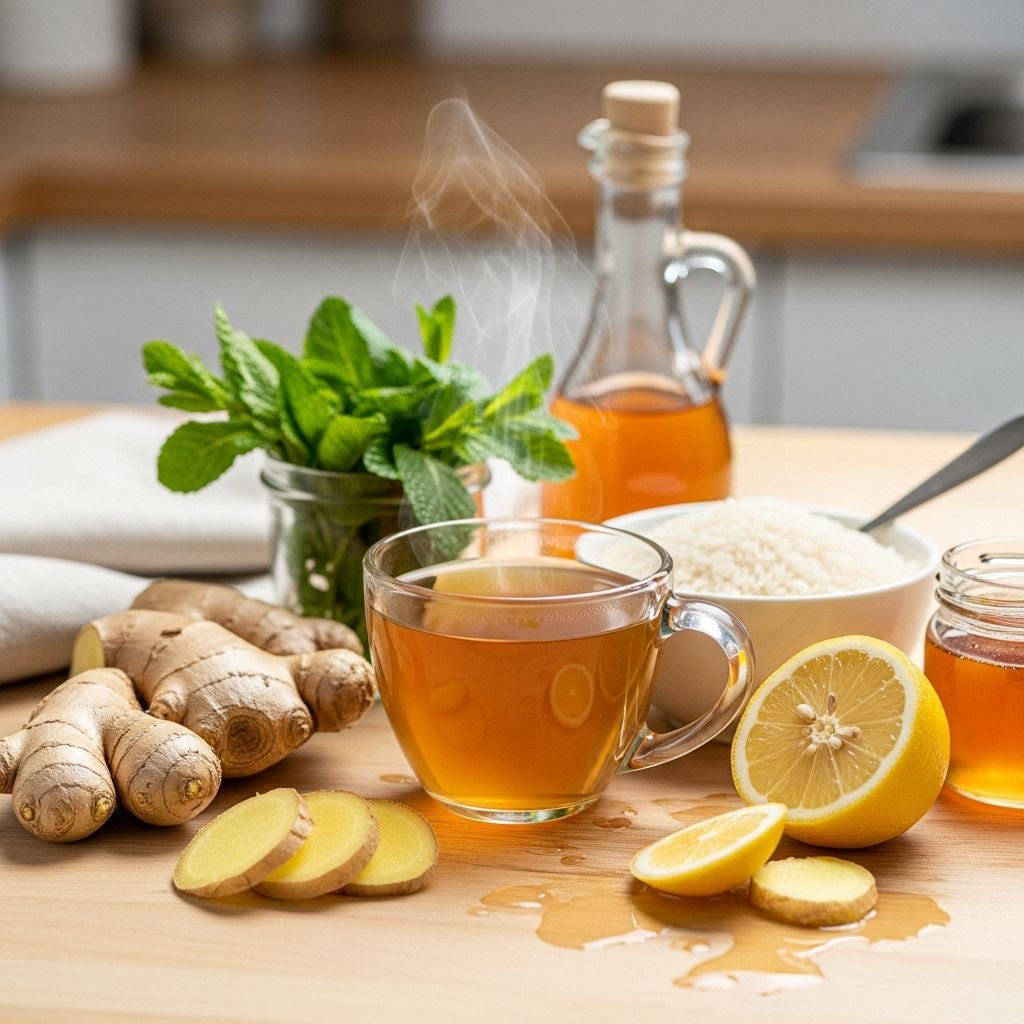
Vomiting, or emesis, is a sudden and involuntary expulsion of stomach contents through the mouth. It can be caused by a wide range of factors—including food poisoning, gastrointestinal infections, motion sickness, pregnancy, stress, or even certain medications. While vomiting is often your body’s way of eliminating harmful substances or soothing an upset stomach, persistent vomiting can quickly lead to dehydration, weakness, and further complications if not managed appropriately.
This comprehensive guide outlines 13 scientifically backed home remedies, dietary adjustments, and supportive care tips to help you stop vomiting, restore comfort, and support your digestive health. Each remedy is safe, easy to prepare, and uses ingredients or methods readily available at home.
Table of Contents
- Understanding Vomiting and Its Causes
- 13 Home Remedies to Stop Vomiting
- Lifestyle and Dietary Tips
- When To Seek Medical Attention
- Frequently Asked Questions
Understanding Vomiting and Its Causes
Vomiting is not a disease itself, but a symptom linked to numerous underlying conditions. The most frequent triggers for vomiting include:
- Gastrointestinal infections (viral or bacterial)
- Food poisoning
- Motion sickness or travel sickness
- Migraines
- Pregnancy (morning sickness)
- Excessive food or alcohol intake
- Side effects from medications
- Anxiety or psychological stress
Identifying the cause is important for treatment. However, the remedies below are broadly effective in providing prompt relief from nausea and vomiting regardless of the trigger (see Healthline ).
13 Home Remedies To Stop Vomiting
Below are 13 home remedies with practical guidance on use, expected benefits, and important safety notes.
1. Ginger
- Gingerol and shogaol, compounds found in ginger, are well-known for their antiemetic (anti-nausea) effects.
- Studies show ginger helps relax the gastrointestinal tract muscles and blocks serotonin receptors in the gut that trigger nausea (see Healthline ).
- How to use: Steep 1-2 inches of peeled, fresh ginger root in a cup of hot water for 5-10 minutes. Sip slowly. Alternately, chew a small piece of candied ginger or take ginger capsules after consulting your doctor.
Note: Avoid excessive intake if you have bleeding disorders or are on blood-thinning medication.
2. Peppermint
- Peppermint possesses menthol, which calms the stomach lining and assists in reducing nausea and the urge to vomit.
- How to use: Brew peppermint tea by steeping fresh peppermint leaves (or a tea bag) in hot water for several minutes. Inhale the aroma while you sip the tea for additional relief.
Note: Avoid if you have gastroesophageal reflux disease (GERD) as peppermint can worsen symptoms.
3. Lemon
- The fresh, citrus scent of lemon can help quell nausea. Lemon juice can also neutralize stomach acids.
- How to use: Squeeze half a lemon into a glass of water; sip slowly. Inhaling the scent of fresh-cut lemon offers quick relief for some people.
Tip: Add a spoonful of honey for added sweetness and antimicrobial benefit.
4. Clove
- Cloves contain eugenol, a compound that may ease nausea, improve digestion, and lessen vomiting sensations.
- How to use: Chew a few cloves directly or steep one teaspoon of cloves in boiling water for 10 minutes. Drink as a warm tea.
5. Fennel Seeds
- Fennel seeds act as carminatives, helping relieve bloating, digestive spasms, and nausea.
- How to use: Chew one teaspoon of raw fennel seeds after meals, or infuse a teaspoon in hot water for a light, soothing tea.
6. Rice Water
- Rice water protects the stomach lining and helps reduce inflammation and acidity.
- How to use: Boil one cup of white rice (not brown) in two cups of water. Strain and cool the liquid. Drink small sips.
7. Cinnamon
- Cinnamon can help slow down digestive spasm and reduce nausea, especially when vomiting is linked to indigestion.
- How to use: Simmer a cinnamon stick in a cup of water for 10-15 minutes. Allow to cool, then drink slowly.
Note: Cinnamon in high amounts is not recommended for pregnant women.
8. Apple Cider Vinegar (ACV)
- ACV’s antimicrobial properties may neutralize toxins in the gut, especially if vomiting is related to mild food poisoning or indigestion.
- How to use: Dilute one teaspoon of apple cider vinegar with one cup of water. Optionally, add honey for taste.
Warning: Never consume undiluted vinegar. Avoid if you have gastritis or ulcers.
9. Oral Rehydration Solution (ORS)
- Vomiting leads to rapid fluid and electrolyte loss. ORS replenishes lost salts and prevents dehydration.
- How to use: Mix half a teaspoon of salt and six teaspoons of sugar in one liter of clean water. Sip small amounts every few minutes.
10. Basil Leaves
- Basil has antispasmodic properties and soothes digestive discomfort, reducing urge to vomit.
- How to use: Crush a handful of fresh basil leaves, extract the juice, and mix with one teaspoon of honey. Take one teaspoon as needed.
11. Cold Compress
- Applying a cold compress on the back of your neck cools the body and provides comfort, helping quell nausea caused by heat, stress, or motion sickness.
- How to use: Wrap ice cubes in a clean towel and place on the neck for several minutes.
12. Deep Breathing Exercises
- Slow, controlled breathing (through the diaphragm) activates the parasympathetic nervous system, calming both body and mind.
- How to use: Inhale through your nose, allow your abdomen to expand, then exhale slowly through your mouth. Repeat several times until relief is felt.
13. Acupressure
- Traditional Chinese medicine recognizes the P-6 (Neiguan) pressure point on the inner forearm as a way to relieve nausea and prevent vomiting.
- How to use: Place three fingers across your wrist, use your thumb to press just below the fingers, massage in a slow, circular motion for 2-3 minutes on both arms.
Lifestyle and Dietary Tips for Relieving Vomiting
- Eat bland foods: Dry toast, plain rice, bananas, and crackers are gentle on the stomach and easy to digest.
- Stay hydrated: Sip water, herbal teas, clear broths, or suck on ice chips to replace lost fluids without overloading your stomach.
- Avoid strong odors: Strong smells can trigger further nausea; opt for ventilated spaces and mild scents.
- Rest: Lie down with your head slightly elevated, but avoid sleeping flat to prevent reflux.
- Avoid fatty, spicy, or fried foods: These are difficult to digest and can make nausea worse.
| Trigger | Recommended Remedy |
|---|---|
| Motion Sickness | Ginger tea, deep breathing, cold compress |
| Food Poisoning | ORS, ACV (diluted), rice water |
| Indigestion | Peppermint tea, fennel seeds, cinnamon tea |
| Pregnancy | Lemon water, ginger (check with doctor) |
When To Seek Medical Attention
While home remedies effectively control occasional vomiting, immediate medical care is essential if you experience:
- Vomiting lasting more than 24 hours in adults (or more than 12 hours in children)
- Signs of severe dehydration (very dry mouth, excessive thirst, no urination, dizziness)
- Blood in vomit or vomit that looks like coffee grounds
- High fever (above 101°F/38.3°C)
- Severe headache, stiff neck, or altered mental state
- Painful abdominal distention or persistent severe abdominal pain
These may indicate a serious condition requiring prompt evaluation by a healthcare professional (see Healthline ).
Frequently Asked Questions (FAQs)
Q1: What should I drink after vomiting?
Start with small sips of water, ice chips, clear broths, or diluted oral rehydration solutions. Avoid sugary, caffeinated, or acidic beverages initially.
Q2: Can ginger relieve nausea and vomiting?
Yes, multiple studies show ginger effectively relieves nausea and is safe in small amounts. Ginger tea, chews, or capsules are all options.
Q3: Should I force myself to vomit if I feel nauseous?
No, forcing yourself to vomit can lead to injury and further complications. Use gentle remedies and consult a healthcare provider if symptoms persist.
Q4: What foods should I avoid while recovering?
Steer clear of spicy, oily, fried, or heavy foods. Stick to simple, bland options until your nausea subsides.
Q5: When does vomiting indicate a medical emergency?
If vomiting is persistent, followed by confusion, blood in vomit, high fever, or accompanied by severe pain and dehydration, seek medical help immediately.
Final Safety and Prevention Tips
- Maintain proper hand hygiene to prevent infections leading to vomiting.
- Store food correctly and avoid consuming expired or suspicious foods.
- If vomiting is recurrent, keep a record of diet and environmental changes to identify personal triggers.
Most episodes of vomiting subside within hours with rest, fluids, and gentle remedies. These home-based solutions offer rapid comfort and can safely restore digestive balance. If in doubt or if symptoms persist, always consult a healthcare professional.
Similar Articles








Read full bio of Sneha Tete