20 Effective Ways to Get Rid of Cold Sores Overnight
Soothe, heal, and prevent cold sores fast with these top home remedies and medical insights.
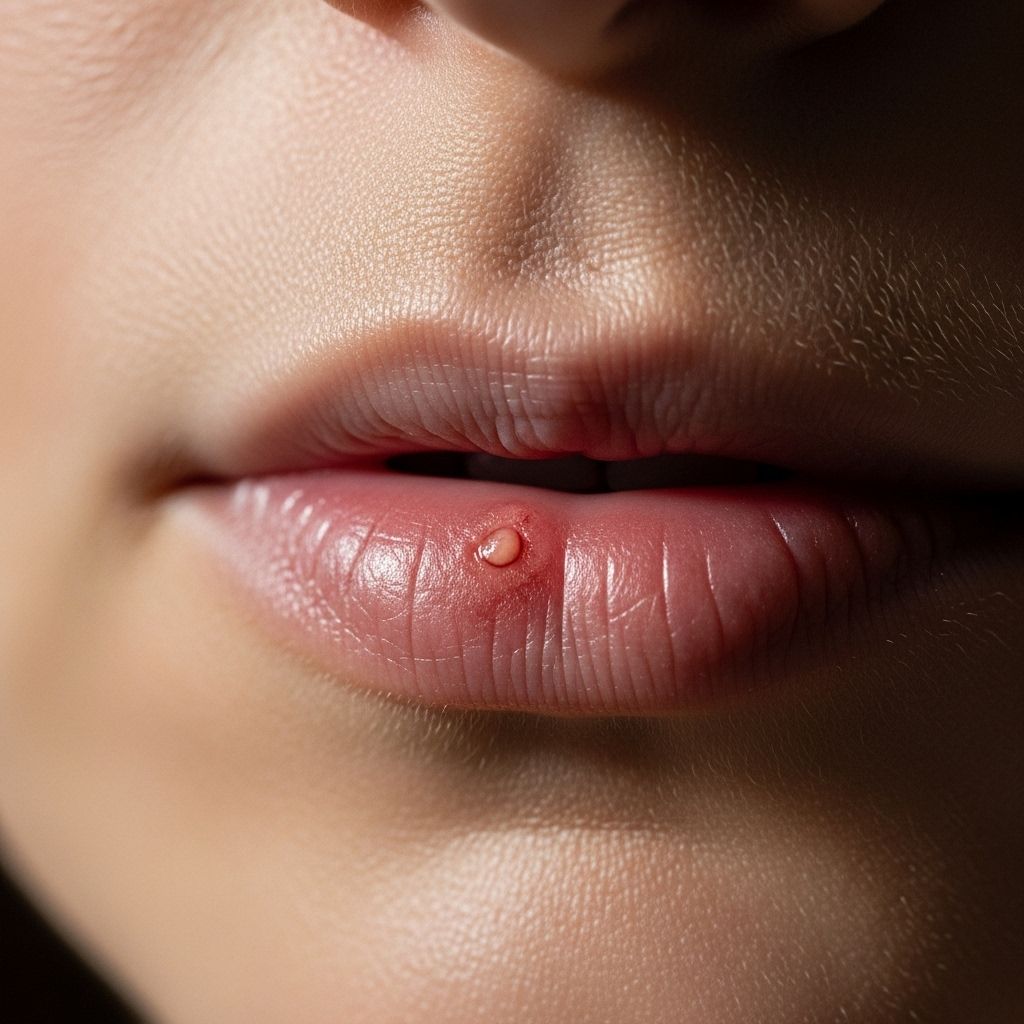
Cold sores, caused by the herpes simplex virus (HSV-1), are common skin lesions that appear as painful blisters around the lips and mouth. While they tend to resolve on their own in a week or two, their discomfort, social embarrassment, and persistent recurrence drive many to seek swift remedies. This comprehensive guide delves into 20 effective methods—spanning natural home remedies and clinically proven medical treatments—to help you reduce symptoms, promote healing, and minimize recurrences of cold sores as quickly as possible.
What Are Cold Sores?
Cold sores, also known as fever blisters, are small, fluid-filled lesions that form on or around the lips, nose, and sometimes inside the mouth. They begin as tingling or burning sensations, followed by the emergence of blisters. Cold sores are highly contagious during an outbreak and even when invisible shedding occurs.
Why Treat Cold Sores Quickly?
- Reduce discomfort, pain, and itching.
- Speed up healing to minimize visible symptoms.
- Lower the risk of spreading the virus to others.
- Prevent secondary infections due to broken skin.
Home Remedies for Cold Sores: 20 Fast Natural Treatments
While home remedies are popular and sometimes effective, they are not substitutes for prescribed antiviral medication, especially for severe or recurrent cases. Before starting any new regimen, consult a healthcare provider.
1. Tea Tree Oil
Tea tree oil has antiviral and antimicrobial properties that may help fight the HSV-1 virus. To use, dab a small amount on a cotton swab and apply it directly to the sore several times a day. Do not ingest; always dilute if you have sensitive skin.
2. Ice Cubes
Ice can quickly ease redness, pain, and swelling from cold sores. Hold an ice cube or ice pack against the affected area for 5-10 minutes multiple times a day for symptomatic relief. Avoid direct prolonged contact to prevent skin irritation.
3. Lemon Balm (Melissa officinalis)
Lemon balm contains compounds that inhibit HSV-1 replication. Apply lemon balm cream or extract directly to the sore several times daily to reduce redness and speed healing.
4. Aloe Vera Gel
Aloe vera is celebrated for its antiviral and skin-soothing effects. Apply pure aloe vera gel with a cotton swab to the sore 2-3 times daily and let it dry completely for best results.
5. Honey
Raw or medical-grade honey offers antiviral and antibacterial benefits. Dab a thin layer over the affected area and leave it on; reapply a few times a day.
6. Peppermint Oil
Studies suggest that peppermint oil may help inactivate HSV-1. Apply a diluted solution to the sore with a cotton swab, avoiding excessive use to prevent irritation.
7. Apple Cider Vinegar
With its acidic and antiviral properties, apple cider vinegar may help dry out a sore. Soak a cotton ball in a diluted solution and gently apply to the area. Discontinue if irritation develops.
8. Milk Compress
Milk contains immunoglobulins that can inhibit HSV-1 and soothe the skin. Dip a cotton ball in chilled whole milk and apply to the sore for a few minutes. Repeat every two hours as needed.
9. Licorice Root Extract
Glycyrrhizin in licorice root exhibits antiviral activity. Mix licorice powder with water to form a paste, apply to the sore, and leave it for several hours before rinsing off. Repeat a few times per day.
10. Hydrogen Peroxide
As a topical disinfectant, hydrogen peroxide may help prevent secondary bacterial infections. Dab a dilute 3% solution onto the sore briefly with a cotton swab once or twice daily.
11. Vitamin E
Vitamin E is anti-inflammatory and may soothe pain and promote healing. Break open a vitamin E capsule and apply the oil directly onto the sore multiple times a day.
12. Vitamin C
Vitamin C can stimulate your immune response. Crush a vitamin C tablet, mix with a drop of water to form a paste, and apply to the sore, or simply increase your dietary intake.
13. Echinacea
This herbal supplement may enhance immunity and reduce pain. Use echinacea tea or topical preparations on sores for possible symptom relief.
14. Salt
Salt, with natural drying and antimicrobial properties, can help dehydrate blisters. Place a tiny amount of salt on the sore for a minute, then rinse. This can sting and should not be overused.
15. Witch Hazel
Witch hazel is an astringent with antiviral qualities. Apply a small amount to the sore using a cotton swab to help dry out the lesion and potentially reduce pain and inflammation.
16. Garlic
Garlic contains allicin with reported antiviral properties. Crush a garlic clove, apply to the sore for a few minutes, and rinse off. Limit use to avoid skin burns.
17. Cornstarch Paste
A cornstarch paste can ease irritation and dry the sore. Mix cornstarch with a little water to make a paste, apply to the sore, let it dry, then rinse off gently.
18. Lemon Juice
Natural acids in lemon juice may gently disinfect the area. Use a cotton swab to dab a diluted solution onto the sore once daily. Avoid if you have sensitive skin.
19. Yogurt
Rich in lysine and probiotics, plain unsweetened yogurt can be gently applied to the sore to soothe inflammation and possibly inhibit viral activity.
20. Over-the-Counter Creams
Creams containing docosanol (Abreva), benzocaine, or lidocaine can numb cold sores and may marginally speed healing. Apply per instructions on the package at the first sign of symptoms.
Medical Treatments for Cold Sores
For rapid and reliable relief, prescription antivirals are the gold standard. These are most effective when started at the first sign (tingling, itching, or burning).
- Acyclovir (Zovirax): Available as topical or oral formulations. Oral tablets are typically more effective for severe outbreaks.
- Valacyclovir (Valtrex): Oral prescription, often prescribed for both acute outbreaks and prevention.
- Famciclovir (Famvir): Another oral antiviral option with similar efficacy.
- Penciclovir (Denavir): Topical antiviral cream applied directly to lesions.
Doctors may suggest a short-course high-dose therapy, or in cases of frequent recurrences, daily antiviral medication as a preventative (suppressive) strategy.
Alternative Medicines and Supplements for Cold Sores
Discuss all supplements with a healthcare professional to avoid adverse interactions or allergies.
- Lysine: An amino acid available as oral supplements and topical cream. May help suppress recurrences in some people.
- Rhubarb and Sage Cream: Herbal combination reported to be as effective as topical acyclovir in some studies.
- Zinc, Vitamin E, and Vitamin C: Can support immune response and healing when taken as part of a balanced diet or supplement regimen.
How to Prevent Cold Sores
- Avoid direct contact (kissing, sharing utensils, towels, or lip balm) during outbreaks.
- Use sunscreen or lip balm with SPF when outdoors to reduce UV-triggered outbreaks.
- Manage stress, fatigue, and hormonal imbalances, as these can trigger recurrences.
- Maintain good hand and facial hygiene to lower viral transmission risk.
- Support your immune health through a balanced diet, regular exercise, and sufficient sleep.
Cold Sore vs. Pimple: How to Tell the Difference
| Feature | Cold Sore | Pimple |
|---|---|---|
| Cause | Herpes simplex virus (usually HSV-1) | Bacterial infection or clogged pore |
| Appearance | Clusters of small fluid-filled blisters, often preceded by tingling | Single raised red bump or whitehead |
| Symptoms | Pain, burning, itchiness, sometimes fever and body aches | Often tender or swollen, but not usually itchy or burning |
| Location | On or around the lips, mouth, nose | Anywhere on the face or body |
| Contagious? | Yes, highly contagious via contact | No, unless due to a staph infection |
Signs & Symptoms of Cold Sores
- Tingling, burning, or itching sensation around the lips
- Red, swollen, or painful blisters that burst and form crusts
- Fever, swollen lymph nodes (in severe cases)
- Mild fatigue or soreness around the affected area
Frequently Asked Questions
Q: Can cold sores be cured permanently?
No, there is currently no cure for HSV-1 infection. Cold sores may recur, but effective management can reduce frequency and severity.
Q: What triggers a cold sore outbreak?
Triggers include stress, illness, sun exposure, hormonal changes, fatigue, and a weakened immune system.
Q: Are home remedies safe for children?
Some gentle remedies (like cold compresses or aloe vera) may be safe with supervision, but always consult a pediatrician before applying oils or supplements on children.
Q: How long does a typical cold sore last?
With or without treatment, most cold sores heal within 7 to 14 days. Prompt intervention can reduce symptom duration.
Q: When should I consult a doctor?
If your cold sore is severe, recurrent, lasting more than two weeks, or accompanied by high fever or eye involvement, seek medical attention.
Key Points to Remember
- For the most rapid improvement, begin antiviral treatment at the earliest sign of a cold sore.
- Home remedies can soothe symptoms and support healing, but are usually adjuncts to—not replacements for—prescription medication.
- Preventive strategies (sun protection, immune health, hygiene) are crucial for minimizing recurrences and contagion risk.
Similar Articles






Read full bio of medha deb