8 Powerful Foods That Help Eliminate Intestinal Parasites at Home
Discover effective, natural foods that help target and eliminate intestinal parasites using common home remedies and dietary strategies.
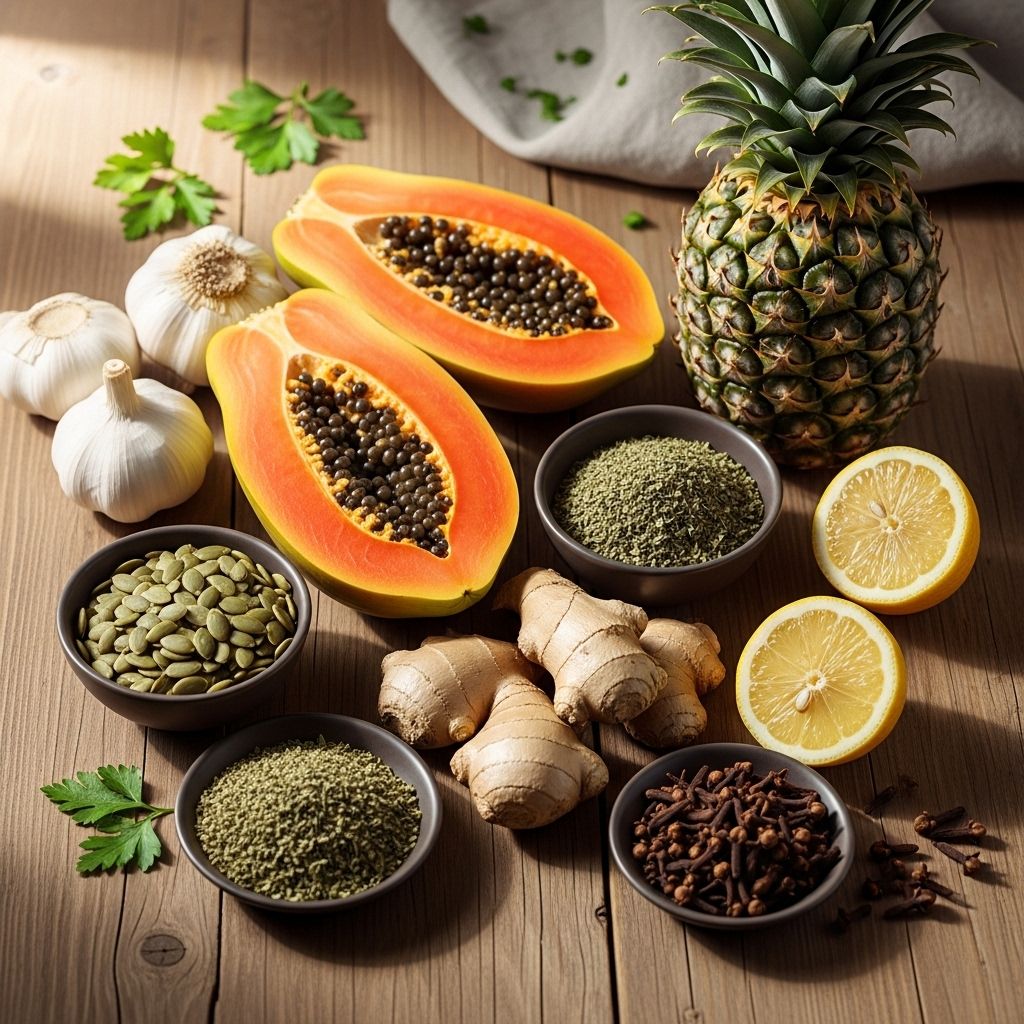
Intestinal parasites are organisms that live in the digestive tract and feed off nutrients from the host, leading to symptoms such as bloating, abdominal pain, diarrhea, fatigue, and nutritional deficiencies. While pharmaceutical treatments are effective and should always be considered for severe cases, natural remedies and dietary choices are increasingly recognized for their supportive role in detoxifying the body and inhibiting parasite growth. In this article, we explore eight proven foods that offer antiparasitic properties and discuss how to incorporate them into your diet for preventative and supportive care.
Understanding Intestinal Parasites
Parasites are microscopic or large organisms such as worms (helminths), protozoa, or single-cell organisms that infect the digestive system. Common human intestinal parasites include pinworms, roundworms, tapeworms, and protozoa like Giardia and Entamoeba. The presence of intestinal parasites is particularly common in developing regions but can occur worldwide due to travel, contaminated food, water, or poor hygiene.
- Symptoms: Digestive disturbance, gas, bloating, diarrhea, chronic fatigue, itching around the anus, unexplained weight loss.
- Transmission: Consuming contaminated food or water, close contact with infected humans or animals, poor sanitation.
- Risks: Malnutrition, stunted growth in children, inflammatory bowel problems, and poor immune function.
While pharmaceutical medications remain the gold standard for parasite eradication, various foods and herbs may support these efforts by disrupting parasites or creating a less hospitable environment in the gut .
1. Garlic
Garlic is one of nature’s most potent foods for combating intestinal parasites. This household staple contains allicin and other sulfur compounds that exhibit antibacterial, antifungal, and antiparasitic properties . Garlic is known to disrupt both protozoa and helminths, making it effective against a range of common intestinal invaders.
- How it works: Allicin is released when garlic is chopped, crushed, or chewed, and has been shown to immobilize or kill parasites directly.
- How to use: Consuming raw garlic is most effective. Try adding crushed garlic to salads, sauces, or taking it with honey for better palatability. Garlic can also be used in cooking, but heat may reduce its antiparasitic potential.
- Tip: Garlic supplements are available, but always consult a healthcare provider regarding dosage and interactions.
2. Pumpkin Seeds
Pumpkin seeds (also called pepitas) have a long-standing history in traditional medicine as a natural remedy for parasites, especially tapeworms and roundworms . The seeds are rich in an amino acid known as cucurbitacin, which can paralyze worms, making it easier for the body to expel them through bowel movements.
- How it works: Cucurbitacin affects the nervous system of parasitic worms, disrupting their ability to remain attached to the intestinal wall.
- How to use: Eat a handful (about 1/4 to 1/2 cup) of raw, organic pumpkin seeds daily for a week. They can be eaten alone, added to smoothies, salads, or oatmeal.
- Recipe idea: Blend raw pumpkin seeds with coconut oil, garlic, and sea salt to make a savory spread.
3. Papaya and Papaya Seeds
Papaya fruit, and particularly its seeds, are increasingly studied for their antiparasitic effects . Papaya seeds contain two notable enzymes—papain and carpain—which break down and expel parasitic worms and their eggs. An African clinical trial found that over 70% of children given papaya seeds had parasite-free stool samples .
- How it works: The proteolytic enzymes digest the protective coatings of parasites, exposing and weakening them so they can be eliminated.
- How to use: Crush fresh papaya seeds and mix with honey for a palatable home remedy. Recommended serving: about 1 tablespoon of seeds daily for 7 days.
- Safety note: Pregnant women and young children should consult a doctor before using papaya seed remedies due to potency.
4. Barberry
Barberry is an herb known for its high content of berberine, a bioactive compound with significant antimicrobial, antifungal, and antiparasitic effects . Used in Middle Eastern and traditional medicine, barberry is effective against both helminths and protozoa, as well as harmful bacteria and fungi.
- How it works: Berberine helps to eliminate parasites and restore gut balance by suppressing pathogenic organisms.
- How to use: Dried or fresh barberries can be blended into teas, juices, or added to salads and rice dishes. Barberry extracts and berberine supplements are also available, but professional guidance on dosing is recommended.
- Tip: Barberry may interact with certain medications. Consultation with a healthcare provider before use is important.
5. Pomegranate
Pomegranate is rich in antioxidants and phytochemicals, and has a traditional reputation for anti-parasitic action. Scientific studies suggest that pomegranate extracts may inhibit or kill certain intestinal parasites by interfering with their life cycle and reducing oxidative stress .
- How it works: Antioxidants and natural acids in pomegranate help disrupt parasite cell membranes and support immune responses against invaders.
- How to use: Enjoy fresh pomegranate seeds, juice, or extract daily. Mix pomegranate seeds with yogurt for a probiotic, anti-parasitic snack.
- Additional benefit: Pomegranate aids digestion and supports cardiovascular health.
6. Coconut
Coconut flesh, milk, and oil are valued for antiparasitic, antifungal, and antibacterial properties . Coconut contains medium-chain fatty acids (such as lauric acid and caprylic acid) that effectively weaken and expel intestinal parasites, while also supporting beneficial gut flora.
- How it works: Fatty acids in coconut disrupt the membranes and reproductive cycles of parasites.
- How to use: Blend grated coconut or coconut oil into smoothies or cook with coconut milk. Take 1–2 teaspoons of pure coconut oil daily, or eat a small bowl of fresh grated coconut on an empty stomach.
- Recipe idea: Coconut oil mixed with pumpkin seeds creates a tasty, functional parasite-fighting snack.
7. Carrots
Carrots are packed with beta-carotene, a precursor of vitamin A known to bolster the immune system. Raw carrots may help sweep away parasites by increasing intestinal fiber and promoting regular digestion . Some folk practices recommend eating grated raw carrots to naturally support the expulsion of pinworms and other parasites.
- How it works: The rough texture and fiber content may physically dislodge worms and their eggs from intestinal walls, while antioxidants support tissue healing.
- How to use: Eat a small bowl of grated raw carrots on an empty stomach, once or twice a day.
- Additional benefit: Carrots are gentle on digestion and excellent for overall gut health.
8. Probiotic-Rich Foods
Probiotic foods help restore the balance of good bacteria in the gut, making it difficult for parasites to survive and multiply . Though not directly lethal to parasites, maintaining a healthy gut microbiome is vital for both prevention and recovery from parasitic infections.
- How it works: Beneficial bacteria outcompete pathogens for nutrients and attachment sites, produce natural antimicrobial compounds, and boost immune defenses.
- How to use: Incorporate fermented foods such as yogurt (with live cultures), kefir, kimchi, sauerkraut, kombucha, and tempeh regularly into your meals.
- Additional tip: Limit refined sugar and ultra-processed foods, which can foster parasite overgrowth and undermine the benefits of probiotics.
Additional Dietary and Lifestyle Tips for Parasite Prevention
- Hydration: Drink plenty of clean water to help flush toxins and parasites from your system .
- Increase fiber intake: High-fiber foods (whole grains, fruits, and vegetables) support regular bowel movements and help eliminate parasites.
- Avoid undercooked meat: Always cook meats and fish thoroughly to prevent parasite transmission.
- Practice good hygiene: Wash hands, produce, and utensils meticulously to reduce infection risk.
- Reduce sugar and processed foods: Parasites thrive on sugar and unhealthy fats—limit your intake to promote a less hospitable gut environment.
Sample Table: Foods and Their Antiparasitic Actions
| Food | Active Compounds | Type of Parasite Targeted | Usage Tips |
|---|---|---|---|
| Garlic | Allicin, sulfur compounds | Worms, protozoa | Eat raw, crushed with meals |
| Pumpkin Seeds | Cucurbitacin | Tapeworms, roundworms | 1/4–1/2 cup raw seeds daily |
| Papaya Seeds | Papain, carpain | Various intestinal worms | Crushed seeds with honey |
| Barberry | Berberine | Helminths, protozoa | Tea, extracts, add to salads |
| Pomegranate | Antioxidants, ellagic acid | General support | Eat seeds, juice, or extract |
| Coconut | Lauric acid, caprylic acid | General antiparasitic | Fresh, oil, or milk in diet |
| Carrots | Beta-carotene, fiber | Pinworms, general digestive | Raw, grated for fiber |
| Probiotic Foods | Beneficial bacteria | Indirect support | Yogurt, kefir, fermented foods |
Are Home Remedies Safe and Effective?
Natural treatments offer gentle support and may reduce the parasite burden, but they are not substitutes for medical intervention when symptoms are severe or unrelenting. Scientific evidence supporting these foods is still evolving, and large-scale human trials remain limited . Always consult your healthcare provider before beginning any home remedy, especially if pregnant, immunocompromised, or on medication, as some natural compounds may interact with drugs or cause side effects in large amounts.
Frequently Asked Questions (FAQs)
Can I use these foods as a substitute for prescription medicine?
No. While foods like garlic, pumpkin seeds, and papaya seeds support the body’s defenses, they should not replace targeted pharmaceutical treatments, especially for severe or persistent infections. Use them as a complement after seeking medical advice.
How quickly will I notice results from using natural foods?
Results may vary depending on the individual’s health, level of infection, and adherence to dietary practices. Some people report symptom relief within days, while others may require several weeks of consistent use. Clinical studies support some foods, like papaya seeds, for measurable reduction in parasite counts within a week .
Are there any side effects?
Most of these foods are safe for healthy adults when consumed in moderation. However, excess garlic may cause digestive discomfort, papaya seeds are potent and not suitable for pregnant women, and berberine-containing herbs can interact with medications. Monitor your body’s response and consult your doctor if unsure.
What lifestyle changes help prevent reinfection?
Adopting good hygiene, thoroughly washing fruits and vegetables, cooking foods properly, avoiding drinking untreated water, practicing safe food storage, and including gut-supportive foods regularly all help prevent reinfection.
Can children and pregnant women use these remedies?
Some foods on this list (like carrots, pomegranate, and probiotic foods) are generally safe, but potent items such as papaya seeds and berberine-rich herbs (barberry, goldenseal) should be avoided by these groups unless advised by a healthcare professional.
Conclusion
Natural foods such as garlic, pumpkin seeds, papaya seeds, barberry, pomegranate, coconut, carrots, and probiotic-rich foods can all play a valuable role in reducing the burden of intestinal parasites and supporting recovery when used in conjunction with good dietary and hygiene practices. While these foods offer a gentle, complementary approach, persistent or severe symptoms always warrant prompt medical attention and professional care.
Similar Articles







Read full bio of medha deb