How to Get Rid of Blepharitis: Comprehensive Home Remedies
Discover the most effective home treatments to soothe, manage, and prevent blepharitis symptoms naturally and safely.
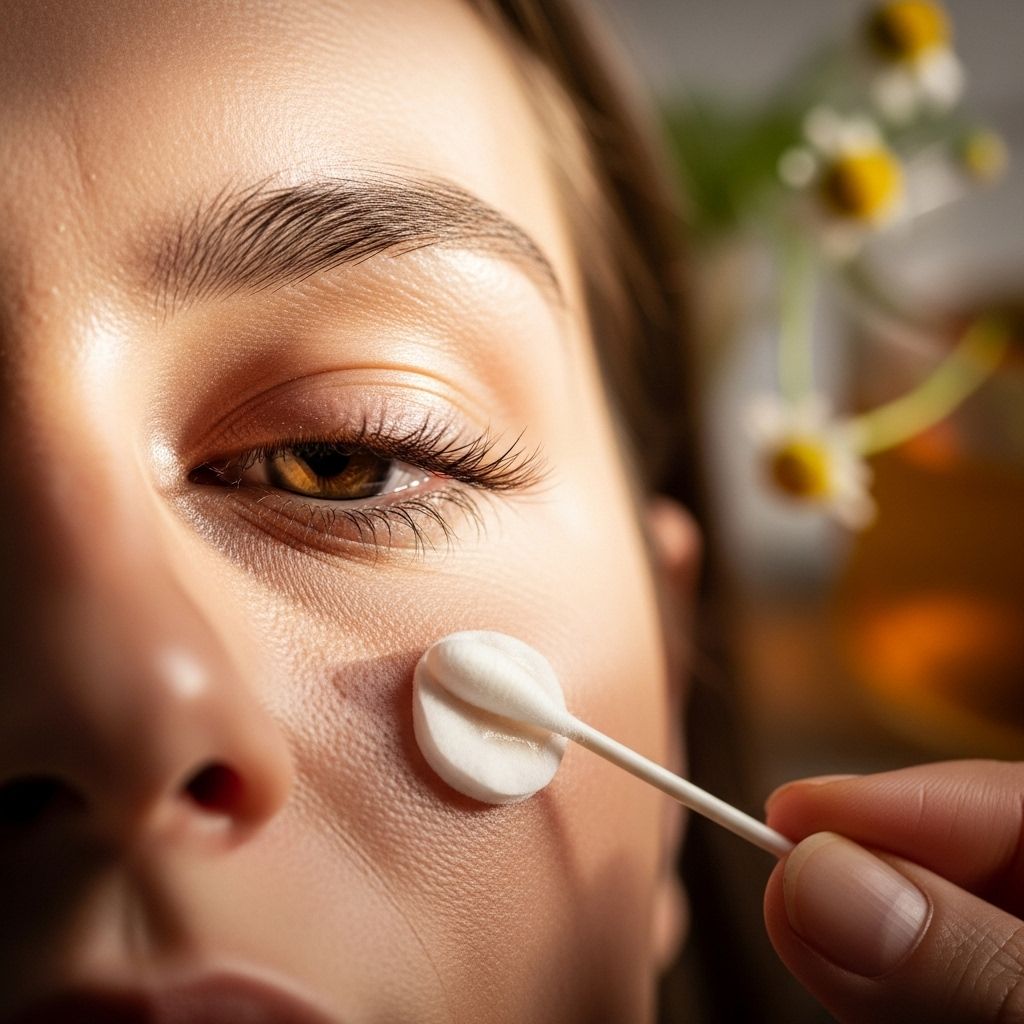
Blepharitis, commonly known as eyelid inflammation, is an uncomfortable but prevalent eye condition. Characterized by red, swollen, itchy, and crusty eyelids, this condition is rarely sight-threatening, but its chronic nature often causes persistent irritation. Fortunately, many evidence-supported home remedies and lifestyle modifications can help control the symptoms of blepharitis and prevent recurrences.
What Is Blepharitis?
Blepharitis is the medical term for inflammation of the eyelid margins, typically involving the part of the eyelid where the eyelashes grow. Symptoms may include:
- Redness and swelling of the eyelids
- Crusted debris on the lash line
- Itching or burning sensation
- Watery or gritty eyes
- Sensitivity to light
This condition can be acute or, more commonly, chronic and recurring. Although it rarely impairs vision permanently, blepharitis can lead to complications like styes, chalazia, or conjunctivitis if left untreated.
Common Causes of Blepharitis
The underlying causes of blepharitis are diverse, but the most frequent include:
- Bacterial colonization (especially Staphylococcus species) on the eyelid margins
- Dysfunction of the meibomian glands (tiny oil glands in the eyelids)
- Allergic reactions to environmental irritants or makeup
- Skin conditions such as seborrheic dermatitis or rosacea
- Demodex mites infestation around eyelashes
- Poor eyelid hygiene
Understanding the cause can help tailor the best management strategy for your circumstances.
Core Home Remedies for Blepharitis
Managing blepharitis at home centers on maintaining exceptional eyelid hygiene, combined with other simple yet effective remedies. Below, we discuss the most widely recommended at-home treatments:
1. Warm Compresses
One of the most universally recommended approaches, warm compresses help to:
- Soften crusts and debris along the lash line
- Improve oil gland function
- Alleviate discomfort and redness
How to Apply a Warm Compress:
- Soak a clean, soft washcloth in warm (not hot) water and wring out the excess.
- Place the cloth gently over your closed eyelids for 5–10 minutes.
- Repeat this process 2–4 times per day during flare-ups, reducing frequency as symptoms improve.
- Use a separate cloth for each eye if both are affected to avoid cross-contamination.
For added benefit, after applying the warm compress, gently massage the eyelids in small circles to help unclog oil glands .
2. Eyelid Hygiene and Cleansing
Consistent eyelid cleaning is vital for both managing and preventing blepharitis. Effective cleansing removes debris, bacteria, and excess oils from the lash margins.
Steps for Eyelid Cleaning:
- Add a few drops of baby shampoo or a commercially available eyelid cleanser to a cup of warm water.
- Dip a clean cotton swab or pad into the mixture.
- Gently wipe along the lash line of each closed eye for several seconds.
- Be gentle to avoid irritating the delicate skin, and use a separate swab for each eye.
- Rinse with clean, warm water, then pat dry.
Perform this cleansing twice daily during flare-ups, then reduce to once daily for maintenance .
3. Salt Water (Saline Solution)
Warm saline (salt water) solutions can clean away pus, debris, or discharge while providing gentle antimicrobial action. This remedy mimics natural tears, helping to soothe irritation.
How to Make and Use a Saline Solution at Home:
- Mix 1 teaspoon of table salt in 0.5 liters of cooled, boiled water.
- Soak a cotton pad in the solution and gently wipe your closed eyelids from the outer corner toward the nose.
- Repeat as needed until crusting subsides.
Use as a supplement to eyelid cleansing, especially if your symptoms include sticky discharge or pus .
4. Green Tea Bags
Green tea contains anti-inflammatory and antioxidant compounds that can help reduce eyelid swelling and soothe irritation.
How to Use:
- Brew green tea bags as you normally would, then cool slightly.
- While still warm, place the tea bag over the closed eyelid for around 5 minutes.
- Repeat twice daily.
This method may help to loosen flakes and improve meibomian gland function, providing gentle relief .
5. Essential Oils Steam Inhalation
Certain essential oils, such as tea tree, rosemary, and peppermint oils, exhibit antimicrobial properties that may reduce microorganisms contributing to blepharitis. They are especially helpful against eyelash mites (Demodex), which are increasingly recognized as a cause of chronic blepharitis.
How to Use:
- Boil a pot of water and add a few drops of essential oil.
- Place your face over the pot at a comfortable distance, covering your head and pot with a towel.
- Inhale the steam for about 5 minutes, taking care not to get too close.
Do not apply essential oils directly to the eyelid skin, as this can cause irritation .
6. Castor Oil
Castor oil contains ricinoleic acid, an anti-inflammatory agent that can reduce eyelid swelling, lubricate, and ease discomfort.
- With clean hands, apply a small amount of castor oil around the eyes, avoiding direct contact with the eye surface.
- Soak a clean cloth in warm water, place it over the eyelids for about 10 minutes to enhance absorption.
<
Similar Articles








Read full bio of Sneha Tete