How to Get Rid of Lipomas Naturally: 3 Proven Home Remedies
Discover the most effective natural remedies for reducing and managing lipomas with safe, easy-to-apply solutions.
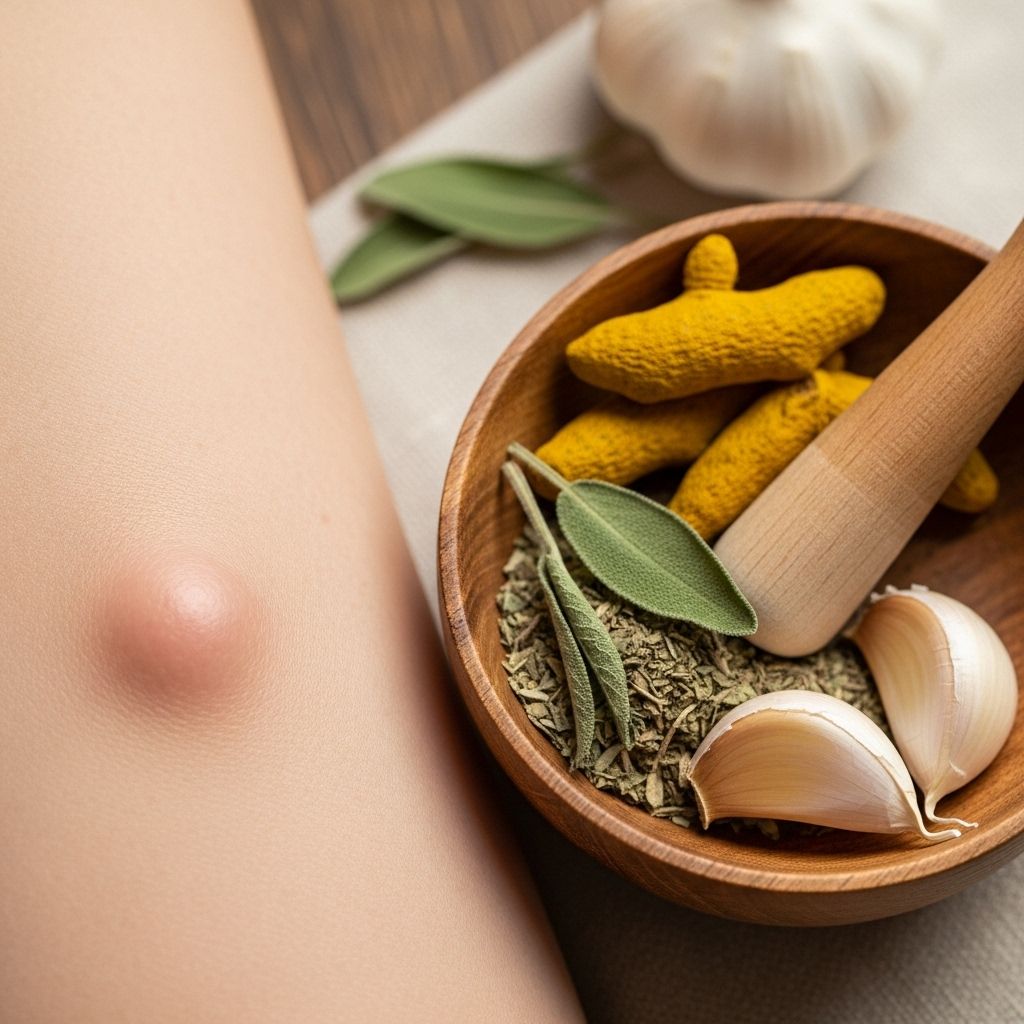
Lipomas are common benign growths that can become a source of discomfort or cosmetic concern for many. While a doctor’s evaluation is essential and most lipomas don’t require intervention, individuals often seek natural ways to manage or reduce these fatty lumps. This comprehensive guide covers what lipomas are, their symptoms, common causes, and details three natural remedies with step-by-step instructions for home application.
Table of Contents
- What Are Lipomas?
- Symptoms and Diagnosis
- Causes and Risk Factors
- Conventional and Alternative Removal Options
- Three Natural Remedies for Lipomas
- Frequently Asked Questions (FAQs)
What Are Lipomas?
Lipomas are soft, benign tumors consisting of fat cells housed in a thin, fibrous capsule beneath the skin. Most commonly, they appear on the head, neck, arms, and underarms, but they can develop elsewhere in the body. Generally harmless and noncancerous, lipomas usually pose little medical risk but can cause discomfort due to their appearance or location. Lipomas vary in size, tend to be movable, and have a soft, rubbery texture.
| Feature | Description |
|---|---|
| Composition | Fat cells in a fibrous capsule |
| Common Locations | Head, neck, arms, underarms |
| Usual Size | 1-3 centimeters (can grow larger) |
| Nature | Benign and noncancerous |
| Texture | Soft, rubbery, movable |
| Growth Rate | Slow, may remain the same size for years |
Symptoms and Diagnosis
Lipomas typically present the following characteristics:
- Painless: Most do not cause pain unless pressing on a nerve or if inflamed.
- Movable Under Skin: Easily moved when touched.
- Soft Consistency: Feels like rubber or dough.
- Visible Lump: Notable—may cause aesthetic or psychological distress.
- Size Range: Usually small but can grow slowly.
Lipomas are more frequent in middle-aged adults though they can occur at any age. Diagnosis often requires a visual and physical examination by a healthcare professional. In some cases, imaging (like ultrasound) or biopsy may be performed to differentiate lipomas from other growths.
Causes and Risk Factors
The precise cause of lipomas isn’t fully understood. Research indicates several factors may contribute to their development:
- Genetic Predisposition: Family history is a significant risk factor. The tendency to develop lipomas may be inherited.
- Minor Trauma: Injuries or minor tissue damage may trigger fat cell growth.
- Age: Lipomas are more common in middle-aged men and women.
- Metabolic Imbalance: Some believe that imbalance causes the body to deposit unwanted material beneath the skin, possibly forming lipomas.
Although unproven, some natural health advocates suggest that lipomas might reflect the body’s attempt to eliminate waste, toxins, or metabolic byproducts through the skin when standard elimination channels are overwhelmed.
Conventional and Alternative Removal Options
Most lipomas do not require removal unless they:
- Become painful or inflamed
- Grow rapidly
- Lead to psychological distress
Medical removal typically involves surgical excision or liposuction, performed by a healthcare professional under sterile conditions. These procedures are effective, but recurrence is possible. Some people—especially those preferring non-invasive approaches—seek alternative remedies, including dietary changes, topical treatments, and herbal applications.
Three Natural Remedies for Lipomas
Natural treatments for lipomas draw from herbal medicine and traditional skin care practices. These remedies do not guarantee complete removal but may reduce size or improve appearance, especially for small lipomas. Always consult with your healthcare provider before beginning any new treatment.
1. Natural Oil and Herb Ointment
- Neem Oil: Renowned in Indian medicine, neem oil is an astringent that helps protect skin and may aid in minimizing lipomas.
- Flaxseed Oil: Rich in omega-3 and omega-6 fatty acids, flaxseed oil is known for its anti-inflammatory properties.
- Green Tea: High in antioxidants, cooled green tea helps regulate fatty tissue and blood sugar, making an ideal ointment base.
How to Prepare:
- Mix neem oil, flaxseed oil, and cooled green tea into a smooth paste.
- Apply the ointment directly onto the lipoma, massaging gently.
- Cover with a breathable bandage or clean cloth, and leave for several hours or overnight.
- Repeat daily for several weeks to observe possible changes in size.
Note: Neem oil and flaxseed oil are available at most natural food stores. For green tea, brew and cool before mixing.
2. Honey and Flour Compress
- Raw Honey: Naturally antibacterial and anti-inflammatory, honey can help minimize fatty deposits.
- Whole Wheat Flour: Creates a sticky base and enhances the mixture’s ability to adhere to the skin.
How to Use:
- Thoroughly mix raw honey with whole wheat flour until thick.
- Spread the mixture over the lipoma, 0.5–1 cm thick.
- Cover with a paper towel or sterile bandage to hold in place.
- Leave for 24 to 36 hours (as tolerated).
- Remove and wash the area gently.
- Repeat this remedy up to five times in one week for noticeable results.
Tips: The mixture should be thick enough to stay on the skin without dripping. Avoid if you have allergies to honey or wheat.
3. Turmeric and Chickweed Salve
- Organic Olive Oil: Serves as a nourishing base for the salve.
- Organic Beeswax: Thickens the ointment and has mild healing properties.
- Turmeric Powder: A powerful anti-inflammatory and antioxidant shown to help regulate skin conditions.
- Chickweed Powder: Used in traditional remedies for skin ailments.
Preparation Steps:
- Melt 2 tablespoons of organic beeswax on a stove.
- Add 6 tablespoons of extra virgin olive oil and stir until fully combined.
- Remove from heat and mix in 1 tablespoon each of turmeric and chickweed powder.
- Pour the cooled salve into a clean jar, seal tightly.
- Apply a small amount on the lipoma and cover with a breathable pad or bandage.
- Repeat daily as needed for several weeks.
Warnings: Turmeric can stain skin and clothes. Use organic ingredients for best results and always patch test before widespread use.
Lifestyle and Wellness Tips for Lipoma Management
- Healthy Diet: Focus on fruits, vegetables, whole grains, and healthy fats to support skin and metabolic health.
- Hydration: Adequate water intake helps the body process waste efficiently.
- Regular Exercise: Promotes healthy fat processing and circulation.
- Limit Environmental Toxins: Avoid unnecessary chemical exposures that may burden your body’s filtering organs.
- Stress Minimization: Chronic stress can worsen inflammatory conditions.
Frequently Asked Questions (FAQs)
Q: Are lipomas cancerous?
A: No, lipomas are benign (noncancerous) and rarely turn malignant. Still, consult a doctor if you notice changes in size, pain, or color.
Q: Can lipomas go away on their own?
A: Lipomas typically remain the same size or grow slowly. They rarely disappear spontaneously.
Q: Is it safe to treat lipomas at home?
A: Small, non-painful lipomas can be managed with natural remedies, but medical advice is crucial for large, painful, or rapidly growing lipomas.
Q: What should I do if my lipoma becomes painful?
A: Seek prompt evaluation from a healthcare professional. Pain or redness may indicate infection or other complications.
Q: Can diet and lifestyle changes prevent lipomas?
A: While no prevention is guaranteed, maintaining a healthy diet, regular exercise, and avoiding unnecessary toxins may help support overall skin and fat metabolism.
When to Contact a Doctor
Despite their benign nature, medical attention is required in certain situations:
- Lipoma becomes rapidly larger
- Experiences sudden pain or inflammation
- Shows signs of infection (redness, warmth, pus)
- Interferes with normal movement or body function
A healthcare professional can confirm the diagnosis, rule out rarer malignancies, and advise on the best management approach.
Disclaimer
This article provides general health information for educational purposes. It is not a substitute for medical advice. Always consult a healthcare professional before starting any new remedy or treatment, especially if you have underlying health conditions or multiple lipomas.
Similar Articles







Read full bio of medha deb