Herpes Prevention: Natural Remedies That Actually Help
Discover evidence-based natural approaches to managing herpes outbreaks
Herpes simplex virus affects millions of people worldwide, causing uncomfortable outbreaks of blister-like lesions around the mouth or genital area. While conventional antiviral medications remain the primary treatment approach, an increasing number of individuals are turning to natural remedies to complement their management strategies. These natural approaches focus on strengthening the immune system, reducing outbreak frequency, and alleviating symptoms when flare-ups occur.
Understanding how to prevent herpes outbreaks naturally requires a comprehensive approach that combines dietary modifications, herbal supplements, topical treatments, and lifestyle adjustments. Research has shown that certain natural compounds possess antiviral properties that may help suppress viral replication and reduce the severity of symptoms. By incorporating these evidence-based natural remedies into a holistic management plan, many people find they can better control their condition and improve their quality of life.
Understanding Herpes and the Role of Natural Prevention
The herpes simplex virus exists in two primary forms: HSV-1, which typically causes cold sores around the mouth, and HSV-2, which usually affects the genital area. Once contracted, the virus remains dormant in nerve cells and can reactivate periodically, causing painful outbreaks. Triggers for these reactivations include stress, illness, fatigue, sun exposure, and hormonal changes. Natural prevention strategies aim to strengthen the body’s defenses and create an internal environment less conducive to viral reactivation.
The foundation of natural herpes management lies in supporting immune function. A robust immune system can keep the virus in its dormant state for longer periods, reducing both the frequency and severity of outbreaks. This is where dietary interventions, specific nutrients, and immune-modulating herbs play their most significant roles. Rather than simply treating symptoms after they appear, natural prevention focuses on addressing the underlying factors that allow the virus to reactivate.
Dietary Strategies for Herpes Prevention
One of the most well-researched natural approaches to herpes management involves balancing two amino acids: lysine and arginine. The herpes virus requires arginine to replicate, while lysine competes with arginine for absorption in the body. By increasing lysine intake and reducing arginine consumption, many people experience fewer and less severe outbreaks.
Lysine-rich foods should form the cornerstone of a herpes prevention diet. These include dairy products such as yogurt, milk, and cheese, which are excellent sources of this beneficial amino acid. Chicken, turkey, and other lean poultry provide substantial amounts of lysine while being low in arginine. Fish, particularly cod and sardines, offer high lysine content along with omega-3 fatty acids that support immune function. Legumes like beans and lentils contribute both lysine and plant-based protein to the diet.
Conversely, arginine-rich foods should be limited or consumed in moderation. Nuts and seeds, especially peanuts, almonds, and cashews, contain high levels of arginine. Chocolate, though beloved by many, is particularly high in arginine and is frequently reported as a trigger for herpes outbreaks. Whole grains like wheat and oats also contain significant arginine. This doesn’t mean these foods must be completely eliminated, but being mindful of portion sizes and overall arginine intake can make a meaningful difference.
Beyond the lysine-arginine balance, a well-balanced, nutrient-dense diet supports overall immune function. Fresh fruits and vegetables provide antioxidants that protect cells from viral damage. Vitamin C-rich foods like citrus fruits, bell peppers, and strawberries enhance immune response. Zinc-containing foods such as oysters, beef, and pumpkin seeds support immune cell function and may have direct antiviral effects. Probiotic-rich foods like yogurt, kefir, and fermented vegetables maintain gut health, which is intimately connected to immune system strength.
Powerful Herbal Remedies for Herpes Management
Several herbs have demonstrated promising antiviral and immune-supporting properties that may benefit those managing herpes. While these should not replace conventional medical treatment, they can serve as valuable complementary therapies.
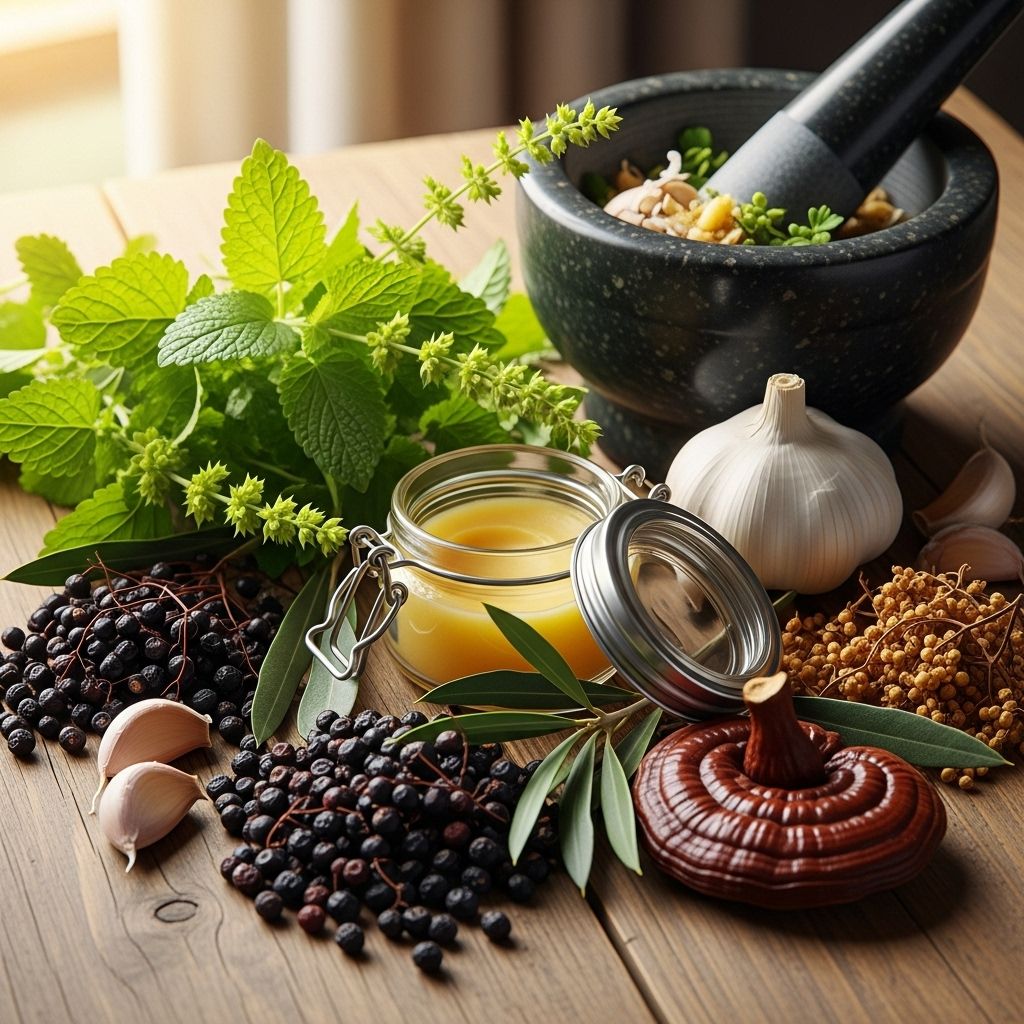
Lemon balm (Melissa officinalis) stands out as one of the most well-researched herbal remedies for herpes. This pleasant-tasting herb contains compounds that appear to directly inhibit the herpes virus from attaching to cells. Studies have shown that topical application of lemon balm cream can significantly reduce healing time for cold sores and decrease discomfort during outbreaks. The herb can also be consumed as a tea to provide systemic antiviral support. Its calming properties offer the additional benefit of stress reduction, which itself helps prevent stress-triggered outbreaks.
Licorice root (Glycyrrhiza glabra) contains glycyrrhizin, a compound that has demonstrated antiviral effects against herpes simplex virus in laboratory studies. This substance appears to interfere with viral replication and may help reduce the severity and duration of outbreaks. Licorice root can be applied topically as an extract or cream, or consumed as a tea. However, it’s important to note that licorice root can affect blood pressure and potassium levels when used internally for extended periods, so consultation with a healthcare provider is advisable.
Echinacea is widely recognized for its immune-boosting properties and has been studied for its potential to prevent and manage viral infections. While research on its effectiveness specifically for herpes has shown mixed results, its general immune-enhancing effects may help the body maintain better control over the virus. Echinacea can be taken as a supplement, consumed as tea, or applied topically as an extract. It’s particularly beneficial when taken at the first sign of an outbreak or during periods of high stress when the immune system may be compromised.
Propolis, a resinous substance produced by bees, has garnered attention for its antiviral and wound-healing properties. Research suggests that propolis may be effective in treating cold sores caused by HSV-1. Its antimicrobial properties also help prevent secondary bacterial infections in open lesions. Propolis is available as a cream, ointment, or tincture for topical application.
Reishi mushroom (Ganoderma lucidum) possesses immunomodulatory and antiviral properties that may support herpes management. Laboratory studies have indicated that polysaccharides from reishi mushrooms exhibit antiviral activity against herpes viruses. While human clinical trials are limited, reishi’s well-established immune-supporting properties make it a reasonable addition to a comprehensive prevention strategy. It’s typically consumed as a powder, extract, or tea.
Effective Topical Treatments for Herpes Outbreaks
When outbreaks do occur, several natural topical treatments can provide relief and potentially accelerate healing. These remedies work by creating an antiviral environment, soothing inflammation, and supporting tissue repair.
Manuka honey has emerged as a particularly promising topical treatment. Research has demonstrated that manuka honey may be as effective as, or even more effective than, topical acyclovir (a conventional antiviral medication) for treating both HSV-1 and HSV-2 lesions. Its antiviral, antibacterial, and anti-inflammatory properties work synergistically to combat the virus while preventing secondary infections. Manuka honey also keeps lesions moist, which can prevent painful cracking and promote faster healing. It can be applied directly to affected areas several times daily.
Aloe vera gel provides soothing relief for painful herpes lesions while potentially expediting recovery. This succulent plant contains compounds with antiviral and anti-inflammatory properties. Fresh aloe gel applied directly from the plant or pure aloe vera gel can be dabbed onto lesions multiple times throughout the day. Its cooling effect provides immediate comfort while supporting the healing process.
Essential oils require careful use but can offer potent antiviral benefits. Tea tree oil has well-documented antimicrobial and antiviral properties. Peppermint oil contains menthol, which provides a cooling sensation and may have antiviral effects. Lavender oil offers both antiviral properties and calming aromatherapy benefits. Eucalyptus oil combines antiviral effects with soothing and healing properties. All essential oils must be diluted in a carrier oil (such as coconut, jojoba, or olive oil) before application, typically at a ratio of one to two drops of essential oil per teaspoon of carrier oil. Undiluted essential oils can cause severe skin irritation.
Witch hazel provides natural astringent and antiviral properties that can help dry out lesions and reduce discomfort. Some individuals can apply pure witch hazel without irritation, while others may need to dilute it. Its anti-inflammatory effects help reduce swelling and redness associated with outbreaks.
Apple cider vinegar is known for its anti-inflammatory and potential antiviral properties, though research specifically on herpes is limited. If using this remedy, it must be well diluted to prevent skin irritation. Some people find that diluted apple cider vinegar applied with a cotton ball helps dry out lesions, though others may find it too harsh.
Essential Vitamins and Supplements for Prevention
Certain vitamins and supplements play crucial roles in immune function and may help reduce herpes outbreak frequency when maintained at optimal levels.
L-lysine supplementation represents one of the most studied natural interventions for herpes. Taking 1,000 to 3,000 milligrams daily of L-lysine may help reduce the frequency, duration, and severity of outbreaks. This amino acid works by competing with arginine, thereby limiting the resources available for viral replication. Many people take a maintenance dose daily and increase it at the first sign of an outbreak. L-lysine is generally well-tolerated, though some individuals may experience mild digestive upset.
Vitamin C supports immune function and helps the body fight off infections more effectively. This powerful antioxidant also aids in tissue repair and wound healing. Consuming 1,000 to 2,000 milligrams daily through supplements, in addition to dietary sources, may help strengthen immune defenses against herpes reactivation. Vitamin C is particularly important during stressful periods when the immune system may be compromised.
Vitamin E promotes skin healing and can reduce pain associated with herpes lesions. This fat-soluble vitamin also functions as an antioxidant, protecting cells from viral damage. It can be taken as a supplement (typically 400 IU daily) or applied topically by breaking open a vitamin E capsule and applying the oil directly to lesions.
Zinc plays multiple roles in herpes management. This essential mineral supports immune cell function, has direct antiviral effects, and promotes wound healing. Topical zinc formulations may help with cold sores, while oral supplementation (typically 15 to 30 milligrams daily) supports overall immune function. Pomegranate contains significant amounts of zinc along with other beneficial compounds, making it a valuable food for herpes management.
Vitamin D has emerged as an important factor in immune regulation and may influence herpes outbreak frequency. Many people are deficient in this crucial vitamin, particularly those living in northern latitudes or spending limited time outdoors. Having vitamin D levels tested and supplementing as needed to maintain optimal levels (typically 30 to 50 nanograms per milliliter) may help reduce outbreak frequency.
Lifestyle Modifications for Long-Term Prevention
Beyond dietary changes and supplementation, certain lifestyle factors significantly influence herpes outbreak frequency and severity.
Stress management is perhaps the most critical lifestyle factor in herpes prevention. Psychological stress is one of the most commonly reported triggers for herpes reactivation. Chronic stress weakens immune function and creates conditions favorable for viral reactivation. Implementing regular stress-reduction practices such as meditation, yoga, deep breathing exercises, or progressive muscle relaxation can make a substantial difference in outbreak frequency. Even simple activities like regular walks in nature, engaging in hobbies, or maintaining social connections contribute to stress reduction.
Adequate sleep is non-negotiable for immune health. During sleep, the body produces and releases cytokines, proteins that help fight infection and inflammation. Chronic sleep deprivation weakens immune defenses and increases susceptibility to herpes outbreaks. Aim for seven to nine hours of quality sleep nightly. Establishing a consistent sleep schedule, creating a dark and cool sleeping environment, and avoiding screens before bedtime all contribute to better sleep quality.
Regular exercise supports immune function and helps manage stress, but moderation is key. While moderate exercise enhances immune defenses, excessive intense exercise can temporarily suppress immunity and potentially trigger outbreaks. Finding the right balance for your body—typically 30 minutes of moderate activity most days of the week—provides immune benefits without overtaxing the system.
Sun protection is especially important for those who experience cold sores. Ultraviolet radiation can trigger HSV-1 reactivation in the lips. Wearing a lip balm with SPF 30 or higher and avoiding excessive sun exposure helps prevent sun-triggered outbreaks. This is particularly important during outdoor activities, at the beach, or in high-altitude environments where UV exposure is more intense.
Avoiding known triggers requires self-awareness and tracking. Keeping a journal to note what preceded outbreaks can help identify personal triggers. Common triggers beyond those already mentioned include hormonal fluctuations, illness, dental work, and certain medications. Once you identify your specific triggers, you can take proactive steps to avoid or minimize them.
Practical Application and Treatment Protocols
Implementing natural herpes prevention involves both daily maintenance strategies and acute outbreak management protocols.
For daily prevention, focus on maintaining a lysine-rich, arginine-moderate diet. Take L-lysine supplements consistently, typically 1,000 milligrams one to three times daily. Ensure adequate intake of immune-supporting nutrients through diet and supplementation as needed. Practice stress management techniques daily, not just when feeling overwhelmed. Prioritize sleep and maintain regular exercise habits. These foundational practices create an internal environment less conducive to viral reactivation.
At the first sign of an outbreak—often a tingling sensation at the site where lesions typically appear—take immediate action. Increase L-lysine supplementation to 3,000 milligrams daily. Begin applying topical treatments such as lemon balm cream, manuka honey, or diluted essential oils to the affected area. Some people find that applying ice (wrapped in cloth, never directly on skin) at the very first tingle can reduce outbreak severity. Take additional vitamin C and ensure adequate rest. Avoid arginine-rich foods during this period.
During an active outbreak, continue increased supplementation and topical treatments. Apply remedies frequently—typically three to six times daily. Keep lesions clean and avoid touching them to prevent spreading the virus to other areas. Use separate towels and avoid sharing personal items. Continue stress management practices and get extra rest to support immune function. Avoid known triggers, particularly sun exposure for facial outbreaks.
Important Considerations and Precautions
While natural remedies offer valuable benefits for herpes management, certain precautions are essential. These treatments should complement, not replace, conventional medical care. Always consult with a healthcare provider before starting new supplements, especially if you take medications, have other health conditions, or are pregnant or nursing. Some herbs and supplements can interact with medications or affect other health conditions.
Natural remedies work best as part of a comprehensive approach that may include antiviral medications when appropriate. They do not cure herpes or eliminate the virus from the body. Their primary benefits lie in reducing outbreak frequency, decreasing symptom severity, and supporting overall immune health. Realistic expectations are important—results vary among individuals, and finding the right combination of strategies may require some trial and observation.
It’s crucial to remember that natural treatments do not prevent transmission of herpes to sexual partners. Proper disclosure to partners, consistent condom use, and antiviral medications remain the most effective strategies for preventing transmission. Natural remedies focus on personal symptom management rather than reducing transmission risk.
Quality matters when choosing supplements and topical products. Look for reputable brands that provide third-party testing and clear information about ingredient sourcing and concentrations. For herbal remedies, standardized extracts ensure consistent potency. With essential oils, always choose therapeutic-grade oils and never apply them undiluted to skin.
Frequently Asked Questions
Q: Can natural remedies cure herpes?
A: No, natural remedies cannot cure herpes or eliminate the virus from the body. Once contracted, the herpes simplex virus remains dormant in nerve cells for life. However, natural remedies can help manage symptoms, reduce outbreak frequency, and support immune function to keep the virus suppressed for longer periods.
Q: How long does it take for natural remedies to show results?
A: Results vary significantly among individuals. Some topical treatments like manuka honey or lemon balm may provide relief within days during an active outbreak. For prevention strategies like L-lysine supplementation and dietary changes, it may take several weeks to months of consistent use to notice a reduction in outbreak frequency.
Q: Is it safe to use multiple natural remedies together?
A: Generally yes, but consultation with a healthcare provider is advisable. Some herbs and supplements can interact with each other or with medications. Starting with one or two interventions and gradually adding others allows you to monitor effectiveness and identify any adverse reactions. Keep your healthcare provider informed about all supplements and natural treatments you use.
Q: Should I avoid all arginine-rich foods completely?
A: Complete avoidance isn’t necessary for most people. The goal is to maintain a favorable lysine-to-arginine ratio, not eliminate arginine entirely. Many arginine-rich foods like nuts and whole grains offer important nutritional benefits. Focus on increasing lysine intake while moderating, rather than eliminating, high-arginine foods. Pay attention to your individual responses and adjust accordingly.
Q: Can stress alone trigger a herpes outbreak?
A: Yes, psychological and physical stress are among the most commonly reported triggers for herpes outbreaks. Stress weakens immune function and can create conditions that allow the dormant virus to reactivate. This is why stress management is such a crucial component of natural herpes prevention strategies.
Q: Are natural remedies safe during pregnancy?
A: Many natural remedies require caution during pregnancy. Some herbs and supplements can affect pregnancy or fetal development. Pregnant women should always consult their healthcare provider before using any natural treatments for herpes. Certain topical treatments may be safe, but internal supplements require professional guidance.
Q: How much L-lysine should I take for prevention?
A: For prevention, most people take 1,000 to 3,000 milligrams of L-lysine daily, divided into two or three doses. Some individuals take a lower maintenance dose (1,000 mg daily) and increase it at the first sign of an outbreak. The optimal dose varies by individual, so you may need to experiment under healthcare provider guidance to find what works best for you.
Q: Can I use natural remedies alongside antiviral medications?
A: In most cases, yes. Natural remedies can complement conventional antiviral medications. However, always inform your healthcare provider about all supplements and natural treatments you use to ensure there are no contraindications or interactions. Some natural treatments may enhance the effectiveness of antiviral medications.
Natural approaches to herpes prevention and management offer valuable tools for reducing outbreak frequency and severity while supporting overall health. By combining dietary strategies, herbal remedies, topical treatments, and lifestyle modifications, many people achieve better control over their condition and improved quality of life. Remember that successful management requires consistency, patience, and often a combination of approaches tailored to your individual needs and responses. Working with knowledgeable healthcare providers who respect both conventional and natural medicine can help you develop the most effective personalized strategy for managing herpes naturally.
Similar Articles






Read full bio of medha deb