20 Effective Home Remedies for Cold and Cough in Babies & Toddlers
Safe, natural remedies to ease cold and cough symptoms in infants and toddlers—practical solutions for parents.
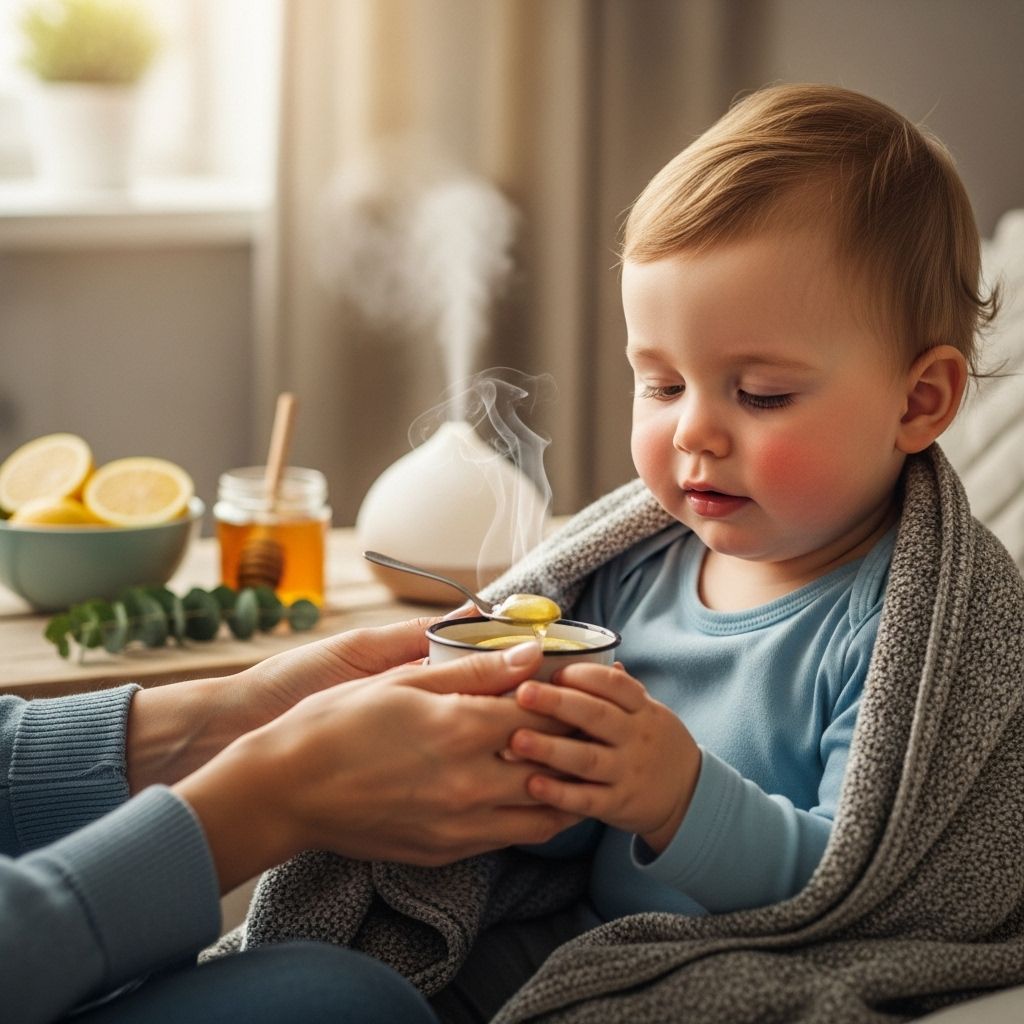
Home remedies can be a gentle and effective way to help relieve cold and cough symptoms in infants and toddlers. Over-the-counter medications are not recommended for young children, so parents often turn to accessible, safe, and natural solutions for comfort and relief. Here, we explore 20 actionable home remedies that can help soothe a child’s symptoms and support their recovery at home.
Causes of Cold and Cough in Babies & Toddlers
- Viral infections: The most common reason for colds and coughs in children; caused by viruses such as rhinovirus or coronavirus.
- Weather changes: Fluctuating weather can compromise immunity, making young children susceptible.
- Exposure to infected individuals: Being in daycare, nursery, or playgroups increases likelihood of catching an infection.
- Allergies or irritants: Dust, smoke, or pet dander can also trigger coughs and nasal congestion.
Symptoms of Cold and Cough in Children
- Runny or stuffy nose
- Sneezing
- Cough (dry or with phlegm)
- Fever (mild to moderate)
- Sore or scratchy throat
- Crying, irritability, poor feeding
- Disturbed sleep
Precautions Before Trying Home Remedies
- Consult a pediatrician before starting any new remedy, especially for infants under six months or children with chronic illnesses.
- Monitor for signs of serious illness—such as high fever, breathing difficulties, or persistent vomiting—and seek medical care if these occur.
- Never give honey to babies under one year due to the risk of infant botulism.
- Avoid vapor rubs for infants under two years old, and do not apply them directly under the nose.
- Watch for allergic reactions with herbal ingredients.
20 Safe and Natural Home Remedies for Cold & Cough
Increased Fluid Intake
Maintain adequate hydration with breast milk, formula, water, or warm fluids (for children above 6 months). Fluids help thin mucus secretions and soothe sore throats. Warm soups and juices (apple, pear) are also beneficial for toddlers.
(Babies under 6 months should only receive breast milk or formula.)Breastfeeding
Continue exclusive breastfeeding for infants under six months. Mother’s milk offers immune-boosting antibodies and comfort, helping babies recover faster from infections.
Saline Nasal Drops
Saline solutions loosen thick mucus, making it easier to clear stuffy noses in infants and toddlers. Use a few drops in each nostril and remove mucus gently with a bulb syringe or nasal aspirator.
Do not use medicated nasal sprays in young children.Steam Inhalation
For babies: Sit with your child in a closed bathroom filled with warm steam from a hot shower for 10–15 minutes; never use steaming devices directly on infants.
For older toddlers: Gentle inhalation from a bowl of warm water can help loosen mucus, relieve congestion, and soothe cough.Using a Humidifier
Place a cool mist humidifier in your child’s room to add moisture to the air, which reduces throat dryness and nasal congestion, especially in winter months. Always clean the humidifier regularly to prevent mold growth.
Elevating the Head
For children over 12 months, elevate the head of the mattress or pillow (never for infants under 1 year, as this increases SIDS risk) to ease breathing and reduce nighttime coughing.
Rest
Ensure your child gets abundant rest. Sleep supports immune function and accelerates healing.
Honey (for children over 1 year)
Honey is a natural cough suppressant. Offer ½ to 1 teaspoon mixed with warm water, lemon, or herbal teas. Studies show honey may work better than over-the-counter syrups to reduce cough frequency and improve sleep.
Do not give honey to children under one year. Always consult with your doctor before use.Ginger
For toddlers, ginger can help relieve cough and sore throat due to its anti-inflammatory properties. Mix a pinch of fresh ginger juice with honey (for children over one) or warm water and offer in moderation.
Turmeric
Turmeric is known for its antiseptic and anti-inflammatory effects. For older toddlers, turmeric mixed with warm milk (“turmeric milk”) may ease sore throats and reduce coughing.
Tulsi (Holy Basil)
Holy basil leaves (tulsi) have antimicrobial properties. For children over 1 year, give a few leaves boiled in water, strained, and cooled. You can mix in a little honey (if age-appropriate) to improve taste.
Pepper
Black pepper helps loosen chest congestion. For toddlers, a small amount of pepper can be added to warm soups or savory porridges.
Ajwain (Carom Seeds)
Ajwain seeds can be dry-roasted and placed in a clean muslin cloth as a warm compress on the chest or back (ensure the compress is only warm, not hot). Ajwain water (carom seed water) is sometimes offered for cough in slightly older toddlers—always consult your pediatrician first.
Garlic
Garlic possesses immune-boosting and antimicrobial properties. Slightly crushed garlic pods can be used in warm meals or mild broths for toddlers; avoid raw garlic for babies.
Peppermint
Peppermint contains menthol, which can help open airways. For toddlers, peppermint tea may provide mild relief. For babies, avoid direct application or ingestion.
Onion
Fresh onions can provide decongestant effects. Placing a sliced onion near your child’s sleeping area is a traditional remedy, though evidence is mostly anecdotal.
Sponge Bath for Fever
For fevers accompanying a cold, a lukewarm sponge bath can help lower body temperature naturally. Never use cold water or ice baths.
Warm Soups & Broths
Clear, mild soups such as chicken soup or vegetable broth hydrate, provide nutrition, and help soothe sore throats while loosening mucus.
Vapor Rub for Older Children
For children over 2 years old, apply a vapor rub containing menthol, eucalyptus, or camphor to the chest and neck area. Avoid applying directly under the nose or to broken skin, and never use on infants.
Adequate Nutrition
Nourish your child with easy-to-digest, nutritious foods. Ensure they eat light, frequent meals including fruits, vegetables, and whole grains to support immunity while sick.
Foods to Include During Cold & Cough
- Warm soups and broths (chicken, vegetable, or lentil)
- Fruits rich in vitamin C such as oranges and strawberries (if age-appropriate)
- Vegetables like carrots and spinach
- Rice, porridge, and whole grain breads
- Mild herbal teas (for toddlers)
Foods to Avoid
- Cold, refrigerated, or sugary foods (ice cream, cold drinks)
- Spicy or oily foods, which may irritate the throat
- Packed or processed items with artificial colors or preservatives
When to See a Doctor?
While home remedies can provide relief from mild cold and cough, seek immediate medical attention if your child experiences any of the following:
- Difficulty breathing or rapid breathing
- High or persistent fever (over 102°F/39°C)
- Wheezing or unusual breathing sounds
- Persistent vomiting or inability to keep liquids down
- Signs of dehydration (dry mouth, fewer wet diapers, lethargy)
- Blue lips, face, or nails
- Seizures or unresponsiveness
Frequently Asked Questions (FAQs)
Q: Can toddlers take over-the-counter cough and cold medicines?
A: No, over-the-counter cough and cold medicines are not recommended for children under 6 years of age due to risk of serious side effects. Home remedies and supportive care are preferred.
Q: Is it safe to use honey for cough in infants?
A: Do not give honey to infants under one year, as it can cause infant botulism, a potentially serious illness. For children over one, honey may help soothe cough.
Q: How often can saline nasal drops be used?
A: Saline drops can be used two to three times daily for nasal congestion in babies and toddlers, but overuse can irritate the nasal lining.
Q: When can a baby start drinking warm fluids other than milk?
A: Only babies over six months can be offered small amounts of warm water or clear soups in addition to breast milk or formula. Always offer warm, not hot, fluids to avoid burns.
Q: Are vapor rubs safe for infants?
A: Vapor rubs are not recommended for babies under two years. For older children, use only as instructed on the chest and neck, not directly under the nose.
Tips for Prevention of Cold & Cough
- Practice good hand hygiene—wash hands before eating, after sneezing or coughing.
- Avoid contact with sick individuals whenever possible.
- Keep your child’s environment smoke-free.
- Clean toys and frequently touched surfaces regularly.
- Ensure adequate nutrition and sleep to support immune health.
Summary Table: Home Remedies at a Glance
| Remedy | Suitable Age | Key Benefit | Precaution |
|---|---|---|---|
| Breastfeeding | 0–2 yrs | Boosts immunity, hydrating | Continue as usual unless otherwise advised |
| Honey | > 1 yr | Soothe cough, natural suppressant | Avoid under 1 year |
| Saline Drops | Any age | Clears nasal congestion | Don’t overuse |
| Steam Inhalation | > 6 mths (indirect) | Relieves blockage | Supervise closely |
| Warm Fluids | > 6 mths | Hydration, soothes throat | Test temperature to prevent burns |
| Vapor Rub | > 2 yrs | Easy breathing | Don’t apply near nostrils or on babies |
Conclusion
Colds and coughs are common in babies and toddlers, but with careful attention, home remedies can offer effective relief for mild symptoms. Always prioritize safety, consult your pediatrician when necessary, and provide plenty of comfort and care as your child recovers.
Similar Articles







Read full bio of medha deb