Home Remedies for Dog Constipation: Natural Relief Guide
Discover safe, effective natural solutions to help your constipated dog find relief quickly and comfortably.
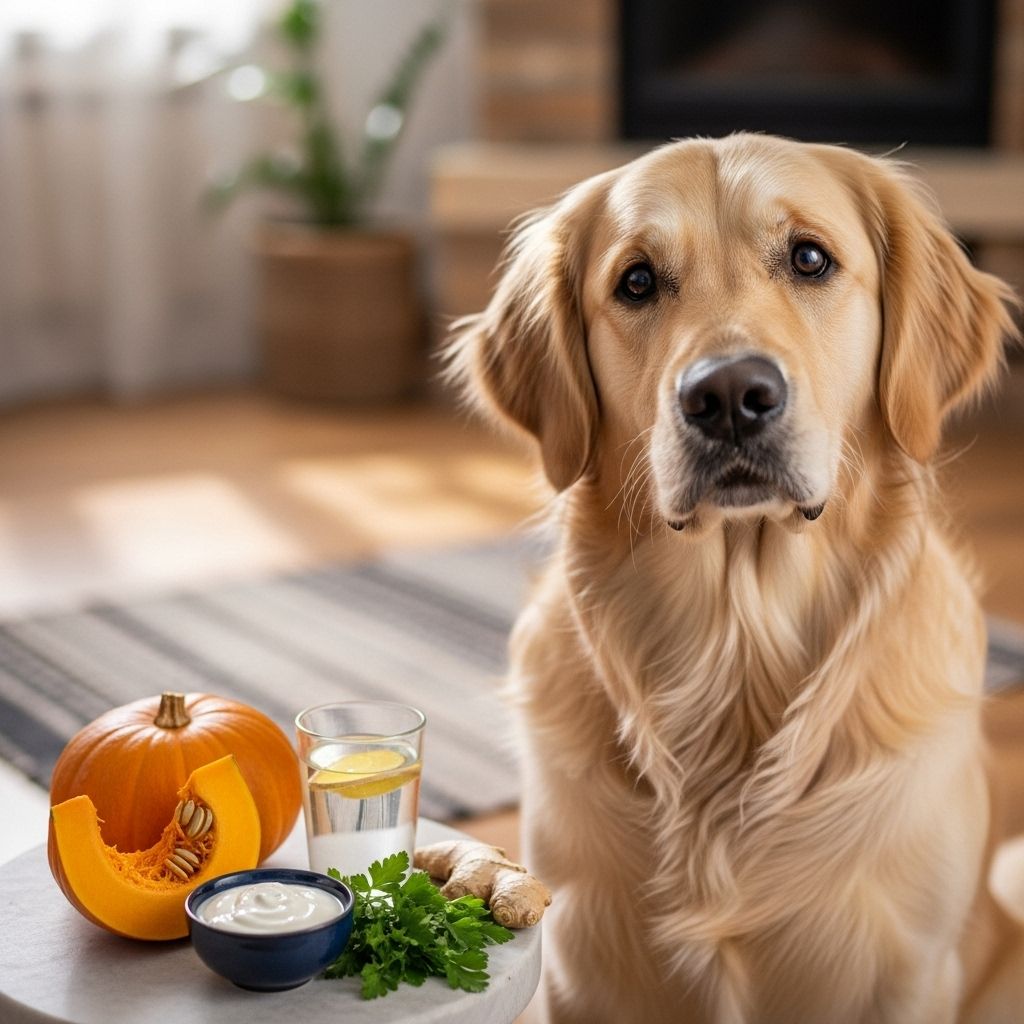
Watching your beloved dog struggle with constipation can be distressing for any pet owner. When your furry companion is having difficulty passing stool or hasn’t had a bowel movement in several days, you naturally want to help them find relief as quickly as possible. While severe or prolonged constipation requires veterinary attention, mild cases can often be resolved with simple, safe home remedies that you likely already have in your kitchen or can easily obtain.
Constipation in dogs is more common than many pet owners realize, and it can affect canines of any age, breed, or size. Understanding the natural remedies available can help you provide immediate comfort to your pet while determining whether professional veterinary care is necessary. This comprehensive guide explores proven home remedies that can help alleviate your dog’s constipation and promote healthy digestion.
Understanding Dog Constipation
Before diving into remedies, it’s important to recognize what constipation looks like in dogs. Constipation occurs when your dog has infrequent bowel movements or difficulty passing stool. A healthy dog typically has one to two bowel movements per day, though this can vary based on diet, age, and activity level.
Signs your dog may be constipated include straining during defecation, producing hard and dry stools, crying or whimpering while trying to defecate, loss of appetite, lethargy, and passing small amounts of liquid stool. If your dog hasn’t had a bowel movement for more than two days, or if you notice any signs of distress or pain, it’s crucial to consult your veterinarian before attempting home remedies.
Common Causes of Canine Constipation
Several factors can contribute to constipation in dogs. Dehydration is one of the most frequent culprits, as insufficient water intake leads to hard, difficult-to-pass stools. A low-fiber diet can also cause digestive issues, as fiber plays a crucial role in maintaining healthy bowel movements.
Other common causes include lack of exercise, which slows down the digestive system, ingestion of foreign objects like bones, grass, or other non-food items, certain medications that affect digestion, underlying medical conditions such as enlarged prostate or tumors, and age-related factors, particularly in senior dogs whose digestive systems naturally slow down.
Pumpkin Puree: Nature’s Digestive Aid
One of the most effective and widely recommended home remedies for dog constipation is plain pumpkin puree. This superfood is rich in soluble fiber, which helps regulate your dog’s digestive tract by absorbing water and adding bulk to stool, making it easier to pass. The high moisture content in pumpkin also helps soften hard stools naturally.
To use pumpkin for constipation relief, add one to four tablespoons of 100% pure pumpkin puree to your dog’s regular meal, depending on their size. Smaller dogs should receive about one teaspoon per 10 pounds of body weight, while larger dogs can have up to four tablespoons. Most dogs find pumpkin palatable and will eagerly eat it mixed with their food or even as a standalone treat.
Critical warning: Always use plain, 100% pure pumpkin puree, never pumpkin pie filling. Pumpkin pie filling contains added sugars, spices like nutmeg and cinnamon, and other additives that can be harmful to dogs and may worsen digestive problems.
Hydration: The Foundation of Digestive Health
Adequate water intake is absolutely essential for preventing and treating constipation in dogs. When dogs don’t drink enough water, their bodies absorb more moisture from the intestines, resulting in hard, dry stools that are difficult and painful to pass.
Ensure your dog has constant access to fresh, clean water throughout the day. Place multiple water bowls in different locations around your home and yard, and refresh them several times daily. Some dogs prefer flowing water and may drink more from a pet water fountain rather than a static bowl.
To encourage increased water consumption, you can add low-sodium chicken or beef broth to your dog’s water bowl, mix water or broth into their dry food to increase moisture content, offer ice cubes as treats, especially during warm weather, or provide filtered or purified water if your dog seems reluctant to drink tap water. Adding just a small amount of liquid to each meal can significantly improve your dog’s hydration and help soften their stool.
Dietary Adjustments for Better Digestion
What goes into your dog’s body directly affects what comes out. Making strategic dietary changes can provide substantial relief from constipation and help prevent future episodes.
Canned Dog Food
Switching from dry kibble to canned wet food, even temporarily, can make a significant difference. Canned food naturally contains much more moisture than dry kibble, which helps keep your dog hydrated and their stool softer. The increased moisture content lubricates the digestive tract and makes it easier for waste to move through the intestines.
If you decide to transition your dog to canned food, do so gradually to avoid causing diarrhea or other digestive upset. Start by mixing a small amount of canned food with their regular dry food, then gradually increase the proportion of wet food over several days until you’ve made a complete switch.
Higher Fiber Dog Food
Fiber plays a dual role in digestive health, helping with both constipation and diarrhea. A diet with appropriate fiber content keeps the digestive system functioning smoothly. Senior dogs, in particular, often benefit from higher-fiber diets as their metabolism naturally slows with age.
When selecting dog food, carefully read the ingredient label and look for options with appropriate fiber content for your dog’s age, breed, and activity level. If you’re unsure which food is best, consult your veterinarian for personalized recommendations. You can also add fiber supplements or high-fiber treats to your dog’s existing diet without completely changing their food.
Natural Oils as Stool Softeners
Certain oils can act as natural lubricants for your dog’s digestive system, making it easier for stool to pass through the intestines.
Coconut Oil
Coconut oil serves multiple beneficial purposes when dealing with dog constipation. It acts as a natural stool softener by lubricating the digestive tract, while its anti-bacterial and anti-microbial properties help improve overall gut health. Additionally, coconut oil has natural anti-inflammatory properties that can soothe intestinal inflammation often associated with constipation.
Add approximately one teaspoon of coconut oil per 10 pounds of body weight to your dog’s food. Most dogs love the taste of coconut oil and will eagerly lick it straight from a spoon. Start with a smaller amount and gradually increase to avoid causing diarrhea.
Olive Oil
Olive oil provides similar lubricating benefits to coconut oil while offering additional health advantages, including skin moisturization and potential cancer-fighting properties. A small amount of olive oil mixed into your dog’s food can help facilitate easier bowel movements.
The appropriate amount depends on your dog’s size and weight. Start with just a half teaspoon for small dogs or one teaspoon for larger dogs, and increase gradually if needed. Use olive oil sparingly – too much can cause diarrhea and create an entirely different digestive problem.
Exercise: Moving Bodies, Moving Bowels
Physical activity is one of the simplest yet most effective remedies for dog constipation. Exercise stimulates the digestive system by increasing blood flow to the digestive tract and colon, which helps move waste through the intestines more efficiently.
When your dog is constipated, add an extra walk or increase playtime in their daily routine. Activities like running, playing fetch, and chase games are particularly effective at promoting healthy digestion. Even a brisk 15-20 minute walk can sometimes be enough to stimulate a bowel movement.
Regular daily exercise doesn’t just help with immediate constipation relief – it also promotes long-term digestive health and helps prevent future episodes. Consistent physical activity keeps your dog’s metabolism active and their digestive system functioning optimally.
Probiotics and Natural Supplements
Probiotic Supplements
Probiotics contain beneficial bacteria that support digestive health by maintaining a balanced gut microbiome. These supplements help restore natural bacterial balance in your dog’s intestines, which can aid in regularity and overall digestive function.
Dog-specific probiotic supplements are widely available at pet stores and online retailers. Look for products specifically formulated for canines, as human probiotics may not contain the appropriate bacterial strains for dogs.
Greek Yogurt
Plain, unflavored Greek yogurt serves as a natural probiotic source that many dogs enjoy. A tablespoon of Greek yogurt mixed into your dog’s food can help establish healthy gastrointestinal flora and ease constipation.
Always choose plain, unsweetened yogurt without any artificial sweeteners, particularly xylitol, which is toxic to dogs. Avoid flavored yogurts that contain added sugars or artificial ingredients.
Apple Cider Vinegar
Apple cider vinegar is another natural remedy that some pet owners find helpful for relieving constipation. Mix approximately one teaspoon of raw, unfiltered apple cider vinegar into your dog’s food. This small amount should be sufficient to help promote bowel movements without causing stomach upset.
When Home Remedies Aren’t Enough
While home remedies can effectively treat mild, occasional constipation, certain situations require immediate veterinary attention. Contact your veterinarian right away if your dog hasn’t had a bowel movement for more than two days, appears to be in significant pain or distress, is vomiting along with constipation, has a bloated or distended abdomen, is lethargic or refusing food and water, or you suspect they may have ingested a foreign object.
Do not attempt home remedies if you believe your dog has eaten something they shouldn’t have, such as bones, toys, or other foreign materials. Blockages require professional medical intervention and can be life-threatening if not treated promptly.
Chronic or recurring constipation may indicate an underlying health condition such as enlarged prostate, tumors, neurological issues, or metabolic disorders. Your veterinarian can perform diagnostic tests to identify the root cause and recommend appropriate treatment.
Prevention: Keeping Your Dog Regular
The best approach to dog constipation is prevention. By implementing healthy habits and routines, you can help keep your dog’s digestive system functioning smoothly and minimize the likelihood of constipation.
Maintain a consistent feeding schedule with high-quality, appropriately balanced dog food. Ensure your dog always has access to fresh, clean water and drinks adequate amounts throughout the day. Provide regular daily exercise appropriate for your dog’s age, breed, and physical condition. Monitor what your dog eats and prevent them from consuming inappropriate items like bones, sticks, or foreign objects.
Regular grooming is also important, especially for long-haired breeds. Dogs that groom themselves excessively can ingest hair that forms into masses in the digestive tract, potentially causing blockages or constipation. Brushing your dog frequently reduces the amount of loose hair they might ingest.
Combining Remedies for Maximum Effect
Often, the most effective approach involves combining multiple remedies rather than relying on just one. For example, you might add pumpkin puree to your dog’s food while also ensuring they drink more water and get extra exercise. This multi-pronged approach addresses constipation from several angles simultaneously.
However, introduce remedies gradually and one at a time when possible. This allows you to monitor how your dog responds to each treatment and identify which remedies work best for your individual pet. If you add multiple new elements at once and your dog experiences adverse effects, you won’t know which remedy caused the problem.
Frequently Asked Questions
Q: How long does it take for home remedies to work for dog constipation?
A: Most home remedies begin working within 6-24 hours. Pumpkin puree and increased hydration typically show results within 12-24 hours, while exercise may stimulate a bowel movement more quickly. If you see no improvement after 24-48 hours of home treatment, contact your veterinarian.
Q: Can I use human laxatives for my constipated dog?
A: No, never give your dog human laxatives or stool softeners without explicit veterinary approval. Many human medications are toxic to dogs or can cause serious side effects. Always use remedies specifically safe for canine use or consult your veterinarian for appropriate medications.
Q: How much pumpkin should I give my dog for constipation?
A: The general guideline is one teaspoon of pure pumpkin puree per 10 pounds of body weight. Small dogs can receive 1-2 teaspoons, medium dogs 2-3 tablespoons, and large dogs 3-4 tablespoons. Always start with a smaller amount and gradually increase if needed.
Q: Is constipation more common in older dogs?
A: Yes, senior dogs are more prone to constipation due to decreased metabolism, reduced activity levels, and age-related changes in digestive function. Older dogs may also have underlying health conditions that contribute to constipation. Regular veterinary check-ups help identify and address these issues.
Q: Can certain dog breeds be more prone to constipation?
A: While any dog can become constipated, certain factors make some breeds more susceptible. Large breeds, dogs with long hair that may be ingested during grooming, and breeds prone to orthopedic issues that limit mobility may experience constipation more frequently. Individual factors like diet and exercise matter more than breed alone.
Q: Should I change my dog’s diet permanently after a constipation episode?
A: Not necessarily. If constipation was a one-time occurrence likely caused by temporary factors, you may not need permanent dietary changes. However, if your dog experiences recurring constipation, discussing long-term dietary modifications with your veterinarian can help prevent future episodes.
Q: Can stress cause constipation in dogs?
A: Yes, stress and anxiety can affect your dog’s digestive system and contribute to constipation. Changes in routine, moving to a new home, boarding, or other stressful situations may disrupt normal bowel habits. Maintaining consistency and providing a calm environment helps promote regular digestion.
Final Thoughts on Natural Constipation Relief
Dog constipation, while uncomfortable and concerning, can often be successfully managed with simple, natural home remedies. By understanding the causes of constipation and implementing appropriate treatments like pumpkin puree, increased hydration, dietary adjustments, natural oils, and regular exercise, you can help your canine companion find relief and return to normal digestive function.
Remember that these remedies work best for mild, occasional constipation. Always monitor your dog’s response to treatment and don’t hesitate to seek veterinary care if symptoms persist, worsen, or if your dog shows signs of serious distress. Your veterinarian can rule out underlying medical conditions and provide professional treatment when home remedies aren’t sufficient.
Prevention through proper diet, adequate hydration, regular exercise, and attentive care remains the best strategy for maintaining your dog’s digestive health. By implementing these practices consistently, you can help ensure your furry friend stays comfortable, healthy, and regular for years to come.
Similar Articles







Read full bio of medha deb