Home Remedies for Dog Dry Skin & Allergies: Complete Guide
Natural solutions to soothe your dog's itchy, irritated skin and restore their comfort
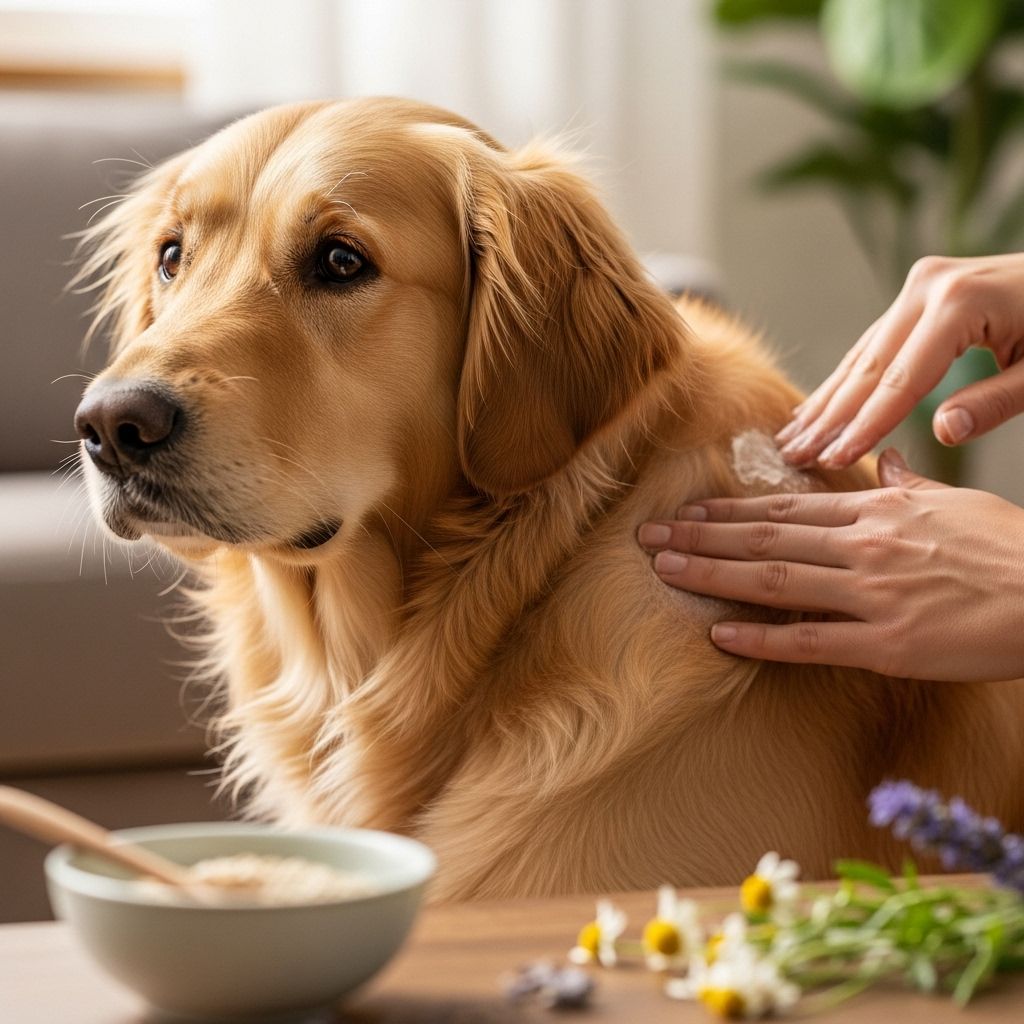
Watching your beloved canine companion constantly scratch, bite, or lick their skin can be heartbreaking. Dry skin and allergies are among the most common issues affecting dogs, causing significant discomfort and irritation. While veterinary care remains essential for serious conditions, many effective home remedies can provide relief and support your dog’s skin health naturally. Understanding the causes behind dry skin and knowing which remedies work best empowers you to help your furry friend feel comfortable again.
Dog dry skin manifests in various ways, from flaky patches and dullness to persistent itching and redness. Environmental factors like dry winter air, over-bathing, harsh shampoos, or underlying allergies often contribute to these uncomfortable conditions. The good news is that many natural, gentle remedies can soothe irritated skin, restore moisture balance, and promote healing without harsh chemicals or expensive treatments.
Understanding Dog Dry Skin and Allergies
Before diving into remedies, recognizing what causes dry skin in dogs helps you address the root problem effectively. Dry skin can result from environmental conditions such as low humidity during winter months or excessive air conditioning in summer. Nutritional deficiencies, particularly lack of essential fatty acids, also play a significant role in skin health. Allergies to food ingredients, environmental allergens like pollen or dust mites, or contact irritants can trigger inflammatory responses that leave skin dry, itchy, and uncomfortable.
Parasites including fleas and mites cause intense itching that damages skin through constant scratching. Certain medical conditions like hypothyroidism or Cushing’s disease affect skin health as well. Over-bathing strips away natural oils that protect and moisturize skin, while harsh shampoos containing artificial fragrances or chemicals irritate sensitive skin further. Identifying the underlying cause allows you to select the most appropriate remedies and prevent recurrence.
Nutritional Approaches to Healthy Skin
The foundation of healthy skin starts from within through proper nutrition. A well-balanced diet rich in high-quality proteins, essential fatty acids, vitamins, and minerals provides the building blocks your dog’s body needs to maintain skin integrity and function.
Essential Fatty Acids for Skin Health
Omega-3 and omega-6 fatty acids play crucial roles in maintaining skin barrier function and reducing inflammation. These essential nutrients support cell membrane health, promote moisture retention, and help regulate inflammatory responses that contribute to itching and irritation. Fish oil supplements containing EPA and DHA, flaxseed oil, or foods naturally rich in omega-3s like salmon provide excellent sources of these beneficial fats. Consult your veterinarian about appropriate dosages based on your dog’s size and specific needs, as too much supplementation can cause digestive upset or interfere with blood clotting.
Vitamin E Supplementation
Vitamin E functions as a powerful antioxidant that protects skin cells from oxidative damage and supports healing processes. This fat-soluble vitamin helps maintain skin elasticity, reduces inflammation, and strengthens the skin barrier against environmental irritants. You can apply vitamin E oil directly to dry patches for localized relief or discuss oral supplementation with your veterinarian for systemic benefits. Foods naturally containing vitamin E include spinach, broccoli, and certain vegetable oils, though supplementation often provides more consistent therapeutic levels.
Balanced Commercial Diets
High-quality commercial dog foods formulated with skin health in mind typically contain optimal ratios of proteins, fats, and essential nutrients. Look for foods listing whole meat proteins as primary ingredients, avoiding fillers and artificial additives that may trigger sensitivities. Some dogs benefit from limited ingredient diets that minimize potential allergens, while others thrive on grain-free formulations. Working with your veterinarian to identify the best dietary approach for your individual dog ensures they receive proper nutrition tailored to their specific needs.
Topical Natural Remedies
Direct application of natural moisturizers and soothing agents provides immediate relief to dry, irritated skin while supporting the healing process.
Coconut Oil Treatment
Coconut oil stands out as one of the most versatile natural remedies for dog dry skin. This tropical oil contains medium-chain fatty acids with antibacterial, antiviral, and antifungal properties that combat skin infections while deeply moisturizing. The lauric acid in coconut oil penetrates skin effectively, restoring hydration and creating a protective barrier against environmental irritants. To use coconut oil, warm a small amount between your hands until it liquefies, then gently massage it into affected areas, focusing on particularly dry patches. The beauty of coconut oil lies in its safety—if your dog licks some off during application, they’ll still benefit from the hydrating fatty acids internally. However, exercise moderation with oral consumption, as excessive amounts can cause digestive upset or loose stools.
Olive Oil Application
Extra virgin olive oil serves as another excellent natural moisturizer for parched canine skin. Rich in monounsaturated fats and antioxidants, olive oil nourishes skin deeply while promoting a lustrous, healthy coat. You can apply it directly to localized dry areas or incorporate it into your dog’s diet by adding a tablespoon to their food several times weekly. Internal consumption provides systemic benefits, improving skin hydration from within while external application targets specific problem areas immediately.
Vitamin E Oil for Targeted Relief
Pure vitamin E oil offers concentrated antioxidant protection directly to damaged or inflamed skin. Apply it to dry patches, hot spots, or areas of irritation to promote cellular repair and reduce inflammation. Vitamin E accelerates healing while protecting against further oxidative damage that exacerbates skin problems. For dogs with widespread dry skin issues, combining topical vitamin E application with oral supplementation provides comprehensive support.
Therapeutic Baths and Soaks
Bathing represents one of the most effective ways to deliver soothing relief to dogs suffering from dry, itchy skin, provided you use appropriate techniques and ingredients.
Oatmeal Bath Protocol
Colloidal oatmeal has been used for generations to calm irritated skin, and it works just as effectively for dogs as it does for humans. Oatmeal contains anti-inflammatory compounds called avenanthramides and phenols that actively soothe inflamed tissue while acting as a natural moisturizer that locks in hydration. To prepare an oatmeal bath, grind one-third to one cup of plain, uncooked oatmeal into a fine powder using a food processor or blender, adjusting the amount based on your dog’s size. Mix this powder into a tub of lukewarm water until the water takes on a milky appearance. For enhanced moisturizing effects, add a small amount of milk or olive oil to the bath. Allow your dog to soak for 10 to 15 minutes, gently massaging the oatmeal water into their coat and ensuring it reaches the skin. The treatment is completely non-toxic, so if your dog licks themselves during the bath, it poses no harm. For dogs resistant to full baths, create an oatmeal paste by gradually adding water to ground oatmeal until you achieve a spreadable consistency, then apply directly to problem areas.
Chamomile and Green Tea Soaks
Both chamomile and green tea possess remarkable anti-inflammatory and soothing properties that ease irritated, itchy skin. These gentle herbs calm redness and discomfort naturally without harsh chemicals. To prepare a treatment, brew several tea bags in hot water, then allow the liquid to cool completely to room temperature. For localized itchy spots, apply the cooled tea directly using a soaked cotton ball or soft cloth. If your dog experiences widespread irritation affecting their entire body, prepare a lukewarm bath and steep multiple tea bags in the bathwater. Let your dog soak for 5 to 10 minutes to achieve maximum relief. The antioxidants in green tea provide additional benefits by protecting skin cells from damage, while chamomile’s natural compounds actively reduce inflammation and promote relaxation.
Epsom Salt Soak Benefits
Epsom salt baths offer therapeutic benefits particularly helpful for dogs with rough, cracked paw pads or dry skin around pressure points like elbows. Add several tablespoons of Epsom salt to comfortably warm water and allow your dog to soak, focusing on affected areas. The magnesium sulfate in Epsom salts gently exfoliates dead skin cells while drawing out toxins and reducing inflammation. This treatment promotes softer, smoother skin texture over time. Always supervise your dog during Epsom salt soaks and never allow them to drink the bathwater, as ingesting Epsom salts can cause digestive problems.
Apple Cider Vinegar Applications
Apple cider vinegar has gained popularity as a natural remedy with multiple benefits for dogs experiencing dry, itchy skin. Its acidic properties help restore proper skin pH balance, which is crucial for maintaining healthy skin barrier function. The natural acids in apple cider vinegar also possess antifungal and antibacterial qualities that combat yeast overgrowth and bacterial infections that frequently cause or complicate dry skin conditions. Yeast infections particularly thrive on skin that has lost its natural pH balance, leading to intense itching, odor, and dryness.
To safely use apple cider vinegar, always dilute it properly before application—a 50/50 solution of apple cider vinegar and water provides the ideal concentration. Transfer this mixture to a spray bottle for easy application or use a cotton ball to dab it onto affected areas. The diluted solution helps control yeast populations, soothes minor irritation, and restores skin pH without causing damage. However, never apply apple cider vinegar to open wounds, raw skin, or areas your dog has scratched until bleeding, as the acidic nature will cause painful stinging and potentially delay healing. For severe or persistent skin issues, consulting your veterinarian remains essential before attempting home treatment.
Probiotic Support for Skin Health
The connection between gut health and skin condition might not seem obvious, but research increasingly demonstrates how digestive balance significantly impacts skin integrity. Beneficial bacteria in the digestive system help regulate immune function, reduce systemic inflammation, and prevent the overgrowth of harmful organisms like yeast that can manifest as skin problems.
Plain, unsweetened yogurt provides an accessible source of probiotics—the beneficial bacteria that support healthy digestive flora. When your dog’s gut microbiome maintains proper balance, it helps prevent skin issues caused by internal imbalances, including yeast overgrowth that triggers intense itching and dryness. Add one to two teaspoons of plain yogurt to your dog’s food two to three times weekly to support their digestive health. Most dogs enjoy the taste of yogurt, making it an easy supplement to incorporate. However, some dogs experience lactose intolerance or difficulty digesting dairy products, so always obtain veterinary approval before making significant dietary changes. Alternatively, your veterinarian can recommend specifically formulated probiotic supplements designed for canine digestive and immune support that may provide more consistent results without dairy concerns.
Environmental Modifications
Beyond topical treatments and dietary adjustments, modifying your dog’s environment can significantly impact their skin comfort and health.
Humidity Control
Dry air, particularly common during winter months when heating systems run constantly or in summer when air conditioning removes moisture, strips natural hydration from your dog’s skin. A humidifier adds beneficial moisture back into the air, creating a more comfortable environment that helps prevent and alleviate dry, irritated skin. Place a humidifier in areas where your dog spends most of their time, ensuring the humidity level stays moderate—excessive humidity can encourage mold growth and other problems. Monitor your dog’s response and adjust humidity levels accordingly to find the optimal balance for their comfort.
Bathing Frequency and Technique
While regular bathing maintains cleanliness, over-bathing actually worsens dry skin by stripping away the natural oils that protect and moisturize your dog’s coat and skin. Most dogs only require bathing every four to six weeks unless they get particularly dirty or have specific medical conditions requiring more frequent washing. When you do bathe your dog, use lukewarm water rather than hot, as hot water further dries skin. Select gentle, moisturizing shampoos specifically formulated for dogs, preferably those containing natural ingredients like oatmeal, aloe vera, or chamomile. Avoid human shampoos, which have different pH levels inappropriate for canine skin. After bathing, rinse thoroughly to remove all shampoo residue that can cause irritation, then pat dry gently rather than rubbing vigorously.
Choosing the Right Products
When selecting commercial products to supplement home remedies, prioritize those formulated specifically for dogs with sensitive or dry skin. Look for moisturizing shampoos and conditioners containing natural ingredients like colloidal oatmeal, aloe vera, coconut oil, or vitamin E. Avoid products with artificial fragrances, harsh detergents, or unnecessary chemicals that may irritate sensitive skin further. Hypoallergenic formulations reduce the risk of triggering allergic reactions in susceptible dogs. Topical moisturizers designed for canine use can provide targeted relief between baths—apply these to particularly dry areas as needed. Always read ingredient labels carefully and consult your veterinarian if you’re unsure whether a product is appropriate for your dog’s specific condition.
When to Seek Veterinary Care
While home remedies effectively manage many cases of dry skin and mild allergies, certain situations require professional veterinary attention. If your dog’s skin condition worsens despite home treatment, if you notice signs of infection such as pus, severe redness, swelling, or foul odor, or if your dog experiences hair loss, seek veterinary evaluation promptly. Persistent scratching that damages skin, creates open wounds, or significantly impacts your dog’s quality of life warrants professional assessment. Your veterinarian can diagnose underlying conditions that may be causing skin problems, prescribe medications if necessary, and recommend specialized treatments tailored to your dog’s specific needs. Certain skin conditions require prescription medications, allergy testing, or dietary trials under veterinary supervision for effective management.
Frequently Asked Questions
Q: How often should I give my dog an oatmeal bath for dry skin?
A: You can give your dog an oatmeal bath once or twice weekly during active dry skin episodes. Once symptoms improve, reduce frequency to every two to four weeks for maintenance. Over-bathing, even with gentle oatmeal solutions, can strip natural oils, so monitor your dog’s response and adjust accordingly.
Q: Can I use human coconut oil on my dog’s dry skin?
A: Yes, pure, organic coconut oil intended for human consumption is safe for dogs topically and orally. Ensure you use unrefined, virgin coconut oil without additives. Start with small amounts to ensure your dog tolerates it well, and avoid applying excessive quantities that might leave residue on furniture or bedding.
Q: How long does it take for home remedies to improve my dog’s dry skin?
A: Most dogs show noticeable improvement within one to two weeks of consistent home remedy application, though complete resolution may take four to six weeks depending on severity. Dietary changes and supplements typically require longer—up to eight weeks to demonstrate full effects since skin cells take time to regenerate with improved nutrition.
Q: Are all dogs safe to consume apple cider vinegar?
A: Apple cider vinegar is generally safe for topical use when properly diluted, but oral consumption should be discussed with your veterinarian first. Dogs with certain medical conditions, particularly those affecting the digestive system, may not tolerate apple cider vinegar well. Never apply it to broken skin or open wounds.
Q: What’s the best omega-3 supplement for dog skin health?
A: Fish oil supplements containing EPA and DHA provide the most bioavailable forms of omega-3 fatty acids for dogs. Look for products specifically formulated for pets with appropriate dosing guidelines based on weight. Nordic Naturals, Zesty Paws, and Grizzly Salmon Oil are reputable brands. Consult your veterinarian for dosage recommendations specific to your dog’s needs.
Q: Can food allergies cause dry skin in dogs?
A: Yes, food allergies commonly manifest as skin problems including dryness, itching, redness, and chronic ear infections. Common allergens include beef, dairy, wheat, chicken, and soy. If you suspect food allergies, work with your veterinarian to conduct an elimination diet trial using limited ingredient or hypoallergenic foods to identify triggers.
Q: Should I brush my dog more often if they have dry skin?
A: Regular brushing actually benefits dogs with dry skin by distributing natural oils throughout the coat, removing dead skin flakes, and stimulating circulation. Brush your dog daily or several times weekly using appropriate tools for their coat type. This simple practice improves coat health and provides opportunity to monitor skin condition closely.
Q: Is vitamin E oil safe if my dog licks it off?
A: Vitamin E is generally safe in moderate amounts, but excessive oral consumption can cause side effects. Apply vitamin E oil to areas your dog cannot easily reach, or use an Elizabethan collar temporarily to allow absorption before they can lick treated areas. Discuss oral vitamin E supplementation with your veterinarian for safe systemic benefits.
Managing your dog’s dry skin and allergies through home remedies provides natural, gentle relief while supporting overall health. By combining nutritional improvements, topical treatments, therapeutic baths, and environmental modifications, you create a comprehensive approach that addresses both symptoms and underlying causes. Remember that consistency is key—most remedies require regular application over several weeks to demonstrate full benefits. While these natural solutions effectively manage many cases, maintaining open communication with your veterinarian ensures your dog receives appropriate care for their individual needs. With patience, attention, and the right combination of remedies, you can help your furry companion achieve comfortable, healthy skin and return to their happy, playful self.
Similar Articles








Read full bio of Sneha Tete