Effective Home Remedies for a Clogged Drain: Natural Solutions for Every Household
Discover safe, eco-friendly ways to unclog drains with everyday household items while protecting your pipes and the environment.
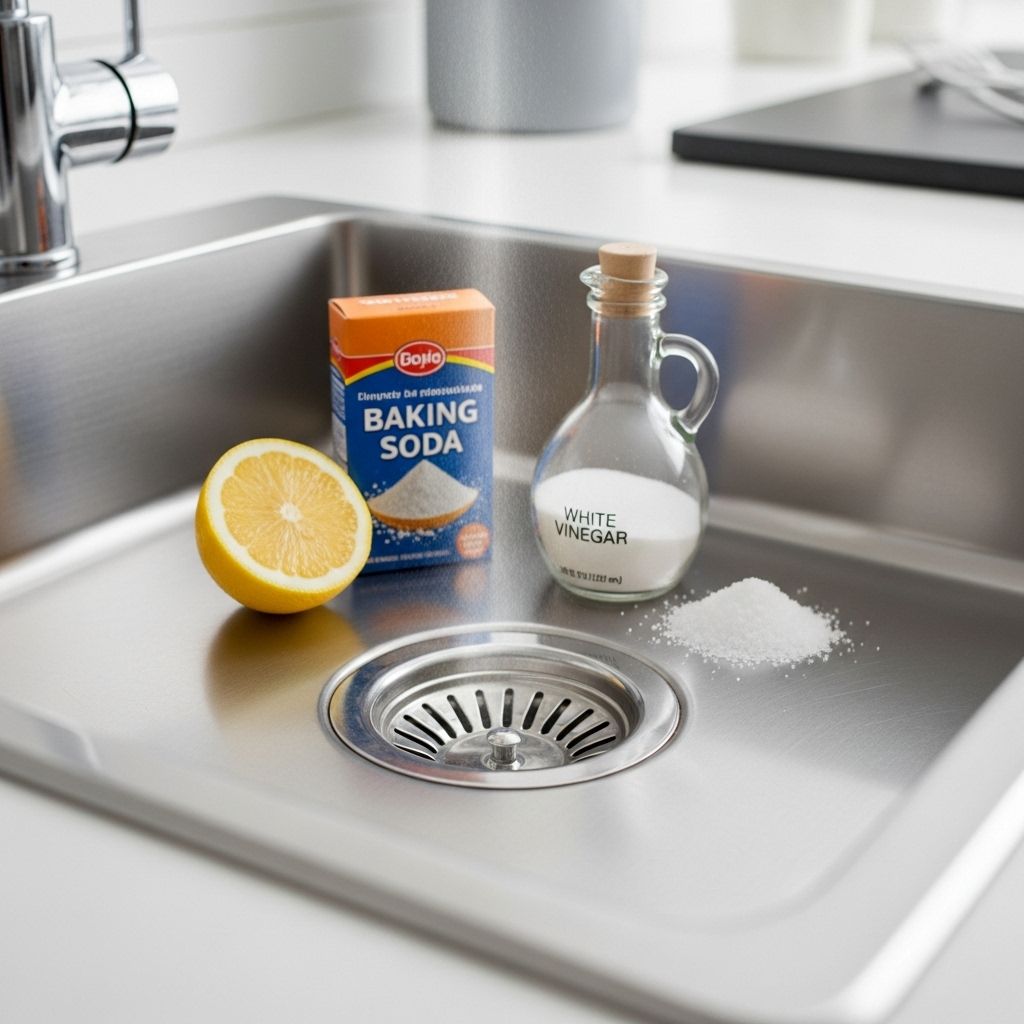
Home Remedies for a Clogged Drain: A Comprehensive Guide
Clogged drains are a common yet frustrating household issue. Whether it’s a slow-draining sink, a backed-up bathtub, or a persistent kitchen clog, blockages can disrupt your daily routine and even cause unpleasant odors. Before you reach for harsh chemicals or call a plumber, consider the many effective home remedies that use natural, everyday ingredients. This extensive guide reviews the best, safest, and most eco-friendly methods to clear your drains without damaging your pipes or the environment.
Understanding Clogged Drains
Clogs can occur for various reasons:
- Build-up of food particles in kitchen sinks
- Hair and soap residue in bathroom drains
- Grease accumulation from washing dishes
- Foreign objects accidentally flushed or dropped into drains
Identifying the cause can help determine the best unclogging method.
Top Natural Remedies for Unclogging Drains
Say goodbye to caustic chemicals and try these safe, reliable home solutions:
Baking Soda and Vinegar Method
- Ingredients: Baking soda, white vinegar, boiling water
- Ideal for: Mild to moderate clogs in kitchen and bathroom drains
This classic remedy utilizes a safe chemical reaction to break down organic debris within your pipes. Here’s how to do it:
- Remove any standing water from the sink or tub.
- Pour 1 cup of baking soda directly into the drain.
- Immediately follow with 1 cup of white vinegar.
- The mixture will fizz as it works on breaking down the clog. Cover the drain with a plug and let the solution sit for 15-60 minutes for best results.
- Complete the process by pouring a pot of boiling water down the drain to flush out the loosened debris.
Repeat as needed for stubborn clogs. This method is safe for most household plumbing.
Baking Soda and Salt Scrub
- Ingredients: Baking soda, table salt, boiling water
- Ideal for: Kitchen sinks, especially for greasy or grimy build-up
For a more abrasive action without using harsh chemicals, try combining baking soda and salt:
- Mix 1 cup of baking soda with 1/2 cup of salt.
- Pour the mixture down the drain and let it sit for several hours—overnight is even better for stubborn blockages.
- Flush the drain with a large pot of boiling water to clear out loosened material.
Hot Water and Dish Soap Flush
- Ingredients: Liquid dish soap, boiling water
- Ideal for: Grease-related clogs in kitchen sinks
An easy method that can work wonders, particularly on grease clogs:
- Boil 1-2 liters of water in a kettle or pot.
- Add a generous amount (2-3 tablespoons) of liquid dish soap into the drain.
- Carefully pour the boiling water into the drain.
- Allow the hot, soapy water to sit for several minutes to melt greasy residue.
- Finish with a flush of cold water to further dislodge remaining debris.
This method is gentle, safe for pipes, and may need to be repeated for severe grease build-up.
Salt, Borax, and Vinegar Solution
- Ingredients: Salt, borax, vinegar, boiling water
- Ideal for: Persistently clogged drains, bathroom sinks, and bathtubs
A powerful mix that leverages the cleaning power of three ingredients:
- Combine 1/4 cup of table salt, 1/4 cup of borax, and 1/2 cup of vinegar.
- Pour the mixture down the drain.
- Follow with a pot of boiling water.
- Allow the mixture to sit and react for at least 1 hour (overnight for best results).
- Rinse thoroughly afterward with hot tap water.
*Note: Use borax with caution, following product instructions, and keep away from children and pets.*
Physical Methods: Plunger & DIY Drain Snake
- Ideal for: Blockages caused by hair, soap, or food that can be reached physically
If a clog is close to the drain’s entrance, consider these manual approaches:
- Plunger: Works effectively for most kitchen and bathroom sinks.
- Remove any standing water and insert the plunger over the drain opening.
- Fill the sink or tub partway with warm water if empty; ensure a good seal.
- Plunge vigorously several times and check if the blockage is cleared.
- Wire Coat Hanger: A quick DIY option for retrieving hair or debris.
- Straighten a wire coat hanger, leaving a hooked end.
- Insert and carefully fish for obstructions (be gentle to avoid pipe damage).
- Remove and discard the debris, then run hot water down the drain.
Additional Tips for Stubborn or Recurring Clogs
Some blockages prove more resilient or are caused by deeper issues. If standard home remedies are not successful after a couple of attempts, consider these suggestions:
- Try a combination of methods, repeating cycles of baking soda & vinegar followed by boiling water.
- Let the cleaning mixtures sit longer for tougher clogs (overnight if needed).
- Avoid repeatedly using plungers if you have lost or poorly secured drain gaskets, as this may damage pipes or cause leaks.
- Do not mix chemical drain cleaners with homemade solutions, as this can create hazardous fumes.
- If water is not draining at all after several attempts, consult a licensed plumber—there could be a hidden or severe obstruction.
Table: Comparison of Natural Drain Cleaning Methods
| Method | Best For | Key Ingredients | Eco-Friendly | Effectiveness |
|---|---|---|---|---|
| Baking Soda & Vinegar | Mild-to-moderate clogs, organic debris | Baking soda, vinegar, boiling water | Yes | High for light to moderate build-up |
| Baking Soda & Salt | Grease, kitchen sinks | Baking soda, salt, boiling water | Yes | High for greasy build-up |
| Dish Soap & Hot Water | Grease clogs | Dish soap, boiling water | Yes | Moderate |
| Salt, Borax & Vinegar | Persistent blockages | Salt, borax, vinegar, boiling water | Yes (if Borax is used correctly) | High for tougher clogs |
| Physical (Plunger, Hanger) | Solid obstructions, hair, small items | Plunger, wire hanger | Yes | High (if blockage is within reach) |
Preventing Future Drain Clogs
Maintenance is the key to a trouble-free plumbing system. Here are strategies to keep your drains clear and functional:
- Use drain screens to catch hair, soap, and food debris.
- Dispose of grease in the trash, not down the sink.
- Clean drains monthly with boiling water or a vinegar and baking soda rinse.
- Avoid flushing foreign objects like wipes, cat litter, or paper towels, even if labeled “flushable.”
- Rinse kitchen sinks with hot water regularly to prevent grease buildup.
Frequently Asked Questions (FAQs)
Q: Do homemade drain cleaners work as effectively as store-bought chemicals?
A: For most mild-to-moderate organic clogs, homemade solutions like baking soda and vinegar are quite effective, safer for your pipes, better for your health, and more environmentally friendly.
Q: How often should I clean my drains to prevent clogs?
A: Cleaning your drains once a month with boiling water or a natural cleaning mixture can significantly reduce the occurrence of blockages, odors, and pipe buildup.
Q: Are these methods safe for all types of pipes?
A: Yes, most homemade remedies are gentle and safe for standard modern pipes, including PVC, copper, and PEX. Avoid physical methods like hangers in old, fragile, or corroded metal pipes.
Q: Can I use these solutions in a garbage disposal or toilet?
A: Baking soda and vinegar are generally safe for garbage disposals but use caution in toilets as excessive baking soda may harden and worsen a clog. Use plungers or contact a plumber for tough toilet clogs.
Q: When should I call a professional plumber?
A: If home remedies and physical methods fail, or if you experience repeated back-ups, slow draining throughout the house, or suspect a major obstruction, it’s time to seek the help of a licensed plumber.
Final Thoughts: Choosing Safe, Sustainable Drain Cleaning
Natural, non-toxic remedies provide an effective way to tackle most household drain clogs while keeping your pipes, water supply, and home safe from harsh chemicals. By empowering yourself with these simple methods and regular maintenance tips, you can keep your drains clear, fresh, and flowing smoothly—saving money and supporting a healthier home environment.
Similar Articles








Read full bio of Sneha Tete