Home Remedies for Clogged Sink Drains That Actually Work
Discover proven home remedies to unclog sink drains efficiently with ingredients you already have—no harsh chemicals required.
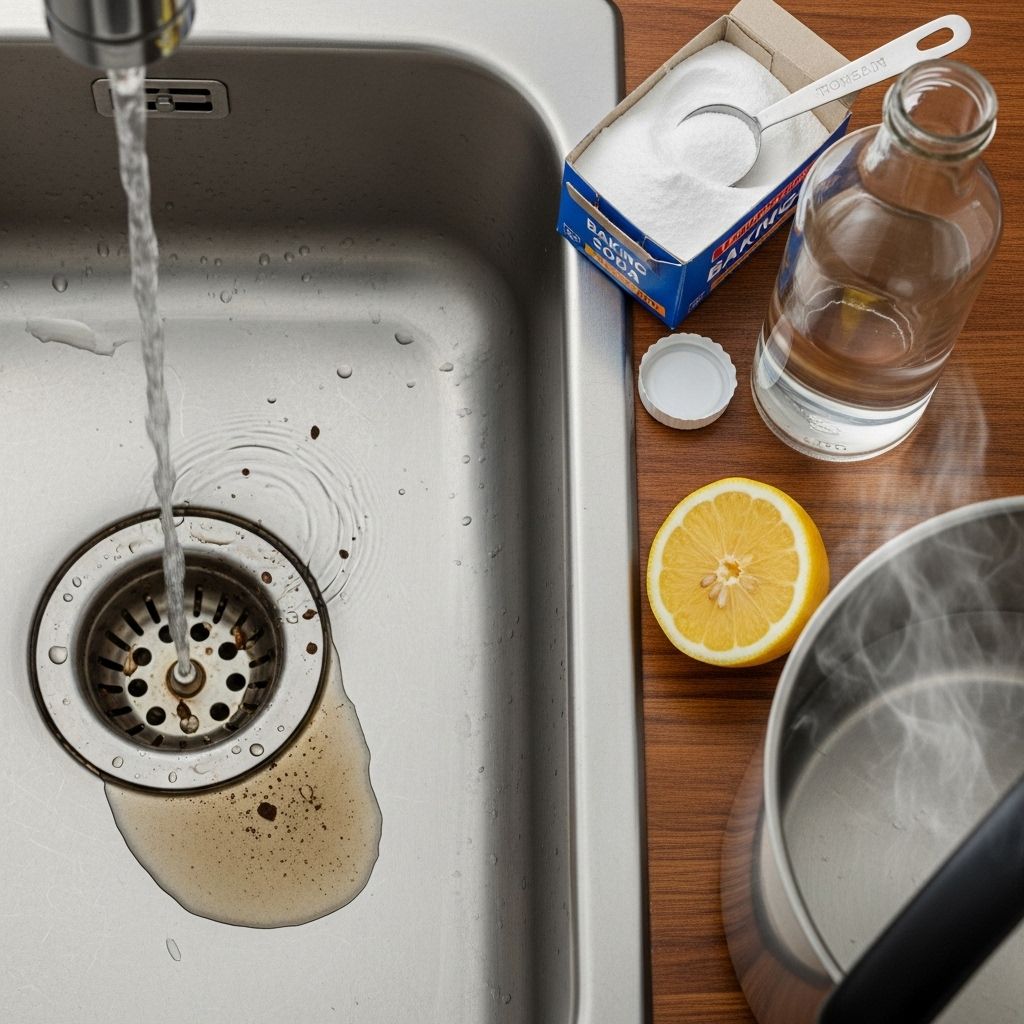
Dealing with a clogged sink drain can disrupt your daily routine and often results in a frantic search for solutions. While commercial drain cleaners offer a quick fix, they frequently contain harsh chemicals that may damage your pipes and harm the environment. Fortunately, several proven home remedies can help clear stubborn sink clogs safely, using everyday household items. This article explores practical, eco-friendly methods to unclog sink drains, offers step-by-step guides for each technique, and answers frequently asked questions about drain maintenance and clog prevention.
Why Choose Home Remedies?
- Environmental safety: Natural solutions avoid toxic chemicals that can pollute water supplies and corrode plumbing systems.
- Cost-effectiveness: Most remedies use inexpensive household items you likely already own.
- Gentleness on pipes: Homemade mixtures typically won’t eat away at your plumbing, saving money in the long run.
- Simplicity: These methods are easy to use and require minimal tools or expertise.
Top Natural Remedies for Unclogging Sink Drains
Baking Soda and Vinegar
Baking soda and vinegar are one of the most popular and reliable home remedies for clearing clogged drains. Together, they create a bubbling, fizzing reaction that helps dislodge debris and clear blockages.
- Start by pouring a large pot of boiling water down the drain to loosen existing gunk.
- Pour approximately one cup of baking soda into the drain.
- Follow with one cup of vinegar (white or apple cider vinegar work equally well).
- Cover the drain with its plug or a stopper and let the solution sit for 15 to 60 minutes, allowing the chemical reaction to break down the clog.
- After waiting, pour another pot of boiling water down the drain to rinse away loosened debris.
This technique is excellent for minor clogs and routine drain cleaning.
| Step | Action | Benefit |
|---|---|---|
| Boiling water | Pour down drain | Helps loosen grease and debris |
| Baking soda | Pour into drain | Acts as a mild abrasive and deodorizer |
| Vinegar | Add to baking soda | Triggers fizzing action to break up clogs |
| Wait | Cover & let sit | Allows reaction time to dissolve blockage |
| Boiling water | Final rinse | Flushes debris away |
Salt and Hot Water
Salt combined with hot water is an effective solution for greasy clogs such as those caused by oil, soap, or fat that builds up in kitchen sinks.
- Remove standing water from the sink.
- Pour half a cup of table salt directly into the drain.
- Immediately follow with hot (almost boiling) water.
- Let the mixture sit for several minutes, then flush with more hot water.
This method works well for loosening and dissolving greasy deposits that accumulate in the drain pipe.
Dish Soap and Hot Water
Dish soap mixed with boiling water is particularly effective for eliminating grease blockages in kitchen sinks.
- Boil about two liters of water.
- Add a few generous tablespoons of liquid dish soap.
- Stir the mixture to combine.
- Pour it slowly down the drain, allowing the hot, soapy water to melt and flush grease away.
- If necessary, repeat several times until water runs freely.
This remedy is best suited for routine cleaning or greasy clogs.
Baking Soda and Salt
For tougher clogs, baking soda and salt provide additional abrasive power to physically scrub away blockages inside the pipe.
- Mix half a cup of baking soda with half a cup of salt.
- Pour this dry mixture down the drain.
- Let it sit for a minimum of 30 minutes, and for stubborn clogs, overnight.
- Rinse with boiling water to flush the loosened debris.
This gritty combination can help break down more stubborn blockages and restore flow.
Borax, Salt, and Vinegar
Borax is a powerful cleaning agent that, when combined with salt and vinegar, can tackle especially persistent clogs.
- Mix a quarter cup of salt, a quarter cup of borax, and half a cup of vinegar.
- Pour the mixture down the drain and follow with boiling water.
- Let it sit for at least an hour, then rinse with hot tap water.
Use this combination only on metal pipes, as borax may damage some plastic plumbing with prolonged exposure.
Physical Methods: Plunger, Coat Hanger, and Plumber’s Snake
- Plunger:
- Empty the sink of dishes and rags.
- Fill the sink halfway with warm water.
- Place the plunger over the drain and plunge forcefully several times.
- Rubber plungers work best for kitchen sinks.
- Wire Coat Hanger:
- Straighten out the coat hanger, leaving the hook end.
- Insert the hook into the drain and fish out hair, food particles, and other debris.
- Dispose of what you catch before running hot water to clear out the remnants.
- Plumber’s Snake/Auger:
- Remove the P-trap (U-shaped section of pipe beneath the sink) and insert the snake into the pipe.
- When you feel resistance, twist the snake to break up the blockage, then withdraw it, bringing debris with it.
- Flush with hot water.
Physical methods are ideal when home mixtures don’t work or for retrieving solid objects stuck in the drain.
P-Trap Cleaning
The P-trap is the U-shaped bend in your sink’s drain pipe where clogs frequently collect. Cleaning it is a straightforward DIY job:
- Place a bucket beneath the P-trap to catch any water and debris.
- Loosen the slip nuts on both ends and remove the P-trap.
- Clear out debris, rinse with water, and reattach.
- Run water to check for leaks and flow restoration.
Preventative Tips for Clear Drains
- Use mesh drain covers to catch hair and food particles before they go down the drain.
- Dispose of grease properly: Never pour fats and oils down the sink. Let them cool, then throw them in the trash.
- Regular maintenance: Flush drains with hot water weekly and use baking soda and vinegar monthly for odor and buildup control.
- Cautious disposal: Avoid sending coffee grounds, eggshells, and fibrous vegetables (like celery) down the kitchen sink.
Comparing Home Remedies: Benefits & Limitations
| Remedy | Best For | Limitations |
|---|---|---|
| Baking soda & vinegar | Minor hair, soap clogs; routine cleaning | Ineffective on severe blockages |
| Salt & hot water | Grease and fat clogs | May require repeated attempts |
| Baking soda & salt | Stubborn debris; scrubbing action | Needs to sit longer for effect |
| Borax, salt & vinegar | Tough, persistent clogs | Not suitable for all pipe types |
| Dish soap & hot water | Grease blockages, routine cleaning | Less effective for solid clogs |
| Plunger/coathanger/snake | Physical blockages, solid debris | May require tools and effort |
Frequently Asked Questions (FAQs)
Q: Are home remedies safe for all types of pipes?
A: Most natural remedies are safe for metal and PVC pipes. Avoid using borax on plastic pipes and never use boiling water on PVC drains, as it may weaken them.
Q: How often should I clean my drain with baking soda and vinegar?
A: Once per month is ideal for maintenance. For minor blockages, repeat as needed until flow improves.
Q: What should I do if home remedies don’t work?
A: If you still have a persistent clog after trying the above methods, consider using a physical tool (plunger, plumber’s snake, or removing the P-trap). Failing this, call a licensed plumber to prevent damage.
Q: Do these remedies eliminate bad odors?
A: Yes. Baking soda, vinegar, and dish soap all neutralize odors and break down organic residue that causes unpleasant smells.
Q: Can I combine remedies for extra strength?
A: It’s generally safe to use baking soda and vinegar followed by a hot water flush, but avoid mixing chemical cleaners and home remedies as dangerous reactions may occur.
Conclusion: Clean Drains, Clear Conscience
Tackling clogged sink drains doesn’t require harsh chemicals or expensive professional services. With simple household items like baking soda, vinegar, salt, dish soap, and physical tools, you can clear most blockages safely and effectively. These remedies promote a greener, healthier home and prevent pipe and environmental damage while saving money. For routine drain care and stubborn clogs alike, try these time-tested solutions before reaching for commercial drain cleaners or calling a plumber.
Similar Articles








Read full bio of medha deb