Effective Home Remedies for Fire Ant Bites: Soothe, Heal, Prevent
Discover soothing natural and proven treatments to quickly relieve fire ant bites and reduce irritation.
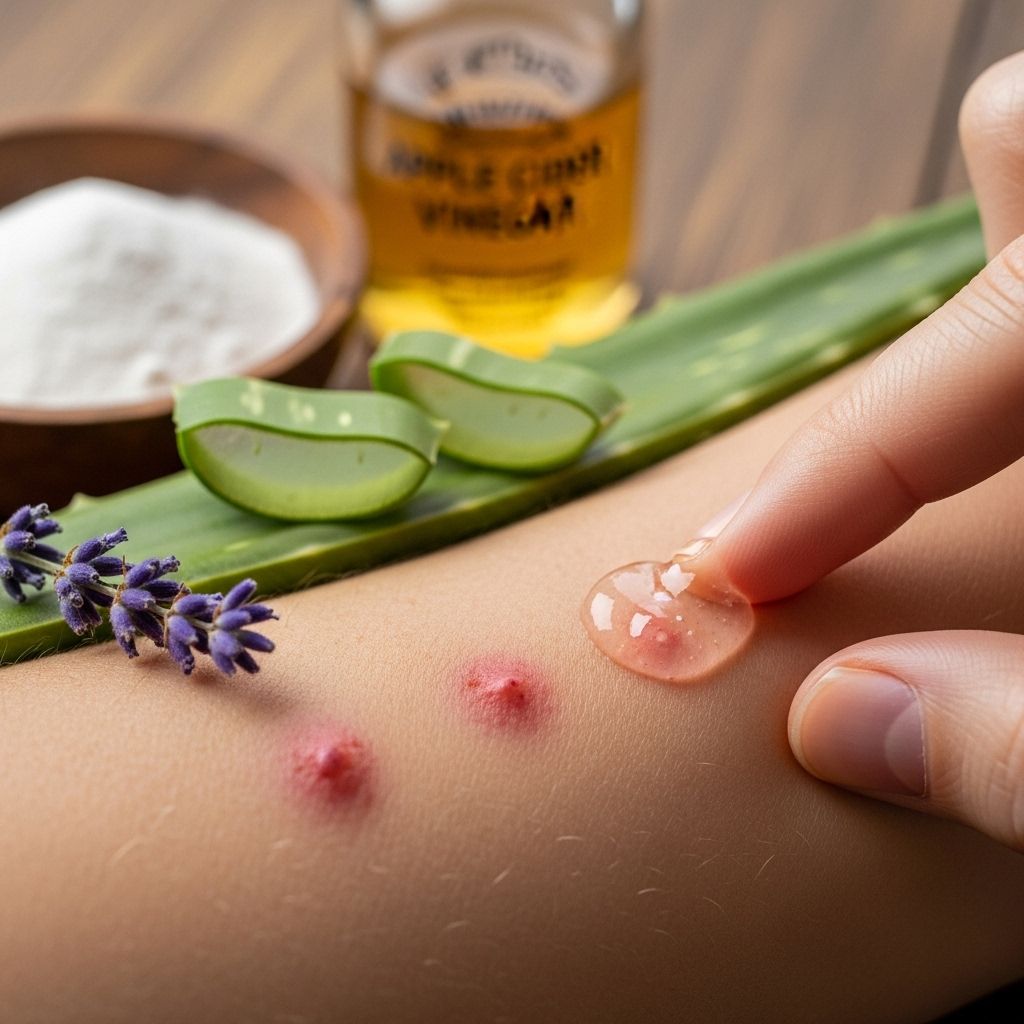
Home Remedies for Fire Ant Bites: Soothe, Heal, Prevent
Fire ant bites are notorious for their intense burning sensation, stubborn itching, and persistent swelling. Whether in your backyard or parks, these aggressive ants can turn outdoor fun into discomfort in seconds. Fortunately, there are various home remedies and medical treatments to relieve symptoms, accelerate healing, and minimize infection risks. This comprehensive guide details effective solutions for managing fire ant stings, when professional help is needed, and ways to prevent future bites.
Understanding Fire Ant Bites
Fire ants don’t actually bite but sting using a venom-filled stinger. This venom creates a burning pain, which is why they’re called ‘fire’ ants. After the sting, a swollen red area develops followed by a characteristic itchy white blister in 24 hours. Most cases resolve without complications, but about 5% may experience severe reactions requiring emergency attention. The stings are rarely fatal but can cause secondary infections or allergic responses if improperly managed.
Symptoms of Fire Ant Bites
- Sharp burning pain at the site
- Redness and swelling
- Itchy, pus-filled blister after 24 hours
- Possible mild fever or malaise if allergic
If you experience severe swelling, difficulty breathing, dizziness, or nausea after a fire ant bite, seek immediate medical care.
Immediate Steps After a Fire Ant Bite
- Move away from the area to prevent more stings.
- Wash the site with cold water and soap to remove allergens and reduce infection risk.
- Apply a cold compress or ice pack (wrapped in cloth) for 15 minutes to alleviate burning and minimize swelling.
- Elevate the affected area to further reduce swelling.
- Avoid squeezing or popping blisters, as this increases infection risk.
Top Home Remedies for Fire Ant Bites
Below are proven home treatments using common household and natural ingredients to soothe pain, reduce itch, and support healing:
Ice Pack or Cold Compress
Apply an ice pack wrapped in a clean cloth to the sting for 15 minutes at a time (with 15-minute breaks in between). This helps relieve pain, decrease swelling, and minimize itching.
Aloe Vera
Aloe vera gel is celebrated for its cooling, anti-inflammatory, and soothing properties. Apply a thin layer of fresh aloe vera gel or commercial gel to reduce redness, itching, and discomfort.
Honey
Honey’s natural antibacterial and anti-inflammatory properties help lower infection risk and discomfort. Spread a small amount over the bite and leave until it dries.
Baking Soda Paste
Mix one tablespoon of baking soda with water to create a thick paste. Apply and leave on the bite for 15-20 minutes. Baking soda neutralizes the skin’s pH, reduces itch, and draws out inflammation.
Calamine Lotion
Apply calamine lotion to the affected area. Its cooling and drying effect relieves itchy skin and irritation.
Oatmeal Bath
For multiple or widespread bites, add colloidal oatmeal (available in drugstores) to a lukewarm bath and soak for 15-20 minutes. Oatmeal soothes irritated skin and helps relieve itching.
Cucumber
Place slices of cool cucumber directly onto the sting for instant relief. Its natural cooling effect reduces burning and swelling.
Lemon Juice
Mix lemon juice with water and gently dab onto the bite. The acidity can relieve itching and help dry out inflammation.
Salt Paste
Apply a thick paste made of table salt and water onto the sting site. Salt draws out fluid, reduces swelling, and speeds recovery.
Tea Tree Oil
Dilute several drops of tea tree oil in a carrier oil (like coconut or olive oil) and gently apply. Tea tree oil’s antimicrobial and anti-inflammatory effects may accelerate healing.
Herbal Tea Compress
Soak a herbal tea bag (such as chamomile or green tea) in cool water, squeeze out excess, and place it on the bite. Antioxidants in herbal tea help soothe itching and inflammation.
Onion
Rub a fresh piece of raw onion directly onto the bite immediately after being stung. The compounds in onions may help prevent swelling and irritation.
Toothpaste
Apply a thin layer of non-gel toothpaste to the sting for several minutes. Toothpaste can cool and relieve itch but avoid using harsh formulas.
Over-the-Counter Products
- Hydrocortisone cream (0.5-1%) reduces itching and swelling — apply twice daily
- Triple antibiotic ointment helps prevent infection if blisters break
- Oral antihistamines (such as diphenhydramine) can ease swelling and allergic itching
- Nonprescription pain relievers (acetaminophen, ibuprofen) for pain management
Remedy Comparison Table
| Remedy | Symptom Relief | Best Used For | Notes / Precautions |
|---|---|---|---|
| Ice Pack / Cold Compress | Pain, swelling, itching | Initial bite, immediate pain | Do not apply ice directly to skin |
| Aloe Vera Gel | Itching, inflammation | Ongoing redness, burning | Test for skin allergy before use |
| Honey | Swelling, infection risk | Minor bites, inflammation | Remove if skin irritation develops |
| Baking Soda Paste | Itching, redness | Early sting, irritation | Leave on for max 20 mins |
| Calamine Lotion | Itching, rash | Persistent itch | Allow to dry before covering |
| Oatmeal Bath | Generalized itching | Multiple bites, sensitive skin | Use colloidal, not instant oatmeal |
| Cucumber Slices | Cooling relief, minor swelling | Hot/burning bites | Repeat as needed |
| Hydrocortisone Cream | Redness, itching | Severe irritation | Do not use on open wounds |
| Tea Tree Oil | Inflammation, minor infection | Swollen or infected stings | Always dilute before use |
When to Seek Medical Attention
- Severe swelling at or away from the sting
- Difficulty breathing or swallowing
- Faintness, dizziness, signs of shock
- Blisters that become infected or red streaks from bite
Serious allergic reactions may require emergency treatments such as an epinephrine injection, IV antihistamines, corticosteroids, or even oxygen. Always consult a medical professional if symptoms worsen or do not improve after 2-3 days.
Tips to Prevent Fire Ant Bites
- Quickly move away if you notice fire ants or disturbed nests
- Wear closed shoes and long pants while gardening or hiking
- Check outdoor areas for fire ant mounds before sitting or playing
- Keep your home sealed, especially vents and air ducts
- Report suspected infestations to local agricultural authorities
What Not to Do
- Do not squeeze or pop blisters
- Do not apply undiluted essential oils directly
- Do not use heat (hot compress) on fresh bites
- Do not ignore spreading redness or pus
Frequently Asked Questions (FAQs)
How long does it take for fire ant bites to heal?
Most fire ant bites start to heal within 48 hours and generally resolve in 7-10 days. Healing varies if the bite becomes infected or if you have an allergic reaction.
Can fire ant bites be dangerous?
While most bites cause mild reactions, about 5% may be severe, especially for those allergic to fire ant venom. Rarely, complications may be life-threatening if symptoms such as anaphylaxis occur.
Should I pop the blister from a fire ant sting?
No. Popping the blister can lead to infection and scarring. Let the blister heal naturally and keep it clean and covered.
What is the best natural remedy for fire ant bites?
Aloe vera, honey, and baking soda paste are frequently effective for reducing pain, itching, and swelling. Always use remedies as directed and watch for skin irritation.
Can home remedies replace medical treatment?
Home remedies alleviate mild symptoms but do not replace professional medical care in the case of severe allergic reactions, infection, or persistent symptoms.
Conclusion: Safe & Effective Relief for Fire Ant Bites
Fire ant bites are uncomfortable but generally manageable at home using immediate first aid, natural remedies, and over-the-counter medications. The keys are prompt cleansing, cooling, itch control, and infection prevention. Always monitor for signs of allergy or infection and seek medical care when needed. With awareness and the remedies above, you can minimize the impact of fire ant stings and enjoy outdoor activities with confidence.
Similar Articles








Read full bio of Sneha Tete