10 Effective Home Remedies for Ingrown Toenail Pain Relief
Simple, natural solutions and preventive strategies to manage and soothe painful ingrown toenails at home.
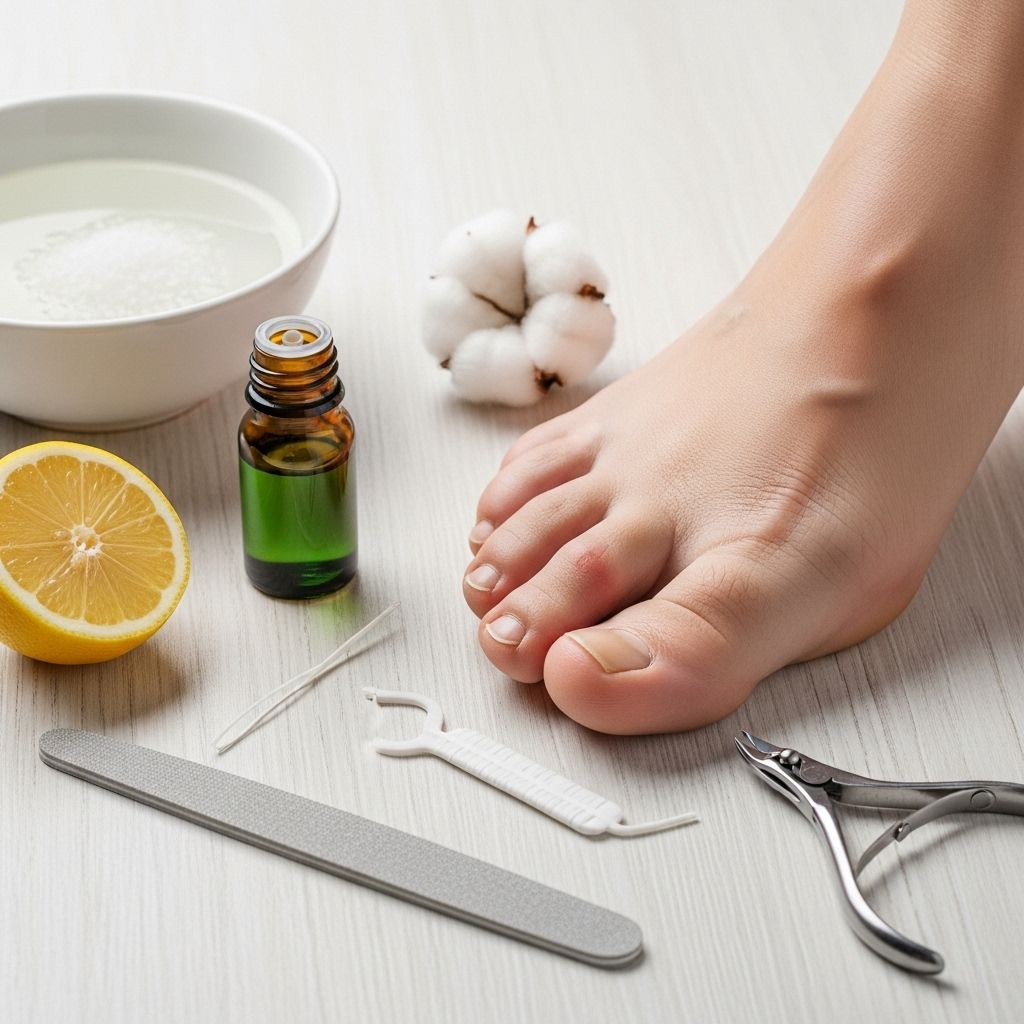
Ingrown toenails are a common but highly uncomfortable condition that occurs when the edge of a toenail grows into the surrounding skin. This can cause pain, irritation, swelling, redness, and sometimes lead to infection. While severe cases may require medical attention, most mild to moderate ingrown toenails can be managed safely at home using natural remedies and self-care techniques. This comprehensive guide explores ten evidence-backed home remedies, preventive strategies, and expert tips for relieving ingrown toenail pain and promoting healthy nail growth.
What Is an Ingrown Toenail?
An ingrown toenail develops when the nail’s edge digs sideways into the soft skin of your toe, usually on the big toe. This triggers local inflammation, tenderness, and, in worse cases, infection. Common causes include improper nail trimming, tight-fitting shoes, trauma, and genetic predisposition. Understanding the symptoms and safe at-home remedies is crucial for fast relief and healthy recovery.
Main Symptoms
- Pain and tenderness along one or both sides of the toenail
- Redness and swelling
- Pus, fluid discharge, or warmth (suggests infection)
- Difficulty walking due to pain
Top 10 Home Remedies for Ingrown Toenail Pain
Below are the most effective home remedies for ingrown toenails, each supported by clinical experience and user reports. For best results, combine remedies based on your specific symptoms.
1. Warm Water Foot Soak
Soaking your affected foot in warm, soapy water is one of the simplest and safest ways to alleviate discomfort and reduce inflammation. This softens the skin and nail, making it easier to manage and preventing further trauma.
- Fill a basin with warm (not hot) water and add a mild soap or gentle cleanser.
- Soak your foot for 15–20 minutes, 2–4 times daily.
- Dry thoroughly with a clean towel, especially between the toes.
2. Epsom Salt Soak
Epsom salt (magnesium sulfate) added to your warm soak can further reduce swelling and aid healing by drawing out fluids. It’s especially effective for stubborn or mildly infected ingrown nails.
- Add 1–2 tablespoons of Epsom salt to warm soaking water.
- Soak the affected toe for 10–20 minutes each session.
- This helps soften the nail and reduce inflammation.
3. Apple Cider Vinegar Soak
Apple cider vinegar is rich in acetic acid and boasts antibacterial and anti-inflammatory properties. A dilute ACV soak can help prevent infection and soothe pain.
- Add a quarter cup of apple cider vinegar to a basin of warm water.
- Soak your toe for 15–20 minutes.
- Always use diluted ACV to avoid burning sensitive skin.
4. Turmeric Paste
Turmeric contains curcumin, a potent anti-inflammatory and antimicrobial compound. Applying a turmeric paste to the affected area can help reduce pain, swelling, and support wound healing.
- Mix 1 teaspoon turmeric powder with a few drops of water or coconut oil to form a paste.
- Apply gently to the inflamed area. Cover with a bandage.
- Reapply twice daily for best results.
5. Antiseptic or Antibiotic Ointment
Over-the-counter antiseptic ointments help prevent infection and promote healthy nail regrowth.
- Clean the toe thoroughly and apply a thin layer of antibiotic (such as Neosporin) or antiseptic ointment.
- Cover with a bandage for extra protection.
- Petroleum jelly (Vaseline) is a good alternative and less likely to cause allergic reactions than some antibiotics.
6. Dental Floss or Cotton Under the Nail
This clinical technique gently lifts the nail edge away from the skin, helping it grow out correctly.
- After soaking, place a small piece of clean cotton or waxed dental floss under the ingrown nail edge.
- Change the cotton/floss daily to reduce bacteria risk.
- This separation can relieve pain and encourage proper nail growth.
7. Pain Relief and Anti-Inflammatories
Over-the-counter pain medications can help ease discomfort while the nail heals.
- Take acetaminophen (Tylenol) or ibuprofen (Advil) as directed for pain and inflammation.
- Rest and elevate the affected toe to reduce swelling.
8. Proper Foot Hygiene
Cleanliness is essential in preventing infection and speeding healing.
- Wash your feet daily with mild soap, rinse well, and pat dry (not rub).
- Use a brief cool hair-dryer burst to keep toes dry, focusing between toes.
- Avoid harsh chemicals that may irritate sensitive skin.
9. Wear Appropriate Footwear
Shoe choice directly impacts nail pressure and healing.
- Choose shoes with a roomy toe box to avoid extra pressure.
- Wear open-toed shoes or sandals when possible to reduce irritation.
- Avoid tight socks and shoes that squeeze your toes.
10. Elevate and Rest the Toe
Resting and elevating the affected foot helps reduce swelling and encourages healing. Combine with other remedies for best results.
- Keep your toe elevated when sitting.
- Limit walking and strenuous activity on the affected foot until pain subsides.
Prevention: How to Stop Ingrown Toenails Before They Start
Adopting preventive habits dramatically lowers your risk of future ingrown toenails. The following tips are backed by podiatrist recommendations and clinical research.
Essential Preventive Tips
- Trim toenails straight across – do not round the edges. Rounding allows the nail corner to dig into the skin.
- Leave nails slightly longer than the skin edge (a thin white tip is ideal).
- Use clean, sharp clippers disinfected with soap and alcohol.
- File rough edges gently to avoid trauma.
- Do not tear off nail corners or attempt to dig out the nail yourself.
- Choose shoes and socks with enough room to prevent pressure on the toenails.
- Keep feet dry, especially between the toes (moisture encourages infection).
- Consider moisture-wicking socks for active feet.
When to Seek Medical Attention
Most ingrown toenails respond well to home care. However, do not delay medical care if you notice any of the following:
- No improvement after 2–3 days of consistent home treatment.
- Severe pain that restricts walking or daily activities.
- Redness, pus, fluid discharge, or warmth (signs of infection).
- Underlying health conditions such as diabetes, poor circulation, or immune compromise, which increase your risk of complications.
Professional Treatments for Persistent Ingrown Toenails
If home remedies are unsuccessful, podiatrists may use more involved but effective procedures:
- Lifting the nail: Gently separating the nail edge from the skin using sterile cotton, dental floss, or a splint.
- Taping the nail: Pulling the skin away from the nail with tape for long-lasting relief.
- Partial nail removal: Surgical removal of the nail edge under local anesthesia in severe cases.
- Gutter splinting: Placing a sterile tube under the nail to lift it and relieve pain; used for conservative management.
- Permanent removal: For chronic recurrence, removing part of the nail bed may prevent problematic regrowth.
Potential Complications
- Untreated ingrown nails can progress to painful infections, abscesses, or even deeper tissue involvement.
- Diabetics and individuals with poor circulation are at increased risk for serious complications. Always consult a doctor if concerned.
Quick Reference Table: Home Remedies for Ingrown Toenail Pain
| Remedy | How to Use | Benefits |
|---|---|---|
| Warm Water Soak | 15–20 min, 2–4x/day | Reduces pain, softens skin |
| Epsom Salt Soak | 1–2 tbsp salt, 10–20 min | Anti-inflammatory, soothes skin |
| Apple Cider Vinegar | ¼ cup dilute soak, 15–20 min | Antibacterial, reduces infection risk |
| Turmeric Paste | Apply locally 2x/day | Anti-inflammatory, antimicrobial |
| Antibiotic Ointment | Apply and bandage 1–2x/day | Prevents infection, promotes healing |
| Cotton/Dental Floss Lift | Insert under nail edge after soak | Guides nail regrowth |
| Pain Relievers | As directed | Ease pain, reduce swelling |
Frequently Asked Questions (FAQs)
Q: Can I cut out my ingrown toenail at home?
A: Never attempt “at-home surgery” with sharp tools. Digging out the nail at home can worsen the problem and increase the risk of infection. Soften the nail with soaks and consult a podiatrist if necessary.
Q: How often should I soak my ingrown toenail?
A: Soak 2–4 times daily for 10–20 minutes each session until swelling and pain subside.
Q: Is apple cider vinegar safe for all skin types?
A: ACV should always be diluted and care taken with broken skin. Undiluted vinegar can cause irritation or burns on sensitive or damaged skin.
Q: When should I see a podiatrist?
A: Seek professional care if there is no improvement in 2–3 days, if pain worsens, or if signs of infection appear. Individuals with diabetes or poor circulation should always consult a doctor for ingrown toenails.
Q: Are ingrown toenails preventable?
A: Absolutely. Regular straight-across nail trimming, good hygiene, moisture control, and proper footwear greatly reduce your risk.
Summary Tips for Ingrown Toenail Care
- Always start with conservative soaks and hygiene.
- Never leave untreated pain, redness, or swelling for long.
- Avoid tight shoes and socks and switch footwear as needed.
- Consult a medical professional immediately for infection, or if you have diabetes or compromised circulation.
With mindful routine care and natural remedies, most cases of ingrown toenail pain are manageable at home. Prevention is equally important—regular foot checks and proper nail care go a long way in keeping toes pain-free.
Similar Articles







Read full bio of Sneha Tete