15 Effective Home Remedies For Oral Thrush (Backed By Science)
Discover natural, science-backed treatments to relieve and manage oral thrush at home using easily available remedies.
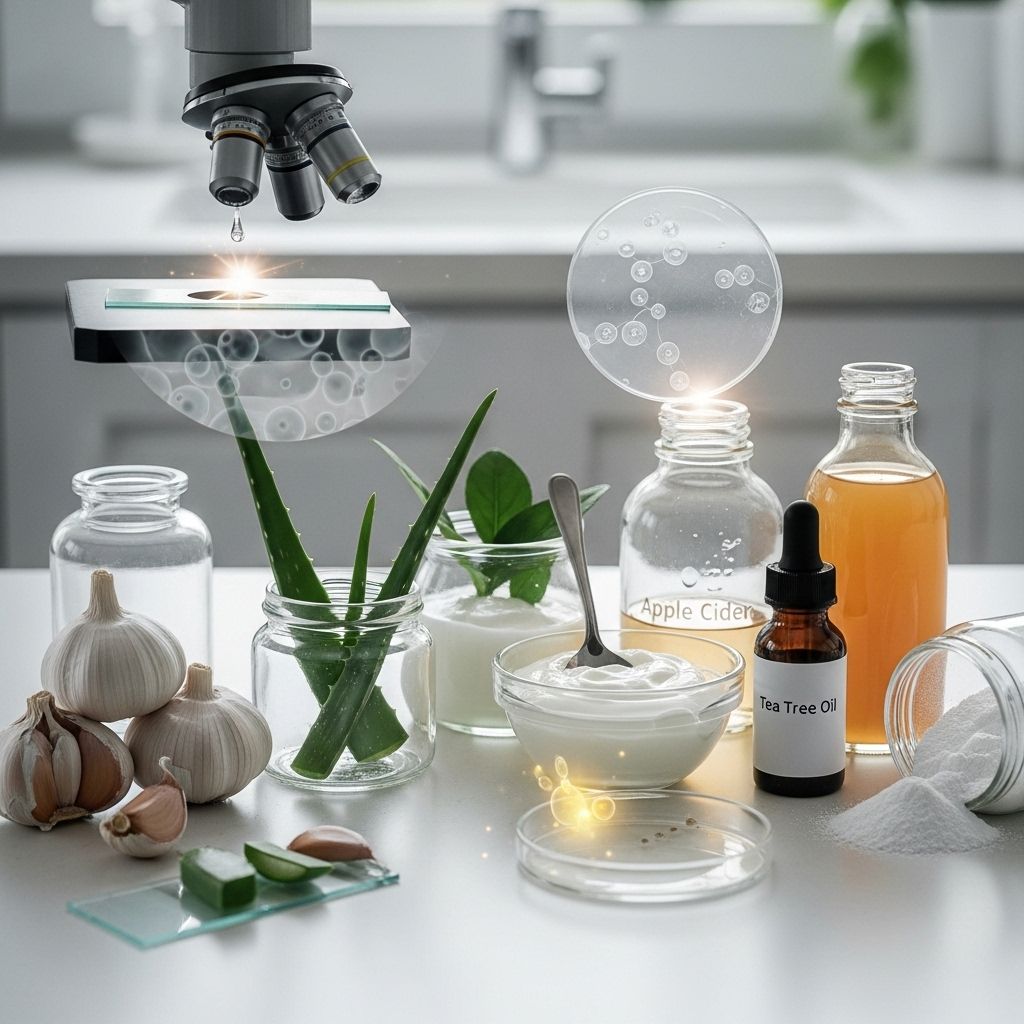
15 Effective Home Remedies For Oral Thrush
Oral thrush—also known as oral candidiasis—is a common fungal infection caused by the overgrowth of Candida albicans in the mouth. While antifungal medications remain the primary treatment, many effective home remedies can complement medical therapy, alleviate symptoms, and help prevent recurrence. This comprehensive guide discusses 15 natural home remedies for oral thrush, tips for prevention, causes, symptoms, and frequently asked questions.
What Is Oral Thrush?
Oral thrush is a yeast infection that develops in the mouth’s mucous membranes. This condition can affect anyone but is particularly common in infants, older adults, and people with weakened immune systems. It often manifests as white, creamy patches on the tongue, inner cheeks, gums, tonsils, and the roof of the mouth. These patches may cause discomfort or a burning sensation, and can occasionally bleed if scraped.
- Also known as: Oral candidiasis or oropharyngeal candidiasis
- Primary cause: Overgrowth of Candida albicans
- Common in: Babies, elderly, immunocompromised, denture wearers
Causes Of Oral Thrush
Oral thrush develops when the delicate balance between microorganisms in the mouth shifts in favor of fungal growth. Several risk factors can disrupt this balance:
- Weakened immune system (due to illness, medications, or medical conditions)
- Use of antibiotics or corticosteroids (topical, inhaled, or oral forms)
- Poor oral hygiene
- Diabetes or uncontrolled blood glucose
- Wearing dentures (especially if not cleaned properly)
- Dry mouth or conditions causing reduced saliva production
- Smoking or tobacco use
- Pregnancy and hormonal changes
Symptoms Of Oral Thrush
Symptoms range from subtle discomfort to pronounced irritation and pain. In babies, symptoms may not always be obvious, but fussiness during feeding is common.
- Creamy white or yellowish patches on the tongue, gums, inner cheeks, or roof of mouth
- Redness, soreness, or burning sensation in the mouth or throat
- Loss of taste or an unpleasant taste in the mouth
- Cracking and redness at the corners of the mouth (angular cheilitis)
- Pain while eating or swallowing in severe cases
- In infants: fussiness, difficulty feeding, white patches on gums or tongue
15 Natural Home Remedies For Oral Thrush
These home treatments can be used alongside prescribed antifungal medications or as preventive strategies. Always consult a healthcare provider for persistent or severe symptoms, especially in infants and immunocompromised individuals.
1. Saltwater Rinse
Salt is a traditional remedy with antiseptic, cleansing, and soothing properties. A saltwater rinse helps reduce fungal load and alleviates discomfort in the mouth.
- How to use: Dissolve 1/2 teaspoon of salt in 1 cup of warm water. Swish the solution in your mouth for 1–2 minutes, then spit it out. Repeat several times a day.
2. Baking Soda (Sodium Bicarbonate)
Baking soda exhibits antifungal and disinfectant attributes and can help control Candida growth.
- How to use: Mix 1/2 teaspoon of baking soda with 1 cup of warm water. Swish in the mouth and spit. Use 2–3 times daily for relief.
3. Yogurt And Probiotics
Adding plain, unsweetened yogurt or probiotic supplements may restore healthy bacteria in the mouth and gut, discouraging Candida‘s overgrowth.
- How to use: Eat 1–2 cups of probiotic-rich yogurt daily. Alternatively, take a pharmacist-recommended probiotic supplement.
4. Coconut Oil Pulling
Coconut oil contains lauric acid, which possesses antifungal properties. Oil pulling coats the mucous membranes, potentially reducing fungal organisms.
- How to use: Swish 1 tablespoon of organic coconut oil in your mouth for 10–15 minutes, then spit it out and rinse with warm water. Do not swallow.
5. Apple Cider Vinegar
Apple cider vinegar is rich in enzymes and compounds with antifungal activity. Research suggests it may inhibit Candida growth.
- How to use: Mix 1 teaspoon of apple cider vinegar in 1 cup of water. Swish in the mouth for a minute, then spit out. Avoid undiluted vinegar.
6. Warm Water And Lemon Juice
Lemon’s high vitamin C and acidic environment can help create conditions unfavorable for yeast. Though strong acids can damage enamel, a mild rinse may be beneficial.
- How to use: Squeeze half a lemon into a glass of warm water. Swish, gargle, and spit. Rinse with plain water after use.
7. Turmeric Golden Milk
Curcumin, turmeric’s main active compound, exhibits anti-inflammatory and antifungal effects, making it useful in managing oral thrush.
- How to use: Mix 1/2 teaspoon turmeric paste in 1 cup of warm milk or water. Add a pinch of black pepper for absorption. Swish and drink as tolerated.
8. Clove Oil
Clove oil’s eugenol provides potent antifungal and analgesic benefits. It may help relieve symptoms and complement conventional treatments.
- How to use: Add 1–2 drops of clove oil to 1 cup of water, swish, and spit. Alternatively, steep a teaspoon of cloves in boiling water, strain, cool, use as a rinse.
- Note: Use with caution—clove oil may cause a numb or allergic reaction in some people.
9. Oregano Oil
Oregano oil contains carvacrol and thymol, compounds recognized for their antifungal properties.
- How to use: Mix 1–2 drops of oregano oil in 1 tablespoon of coconut or olive oil. Swish in mouth and spit. Do not swallow undiluted oils.
10. Garlic
Allicin, a natural compound in garlic, shows antifungal and antimicrobial activity against Candida.
- How to use: Chew 1–2 raw garlic cloves per day, or add minced garlic to meals. Garlic supplements may also be considered under physician guidance.
11. Tea Tree Oil Mouthwash
Tea tree oil exhibits natural antifungal properties and has been included in some oral care products to tackle thrush.
- How to use: Add 2–3 drops of tea tree oil to a cup of water, mix, use as a mouth rinse, and spit. Do not swallow tea tree oil.
12. Gentian Violet
Gentian violet dye is a time-tested home antifungal agent. It is still used occasionally for infants and adults with persistent thrush (consult a doctor before use).
- How to use: Apply a small amount of gentian violet (0.5% solution) to affected areas inside the mouth once or twice daily for a few days.
13. Pau D’Arco Tea
Pau d’Arco, from the inner bark of South American trees, contains compounds that inhibit fungal growth.
- How to use: Brew pau d’arco tea as instructed on the label. Let cool before swishing in the mouth and swallowing or spitting out.
14. Cranberry Juice
Unsweetened cranberry juice, known for helping urinary tract health, also creates an acidic environment that inhibits yeast.
- How to use: Drink a small glass of pure unsweetened cranberry juice daily to reduce oral yeast buildup.
15. Good Oral Hygiene Practices
Basic oral hygiene remains the cornerstone of both treatment and prevention for oral thrush.
- Brush your teeth at least twice daily with a soft-bristled toothbrush
- Floss daily
- Rinse your mouth after using inhalers or other medications
- Scrape your tongue gently with a tongue scraper to remove residue
- If you wear dentures, disinfect and remove them overnight
- Avoid smoking and excessive alcohol
Table: Comparative Overview of Home Remedies
| Remedy | Main Action | How Often | Cautions |
|---|---|---|---|
| Saltwater | Antiseptic/Soothing | 2–4 times/day | Avoid if mouth sores are open/bleeding |
| Baking Soda | Antifungal/Alkalizes pH | 2–3 times/day | Do not swallow excess |
| Yogurt/Probiotics | Restores good bacteria | Daily | Use unsweetened only |
| Coconut Oil | Antifungal/Barrier | Once daily | Do not swallow after pulling |
| Apple Cider Vinegar | Antifungal | 1–2 times/day | Must dilute; avoid in mouth sores |
| Turmeric | Antifungal/Anti-inflammatory | Daily | Check for turmeric allergy |
| Clove Oil | Antifungal/Analgesic | 1–2 times/day | Numbing in sensitive users |
| Oregano Oil | Antifungal | Daily | Avoid in pregnancy, undiluted use |
Tips To Prevent Oral Thrush
- Practice daily oral hygiene: Brush, floss, rinse
- Clean and disinfect dentures daily
- Limit sugar and refined carbohydrate intake (yeast feeds on sugar)
- Stay hydrated to maintain healthy saliva flow
- Rinse mouth after using inhaled steroids or antibiotics
- Quit smoking and moderate alcohol use
- Visit your dentist regularly for check-ups and advice
When To See A Doctor
- If symptoms persist beyond 2 weeks, worsen, or interfere with swallowing or eating
- If thrush recurs frequently (could signal an underlying health issue)
- If you develop a fever with oral thrush
- In infants, when white patches don’t wipe away or feeding difficulty persists
- If you are immunocompromised or have other risk factors
Frequently Asked Questions (FAQs)
1. Can oral thrush go away on its own?
In mild cases, especially in healthy individuals, oral thrush can resolve on its own as oral flora returns to normal. However, antifungal medications and/or home remedies help speed recovery and reduce risk of complications, particularly for those with health concerns or persistent cases.
2. Are home remedies safe for infants and young children?
Many home remedies are not recommended for infants without pediatric guidance. For babies, maintain good hygiene (sterilizing bottles, pacifiers, and cleaning breastfeeding equipment), and consult a healthcare professional before attempting any treatments at home.
3. How long does it take to recover from oral thrush?
With proper treatment, most people recover within 1–2 weeks. Recurrence may occur if underlying causes (such as poor oral hygiene or uncontrolled diabetes) are not addressed.
4. Can diet help prevent or treat oral thrush?
Yes. Limiting sugary, processed, or yeast-containing foods can help prevent Candida overgrowth. Consuming probiotic-rich foods supports healthy oral and gut flora, which helps keep yeast growth in check.
5. What should I avoid while treating oral thrush?
- Sugary foods and drinks
- Alcohol and tobacco
- Highly acidic or spicy foods if your mouth is sore
- Self-medicating with undiluted essential oils
6. Can I use mouthwash during oral thrush?
Some mouthwashes can be too harsh and may worsen irritation. Opt for gentle, alcohol-free rinses or stick to remedies like saltwater or baking soda unless advised by your dentist or doctor.
Key Takeaways
- Oral thrush is a treatable and preventable yeast infection, commonly caused by Candida albicans.
- Natural home remedies—such as saltwater rinses, probiotics, coconut oil, and apple cider vinegar—can provide relief alongside conventional medical therapy.
- Maintaining good oral hygiene and addressing underlying causes are crucial for recovery and prevention.
- Persistent, severe, or recurrent cases should be evaluated by a healthcare provider.
Similar Articles







Read full bio of Sneha Tete