Home Remedies for Premature Ejaculation: Natural Solutions and Proven Techniques
Explore practical, natural remedies and lifestyle strategies to manage premature ejaculation and improve sexual confidence.
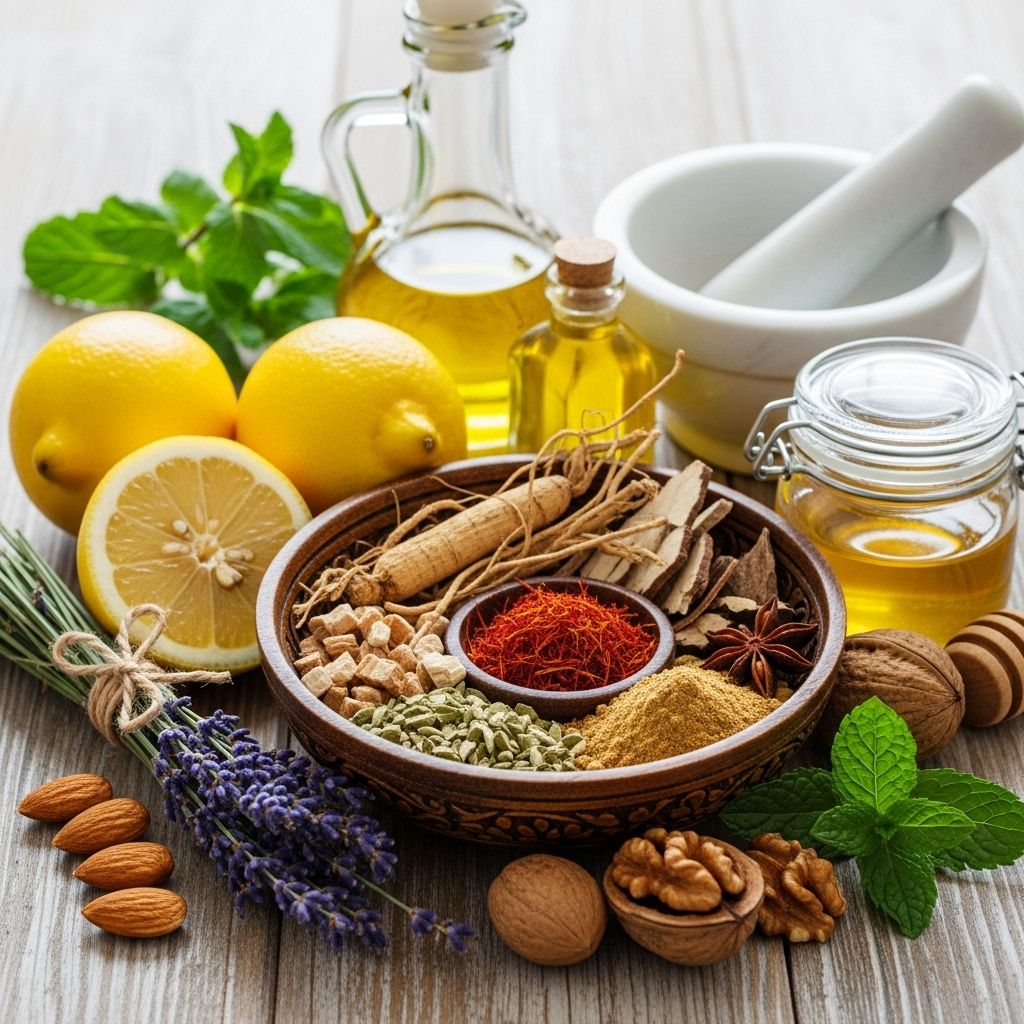
Home Remedies for Premature Ejaculation: Natural Strategies and Solutions
Premature ejaculation (PE) is a common and distressing sexual concern for many men worldwide. Characterized by ejaculation that occurs sooner than desired, PE can impact self-esteem, relationships, and quality of life. While medical treatments are available, many men seek natural home remedies and lifestyle modifications as a first step toward regaining control and confidence. This article explores the most effective home-based remedies, behavioral techniques, exercises, and advice for managing and overcoming premature ejaculation.
What is Premature Ejaculation?
Premature ejaculation is defined as ejaculation that occurs with minimal sexual stimulation, often before or shortly after penetration and earlier than the person or their partner wishes. Typically, ejaculation that happens within one minute of penetration is considered premature, though the exact time frame can vary. It is estimated that up to one in three men experience PE at some point during their lives.
Causes of Premature Ejaculation
The causes of PE are varied and often involve a combination of psychological, physical, and lifestyle factors:
- Psychological factors: Anxiety, stress, depression, and relationship issues can contribute significantly.
- Physical/medical factors: Hormone levels, inflammation or infection, neurological issues, and some chronic diseases.
- Medication side effects: Certain medicines can influence ejaculation timing.
- Lifestyle habits: Excessive alcohol use, lack of physical activity, and poor sleep.
Effective Home Remedies for Managing Premature Ejaculation
Many men benefit from practicing home-based strategies before considering prescription treatments. The following techniques have shown promise in improving ejaculation control:
Kegel Exercises (Pelvic Floor Muscle Strengthening)
Kegel exercises help strengthen the pelvic floor muscles, particularly the pubococcygeus (PC) muscles, which play a critical role in ejaculation control. Stronger pelvic muscles can improve stamina and delay climax.
- How to perform Kegels:
- Identify the PC muscles by stopping the flow of urine midstream—the muscles you contract are your target.
- Sit or lie down comfortably. Contract the pelvic floor muscles for 3–5 seconds, then relax for 3–5 seconds.
- Repeat for 10 reps, 3–4 times per day.
- Gradually increase the duration and intensity as your muscles get stronger.
Kegel exercises can be performed almost anywhere and become more effective with consistent daily practice. Studies and clinical experience suggest improvements in ejaculation control and sexual function within a few weeks or months for dedicated practitioners.
Behavioral Techniques to Delay Ejaculation
- The Start-Stop Technique
- Stimulate the penis until you feel nearly ready to ejaculate.
- Stop stimulation entirely and wait for the sensation to subside.
- Repeat 3–4 times before allowing ejaculation on the final round.
- The Squeeze Technique
- When ejaculation feels imminent, use your thumb and fingers to squeeze the head of the penis firmly for 10–20 seconds until the urge passes.
- Can be done by you or your partner, and repeated as needed during sex.
- Both techniques help retrain orgasmic responses and promote greater self-control.
Masturbation as a Preparatory Technique
Masturbating 1–2 hours before sexual intercourse can reduce sensitivity and prolong duration during partnered sex. This method works best for some men, especially when coupled with other behavioral exercises.
Use of Condoms and Desensitizing Products
- Thicker condoms help dull sensation and can increase time to climax.
- Certain condoms are coated with numbing agents (like benzocaine) to further decrease stimulation.
- Topical anesthetic creams or sprays (commonly containing lidocaine or prilocaine) can be applied before sex to temporarily numb the penis. Be sure to wash off before intercourse to avoid affecting your partner’s sensation.
Lifestyle Modifications and Stress Reduction
- Regular exercise, including yoga and aerobic activities, supports overall health and reduces anxiety.
- Prioritize sleep and relaxation to minimize psychological stressors that can contribute to PE.
- Practice mindfulness or meditation to build relaxation and body awareness, both crucial for sexual self-control.
Communication and Relationship Strategies
- Open and honest communication with your partner can reduce performance anxiety.
- Try to view sexual activity as a shared enjoyable experience rather than a performance test.
- Consider couples counseling or sex therapy if relationship dynamics contribute to anxiety or premature ejaculation.
Nutritional and Herbal Approaches
Certain nutrients and supplements, while not a cure, may support sexual stamina and health:
- Zinc: Important for hormone production and reproductive health. Foods rich in zinc include nuts, seeds, and lean meats.
- Magnesium: Found in spinach, nuts, and whole grains, magnesium supports muscle function and may alleviate stress-related symptoms.
- Ayurvedic remedies: Traditional Indian medicine sometimes employs herbal supplements, yoga, and dietary modifications for sexual health. Limited scientific evidence is available for most of these approaches, so consult a doctor before use.
Additional Behavioral Tips and Strategies
- Try new sexual positions: Positions in which the male partner is less stimulated can sometimes help delay climax.
- Focus on your partner: Shifting focus to your partner’s pleasure, and pausing or changing rhythm when you’re close to climax, can help prolong intercourse.
- Deep breathing exercises: Take deep, slow breaths to suppress the ejaculatory reflex during sex.
- Think about something else: Distracting thoughts can sometimes help reduce arousal just enough to delay ejaculation, but be cautious as this may detract from intimacy if overused.
When to Seek Medical Advice
While home remedies and behavioral strategies can help many men, it’s important to recognize when professional help is needed:
- Persistent PE that does not improve with self-help techniques.
- Significant emotional distress or relationship strain resulting from PE.
- Possible underlying medical conditions contributing to PE symptoms.
Professional evaluation by a doctor or sexual health professional can help rule out underlying conditions and provide access to additional treatments, such as prescription medications or structured therapy.
The Role of Professional Therapy and Couples Counseling
Counseling or sex therapy may be particularly useful for men whose PE is rooted in psychological or relationship issues. Therapeutic approaches can target anxiety, communication skills, and unhelpful beliefs around sex and performance.
- Individual therapy: Addresses anxiety, self-esteem, and sexual self-awareness.
- Couples therapy: Improves partnership communication, reduces mutual distress, and fosters intimacy.
- Sex therapy: Offers tailored behavioral interventions and emotional support.
Table: Quick Reference to Home Remedies for Premature Ejaculation
| Remedy | Description | Main Benefit | How to Use |
|---|---|---|---|
| Kegel Exercises | Strengthening pelvic floor muscles | Improved control over ejaculation | Contract and relax pelvic muscles 3–4 times a day |
| Start-Stop Technique | Repeated cycles of arousal and rest | Retrains orgasmic threshold | Pause stimulation before climax, repeat several times |
| Squeeze Technique | Squeezing the penis to reduce urge | Delays ejaculation reflex | Firm squeeze at the head/base of penis until urge passes |
| Condoms/Desensitizing Products | Numbing creams or thicker condoms | Reduced sensitivity | Apply before sex according to product instructions |
| Masturbation Before Sex | Ejaculate prior to intercourse | Reduces arousal during partnered sex | Masturbate 1–2 hours before sexual activity |
Frequently Asked Questions (FAQs)
Q: Can lifestyle changes really make a difference with premature ejaculation?
A: Yes. Regular exercise, improved communication with your partner, better sleep, and stress management are proven to make a positive impact on PE symptoms by addressing both psychological and physical contributors.
Q: Are there any risks with using numbing creams or sprays?
A: When used as directed, these products are generally safe. However, be sure to wash off before intercourse to avoid numbing your partner, and do not use them excessively. Rarely, some individuals may experience irritation or allergic reactions.
Q: How long should it take to see results from Kegel exercises?
A: Improvements can start to appear in as little as a few weeks, but substantial benefits may take 1–3 months of regular practice.
Q: When should I consult a doctor about premature ejaculation?
A: If PE is persistent, causing emotional distress, or not improving with home strategies, seek professional assessment to rule out underlying health issues and receive tailored advice.
Q: Are natural supplements or herbal remedies effective for PE?
A: Evidence for most herbs and supplements is limited or inconclusive. Focus on established exercises and behavioral techniques, and consult a healthcare provider before beginning any new supplement.
Key Takeaways
- Premature ejaculation is common and manageable, often improving with consistent home-based strategies and proper communication.
- Exercises like Kegels, start-stop, and squeeze techniques can increase sexual stamina and confidence.
- Stress reduction, relationship support, and professional counseling may address deeper causes and improve long-term outcomes.
- Consult a healthcare professional if home remedies are not effective or if PE significantly impacts your well-being or relationship.
Similar Articles








Read full bio of medha deb