11 Proven Home Remedies for Psoriasis Relief
Explore scientifically supported home remedies to relieve psoriasis symptoms, improve skin comfort, and support your treatment plan naturally.
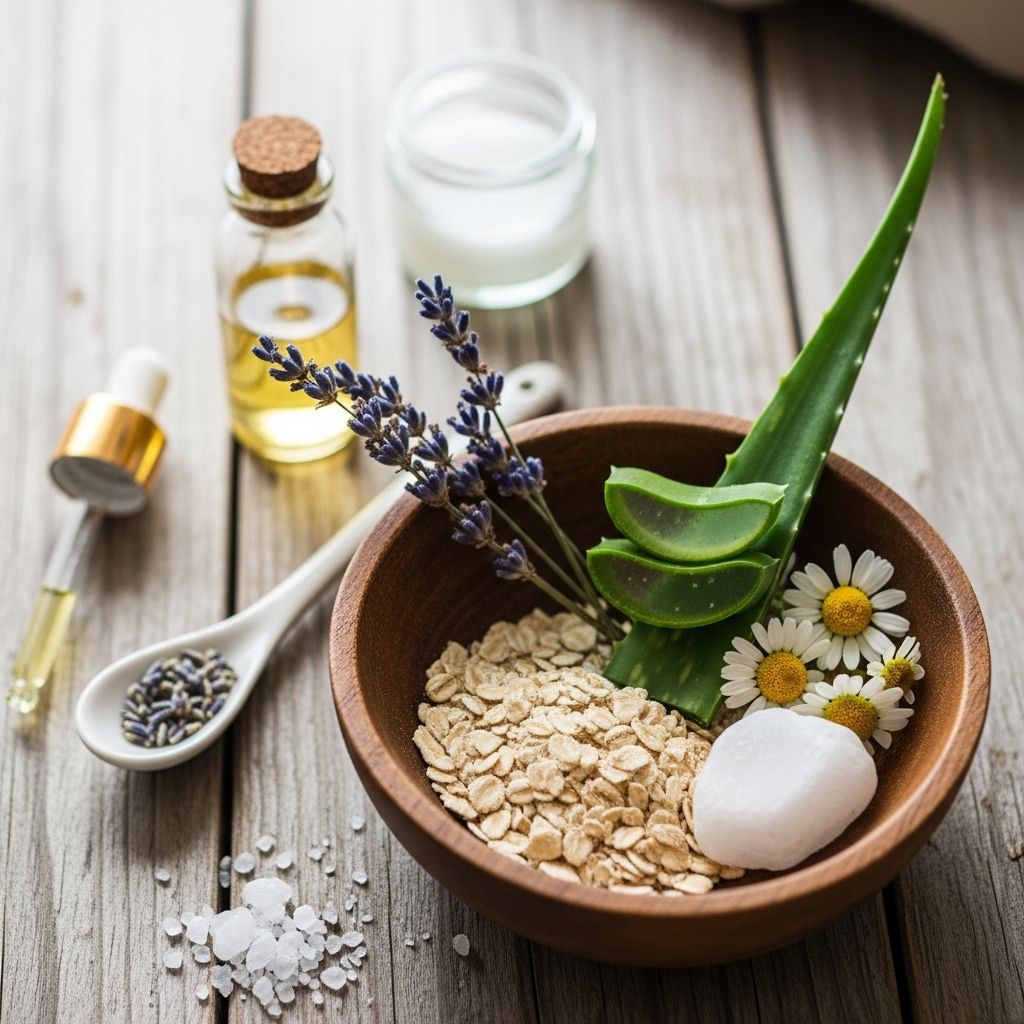
Psoriasis is a chronic autoimmune condition that leaves skin inflamed, scaly, and uncomfortable. While prescription treatments and dermatologist care are crucial for many, several home remedies can also help relieve symptoms and support overall skin health. This guide breaks down 11 evidence-supported strategies you can incorporate into your daily routine for better skin comfort and a higher quality of life.
Understanding Psoriasis and Home Remedies
Psoriasis leads to itchy, scaly patches called plaques, most commonly on the elbows, knees, scalp, and sometimes even the nails and joints. While no home remedy can fully cure psoriasis, many of these methods can help manage discomfort, reduce flares, and complement medical treatments. It’s essential to talk to your healthcare provider before starting any new home intervention, especially if you have moderate to severe symptoms or are using prescribed medications.
1. Warm Baths for Soothing Relief
A warm (not hot) bath can soothe itching, irritation, and scaling. Adding specific ingredients enhances the skin-calming effect:
- Epsom salt
- Colloidal oatmeal
- Mineral oil
- Olive oil
Key bathing tips:
- Limit showers to 5 minutes and baths to 15 minutes.
- Use warm, not hot, water.
- Choose moisturizing, fragrance-free soaps.
- Pat skin dry gently—avoid rubbing.
- Apply moisturizer immediately after bathing, while the skin is damp, to lock in hydration.
2. Oatmeal or Epsom Salt Baths
Colloidal oatmeal—finely ground oats—can be added to bathwater or used as a paste for direct skin application. Oatmeal’s anti-inflammatory and soothing properties help reduce itching and irritation. Epsom or Dead Sea salts are commonly used to exfoliate and relieve discomfort, but should always be followed by a gentle moisturizer to prevent dryness.
Instructions:
- Add 1-2 cups of colloidal oatmeal or salts to lukewarm bathwater.
- Soak for up to 15 minutes.
- Moisturize immediately afterward.
3. Aloe Vera for Moisture and Healing
The aloe vera plant contains natural skin-soothing compounds. When applied topically as a gel or in over-the-counter creams, aloe vera can help reduce:
- Itching
- Scaling
- Discoloration
- Inflammation
Clinical studies suggest that creams containing up to 0.5% aloe vera can relieve symptoms for some people, especially when used three times a day.
4. Omega-3 Fatty Acids: Fighting Inflammation
Omega-3 fatty acids are renowned for their anti-inflammatory effects. Psoriasis, at its core, is an inflammatory disease—so eating more foods rich in these healthy fats may provide relief. Key sources include:
- Fatty fish (salmon, sardines, mackerel)
- Flaxseed oil
- Walnuts and other nuts
- Chia seeds
- Soy products
Some people take fish oil supplements, but research is mixed on their direct effect on psoriasis symptoms. Supplementing should be discussed with a physician, especially if you have health conditions or are taking other medications.
5. Turmeric: Ancient Spice, Modern Science
Turmeric is a yellow spice with notable anti-inflammatory properties. Its primary ingredient, curcumin, inhibits molecules implicated in psoriasis flare-ups. Research suggests that turmeric, when ingested or sometimes used topically, may help:
- Soothe inflammation
- Reduce redness
- Suppress immune triggers
You can take turmeric via capsules, powder, or incorporate it into your diet. Combining black pepper (piperine) helps your body absorb curcumin more efficiently.
6. Oregon Grape (Mahonia aquifolium)
Oregon grape is a plant extract with anti-inflammatory and antimicrobial benefits. Available in topical creams and ointments, it’s sometimes recommended for mild-to-moderate plaque psoriasis. Research suggests it may improve:
- Redness
- Scaling
- Lesion thickness
Always do a patch test before applying new botanicals and consult with a professional, especially for severe symptoms.
7. Weight Management and Diet
There’s increasing evidence that maintaining a healthy weight can improve psoriasis outcomes. Obesity is linked to more severe symptoms and reduced effectiveness of some medications.
Diet recommendations:
- Eat more anti-inflammatory foods: fruits, vegetables, fatty fish, nuts, and seeds.
- Avoid known triggers such as processed foods, sugar, and excess alcohol.
- Explore gluten-free or low-FODMAP diets with your physician if you suspect food sensitivities.
8. Use a Humidifier
Indoor air dryness—common in winter or with air conditioning—can make skin symptoms worse. Using a humidifier helps maintain optimal air moisture, which:
- Prevents skin from cracking and drying out
- Supports the barrier function of your skin
- May reduce flares from external triggers
Choose a device appropriate for your room size and clean it regularly to prevent mold and bacteria buildup.
9. Stress Relief: Mind-Body Wellness
Stress is a well-known trigger for psoriasis flares. Finding strategies to manage stress not only supports your mental health but can also improve skin resilience. Practical methods include:
- Yoga and deep breathing
- Meditation
- Cognitive behavioral therapy
- Regular exercise
- Spending time in nature
Tracking your symptoms during periods of high stress may reveal patterns. Seek support if stress becomes overwhelming.
10. Moisturizers: Your Daily Skin Savior
Consistent use of fragrance-free, heavy-duty moisturizers is one of the most effective at-home steps. Good moisturizers:
- Reduce itching, scaling, and redness
- Reinforce the skin barrier
- Improve the cosmetic appearance of plaques
Look for creams or ointments (rather than lotions) containing ingredients such as ceramides, petroleum jelly, or natural oils. Apply at least twice a day, and always after bathing.
11. Apple Cider Vinegar (ACV) for Itchy Scalps
Apple cider vinegar (ACV) has antimicrobial properties and is a popular folk remedy for itchy scalp psoriasis. To use safely:
- Mix equal parts ACV with water.
- Apply to the scalp with a cotton ball several times a week.
- Rinse thoroughly after use to avoid irritation.
Note: Do not use ACV on cracked, bleeding, or broken skin. There is limited scientific evidence for ACV in psoriasis, and it may aggravate very sensitive skin.
Using Home Remedies Safely
Although many home remedies are safe for mild to moderate symptoms, it’s vital to:
- Patch test new products on a small skin area before broad use.
- Consult your healthcare provider, especially if you have severe symptoms, are pregnant, or are taking other medications.
- Continue your prescribed treatment plan as directed—home remedies are meant to supplement, not replace expert care.
- Monitor for any irritation or allergic reaction; stop use if they occur.
Comparison Table: Common Home Remedies
| Remedy | Main Effect | How to Use | Cautions |
|---|---|---|---|
| Warm Bath | Soothes, softens plaques | Daily, gently pat dry, moisturize after | Use warm, not hot, water |
| Oatmeal | Reduces itch/inflammation | Add to bath or use as a paste | Use unscented, finely ground oatmeal |
| Aloe Vera | Reduces scaling, itching | Apply gel or cream directly | Patch test first |
| Omega-3s | Anti-inflammatory | Eat rich foods or take supplements | Consult doctor if on medication |
| Turmeric | Reduces inflammation | Take orally, use in food | Combine with black pepper for absorption |
| Apple Cider Vinegar | Relieves itching (scalp) | Dilute and apply to scalp | Do not use on cracked skin |
| Moisturizers | Locks hydration, soothes | Apply multiple times daily | Choose fragrance-free products |
Frequently Asked Questions (FAQs)
Q: Can home remedies cure psoriasis?
No, home remedies cannot cure psoriasis. They aim to relieve symptoms, manage discomfort, and reduce flare-ups. Medical treatments may still be required for moderate to severe cases or when symptoms do not improve.
Q: Are these remedies safe for everyone?
While many home remedies are safe for mild symptoms, people with sensitive skin, allergies, or significant medical conditions should consult a healthcare provider before use. Avoid using remedies on cracked or bleeding skin, and patch-test new products.
Q: How long does it take to see results?
Response times vary. Some notice immediate relief of itch and discomfort, while for skin improvement, visible changes may take several days or weeks of consistent use. Moisturizing and diet changes often require ongoing commitment for best results.
Q: Can home remedies replace prescription medications?
No. Home remedies are meant to supplement prescribed treatments and help manage mild symptoms or flares. Do not discontinue prescribed medications without consulting your doctor.
Q: Which remedy works best?
There is no universal “best” remedy for psoriasis. Individual response varies—what works for one person may not work for another. Try several options to see which provides the most relief for your unique symptoms.
Conclusion
While there’s no cure for psoriasis, consistent use of the home remedies outlined above can help relieve symptoms, support the skin’s natural barrier, and improve your overall comfort. The most effective approach is often a tailored routine that combines medical guidance, healthy lifestyle choices, and these proven at-home strategies.
For best results, always partner with your healthcare provider and document which remedies offer you the greatest relief in your own skin journey.
Similar Articles






Read full bio of Sneha Tete