5 Effective Home Remedies for Soothing Skin Rashes
Discover gentle, safe, and proven home remedies to relieve discomfort, itching, and irritation from common skin rashes using natural solutions.
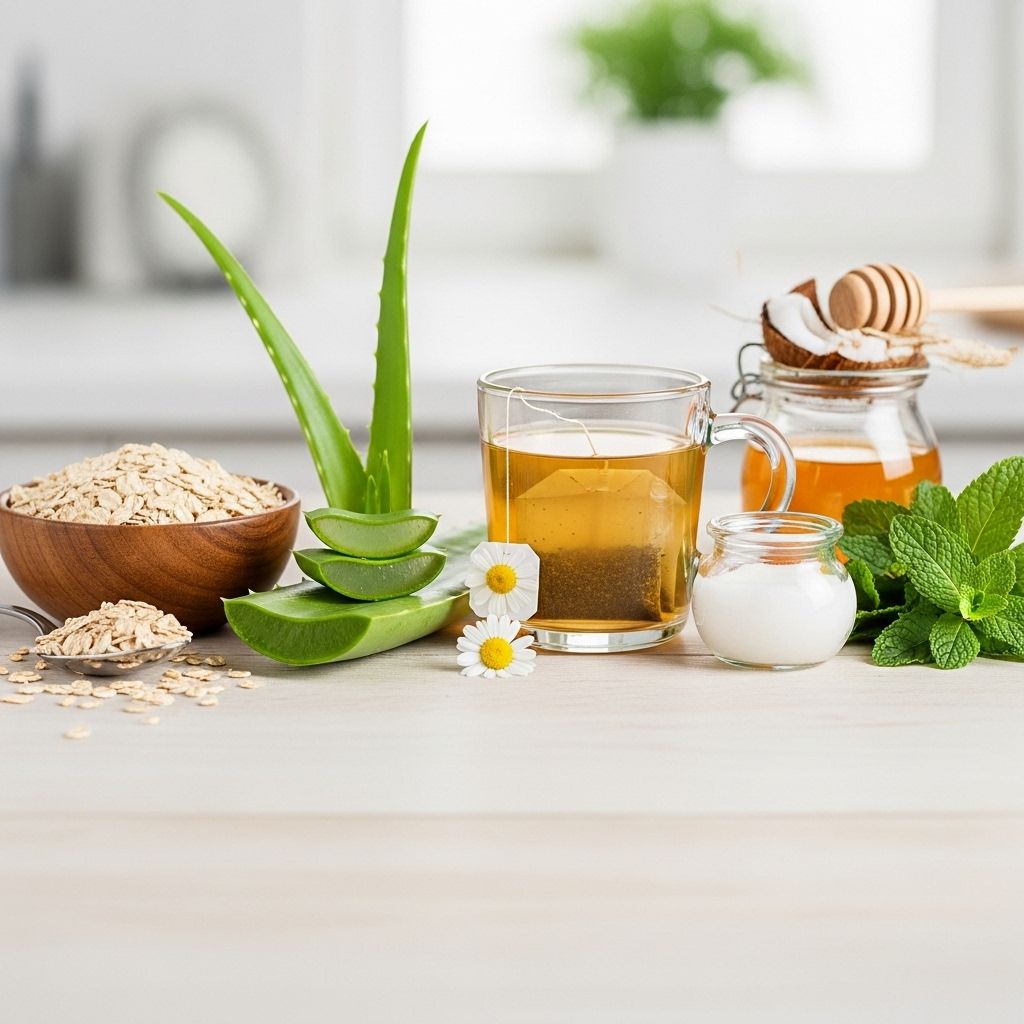
Skin rashes are a common dermatological complaint, causing discomfort, irritation, and unsightly patches. Whether triggered by allergic reactions, environmental irritants, heat, or underlying conditions, a rash can disrupt daily routines and impact overall well-being. Fortunately, several home remedies offer natural and effective ways to relieve itching, reduce inflammation, and promote healing—often minimizing the need for medicated creams or prescriptions. This guide covers five researched and trusted home remedies for skin rashes, explanations of how they work, tips for safe use, and frequently asked questions.
Understanding Skin Rashes: Causes and Symptoms
A skin rash is a noticeable change in the color, texture, or appearance of the skin, frequently accompanied by itching, swelling, and even pain. While rashes vary widely in form and severity, common causes include:
- Allergic reactions to plants (like poison ivy), foods, or medications
- Contact with irritants (soaps, detergents, chemicals)
- Heat, perspiration, or friction
- Underlying conditions (eczema, psoriasis, hives)
- Infections (fungal, bacterial, or viral)
Typical symptoms are redness, small bumps or blisters, localized swelling, and persistent itch. While most rashes resolve without medical intervention, severe cases or those involving systemic symptoms warrant professional attention.
1. Cool Compresses: Quick Relief from Inflammation and Itch
Applying a cool compress to the affected area is one of the simplest and most effective initial responses to a rash. Cold temperatures numb local nerve endings, minimize swelling, and offer rapid relief from itching and discomfort.
- How to Use: Wrap a few ice cubes or an ice pack in a clean, soft cloth (never apply ice directly). Place the compress on the rash for 10–15 minutes.
- Repeat as needed, especially after contact with an irritant or when itching is intense.
- Alternatively, soak the skin in cool (not ice-cold) water or take a cool bath if the rash covers large areas.
This approach is particularly helpful for hives, allergic rashes, and heat-induced irritation. It also reduces the urge to scratch, which is essential to prevent secondary infection and delayed healing.
2. Oatmeal Baths: Calming and Soothing Irritated Skin
Colloidal oatmeal—finely ground oatmeal suspended in water—has well-researched anti-inflammatory and skin-calming effects. It soothes irritation, relieves itch, and restores the skin’s natural barrier. Oatmeal baths are commonly used for eczema, poison oak/ivy contact, sunburn, and allergic rashes.
- How to Use:
- Add 1–2 cups of colloidal oatmeal to a lukewarm bath; soak the affected skin for 15–20 minutes.
- Pat the skin dry with a soft towel—avoid rubbing, as friction may worsen inflammation.
- Apply a fragrance-free moisturizer immediately after the bath.
You can purchase colloidal oatmeal bath powders or make your own by blending plain, unflavored oats to a fine flour. Regular soaks provide ongoing relief for chronic or stubborn rashes.
3. Aloe Vera: Nature’s Skin Soother
Aloe vera is renowned for its natural anti-inflammatory and moisturizing properties. The gel from its leaves is used topically to relieve various skin conditions, especially rashes from sunburn, heat, or allergic reactions.
- Benefits: Aloe vera hydrates the skin, reduces redness, speeds up wound healing, and cools inflamed tissue.
- How to Use:
- Extract fresh gel from an aloe vera leaf or use a commercial pure aloe gel product (free from additives and dyes).
- Apply a thin layer gently to the rash twice daily.
- Allow to air dry before putting on clothing or applying other creams.
Tip: For best results, store aloe vera gel in the refrigerator before use for extra cooling. Avoid products with alcohol or synthetic scents, which can sometimes worsen irritation.
4. Coconut Oil: Moisturizer and Protective Barrier
Coconut oil is widely recognized for its emollient and antimicrobial properties, making it a gentle and effective topical remedy for many dry, itchy rashes. It forms a protective, moisturizing barrier on the skin, reducing dryness and secondary infections, particularly in cases of atopic dermatitis (eczema).
- Opt for virgin, cold-pressed coconut oil for maximum purity and effectiveness.
- How to Use: After gently cleansing and drying the skin, apply a thin layer of coconut oil to the affected area 2–3 times daily.
- Perform a patch test first if you have never used coconut oil, as rare allergic reactions can occur.
- If irritation worsens, discontinue use immediately.
Coconut oil may also reduce the risk of bacterial or fungal superinfection due to its natural lauric acid content.
5. Tea Tree Oil: Antiseptic and Anti-inflammatory Support
Tea tree oil is a well-known essential oil used topically for its antiseptic, anti-inflammatory, and soothing properties. It is commonly applied for rashes associated with irritation, insect bites, mild allergic reactions, and fungal infections (such as athlete’s foot).
- How to Use: Always dilute tea tree oil with a carrier oil (such as coconut, olive, or almond oil); typical dilution is 1–2 drops of tea tree essential oil per tablespoon of carrier oil.
- Apply the diluted mixture sparingly to the rash using a cotton swab 1–2 times daily.
- Do not use tea tree oil on broken skin or near eyes, nose, or mouth.
- Discontinue immediately if burning or severe redness develops.
Tea tree oil’s primary benefit lies in its ability to combat microbial agents and reduce inflammation, which can help resolve mild rashes.
Additional Natural Remedies for Rashes
In addition to the five primary home remedies above, several other options may provide relief:
- Baking Soda: Acts as a buffer, balancing skin pH. Add 1–2 cups to bathwater or apply a baking soda paste for quick relief.
- Apple Cider Vinegar: Mix equal parts vinegar and water; apply briefly with a cotton ball to lessen itch (caution: avoid open sores).
- Epsom Salt Bath: Dissolve 1–2 cups of Epsom salt in bathwater and soak for 15 minutes to reduce inflammation.
- Colloidal Silver or Calamine Lotion: These OTC topicals can ease itching and protect against infection.
- Neem Paste: Neem’s natural antifungal and antibacterial effects may be beneficial for certain rashes.
Always consider allergies or sensitivities before trying new remedies, and consult your healthcare provider for persistent, spreading, or infected rashes.
Best Practices and Precautions for Treating Skin Rashes at Home
- Identify and avoid potential triggers, including soaps, detergents, fabrics, and known allergens.
- Keep nails trimmed to avoid breaking the skin through scratching, which increases risk of infection.
- Avoid exposing the rash to direct sunlight until healed.
- Moisturize the skin immediately after bathing with fragrance-free, gentle lotions.
- Monitor for signs of worsening, including spreading redness, pain, pus, fever, or swelling.
- If necessary, protect with loose coverings or dressings to avoid friction and contamination.
Discontinue any remedy that causes increased redness, burning, or discomfort, and seek medical evaluation if there is no improvement after a few days.
When to See a Doctor
- The rash covers a large area or is accompanied by fever, pain, difficulty breathing, or blisters.
- You suspect a severe allergic reaction (anaphylaxis).
- There are signs of infection: oozing, yellow crusts, or red streaks.
- Over-the-counter and home remedies bring no relief.
Table: Home Remedies for Skin Rashes – Summary and Safe Use
| Remedy | Main Effects | How to Use | Key Precautions |
|---|---|---|---|
| Cool Compress | Reduces swelling, calms itching | Apply wrapped ice/cloth for 10-15 mins; repeat as needed | Do not use ice directly on bare skin |
| Oatmeal Bath | Soothes irritation, hydrates | Add colloidal oatmeal to lukewarm bath, soak 15–20 mins | Pat dry gently, avoid scented products |
| Aloe Vera | Cools, reduces redness and inflammation | Apply fresh or store-bought pure gel 2x/day | Patch test for allergy; avoid creams with alcohol |
| Coconut Oil | Moisturizes, forms barrier | Smooth onto clean, dry skin 2–3x/day | Discontinue if irritation develops |
| Tea Tree Oil | Antimicrobial, anti-inflammatory | Dilute in carrier oil; apply with cotton swab | Never use undiluted; avoid eyes/mucous membranes |
Frequently Asked Questions (FAQs)
Q: Are there any rashes that should not be treated at home?
A: Yes. Rashes with spreading redness, pus, blisters, fever, systemic symptoms, or those rapidly worsening should never be managed at home exclusively. Promptly seek professional care for suspected infections, severe allergic reactions, or rash in infants and children.
Q: How can I tell the difference between an allergic rash and an infectious rash?
A: Allergic rashes generally appear quickly after exposure to a trigger, often accompanied by itching and hives without fever. Infectious rashes may develop more gradually, involve oozing or open sores, and are often associated with other symptoms like pain or fever.
Q: Can moisturizers alone treat mild rashes?
A: Non-irritating, fragrance-free moisturizers can help reduce itchiness, restore skin barrier, and prevent dryness in mild rashes. Yet, other remedies may be necessary if itching or inflammation is significant.
Q: Is it safe to use over-the-counter hydrocortisone alongside home remedies?
A: Hydrocortisone 1% cream can be used for short periods on most non-infected rashes, but avoid combining multiple new products at once to prevent irritation. Always read and follow the instructions, and avoid using on broken skin or near eyes.
Q: How soon should I expect improvement from these remedies?
A: Many people notice reduced itching and redness within a few hours to days. If there’s no clear improvement in 2–3 days, or symptoms worsen, consult a healthcare provider.
Final Thoughts on Home Rash Remedies
Most skin rashes improve with simple, evidence-based home remedies and avoidance of triggers. While these treatments offer symptomatic relief, it’s crucial to monitor for signs of worsening or infection. With proper care and gentle support, the vast majority of everyday rashes can heal quickly—allowing the skin to regain comfort, resilience, and lasting health.
Similar Articles







Read full bio of Sneha Tete