Effective Home Remedies for Stomach Ulcers: Science-Backed Relief
Discover natural strategies and science-backed remedies to help relieve pain and speed up healing from stomach ulcers.
Understanding Stomach Ulcers: Causes, Symptoms, and Risks
Stomach ulcers, also known as gastric ulcers or peptic ulcers, are open sores that develop on the stomach lining or in the upper part of the small intestine. They are caused primarily by Helicobacter pylori (H. pylori) infection or long-term use of nonsteroidal anti-inflammatory drugs (NSAIDs) like ibuprofen or aspirin.
Symptoms can range from a dull, burning stomach pain to bloating, nausea, vomiting, and poor appetite. If left untreated, ulcers can lead to serious complications, including internal bleeding, perforation, and increased risk of stomach cancer.
Home Remedies for Stomach Ulcer Relief
Alongside medical treatment, certain home remedies and lifestyle modifications have demonstrated benefits for relieving symptoms and promoting healing in individuals with stomach ulcers.
1. Hot Compress Application for Pain Relief
- Warm Water Compress: Soak a highly absorbent towel in warm water, squeeze out excess water, and apply it gently to the painful abdominal area. Repeat 2–3 times for each application.
- Salt Compress: Heat salt in a pan, wrap in a towel, and apply gently to the abdomen. Repeat as needed to alleviate pain.
- This method boosts blood circulation and is a fast, inexpensive way to relieve discomfort without medication. Caution: Avoid excessive heat to prevent burns.
2. Gentle Abdominal Massage
- Massage the abdomen in a slow, clockwise direction using your hand; warming your hands beforehand may improve comfort.
- Essential oils (eucalyptus, cinnamon) can add anti-inflammatory and pain-relieving effects.
- Massage may help ease symptoms such as pain, bloating, nausea, and heartburn, often providing relief within minutes.
3. The Role of Nutrition: Foods That Accelerate Healing
Optimal nutrition is key in not only preventing irritation, but also aiding ulcer healing. Focus on foods that soothe the digestive tract, are rich in protective antioxidants, and enhance the mucosal barrier.
A. Probiotic Foods
- Yogurt, fermented vegetables, and probiotic supplements help restore healthy gut flora and indirectly inhibit the growth of H. pylori.
- Probiotics can improve healing rates, reduce recurrence, and decrease unpleasant ulcer symptoms.
B. Fruits Rich in Flavonoids
- Cherries, apples, blueberries, and plantains are rich in antioxidants (flavonoids) that increase mucus in the stomach lining and help prevent H. pylori growth.
C. Honey
- Honey has antibacterial and wound-healing properties, making it effective for soothing and promoting healing of ulcers.
- Mixing honey with turmeric or banana peel powder enhances the healing effect.
D. Cabbage Juice
- Fresh cabbage is rich in vitamin C and lactic acid, both of which accelerate healing and protect the stomach lining.
- Several studies have shown that drinking approximately one quart of cabbage juice daily can heal ulcers 3–6 times faster than conventional methods.
- Prepare by juicing washed fresh cabbage and consuming before meals for several days.
E. Turmeric
- Turmeric’s curcumin content gives it strong anti-inflammatory and antioxidant properties, both of which are valuable in healing ulcers and reducing gastric acid production.
- Mix turmeric powder with warm water and honey for best results.
F. Bananas
- Bananas stimulate cell development in the stomach lining and contain antimicrobial compounds that inhibit H. pylori.
- Consuming 2–3 bananas daily or making a mixture of banana peel powder and honey can be beneficial.
G. Perilla Leaves
- Rich in tannin and glycoside compounds, perilla leaves reduce stomach acid and help in ulcer healing.
- Boil leaves in water, let cool, and drink as tea.
H. Coconut Water and Milk
- Coconut water and milk are known for their anti-microbial properties and can soothe ulcers, especially those induced by medications.
- Include fresh coconut products in your diet or take a spoonful of coconut oil daily to aid digestion and symptom relief.
4. Herbal Remedies and Supplements
A. Garlic
- Garlic contains sulfur compounds with antioxidant and antimicrobial effects, including inhibition of H. pylori.
- Include 2–3 cloves of garlic in daily meals for protective and healing benefits.
B. Licorice Root
- Licorice root’s glycyrrhizin and glycyrrhetinic acid both inhibit H. pylori and enhance stomach mucus production, shielding the lining from acid.
- Mix licorice root powder in water, add honey, and drink daily.
- Warning: People with high blood pressure should avoid licorice root, as it may raise blood pressure levels.
C. Aloe Vera
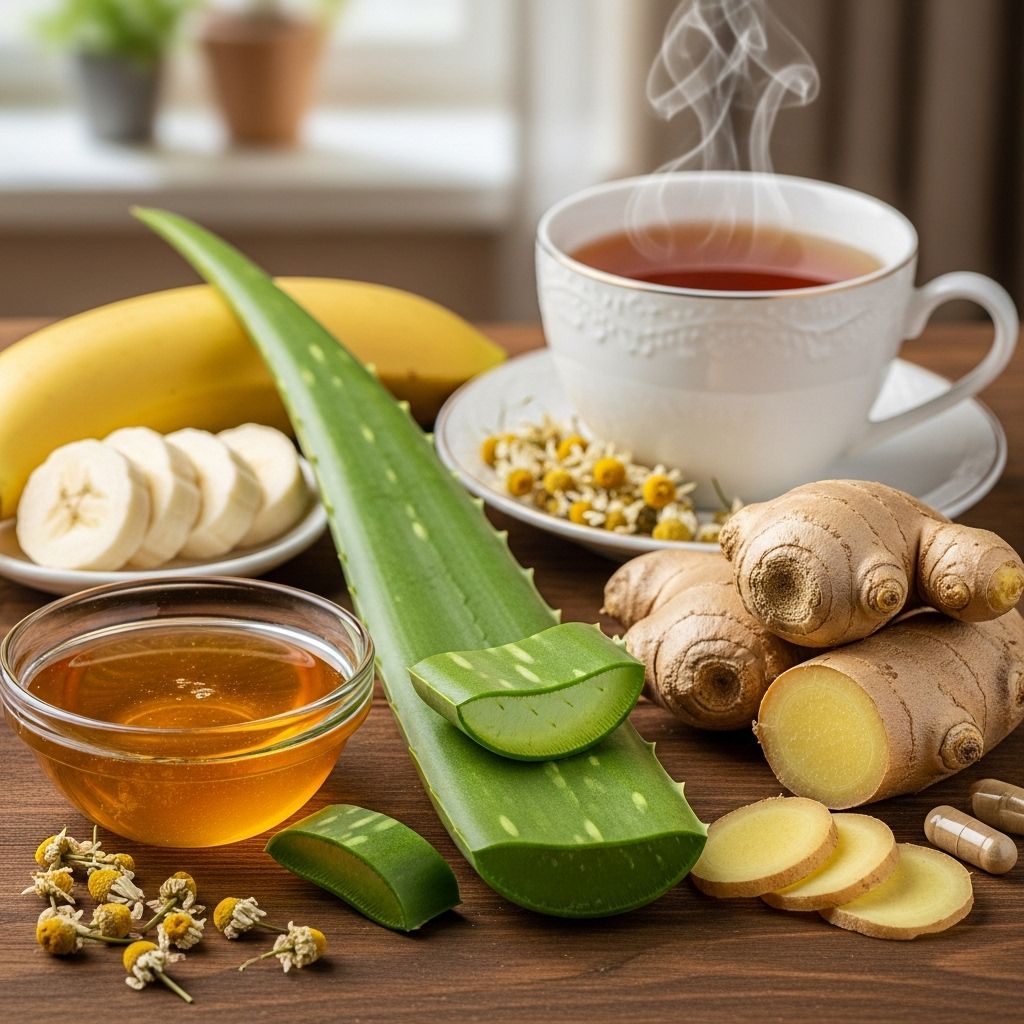
- Aloe vera juice is noted for relieving constipation, reducing stomach acid, and expediting ulcer healing.
- Extract and drink juice from freshly washed aloe vera flesh 2–3 times daily for 2–3 weeks.
D. Chamomile Tea
- Chamomile is soothing for both digestive tract spasms and inflammation, promoting healing and providing symptom relief.
5. Additional Natural Remedies
A. Flavonoids from Colorful Fruits
- Colorful fruits such as apples, cherries, blueberries, and cranberries provide potent antioxidants and increase stomach mucus, protecting the lining.
B. Plantain Bananas
- Plantains have shown promise in reducing ulcer size and severity, likely due to their anti-inflammatory compounds.
C. Deglycyrrhizinated Licorice (DGL)
- This supplement form is often preferred as it removes the glycyrrhizin that could raise blood pressure, while retaining ulcer-healing benefits.
D. Mastic
- Mastic resin may help combat H. pylori and reduce ulcer-related symptoms.
6. Lifestyle Modifications to Support Healing
- Avoid NSAIDs: Refrain from NSAIDs and steroids unless absolutely necessary, as these can worsen ulcer severity.
- Stop smoking and reduce alcohol: Both delay ulcer healing and increase recurrence.
- Manage stress: Chronic stress can exacerbate symptoms and slow recovery; incorporate relaxation techniques such as meditation or yoga.
Comprehensive Table: Science-Backed Home Remedies and Their Actions
| Remedy | Mechanism | How to Use | Cautions |
|---|---|---|---|
| Cabbage Juice | Antioxidant, mucosal protection, anti H. pylori | Juice fresh cabbage, drink before meals for 1 week | None reported; check for allergies |
| Honey | Antibacterial, accelerates wound healing | Mix in drinks or with turmeric/banana peel, 2–3 times daily | High sugar content for diabetics |
| Aloe Vera | Reduces acid, anti-inflammatory | Drink fresh juice twice daily for 2–3 weeks | Possible diarrhea with excess use |
| Garlic | Antioxidant, inhibits H. pylori | Include 2–3 cloves/day in meals | May cause heartburn or indigestion in some |
| Licorice Root | Increases mucus, inhibits H. pylori | Powder mixed in water with honey, daily | Raises blood pressure; avoid for hypertension |
| Turmeric | Anti-inflammatory, antioxidant | Blend with honey and warm water before meals | Possible mild GI upset |
| Probiotics | Regulate gut flora, support healing | Consume yogurt, fermented foods, supplements | Safe for most people |
| Chamomile Tea | Soothes, anti-inflammatory, reduces spasms | Brew into tea and drink as needed | Potential allergy in some individuals |
Frequently Asked Questions (FAQs)
Q: Can home remedies fully cure stomach ulcers?
A: While home remedies can relieve symptoms and promote faster healing, they are not a replacement for medical treatment in severe cases. If symptoms persist after several weeks of home management, or if you’re experiencing vomiting blood or black stools, seek immediate medical care.
Q: How quickly do natural treatments work?
A: Effects can be seen in as little as 7–10 days with remedies such as cabbage juice, but healing speed depends on ulcer size, patient health, and adherence to remedies.
Q: Should I stop my medication when trying home remedies?
A: No, do not discontinue prescribed medication unless directed by your healthcare provider. Home and natural remedies should complement, not replace, medical treatment.
Q: Are these remedies safe for all age groups?
A: Most are safe for adults and older children, but consult a pediatrician before giving any herbal remedies to young children, and individuals with health conditions (e.g., hypertension, diabetes) should consult their doctor before using certain ingredients like licorice root or honey.
Q: How can my diet prevent ulcers from recurring?
A: Eat balanced meals with foods rich in antioxidants, probiotics, and fiber. Avoid spicy, acidic foods, reduce alcohol intake, and never skip meals, as this increases acid production.
Conclusion: Integrating Home Remedies for Ulcer Healing
Stomach ulcers require a multifaceted approach for healing. By combining nutritious foods, herbal remedies, lifestyle changes, and appropriate medical supervision, individuals can optimize their recovery and prevent recurrence. These science-backed home strategies offer both symptom relief and contribute to long-term digestive health. Always consult a healthcare provider for severe symptoms or before starting new supplementation, especially if you have underlying health conditions.
Similar Articles







Read full bio of medha deb