10 Effective Home Remedies to Detangle Tangled Hair Instantly
Struggling with knotty, tangled hair? Discover 10 easy home remedies to restore smooth, manageable strands instantly.
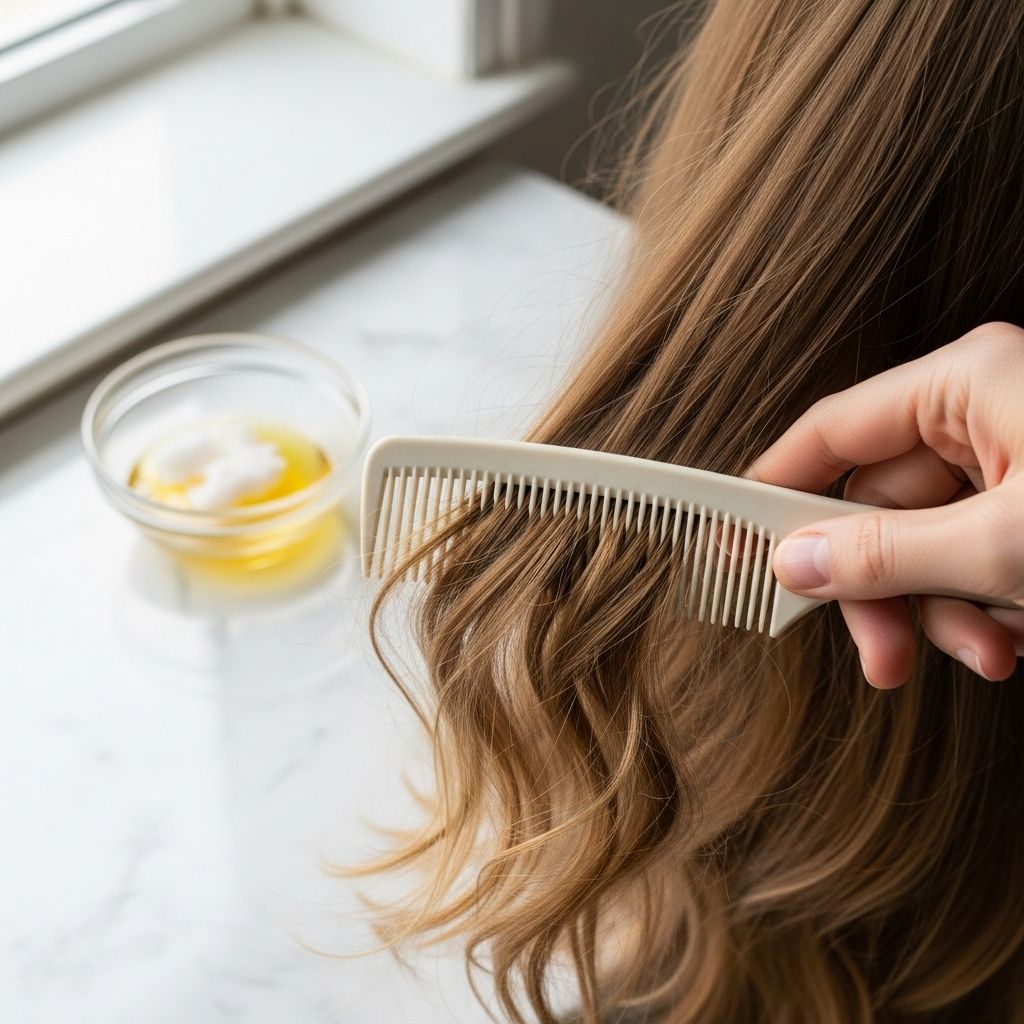
If constant hair tangles and knots are making your daily hair routine unbearable, you’re far from alone. Knotty, stubborn, and tangled hair can cause pain, breakage, and even lead to long-term damage if not managed the right way. Whether your strands are wavy, curly, straight, or everything in between, knowing how to detangle hair safely can mean the difference between luscious locks and frazzled frustration. In this guide, you’ll discover 10 easy home remedies for tangled hair—all using simple, natural solutions—so you can restore your hair’s smoothness and shine without hassle or extra damage.
Why Does Hair Get Tangled?
Before jumping into remedies, it’s important to understand why hair tangles in the first place. Tangles are often caused by the raised cuticle layer of damaged or dry hair rubbing against itself or external objects. The main factors leading to tangling include:
- Lack of natural oils on the strands
- Dry or rough hair texture
- Frequent use of heat styling tools
- Brushing or combing aggressively
- Sleeping with hair loose or unprotected
- Exposure to wind, humidity, or friction from clothing
No matter your hair type, regular care and the right detangling methods can significantly reduce knots and keep your hair healthy and easy to manage.
10 Home Remedies to Remove Hair Tangles Quickly
1. Coconut Oil Massage
Coconut oil is among the most popular go-to solutions for tackling persistent knots. It’s packed with fatty acids that deeply hydrate hair, making it silkier and easier to detangle. The oil’s natural lubricating properties help loosen knots and reduce breakage.
- Warm 2–3 tablespoons of coconut oil until it becomes liquid.
- Apply to your hair, focusing especially on the tangled sections and ends.
- Massage gently for a few minutes and let it sit for 20–30 minutes.
- Use your fingers to gently separate the hair, then follow with a wide-toothed comb.
- Shampoo and condition as usual.
This technique not only untangles but also adds shine and protection to your strands.
2. Apple Cider Vinegar Rinse
Apple cider vinegar (ACV) is well known for restoring hair’s pH balance and smoothing down rough cuticles, which helps prevent and undo tangles. ACV also works as a mild conditioner that leaves hair sleek and easy to comb.
- Mix 2 tablespoons of apple cider vinegar with 1 cup of water in a spray bottle.
- Spritz the solution onto damp, tangled areas of your hair.
- Let it sit for 5–10 minutes, then gently finger-detangle or use a wide-toothed comb.
- Rinse with cool water to seal the cuticle and add shine.
This rinse can be repeated weekly to keep your hair smooth and manageable.
3. Aloe Vera Gel Treatment
Aloe vera is revered for its soothing and moisturizing abilities, making it a fantastic ingredient for detangling stubborn knots. The natural slip of aloe gel reduces friction, while enzymes help soften tangled strands.
- Extract fresh aloe vera gel from a leaf or use pure aloe gel from the store.
- Spread a generous amount onto the tangled areas.
- Allow it to sit for 10–15 minutes.
- Gently work through the knots with your fingers, followed by combing from the ends upwards.
- Finish by rinsing with water.
Aloe also helps with scalp health and adds light hydration to your whole head.
4. Honey and Olive Oil Hair Mask
Combining honey and olive oil creates an intensely moisturizing mask that softens even the toughest knots. Honey attracts and seals in moisture, while olive oil adds slip and shine to the strands.
- Mix 1 tablespoon each of honey and extra-virgin olive oil, then warm it gently.
- Apply the mixture to damp, tangled hair, focusing on the mid-lengths and ends.
- Cover your hair with a shower cap and let the mask sit for 20–30 minutes.
- Detangle with a wide-tooth comb, then rinse well and shampoo as usual.
Use this remedy weekly to keep hair well-nourished and largely tangle-free.
5. Yogurt Conditioner Mask
Plain yogurt can act as a natural conditioner, providing moisture and protein to strengthen hair and soften knots. It’s ideal for both dry and damaged hair types prone to tangling.
- Apply plain, unsweetened yogurt directly onto your hair, paying close attention to the tangled areas.
- Leave it on for 15–20 minutes.
- Finger-detangle or use a wide-toothed comb before rinsing thoroughly with lukewarm water.
Follow with a mild shampoo if necessary. The lactic acid in yogurt gently dissolves residue and leaves hair softer.
6. Egg and Banana Hair Mask
This classic homemade mask is packed with protein, vitamins, and natural oils that nourish hair from inside out. Eggs strengthen the strands, reducing breakage, while banana smooths and detangles due to its natural “slip.”
- Mash one ripe banana and whisk in one egg.
- Apply to dry, tangled hair and frame with a shower cap.
- Let it sit for 20–25 minutes.
- Rinse thoroughly with cool water and gently comb through with a wide-toothed comb.
Use this remedy every two weeks for stronger, silkier hair.
7. Shea Butter and Almond Oil Balm
Shea butter and almond oil form a potent balm that deeply conditions, lubricates, and shields hair against breakage. This combo is especially useful for thick, curly, or textured hair prone to matting.
- Melt 1 tablespoon of raw shea butter with 2 teaspoons of almond oil.
- Allow to cool slightly, then apply to tangled hair in small sections.
- Leave on for at least 30 minutes, then detangle gently using your fingers or a comb.
- Proceed with a shampoo and conditioner routine.
The emollient texture and nutrients make this a powerful anti-tangle treatment.
8. Detangling Spray Made at Home
You can easily make a DIY detangling spray to make combing a breeze. The right blend not only helps untie knots but also acts as a leave-in conditioner that softens and smooths hair throughout the day.
- In a spray bottle, combine 1 cup distilled water, 2 tablespoons aloe vera juice, and 1 tablespoon coconut oil or sweet almond oil.
- Add a few drops of your favorite essential oil for fragrance.
- Shake well and spray liberally on clean, damp hair before using a wide-toothed comb or your fingers to detangle.
This remedy offers immediate slip for combing and can be carried with you for quick fixes.
9. Fenugreek Seed Soak
Fenugreek is prized in traditional hair care for its rich content of mucilage, which adds slip and hydration to the hair. It smooths rough cuticles and untangles matted sections with ease.
- Soak 2 tablespoons of fenugreek seeds in water overnight.
- In the morning, grind the seeds into a paste and mix with a little of the soaking water.
- Apply the paste to tangled hair and let it sit for 20–30 minutes.
- Gently comb or finger-detangle, then rinse thoroughly with water.
Repeat weekly for stronger, more manageable hair.
10. Mayonnaise Hair Pack
Though unconventional, mayonnaise is an old-time favorite for deep conditioning and detangling. The oils, egg yolk, and vinegar in mayonnaise strengthen, nourish, and lubricate every strand, making knots much easier to undo.
- Apply a thick layer of mayonnaise to dry, tangled sections of hair.
- Let it sit under a shower cap for 20–30 minutes.
- Detangle gently before rinsing with lukewarm water and shampooing as needed.
This treatment also delivers a dose of shine and bounce.
Advanced Tips: How to Detangle Matted or Severely Tangled Hair
For those dealing with extreme cases of matted or severely tangled hair—perhaps due to illness, neglect, or highly textured hair—these extra steps make the process more bearable and minimize hair loss:
- Always work in sections: Clip the hair into manageable parts and work on one section at a time.
- Keep the hair moist: Detangle damp, not fully wet, hair to minimize breakage.
- Use plenty of slip: Apply conditioner, detangling spray, or hair oils liberally.
- Start from the ends: Always detangle beginning at the tips, working upwards toward the roots.
- Be patient: Don’t rush the process. Give yourself plenty of time and use your fingers to gently pull apart knots before going in with a comb.
- Protect hair post-detangling: Style gently and avoid tight hairstyles, braiding, or updos immediately after detangling.
Best Detangling Tools You Can Use at Home
- Wide-toothed comb: Reduces tugging and works well for all hair types.
- Soft bristle brush: Suitable for finishing and smoothing.
- Detangling brush: Designed with flexible bristles to work through knots painlessly.
- Finger detangling: Allows for gentle removal of the worst tangles before using tools.
Investing in the right tool for your hair type goes a long way toward preventing breakage and discomfort.
How to Prevent Hair from Tangling in the Future
- Condition regularly: Keep hair hydrated and the cuticle smooth to stop tangles before they start.
- Oil and mask treatments: Use nourishing masks and oils once a week to maintain hair health.
- Avoid rough handling: Be gentle when brushing or combing, especially when hair is wet or fragile.
- Protect while sleeping: Braid your hair loosely or use a silk bonnet/pillowcase overnight to minimize friction-induced tangles.
- Trim split ends: Regular cuts prevent tangles from split, rough edges.
Frequently Asked Questions (FAQs)
Q: What’s the safest way to detangle extremely matted hair?
A: Always start by sectioning the hair and applying a generous amount of conditioner, oil, or detangling spray. Work gently with your fingers and a wide-toothed comb from ends to roots in small sections to minimize breakage and discomfort.
Q: Should I detangle hair when wet or dry?
A: The safest option is to detangle damp hair. Completely dry hair can be brittle and prone to breakage, while soaking wet hair is most vulnerable. Spritz with water or use a leave-in conditioner for the right amount of slip.
Q: How can I avoid tangling if I have curly hair?
A: Use a moisturizing conditioner regularly, apply leave-in treatments and oils, and detangle hair with your fingers or a wide-tooth comb while still in the shower. Also, protective styles like loose braids or twists overnight help minimize frizz and tangling.
Q: What can I do about hair that tangles every day?
A: Persistent tangles may be a sign of dryness or split ends. Deep-condition your hair every week, trim split ends regularly, and wear protective styles when possible. Silk pillowcases and bonnets at night can also reduce everyday knots.
Q: Are commercial detangling sprays safe for daily use?
A: Most commercial detanglers are gentle enough for daily use, but always check the ingredient list for alcohols or harsh chemicals if you have sensitive or dry hair. For a more natural approach, make a DIY spray using oils and aloe vera at home.
Final Thoughts: Embrace Tangle-Free, Healthy Hair
Tangled hair doesn’t have to be a daily source of pain or frustration. With these 10 easy home remedies and practical tips, you can gently nourish, protect, and detangle your hair—no matter your hair type—without causing additional damage. Consistency in care and patience during the detangling process are everything. Treat your hair kindly and you’ll soon notice less breakage, reduced frizz, and silky, manageable locks as a result.
Similar Articles







Read full bio of medha deb