5 Effective Home Remedies for Tooth Abscesses
Discover safe, natural, and evidence-based home remedies for relieving tooth abscess pain while understanding why professional dental care is essential.
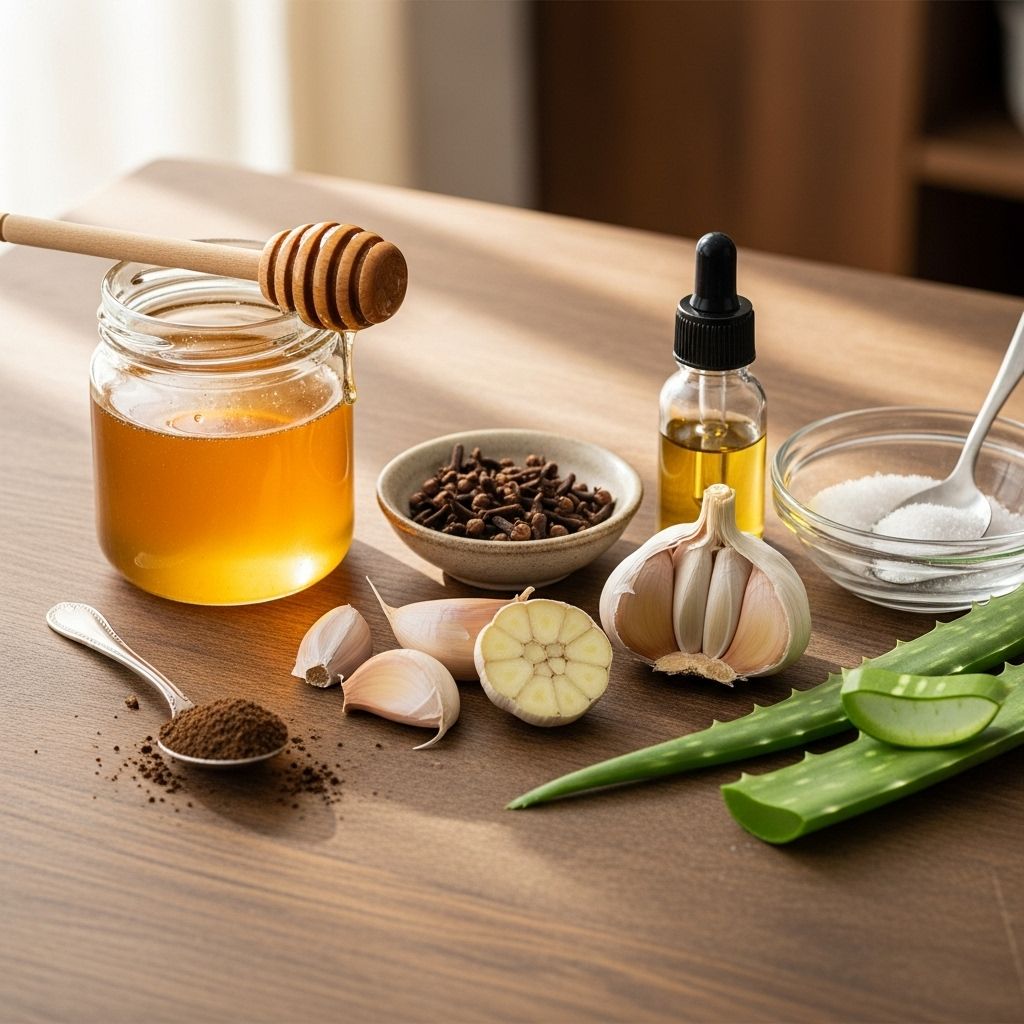
Understanding Tooth Abscesses and Home Care Options
A tooth abscess is a painful dental infection that occurs when bacteria invade the dental pulp or the tissues around the root of a tooth. The resulting pus buildup can lead to intense pain, swelling, and potentially serious complications if left untreated. While home remedies may offer some temporary relief from discomfort and help manage mild symptoms, they are not a substitute for professional dental treatment. It is essential to seek medical attention promptly for any suspected dental abscess to address the root cause and prevent complications.
What is a Tooth Abscess?
A tooth abscess (also called a dental abscess) is an accumulation of pus that occurs due to a bacterial infection in or around the tooth. The most common types are:
- Periapical abscess – at the tip of a tooth’s root
- Periodontal abscess – in the gums next to a tooth root
- Gingival abscess – affects only the gum tissue
Symptoms may include throbbing pain, sensitivity to hot or cold, swollen gums, bad taste in the mouth, facial swelling, and fever.
Should You Attempt Home Remedies?
Home remedies can provide temporary relief from pain and swelling, but only a dentist can eradicate the infection and prevent complications. Use these methods only while you are waiting for your dental appointment, never as a replacement for professional care. If you experience significant swelling, fever, difficulty swallowing or breathing, or an overall feeling of unwellness, seek emergency care immediately.
5 Home Remedies for Tooth Abscesses
Below are five widely recommended home remedies to manage the discomfort and symptoms of a tooth abscess while you arrange prompt dental care.
1. Salt Water Rinse
A warm salt water rinse is one of the simplest and most accessible home remedies for relieving some of the swelling and discomfort associated with a dental abscess. The salt acts as a mild antiseptic, helping to cleanse the mouth and draw out some fluid from inflamed tissues. This rinse may reduce bacteria in the mouth, decrease swelling, and promote healing for minor gum irritation.
- How to use: Dissolve half to one teaspoon of salt in a glass of warm water. Swish the solution gently around your mouth for at least 30 seconds, focusing on the area of pain. Spit it out – do not swallow. Repeat 2–3 times a day for maximal relief.
- Why it works: Saltwater is hypertonic and creates an environment less favorable for bacterial growth. It can help clear minor debris and reduce surface inflammation.
2. Baking Soda Rinse or Paste
Baking soda is known for its antibacterial and antiseptic properties and is commonly found in household kitchens. Using baking soda as a rinse or making a topical paste may help neutralize acids in the mouth, reduce bacteria, and relieve discomfort from a dental abscess.
- How to use (rinse): Mix half a teaspoon of baking soda with half a cup of water. Swish around the mouth for a minute, then spit and rinse thoroughly.
How to use (paste): Make a paste of baking soda and a few drops of water, then apply this paste carefully to the affected gum for a few minutes before rinsing off. - Notes: Do not swallow the rinse or paste. Baking soda can be mildly abrasive – avoid overuse to prevent irritation.
3. Clove Oil
Clove oil (rich in eugenol) is a traditional remedy used in dentistry for its strong antibacterial, anti-inflammatory, and anesthetic properties. It can help numb the area, reduce pain, and even slow the growth of bacteria in minor gum infections.
- How to use: Soak a small piece of cotton or a cotton swab with a few drops of clove oil and apply it gently to the affected area. Alternatively, you may dilute clove oil with a carrier oil (such as olive oil) to avoid irritation and place it directly on the abscess or the surrounding gums. Remove after 10–15 minutes.
- Why it works: Eugenol has natural analgesic and antibacterial effects, making it especially useful for dental pain relief.
- Precaution: Clove oil is potent – use sparingly. Overuse or direct application to sensitive tissue may cause burning or irritation.
4. Hydrogen Peroxide Rinse
Hydrogen peroxide (3% solution) has potent antibacterial properties and can help control infection in the mouth when appropriately diluted. It’s one of the most widely recommended over-the-counter solutions for cleansing wounds and minor oral infections.
- How to use: Mix equal parts 3% hydrogen peroxide and water (e.g., one tablespoon of each). Swish this solution gently in your mouth, focusing on the abscessed area, for 30 seconds. Spit out without swallowing, then rinse with plain water.
- Why it works: Hydrogen peroxide releases oxygen, which destroys bacteria and cleanses infected tissue.
- Warning: Never use undiluted hydrogen peroxide. Avoid swallowing the mixture, as it can be harmful if ingested.
5. Garlic
Garlic contains allicin, a natural compound with significant antibacterial, antimicrobial, and anti-inflammatory qualities. Raw garlic has been shown to offer some pain relief and may help limit the spread of infection in minor cases.
- How to use: Crush a fresh clove of garlic until it releases its juices. Apply the smashed garlic directly to the abscessed area for several minutes, then rinse thoroughly. Alternatively, you can chew a small amount of raw garlic, holding it in the mouth near the infection.
- Caution: Garlic can cause a burning sensation on sensitive gums – try a small amount first and discontinue if you experience discomfort.
Other Home Measures for Temporary Relief
- Cold Compress: Applying a cold pack to the outside of your face near the site of the abscess may reduce pain and swelling. Use for 15 minutes at a time, resting between applications.
- Over-the-Counter Painkillers: Medications such as acetaminophen or ibuprofen may help control pain while awaiting professional care. Follow dosage instructions carefully.
- Tea Bags: Warm, wet black tea bags contain tannins with mild anti-inflammatory effects. Apply to the gum area for temporary relief.
- Herbal Extracts: Certain herbs, like fenugreek (used in teas) and essential oils such as oregano or tea tree oil, are sometimes used as natural anti-microbials; however, more research is needed, and essential oils should always be diluted and applied with care.
What NOT to Do with a Dental Abscess
- Never attempt to drain the abscess yourself. Puncturing or squeezing the area can worsen the infection and lead to dangerous complications.
- Do not ignore the symptoms. Abscesses can worsen rapidly, leading to severe health risks such as bone infections or sepsis.
- Avoid overuse of strong remedies or undiluted oils. Excessive or improper use of natural remedies can cause burning, tissue injury, or allergic reactions.
- Do not stop prescribed antibiotics early (if given by a dentist or physician).
When to Seek Immediate Professional Help
While the above remedies can manage mild discomfort in the short term, only a dentist can drain the abscess safely and treat the underlying infection. Untreated tooth abscesses can become life-threatening if the infection spreads to the jaw, neck, or bloodstream.
- Go to an emergency room without delay if you have:
- Severe facial swelling or difficulty opening your mouth
- Difficulty breathing or swallowing
- High fever, chills, or a general sense of being very unwell
- Rapidly spreading redness or swelling in the head or neck
- Contact your dentist promptly for all tooth abscesses, even if pain is mild or goes away temporarily.
Table: Comparison of Common Home Remedies for Tooth Abscess Relief
| Remedy | Main Effect | How to Use | Precautions |
|---|---|---|---|
| Salt Water Rinse | Mild antiseptic, soothes tissues | Swish warm saltwater solution 2–3 times/day | Don’t swallow; avoid open wounds |
| Baking Soda | Reduces bacteria, neutralizes acids | Rinse or apply as paste | Rinse thoroughly after use |
| Clove Oil | Relieves pain, antibacterial | Apply diluted oil to affected area | May irritate gums if overused |
| Hydrogen Peroxide | Reduces bacteria, cleanses tissues | Dilute 1:1 with water; swish & spit | Never swallow; use only as directed |
| Garlic | Antibacterial, reduces pain | Crush, apply to area, then rinse off | Can burn sensitive gum tissue |
Preventing Tooth Abscesses
Prevention is always better than cure. The best way to avoid dental abscesses is with excellent oral hygiene and regular dental checkups.
- Brush twice daily with fluoride toothpaste
- Floss once daily to remove food particles and plaque
- Visit your dentist for regular exams and cleanings
- Limit sugary foods and drinks, which feed bacteria
- Treat cavities, gum disease, or trauma promptly
Frequently Asked Questions (FAQs) About Tooth Abscesses and Home Remedies
Q: Can I cure a tooth abscess at home?
A: No. Home remedies can only provide temporary relief from pain and inflammation; they cannot eliminate the infection or address the underlying cause. Only a dental professional can safely drain and treat an abscess.
Q: How long can I wait before seeing a dentist?
A: Contact a dentist as soon as you suspect a tooth abscess. Prompt treatment prevents the spread of infection and serious, even life-threatening, complications.
Q: What is the fastest way to relieve tooth abscess pain?
A: Salt water rinses, cold compresses, over-the-counter pain relievers, and clove oil can help manage pain while you wait to see a dentist. However, these remedies are not a substitute for professional evaluation and care.
Q: Are there risks to using essential oils or herbal remedies?
A: Yes. Essential oils like clove or tea tree are very concentrated and can cause irritation or allergic reactions, especially when applied undiluted. Always dilute and use with caution, and avoid if you have known allergies.
Q: What happens if a tooth abscess is left untreated?
A: An untreated abscess can lead to severe pain, tooth loss, bone destruction, or life-threatening infections spreading to the jaw, head, neck, or even the entire body (sepsis).
Conclusion: Use Home Remedies Responsibly
While the five home remedies outlined above—salt water rinse, baking soda, clove oil, hydrogen peroxide, and garlic—may help alleviate symptoms short-term, they do not cure the underlying dental infection. Tooth abscesses are a serious condition that call for prompt evaluation and treatment by a dentist. If you suspect you have a dental abscess or experience severe symptoms, prioritize professional care to protect your oral and overall health.
Similar Articles








Read full bio of Sneha Tete