7 Effective Home Remedies for Yeast Infections
Discover trusted, evidence-informed home remedies for managing and soothing vaginal yeast infections—plus signs when it’s time to see a healthcare professional.
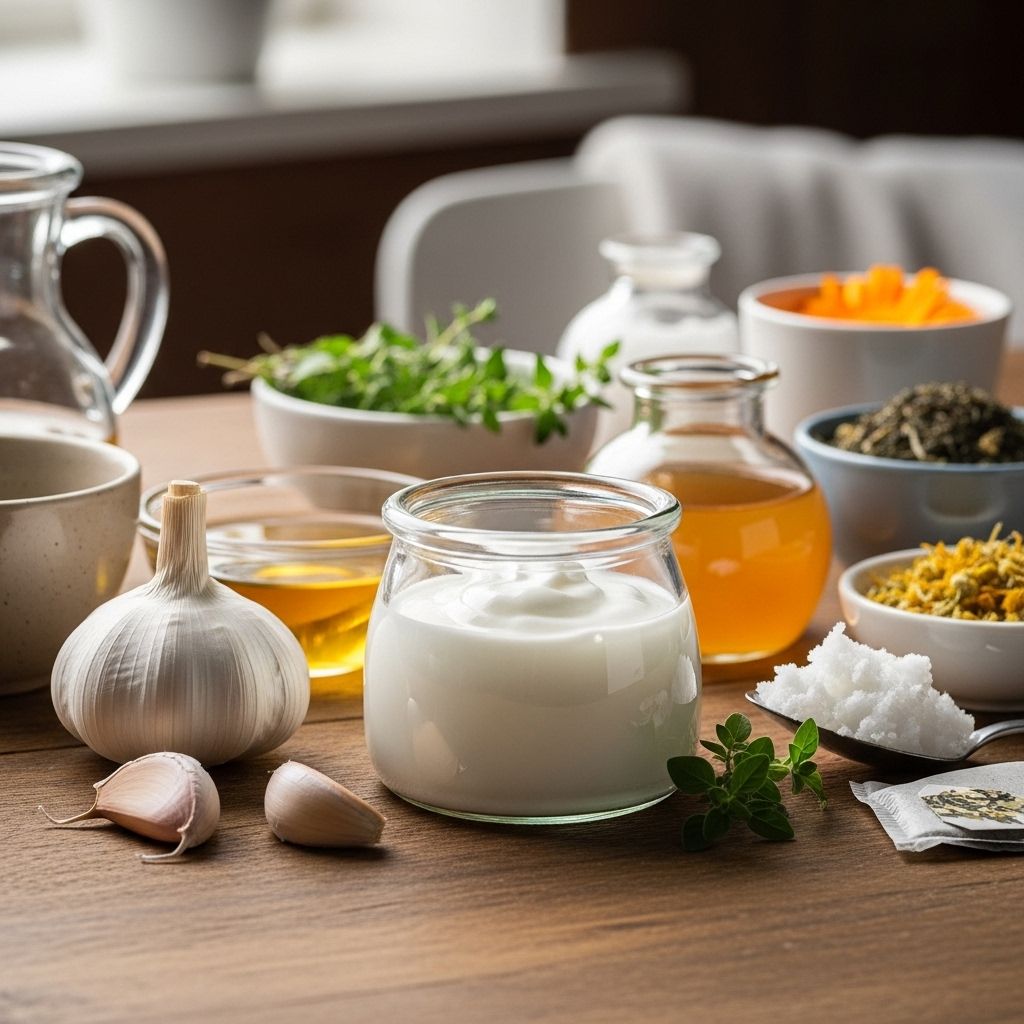
Vaginal yeast infections are a common discomfort, affecting millions of people worldwide. While over-the-counter antifungal medications remain the gold standard for fast relief, many are curious about natural and home remedies to alleviate symptoms or prevent recurrence. This article explores popular evidence-based home remedies, safety considerations, and when to seek medical advice for optimal vaginal health.
Understanding Yeast Infections
A vaginal yeast infection is primarily caused by an overgrowth of Candida albicans, a fungus naturally present in the vagina. Imbalances caused by antibiotics, hormonal shifts, or immune changes can trigger this overgrowth, leading to symptoms like:
- Itching and irritation in the vaginal area
- Thick, white, odorless vaginal discharge
- Burning sensation, especially during urination or intercourse
- Redness and swelling of the vulva
While not dangerous, repeat or severe infections can impact daily quality of life and emotional wellbeing.
1. Plain Yogurt
Yogurt containing live Lactobacillus acidophilus cultures is a commonly cited home remedy for yeast infections. These beneficial bacteria help restore the vaginal microbiome’s balance, potentially curbing Candida overgrowth. A 2017 study indicated that consuming yogurt may help expand beneficial gut flora, indirectly supporting the body’s natural defenses against yeast.
- Eat unsweetened, plain Greek yogurt daily for probiotic benefits.
- Do not apply yogurt inside the vagina: While anecdotal reports exist, experts largely recommend only eating yogurt, as even unsweetened yogurt contains natural sugars that might promote yeast growth when applied vaginally.
Choose yogurt with no added sugars, flavors, or fruit.
2. Boric Acid Suppositories
Boric acid suppositories are a popular natural remedy for treating stubborn or recurrent yeast infections. Clinical data suggests boric acid’s antifungal and antiseptic properties can supplement traditional therapies, particularly for infections resistant to over-the-counter medications.
- Only use in professional-grade, pre-measured suppository form.
- Never swallow boric acid—it is toxic if ingested.
- Do not use if pregnant.
- Discontinue if irritation, discomfort, or unusual symptoms occur.
Consult a healthcare provider before use, especially if you have sensitive skin or underlying health conditions.
3. Probiotics
Probiotics are live microorganisms that support a healthy bacterial balance. Specific probiotic supplements, especially those containing Lactobacillus strains, may help reduce the risk of yeast overgrowth and maintain a healthy vaginal microbiome. Some studies suggest that probiotics may be an effective adjunct when used alongside antifungal medications, though standalone efficacy as a treatment remains uncertain.
- Choose high-quality probiotic supplements labeled for vaginal or digestive health.
- Foods like yogurt, kefir, sauerkraut, and kimchi also deliver probiotics when eaten regularly.
For recurrent infections, discuss probiotic strategies with your healthcare provider for individualized advice.
4. Coconut Oil
Organic, cold-pressed coconut oil possesses natural antifungal properties. Several small studies suggest coconut oil may inhibit the growth of Candida, offering soothing relief from itching and discomfort when used topically.
- Apply a small amount of pure coconut oil externally to the affected area.
- Always use clean hands or a sterile cotton swab for application.
- Do not use if you have a coconut allergy.
Although generally well-tolerated, discontinue use if irritation develops.
5. Tea Tree Oil
Tea tree oil is another plant-derived extract known for its antifungal effects, including inhibition of Candida albicans. Some vaginal suppositories contain tea tree oil in controlled amounts. However, undiluted tea tree oil can cause burning and skin irritation, and its efficacy in humans remains unproven.
- Never apply undiluted tea tree oil to mucous membranes (such as the vagina).
- If considering this remedy, look for products specifically formulated for vaginal use and approved by your healthcare provider.
- Always patch-test on a small area of skin before wider use.
Tea tree oil should never be ingested—it is toxic if swallowed.
6. Apple Cider Vinegar Baths
Apple cider vinegar (ACV) is a popular remedy due to its mildly acidic properties, which may help restore the vagina’s natural pH and control fungal overgrowth. Some people find relief by soaking in a diluted ACV bath.
- Add ½ to 1 cup of raw, unfiltered ACV to a warm bath and soak for 20 minutes.
- Never apply undiluted vinegar directly to the genitals.
- Do not douche with vinegar: this can disrupt the vaginal microbiome and worsen symptoms.
If you experience stinging, redness, or increased irritation, stop immediately.
7. Garlic
Garlic is sometimes touted for its antifungal and immune-boosting properties. Some studies show that adding garlic to the diet may help the body fight various infections, including those caused by Candida.
- Add fresh garlic generously to meals for overall health.
- Never insert garlic into the vagina: Direct application can cause burns, pain, and severe irritation of sensitive tissues.
Dietary garlic can support immune function, but topical or internal vaginal use is discouraged.
Remedies to Approach with Caution
- Essential oils (other than pre-formulated, regulated suppositories): Many are irritating or unsafe for mucous membranes.
- Douching: Can disrupt your healthy vaginal biome and worsen infection.
- Sugary foods and flavored yogurts: Sugar encourages Candida growth.
What Science Says About Home Remedies
Many home remedies for yeast infections have not been thoroughly tested in large clinical studies. While some offer anecdotal or preliminary research support, mainstream healthcare providers generally recommend medically approved antifungal treatments as first-line therapy. For mild symptoms, select home remedies can provide additional comfort or support healing, but persistent, severe, or frequently recurring infections require professional diagnosis and targeted therapy.
Signs You Should See a Healthcare Provider
- First-time symptoms, or uncertainty about the diagnosis
- Symptoms that persist after home or over-the-counter treatment
- Severe pain, swelling, or discharge with a foul odor
- Fever, pelvic pain, or signs of systemic illness
- More than four yeast infections in one year
- Compromised immune system (due to medical conditions or medications)
- Pregnancy: Some remedies, especially boric acid, are unsafe when pregnant
Prompt consultation can rule out other infections, such as bacterial vaginosis or sexually transmitted infections—and ensure fast, effective relief.
How to Prevent Vaginal Yeast Infections
- Practice good vaginal hygiene (clean with warm water, avoid harsh soaps)
- Wear breathable cotton underwear and avoid tight-fitting pants
- Change out of wet swimsuits and workout clothes promptly
- Limit use of antibiotics to when medically necessary
- Maintain a balanced, low-sugar diet to discourage yeast overgrowth
- Manage chronic health conditions such as diabetes with professional support
Frequently Asked Questions (FAQs)
Q: Can I treat a yeast infection with only home remedies?
A: While some mild infections may respond to natural remedies, medical antifungal treatment remains the most reliable and effective option. Consult a healthcare professional if you experience persistent or severe symptoms.
Q: Is it safe to insert yogurt, garlic, or essential oils into the vagina?
A: No. Leading health authorities advise against inserting food or undiluted essential oils into the vagina, as these can cause burns, allergic reactions, and disruption of the vaginal microbiome.
Q: Is boric acid safe for everyone?
A: No. Boric acid should never be swallowed or used by pregnant individuals. Only use in pre-measured suppository form under a provider’s guidance.
Q: Can diet prevent yeast infections?
A: Consuming probiotic-rich and low-sugar foods may help, especially for individuals prone to recurrent yeast infections. A healthy lifestyle supports the overall immune system and vaginal flora.
Q: When should I see a doctor for a yeast infection?
A: Medical consultation is warranted for first-time symptoms, persistent or worsening infections, severe discomfort, pregnancy, or signs of a more serious infection (such as fever, abdominal pain, or foul-smelling discharge).
Key Takeaways
- Most vaginal yeast infections are easily treatable, but professional care is sometimes necessary.
- Natural remedies like yogurt, probiotics, coconut oil, tea tree oil, and apple cider vinegar may provide symptom relief for some, but scientific support varies.
- Always check the safety and relevance of any home remedy, and discontinue use if irritation worsens.
- When in doubt, seek professional medical advice to protect your comfort and long-term vaginal wellness.
Similar Articles







Read full bio of medha deb