9 Proven Home Remedies to Relieve Heartburn Fast
Discover natural and effective remedies to ease heartburn and acid reflux, backed by home and expert wisdom.
Heartburn, also known as acid reflux or acidity, is marked by a burning sensation in the chest or throat and can significantly disrupt daily comfort. The painful condition occurs when stomach acids flow upward into the esophagus, triggering discomfort, sour burps, and even difficulty swallowing. While over-the-counter medications offer short-term relief, natural and home remedies are gaining popularity for their effectiveness and minimal side effects. In this detailed guide, discover nine evidence-based remedies that can help you soothe heartburn quickly and improve digestive health.
What Causes Heartburn?
Heartburn typically results from:
- Relaxation of the lower esophageal sphincter (LES), allowing acid to escape into the esophagus
- Dietary habits such as eating spicy, fatty, or acidic foods
- Overeating or eating too quickly
- Hiatal hernia, which disrupts stomach-acid containment
- Pregnancy, obesity, or certain medications
Symptoms of Heartburn & Acid Reflux
- Burning sensation in the chest or throat
- Regurgitation of sour liquid
- Dysphagia (difficulty swallowing)
- Coughing or hoarseness
- Chest pain after eating or at night
Natural Ways to Relieve Acidity and Heartburn
If you want gentle, safe relief from heartburn, these nine remedies cover traditional kitchen staples, herbal solutions, and diet adjustments. Remember, see a doctor if symptoms persist more than a week or worsen rapidly.
1. Baking Soda (Sodium Bicarbonate)
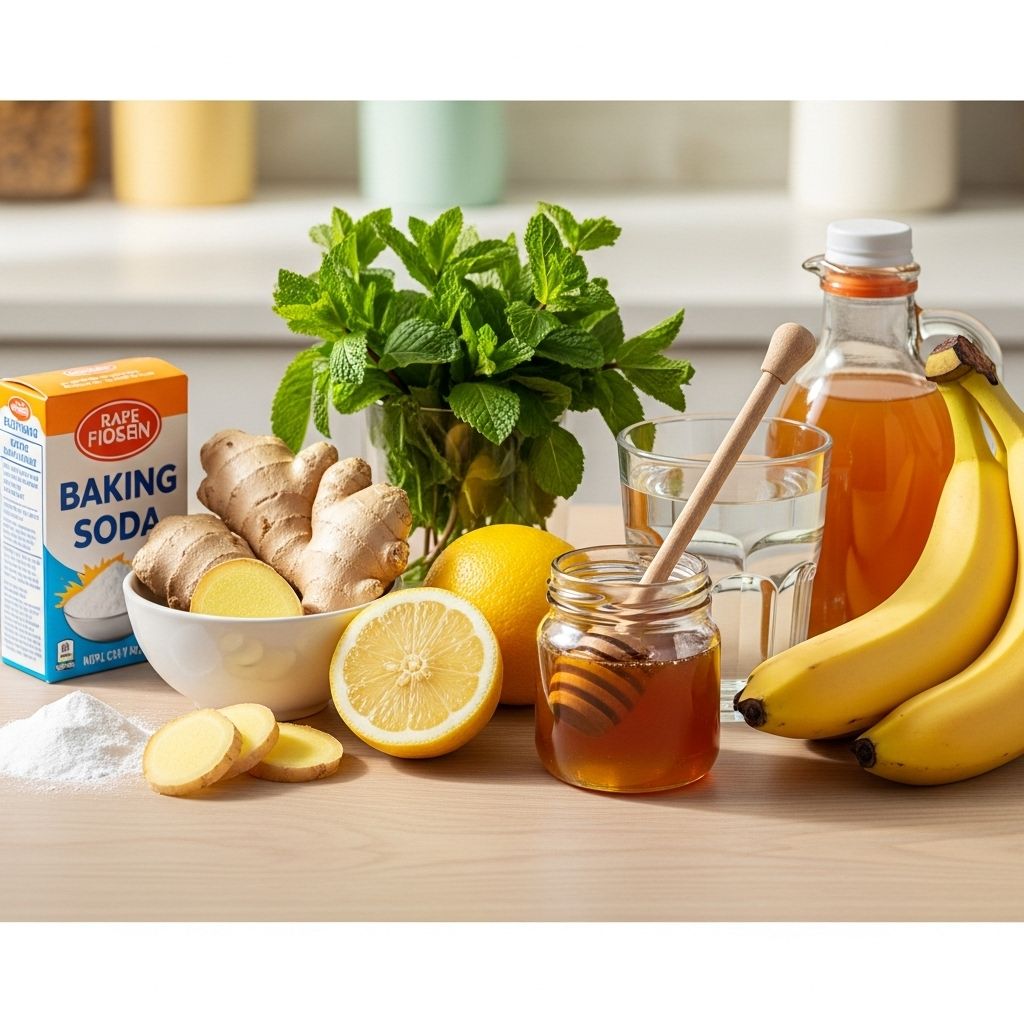
Baking soda is a powerful and fast-acting antacid that neutralizes excess stomach acid, providing instant relief from heartburn symptoms. Mix half a teaspoon of baking soda in half a cup of water and drink slowly. This remedy is best used occasionally due to high sodium content, which can affect blood pressure if overused.
How it works: Baking soda reacts with hydrochloric acid in the stomach to produce water and salt, lowering acidity.
Note: Do not use baking soda if you have high blood pressure, kidney problems, or are pregnant without consulting a physician.
2. Licorice Root
Licorice root, especially in its deglycyrrhizinated form (DGL), is valued for its ability to soothe irritated mucous membranes and promote healing in the esophagus. It creates a protective coating, easing discomfort from acid reflux.
How to use: Chew DGL tablets 20 minutes before meals, or brew licorice tea by steeping slices in boiling water for several minutes.
Warning: Regular licorice root contains glycyrrhizin, which can cause high blood pressure and potassium loss when used in excess.
3. Aloe Vera Juice
Aloe vera’s well-known anti-inflammatory properties extend to the digestive tract, where it reduces irritation and helps balance acid production. Drinking ¼ cup of pure aloe vera juice before meals may offer relief for ongoing acid reflux.
Tip: Choose medical-grade, decolorized aloe vera juice to avoid laxative effects associated with whole-leaf products.
4. Ginger
Ginger has long been prized for its digestive benefits and ability to reduce nausea. Its anti-inflammatory compounds can support esophageal lining and slow acid production.
How to consume:
- Ginger tea: Boil fresh ginger slices in water for 10 minutes, strain, and sip slowly.
- Adding ginger to food: Use grated ginger in soups, stir-fries, or as a spice in tea blends.
Do not exceed 3–4 grams daily, as high doses can worsen heartburn for some people.
5. Slippery Elm
Slippery elm contains mucilage, a gel-like substance that coats and protects the esophagus from irritating stomach acid. Traditionally used as a remedy for sore throats and digestive discomfort, it can soothe heartburn episodes.
How to use:
- Mix one teaspoon of slippery elm powder with water and drink up to three times daily.
- Available as teas, lozenges, and supplements.
6. Caraway Seeds
Caraway seeds have carminative properties that help reduce gas and soothe digestive upsets, including heartburn. They may relax digestive tract muscles and curb acid reflux.
How to consume:
- Chew a teaspoon of caraway seeds after meals.
- Brew caraway seed tea: Add one teaspoon to boiling water, steep for 10 minutes, strain, and drink.
7. Fennel Seeds
Fennel seeds ease heartburn through their antispasmodic and carminative effects, helping relax the gastrointestinal tract and counter acidity. They can reduce bloating and promote smoother digestion.
How to use:
- Chew half a teaspoon of fennel seeds post-meal.
- Prepare fennel tea for added benefits.
8. Apple Cider Vinegar
Although acidic, diluted apple cider vinegar can trigger the stomach to produce less acid by signaling feedback mechanisms. Mix one tablespoon in a large glass of water and drink before meals. While many users swear by it, scientific evidence is limited, and it may not suit everyone. Discontinue use if symptoms worsen.
9. Lifestyle & Dietary Adjustments
In addition to natural remedies, simple behavioral changes can reduce heartburn frequency and severity:
- Avoid trigger foods: Cut back on spicy, fatty, or acidic foods like tomatoes, citrus, chocolate, and caffeinated drinks.
- Eat smaller, frequent meals: Large portions make it harder for the stomach to contain acid.
- Stay upright after eating: Wait at least 2–3 hours before lying down, and try gentle movement to aid digestion.
- Elevate your head while sleeping: Use a wedge or adjust bedposts to keep your head higher than your stomach, minimizing nighttime reflux.
- Maintain healthy weight: Excess body fat puts pressure on the stomach, worsening acid reflux.
- Quit smoking and limit alcohol: Both weaken the lower esophageal sphincter, aggravating heartburn.
Quick Reference Table: Remedies and Their Benefits
| Remedy | How It Helps | How to Use |
|---|---|---|
| Baking Soda | Neutralizes stomach acid instantly | Mix 1/2 tsp in 1/2 cup water and drink |
| Licorice Root (DGL) | Coats and heals esophageal lining | Chew DGL tablets or drink as tea |
| Aloe Vera Juice | Reduces inflammation in the digestive tract | Drink 1/4 cup before meals |
| Ginger | Anti-inflammatory; calms nausea | Sip ginger tea or add fresh ginger to food |
| Slippery Elm | Creates protective mucilage barrier | Mix powder in water, drink up to 3x/day |
| Caraway Seeds | Calms stomach, reduces gas | Chew post-meal or drink as tea |
| Fennel Seeds | Relaxes GI tract, eases acidity | Chew after meals; steam into tea |
| Apple Cider Vinegar | Balances acid via feedback mechanism | Mix 1 tbsp in water, drink before meals |
| Lifestyle Changes | Prevents occurrence and reduces severity | Eat small meals, avoid triggers, elevate head, stay active |
Precautions & When to Seek Medical Help
- Home remedies should only be used for occasional, mild symptoms.
- If heartburn occurs more than once a week, or is accompanied by unexplained weight loss, vomiting, or trouble swallowing, consult a gastroenterologist.
- Chronic heartburn may signal gastroesophageal reflux disease (GERD) or other conditions needing medical care.
Frequently Asked Questions (FAQs)
Q: Can heartburn feel like a heart attack?
A: Yes, the pain of severe acid reflux can mimic a heart attack, but heartburn is usually associated with meals and responds to antacids. If you have persistent chest pain, seek emergency care to rule out cardiac issues.
Q: Is it safe to use baking soda frequently for heartburn?
A: Baking soda provides quick relief but is not suited for regular use because of its high sodium content and potential interference with certain medications and health conditions. Use only on occasion.
Q: What foods should I avoid to prevent heartburn?
A: Common triggers include spicy foods, citrus fruits, tomatoes, chocolate, fatty dishes, caffeine, and alcohol. Monitoring and avoiding your personal triggers is key to prevention.
Q: Can natural remedies cure GERD permanently?
A: While remedies can alleviate symptoms for many, chronic GERD may require ongoing management and medical advice. Natural methods can supplement, but not replace, proper diagnosis and professional care.
Q: Are there long-term risks to untreated heartburn?
A: Yes. Persistent acid reflux can damage the esophagus, leading to inflammation, ulceration, strictures, and increased risk of esophageal cancer. Timely treatment is vital.
Expert Tips for Managing Heartburn Naturally
- Keep a food diary to track and eliminate personal triggers.
- Eat slowly and chew thoroughly to reduce digestive stress.
- Practice mindful eating to prevent overeating.
- Wear loose clothing to minimize pressure on your abdomen.
- Consider gentle exercise—yoga and walking can support digestion.
Conclusion
Heartburn and acid reflux are uncomfortable but manageable conditions. These nine home remedies, ranging from simple kitchen staples like baking soda and ginger to herbal choices like licorice root and slippery elm, can provide fast and effective relief. Coupled with smart lifestyle adjustments, you can reduce frequency and severity. As with any health problem, if heartburn becomes persistent or severe, seek professional medical advice for accurate diagnosis and treatment.
Similar Articles







Read full bio of Sneha Tete